So I’ve been kind of obsessed with this whole biohacking for productivity thing for the last couple of years, and honestly? Half of it is nonsense. The other half quietly changes everything. The problem is figuring out which half you’re dealing with.
I didn’t come into this as some Silicon Valley guy with a red light therapy panel and a $400 cold plunge tub. I came into it tired. Like, chronically tired, struggling to get through a Tuesday afternoon without my brain turning into wet cement. And I started reading – probably too much – about what people were doing to fix that. Some of it sounded insane. Some of it made a lot of sense once I actually dug into neuroscience.

This isn’t going to be some perfectly organized breakdown. I’m going to tell you what I’ve learned, what actually worked, and what I think is overhyped. Let’s go.
Your Sleep Is Probably Destroying Your Ability to Think
When you actually look at what’s happening in your brain during sleep, specifically during deep NREM sleep, it’s genuinely wild. There’s a glymphatic system – like a cleaning crew – that flushes out metabolic waste products including amyloid-beta, which is the stuff linked to cognitive decline. This only runs properly when you’re deeply asleep. So when you’re skimping on sleep, you’re not just tired. You’re literally accumulating brain trash.
Biohacking for productivity starts here, not with supplements or nootropics. Sleep timing matters more than most people realize. Matthew Walker’s research at UC Berkeley showed that even mild sleep restriction – six hours a night for two weeks – produces cognitive impairments equivalent to two full nights of sleep deprivation. And the kicker? People in those studies rated themselves as “fine.” They had no idea how impaired they were.
What actually helps: keeping a consistent wake time even on weekends (your circadian rhythm doesn’t care about Saturday), keeping the room cold (around 65-68°F seems to be the sweet spot for most people), and cutting off screens at least 90 minutes before bed. The blue light thing is real, though it’s probably less about the light itself and more about the mental stimulation keeping your cortisol from dropping.
Best Sellers
-
Armodavinil 150 mg (Armodafinil)
$69.00 – $449.00Price range: $69.00 through $449.00Shop Now This product has multiple variants. The options may be chosen on the product page -
Artvigil 150 mg (Armodafinil)
$69.00 – $419.00Price range: $69.00 through $419.00Shop Now This product has multiple variants. The options may be chosen on the product page -
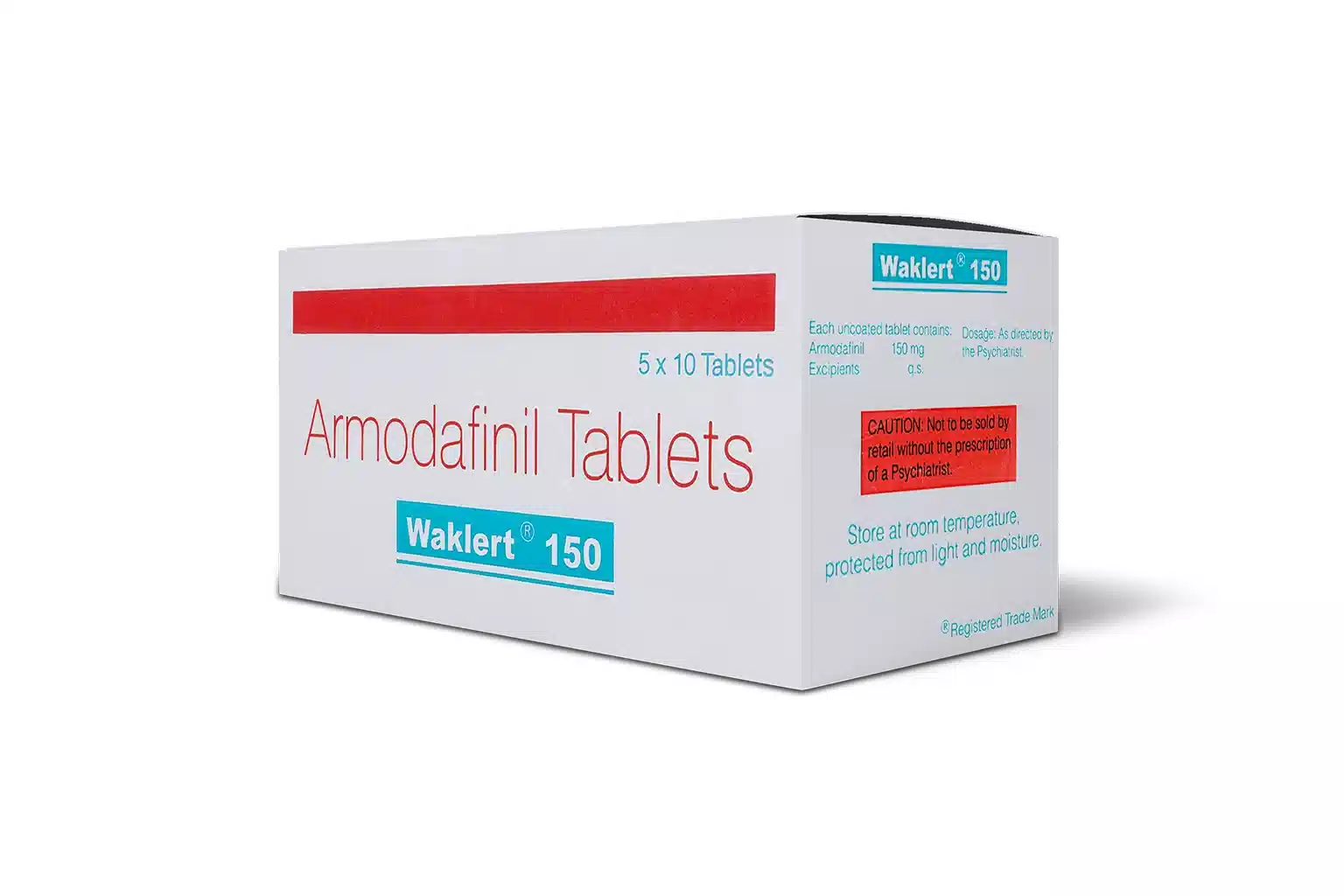
Waklert 150 mg (Armodafinil)
$69.00 – $449.00Price range: $69.00 through $449.00Shop Now This product has multiple variants. The options may be chosen on the product page -
Armodacare 150 (Armodafinil)
$69.00 – $419.00Price range: $69.00 through $419.00Shop Now This product has multiple variants. The options may be chosen on the product page -
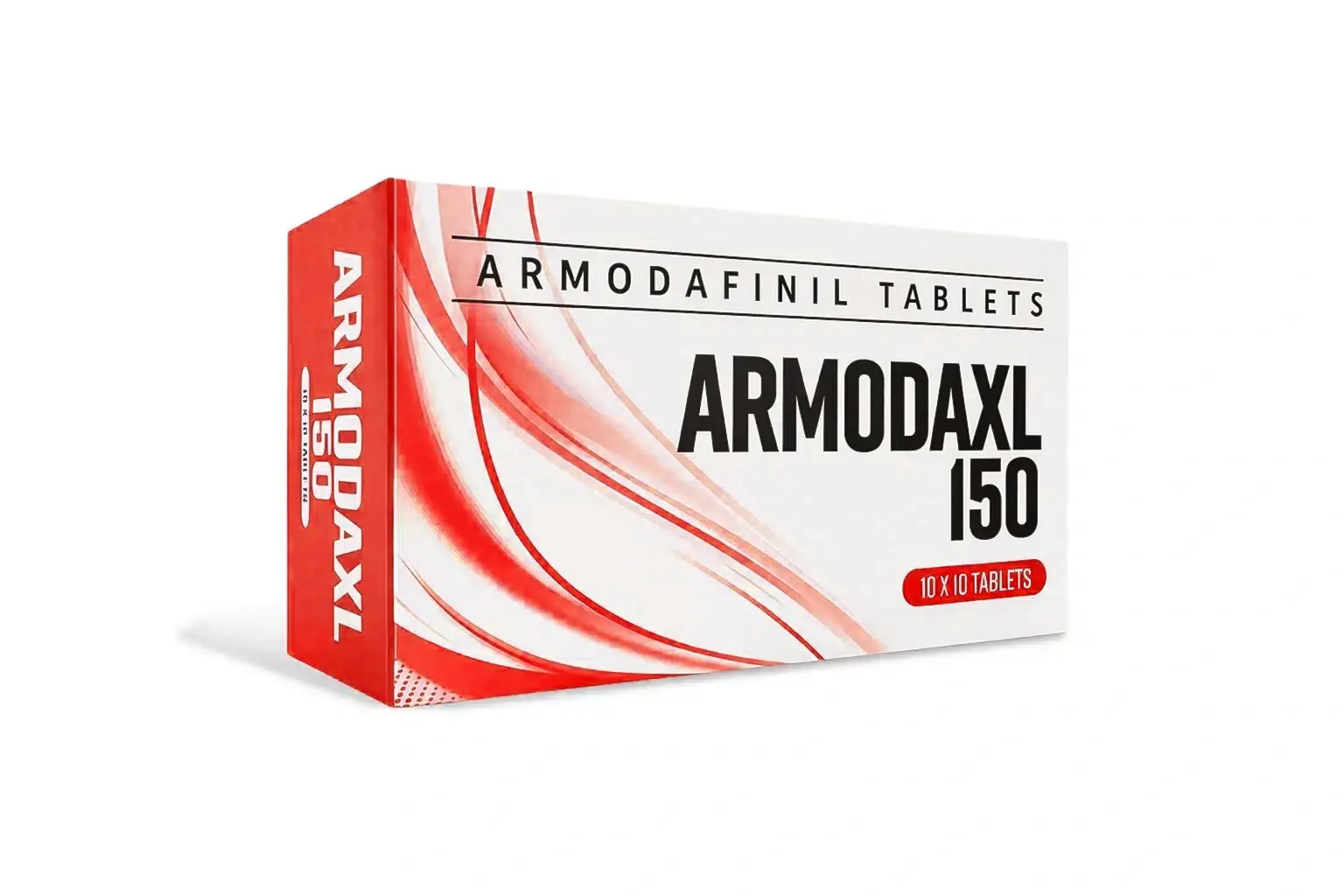
Armodaxl 150 (Armodafinil)
$79.00 – $189.00Price range: $79.00 through $189.00Shop Now This product has multiple variants. The options may be chosen on the product page -
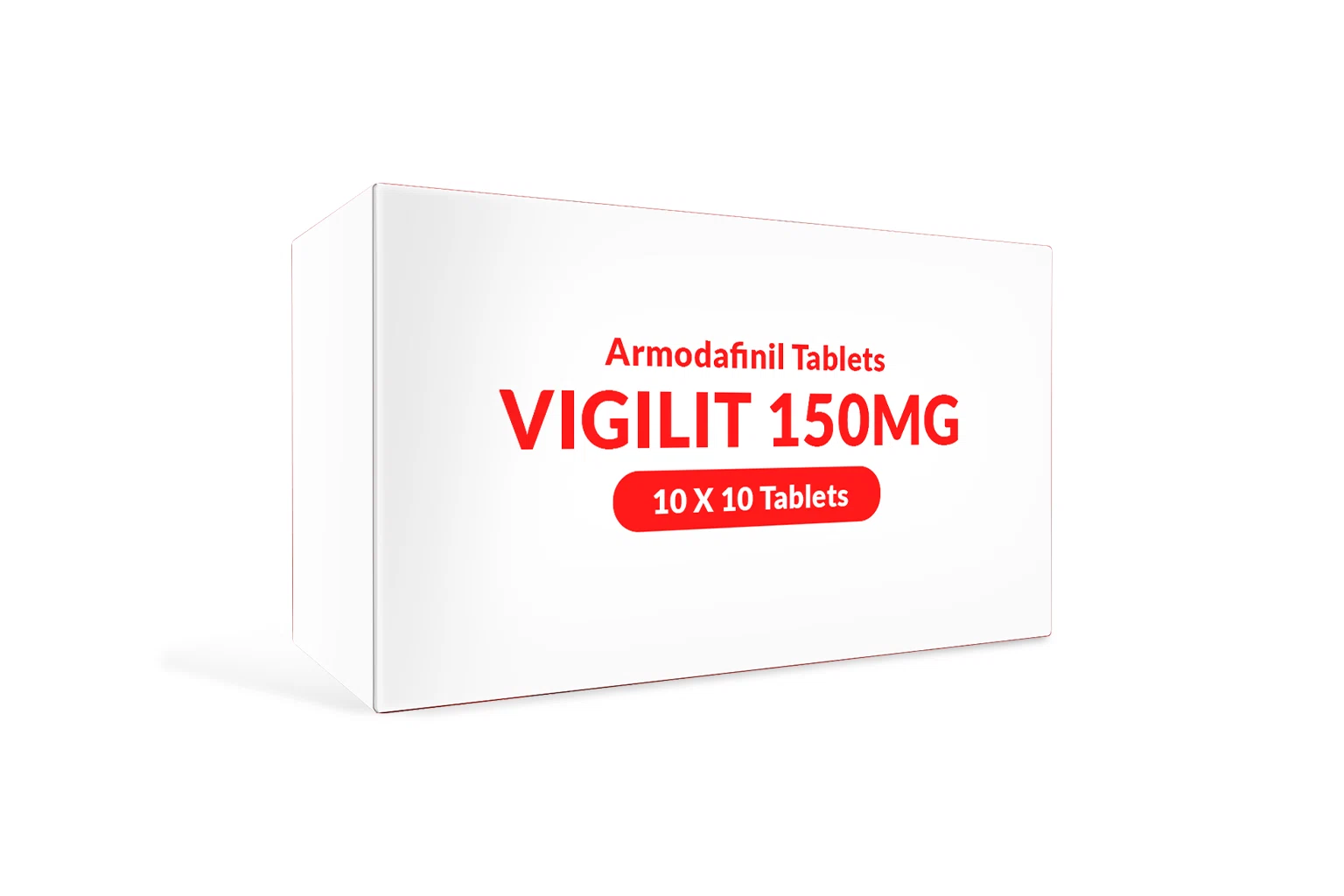
Vigilit 150 mg (Armodafinil)
$65.00 – $155.00Price range: $65.00 through $155.00Shop Now This product has multiple variants. The options may be chosen on the product page
The Morning Stuff – What’s Worth Doing and What’s Just Ritual
Okay, the morning routine space is… a lot. There are people doing 47-step protocols before 6 am and I respect the commitment but also I’m skeptical. What does seem to hold up: getting bright light in your eyes within the first 30-60 minutes of waking. Andrew Huberman and his lab at Stanford have talked extensively about this. Sunlight – not through glass, actual outdoor light – triggers a cortisol pulse that sets your internal clock and improves alertness through the morning. On a cloudless day, even 5-10 minutes works. On a cloudy day, you might need 20-30 minutes. It’s not complicated. Go outside.
Exercise in the morning does something to mood and focus that I still can’t fully explain but I’ve experienced consistently. The mechanism involves BDNF – brain-derived neurotrophic factor – which is basically Miracle-Gro for neurons. Aerobic exercise spikes it. And it tends to peak a few hours after the workout, right when you want to be doing your best thinking. So the people who say they work out for their brain performance and not just their body? They’re not wrong.
Cognitive Enhancement Isn't One Thing
This is where it gets complicated. When people talk about cognitive enhancement in the biohacking world, they usually mean one of a few things: better focus better memory consolidation, faster processing, or more sustained mental energy without crashing. These are related but not identical, and they respond to different interventions.
Caffeine is the obvious one. It blocks adenosine receptors, reduces perceived fatigue, and genuinely improves reaction time and working memory – the research on this is robust. But the timing matters. Delaying your first coffee by 90-120 minutes after waking (to let your natural cortisol peak clear first) and cutting off by early afternoon can dramatically improve both your daytime energy curve and your sleep quality. Most people do this backwards.
L-theanine combined with caffeine is interesting. It’s an amino acid found in tea that seems to smooth out the jitteriness some people get from caffeine alone while maintaining the focus benefits. The 2:1 ratio of L-theanine to caffeine keeps showing up in studies. Not magic, but genuinely useful.
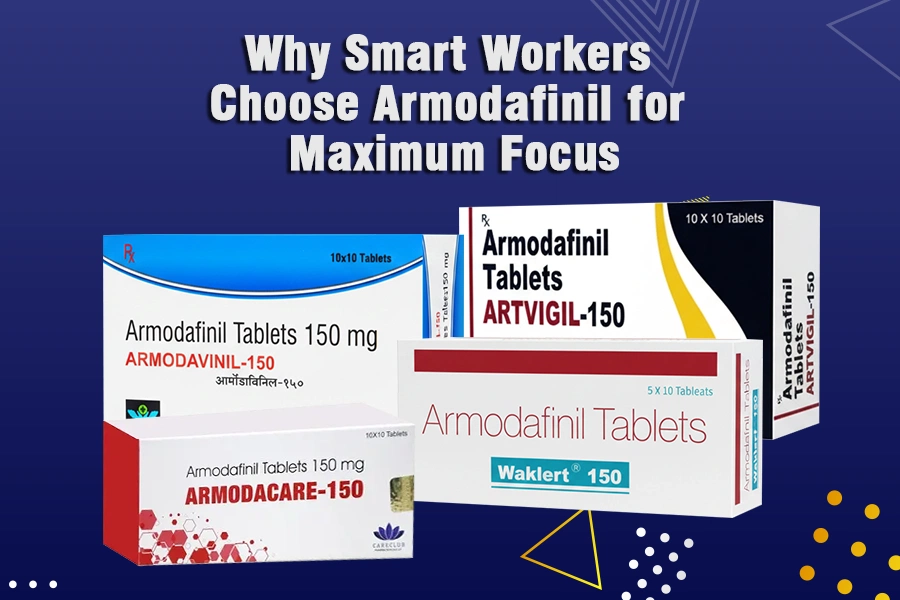
And then there are things further along the spectrum. Armodafinil is a wakefulness promoting agent that gets discussed a lot in high-performance and productivity circles. It’s a refined form of modafinil – same family, slightly different pharmacokinetics, typically longer-lasting. Some people in demanding cognitive jobs use Armodafinil because it doesn’t produce the same crashes as stimulants and seems to affect the dopamine and histamine systems in ways that improve sustained attention. It’s a prescription medication in the US and UK, not something you’d just grab off the shelf, and it’s worth having a serious conversation with a doctor before going anywhere near it. But it keeps coming up in neuroscience productivity conversations for a reason.
What Stress Does to Your Executive Function
Your prefrontal cortex – the part responsible for planning, decision-making, impulse control, all the stuff you need to actually be productive – is extremely sensitive to cortisol. Acute stress can temporarily impair it. Chronic stress can structurally change it. This is why work efficiency tanks when you’re overwhelmed. It’s not just that you’re distracted. Your brain is literally less capable of high-order thinking when it’s been marinating in stress hormones. There’s also the working memory angle – stress reduces working memory capacity, which means you can hold less information in mind at once, which makes complex tasks much harder.
The interventions that seem to actually move the needle: physiological sighing (a double inhale through the nose followed by a long exhale, which mechanically stimulates the vagus nerve and downregulates the stress response – yes, it sounds weird, yes it works pretty fast), regular meditation which has been shown to thicken the prefrontal cortex over time in committed practitioners, and exercise again, because apparently exercise fixes everything.
Focus Improvement Problem Nobody Talks About
Here’s something I didn’t fully understand for a long time: focus isn’t a resource you run out of like a battery. It’s more like a skill that degrades under certain conditions and recovers under others. The attention restoration theory, developed by Rachel and Stephen Kaplan, suggests that directed attention – the kind you use for work – has a limited capacity that depletes, but that exposure to natural environments (or even images of nature) allows it to restore. Which sounds soft until you realize it’s been replicated a bunch of times.
The more practical implication for focus improvement is that your breaks matter as much as your work periods. Spending your lunch break doom-scrolling Twitter keeps your directed attention depleted. Stepping outside for a short walk – even around the block – can meaningfully restore it. This is why the pomodoro technique exists and why it works better than just grinding through: it’s not about the timer, it’s about intentional restoration periods.
Deep work, as Cal Newport has articulated, is essentially a practice of training your attention back toward longer focus windows. Most people’s attention spans have been fragmented by constant connectivity. Biohacking for productivity often focuses on biochemistry when the behavioral piece – protecting sustained attention blocks – might be more impactful for most people.
Nutrition, Mental Energy, and Why Blood Sugar Is Doing Things to Your Afternoon
The 2-3 pm slump is real and it’s not just circadian. There’s a dietary component most people miss. Big glucose spikes from high-glycemic lunches – lots of refined carbs, fast-digesting stuff – cause subsequent crashes. These crashes reduce mental energy and increase fatigue. Continuous glucose monitors, which used to be diabetes-specific devices, have been adopted by a certain crowd of biohackers precisely to see how their specific meals affect their glucose curves.
You don’t need a CGM to apply the basic principles: more protein and fiber at lunch, fewer processed carbs, and eating slower. Even vinegar (apple cider vinegar in water, or just eating a salad with vinaigrette before your main meal) has been shown in research to blunt postprandial glucose spikes. The Jessie Inchauspé glucose research makes this accessible. It’s not dramatic but it’s real. Omega-3 fatty acids, particularly DHA, are probably the most evidence-backed dietary intervention for brain performance. DHA makes up a substantial portion of brain cell membranes and appears to influence the fluidity of synaptic transmission. Most people in Western diets are not getting enough from food. Fish oil or algae-based DHA supplements seem genuinely worth considering.
Using Pharmacology Carefully - The Biohacking Gray Zone
Some people in the biohacking for productivity space treat prescription medications as just another tool to optimize. Armodafinil comes up regularly in this context. So does microdosing. So do various peptides. And while I’m not here to moralize about what adults choose to do with their own brain chemistry, I think there’s a real failure in biohacking culture to talk honestly about the risk side.
Armodafinil, for example, has a solid safety profile compared to traditional stimulants, and some researchers think its mechanism through the orexin system is fundamentally different from amphetamine-based drugs. But “safer than X” isn’t the same as “without risk.” Interactions with other medications exist. Dependence patterns haven’t been as well-studied in long-term use. And the cognitive gains some people report may partly reflect shifting alertness rather than genuinely improving peak cognition.
The honest position is: healthy productivity habits – sleep, exercise, light exposure, stress management, diet – address the actual root causes of most productivity problems. Pharmacology, whether it’s Armodafinil or anything else, tends to address symptoms. Sometimes that’s the right call. But starting there instead of with the fundamentals is probably backwards.
What Neuroscience Actually Says About Peak Performance States
Peak performance states – what athletes call flow, what psychologists like Mihaly Csikszentmihalyi studied – have a neurological signature. They involve reduced activity in the default mode network (the part that generates self-referential thought and mental chatter) and heightened activity in task-positive networks.
Achieving this isn’t random. The conditions seem to be: a task at the right difficulty level (challenging but not overwhelming – the concept of “flow channel”), adequate skill, clear goals, and no interruptions for long enough to get into the state. There’s also evidence that certain brain states primed by prior exercise, or even by specific music (though this is individual-dependent), make flow more accessible.
Neuroscience productivity research has moved significantly toward understanding individual variation. What puts one person into peak performance kills another person’s focus. This is why the biohacking space, at its best, emphasizes self-tracking and experimentation rather than one-size prescriptions.
What I've Actually Kept Doing After Trying All of This
Honestly, the stuff that stuck: the morning light habit, delaying caffeine, protecting my 90-minute deep work block in the morning before checking anything, taking real outdoor breaks instead of phone breaks, and just – sleeping more. The supplement rabbit hole is real and expensive. Some things helped. Most things I’m no longer taking because I couldn’t attribute real changes to them. Biohacking for productivity sounds more complicated than it is. Most of it comes back to sleep, movement, light, food, and protecting your attention from a world that is specifically designed to fragment it.
The biohacking productivity space will try to sell you a lot of stuff. Some of it is legitimate science. A lot of it is just dressed-up wellness marketing. Learning to tell the difference is probably the most important skill you can develop in this space – and ironically, it requires exactly the kind of focused critical thinking that good sleep and low stress would give you for free.
FAQs
1. Does biohacking for productivity actually work or is it mostly hype?Â
Some of it – sleep, exercise, light exposure – is well-supported by research. A lot of the supplement and gadget side is genuinely overhyped.
2. Is Armodafinil safe to use for productivity?Â
It has a better safety profile than many stimulants, but it’s a prescription medication that should only be used under medical supervision.
3. What’s the single most impactful biohack for focus?Â
Fixing your sleep. Almost every other focus intervention works better when you’re well-rested.
4. Can diet really affect cognitive performance that much?Â
Yes – particularly blood sugar management and omega-3 intake. The effect isn’t subtle once you pay attention to it.