Which Is Stronger: Waklert or Modalert?
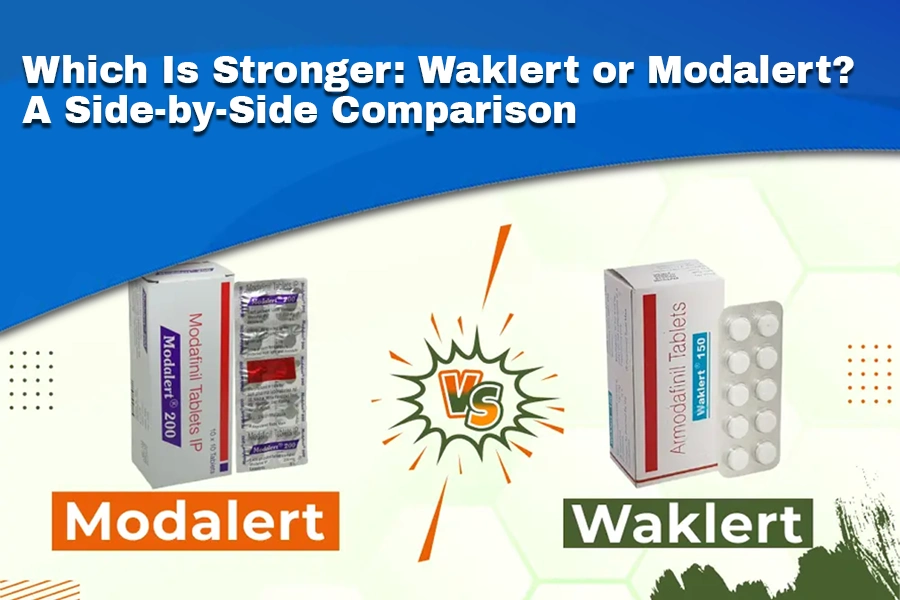
People who use wakefulness promoting drugs, whether for medical reasons (narcolepsy, shift-work sleep disorder, residual sleepiness from OSA) or off-label “productivity” reasons, often ask the same question: Which is stronger, Waklert or Modalert?

In plain terms, that’s asking how armodafinil (Waklert) compares with modafinil (Modalert) for wakefulness, duration, side effects, and real-world usefulness. This long form guide walks through the chemistry, pharmacology, dosing, effects, safety, and practical choice points, and finishes with FAQs and a references section so you can read the original studies.
-

Modavinil 200mg
Price range: $69.00 through $395.00 -
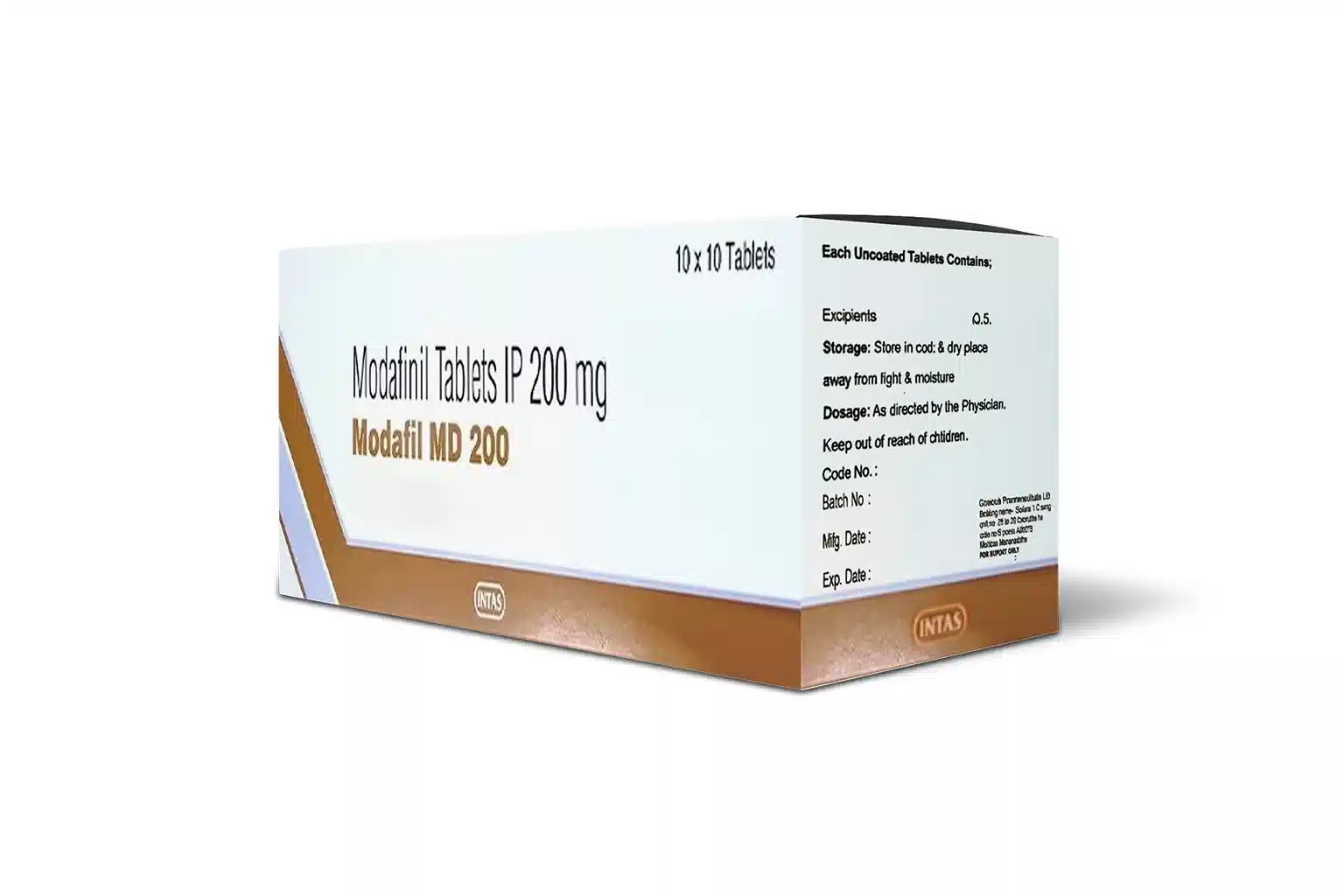
Modafil Md 200 mg
Price range: $69.00 through $345.00 -
Modvigil 200mg
Price range: $65.00 through $395.00 -
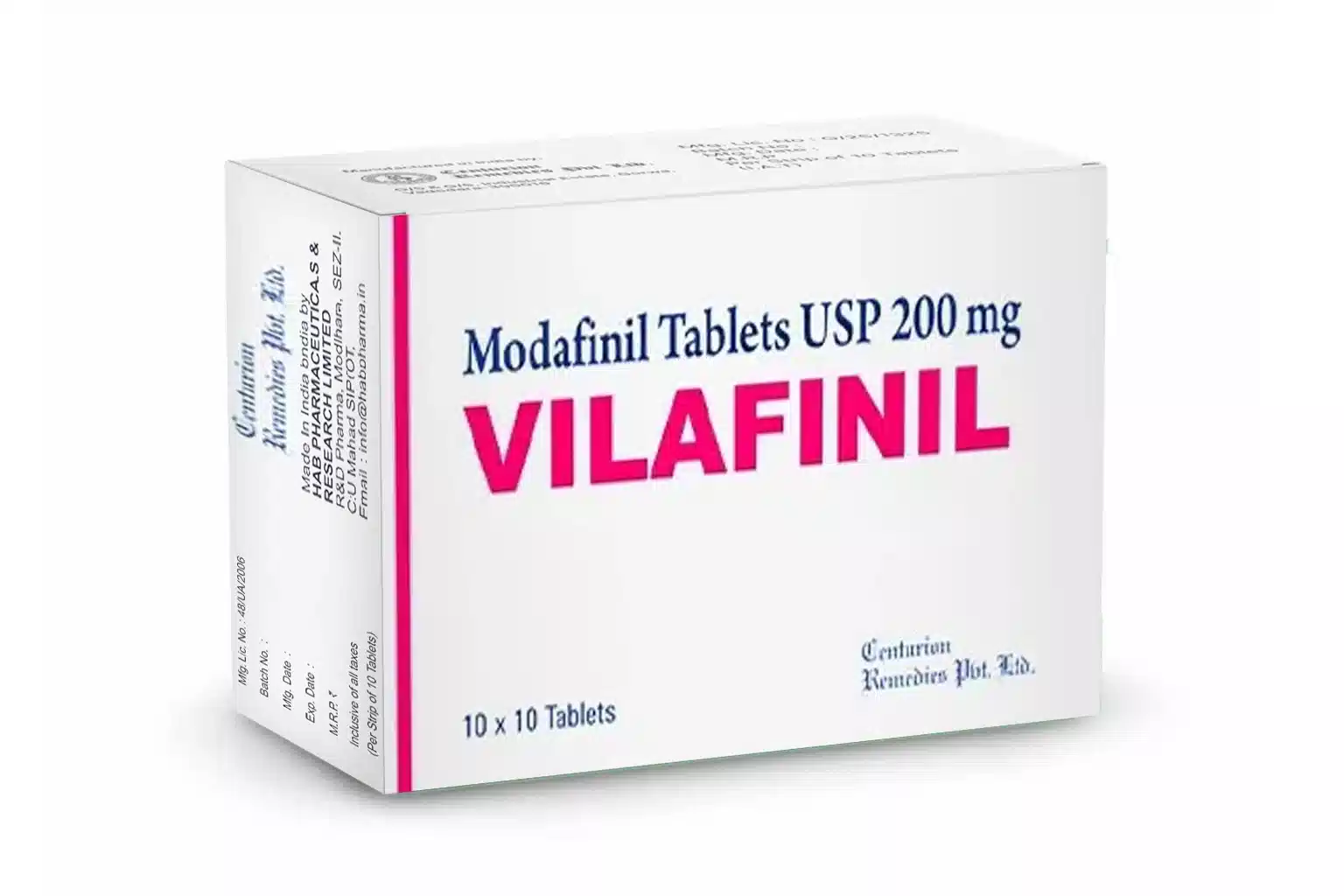
Vilafinil 200 mg
Price range: $69.00 through $395.00 -
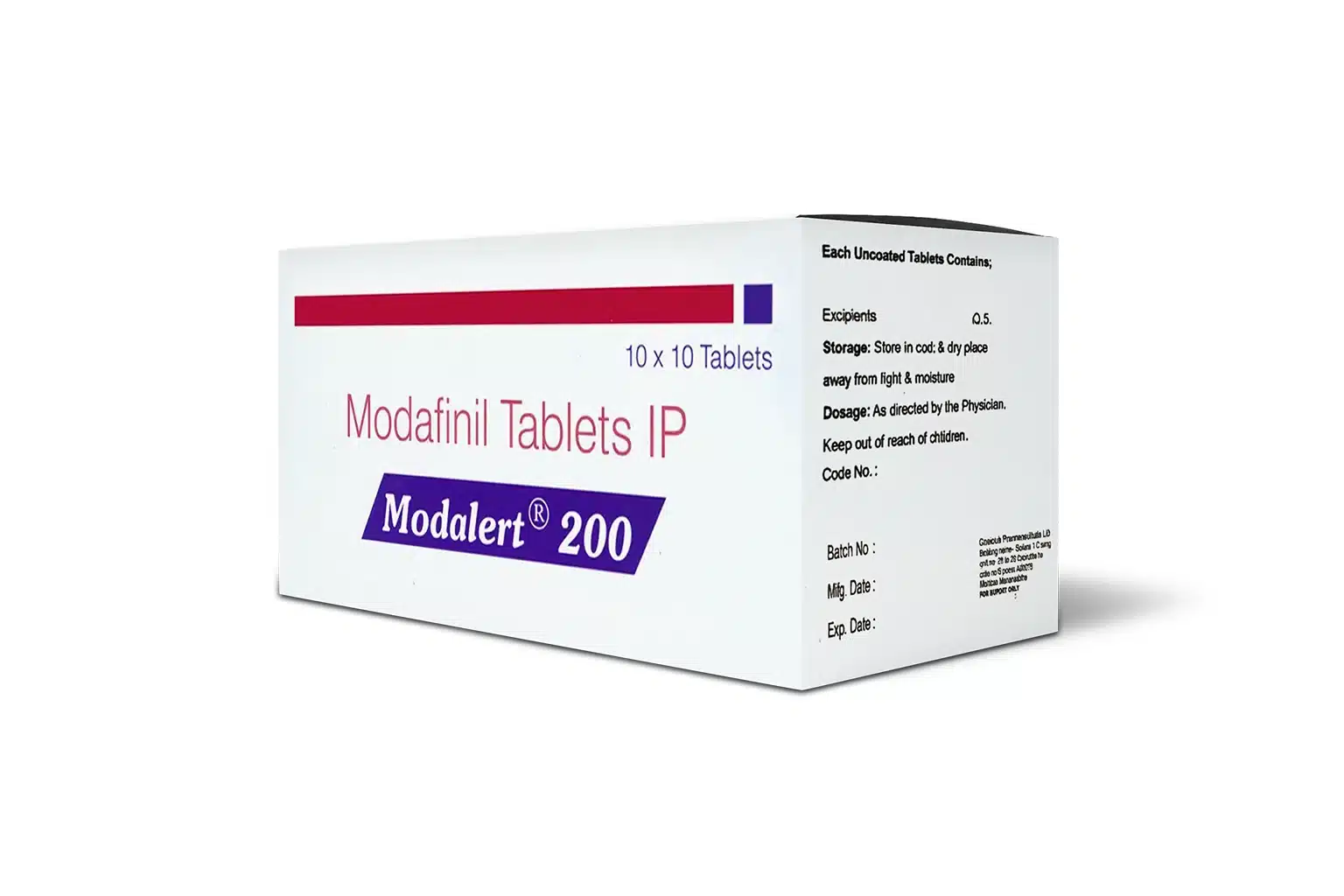
Modalert 200 mg
Price range: $69.00 through $449.00 -
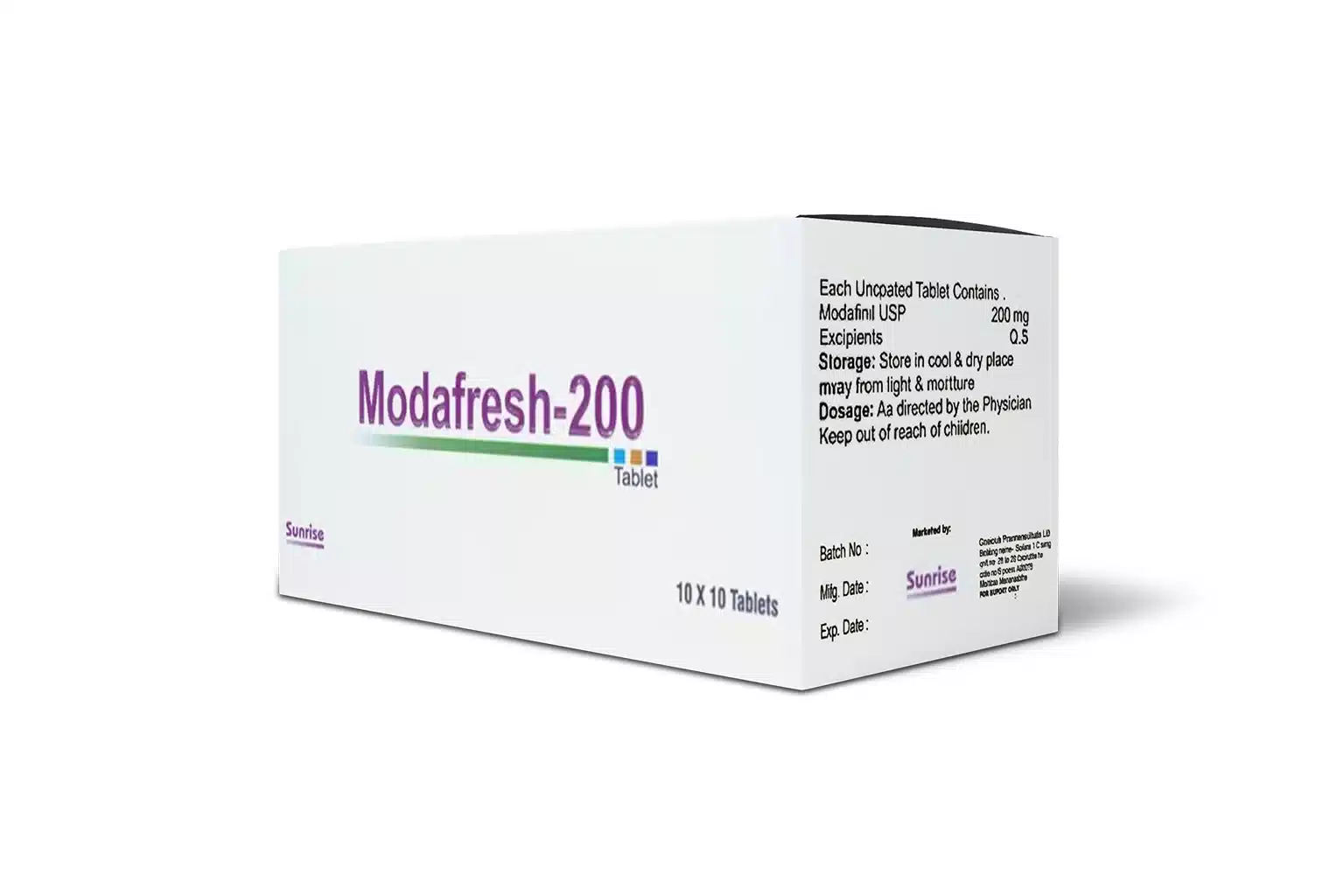
Modafresh 200 mg
Price range: $65.00 through $329.00


Chemistry & pharmacology: why R-enantiomer matters
Modafinil is a chiral molecule — it exists as two enantiomers (R and S). When modafinil (the racemate) is taken, the body handles each enantiomer differently. Armodafinil contains only the R-enantiomer, which is cleared more slowly and produces higher late-day plasma concentrations for the same morning dose. Pharmacokinetic analyses and clinical pharmacology studies show that armodafinil maintains measurable active drug levels later in the day, which may translate into a longer duration of effect.
Clinical implication: if you need wakefulness coverage late into a long shift or late afternoon, armodafinil may provide steadier coverage per milligram than the same dose of racemic modafinil. That’s not universal — some people feel similar effects from either drug — but it’s why clinicians sometimes choose armodafinil for shift workers or when “late-day dips” are a problem.
Onset, duration, and perceived potency
- Onset: both drugs usually start to increase alertness within 30–90 minutes after an oral dose. Individual variability is large.
- Duration: modafinil’s effective half-life and apparent steady state tend to give solid daytime wakefulness; armodafinil’s R-enantiomer may sustain blood levels later into the day and reduce late-day sleepiness in some patients. Multiple pharmacokinetic analyses support this later coverage for armodafinil.
- Perceived potency: on a milligram-for-milligram basis, many users describe armodafinil as “stronger” or longer-lasting (i.e., a smaller dose of armodafinil can match a larger modafinil dose for certain outcomes). But labeled recommended doses differ (e.g., modafinil commonly 200 mg; armodafinil often 150–250 mg), so potency must be interpreted by clinical effect rather than tablet size.
Clinical efficacy: what controlled studies show
Randomized trials for narcolepsy and other approved indications show both drugs improve wakefulness and reduce excessive daytime sleepiness versus placebo. Head-to-head pharmacokinetic analyses (and some comparative studies) indicate armodafinil may provide better wakefulness later in the day, but overall daytime benefit is similar for many outcomes. In practice, the choice is influenced by dosing convenience, cost, availability, and individual response.
Side effects and safety
Both drugs share a similar adverse-event profile: headache, nausea, insomnia, nervousness, dry mouth, decreased appetite and, rarely, serious skin reactions (including Stevens-Johnson syndrome). Because they are chemically related, cross-sensitivity can occur; those with hypersensitivity to one should avoid the other. The serious but rare safety signals are emphasized in the FDA prescribing information for both Provigil (modafinil) and Nuvigil (armodafinil). Always read the label and speak with your clinician about risks and drug interactions.
Key safety notes:
- Severe rashes or allergic reactions are rare but potentially life-threatening — stop and seek urgent care if you develop a rash with blisters or mucous membrane involvement.
- Drug interactions: both can induce liver enzymes and affect hormonal contraception and some immunosuppressants or anticoagulants; check drug-interaction lists before starting.

Dosing differences and brand names
- Modalert (commonly the Sun Pharma brand) is typically supplied as 100 mg or 200 mg tablets; the typical adult dose for narcolepsy or OSA-related sleepiness is 200 mg once daily, though prescribing varies.
- Waklert (armodafinil generics include 150 mg or 50 mg formulations, depending on the manufacturer; brand Nuvigil’s FDA-recommended range is 150–250 mg once daily for many indications) — many clinicians start armodafinil at 150 mg for narcolepsy/OSA and adjust as needed.
Because armodafinil is the R-enantiomer, dose equivalence is not 1:1 by milligram — e.g., 150 mg armodafinil may feel comparable to 200 mg modafinil for some people. That’s why clinicians titrate by effect and tolerability rather than tablet size alone.
Availability, cost, and “brand vs generic” realities
- In the U.S., the original brands (Provigil, Nuvigil) have been widely marketed; generics are available for modafinil and, increasingly, for armodafinil. Regulatory approvals differ by country.
- Worldwide: popular generic brands (e.g., Modalert) are manufactured by companies in India and other countries and are commonly used where they are legal and available. Price, quality control, and regulatory oversight vary by manufacturer and supplier, so purchase and use should be coordinated with a licensed prescriber and a reputable pharmacy.
Off-label “smart drug” use
Both drugs are used off-label as cognitive enhancers by healthy people seeking improved attention, focus, or productivity. Studies and prescribing-data analyses show substantial off-label use of modafinil, and modafinil is frequently discussed in the “smart drugs” literature. Off-label prescribing is common, but it carries medical, legal and ethical considerations — and long-term safety for non-medical cognitive enhancement is not well established. If you’re considering off-label use, talk to a clinician and be aware of local regulations.
Which one is stronger
- If you want later-day coverage (e.g., long work shifts or persistent late-afternoon sleepiness): many clinicians and pharmacokinetic data favour armodafinil (Waklert) because of higher late-day plasma concentrations.
- If you want the most established, widely prescribed option, modafinil (Modalert/Provigil) has a longer market history and large evidence base; it’s often the first choice for many clinicians.
- If side effects or individual response matter most, trial and error under medical supervision is common — some people tolerate one drug better than the other. Monitor sleep, mood, appetite, and skin.
- If cost/availability is the deciding factor, generics vary; pick a reputable source and prescribe under a doctor’s supervision.
So: “Stronger” depends on what you mean. For late-day endurance, armodafinil commonly edges ahead; for overall, well-documented use, modafinil remains a mainstay. The clinical labels and pharmacokinetic studies are the best objective guides.
Practical tips for safe use
- Always get a prescription and baseline evaluation — check blood pressure, liver function, and relevant medications. Don’t self-medicate.
- Start low and titrate under clinician guidance. Watch for insomnia; avoid taking it late in the day if you have trouble sleeping.
- Watch for drug interactions (esp. hormonal contraceptives, some anticonvulsants, immunosuppressants). Consult a pharmacist.
- If you develop a rash or severe allergic symptoms, stop immediately and seek urgent care.
- Keep realistic expectations: these drugs improve wakefulness and may modestly affect attention for some users but are not “magic focus pills.” Lifestyle measures (sleep hygiene, exercise, diet) remain critical.
Bottom line
In a head-to-head sense, armodafinil (Waklert) often provides more sustained plasma levels and can feel stronger or longer-lasting later in the day for many users, while modafinil (Modalert) is a time-tested, broadly used option with a large evidence base. The choice should be driven by clinical indication, dosing convenience, side-effect profile, and individual response, and always made with medical oversight
FAQs
Q: Is Waklert just a stronger Modalert?
A: Not exactly. Waklert (armodafinil) is the R-enantiomer of modafinil and tends to sustain blood levels later in the day, so it can feel stronger or longer lasting at lower milligrams for some users. Strength is context-dependent.
Q: Can I take Modalert and Waklert together to get a more effective result?
A: No. Combining them is not recommended. They are closely related and combining increases risk of side effects without clear benefit. Always follow a prescriber’s advice.
Q: Which causes more side effects?
A: Both share similar side-effect profiles. Individual tolerability differs; severe reactions (e.g., serious rashes) are rare but possible with either drug.
Q: Are they addictive?
A: Both are Schedule IV in many countries (controlled), indicating some abuse potential, but dependence is less common than with classic stimulants. Still, misuse carries risks.
Q: Which should I choose for shift work?
A: Armodafinil can be advantageous for shift workers who need steady late-shift alertness — but the decision should be individualized.
References
- Darwish M, Kirby M, Hellriegel ET, Robertson P. Armodafinil and modafinil have substantially different pharmacokinetic profiles despite similar half-lives. Clin Pharmacol Ther. 2009. PubMed
- Tembe DV, et al. Armodafinil versus Modafinil in Patients of Excessive Daytime Sleepiness: Clinical and PK comparisons. PMC. 2011. PMC
- NUVIGIL(armodafinil) prescribing information — FDA label. (DailyMed / FDA). FDA Access Data
- PROVIGIL (modafinil) prescribing information — FDA label. (accessdata.fda.gov). FDA Access Data
- Kuan YC, et al. Effects of Modafinil and Armodafinil in Patients With [relevant trial]. (Pharmacology/clinical comparison review). 2016. sciencedirect.com
- Peñaloza RA, et al. Trends in On-Label and Off-Label Modafinil Use in a Nationally Representative Sample. JAMA Intern Med. 2013 (off-label prevalence). JAMA Network
- StatPearls: Modafinil (overview of mechanism, indications, safety). NCBI Bookshelf. 2023. NCBI