How to Stay Focused When You’re Mentally Exhausted

-

Modavinil 200mg (Modafinil)
Price range: $69.00 through $395.00 -
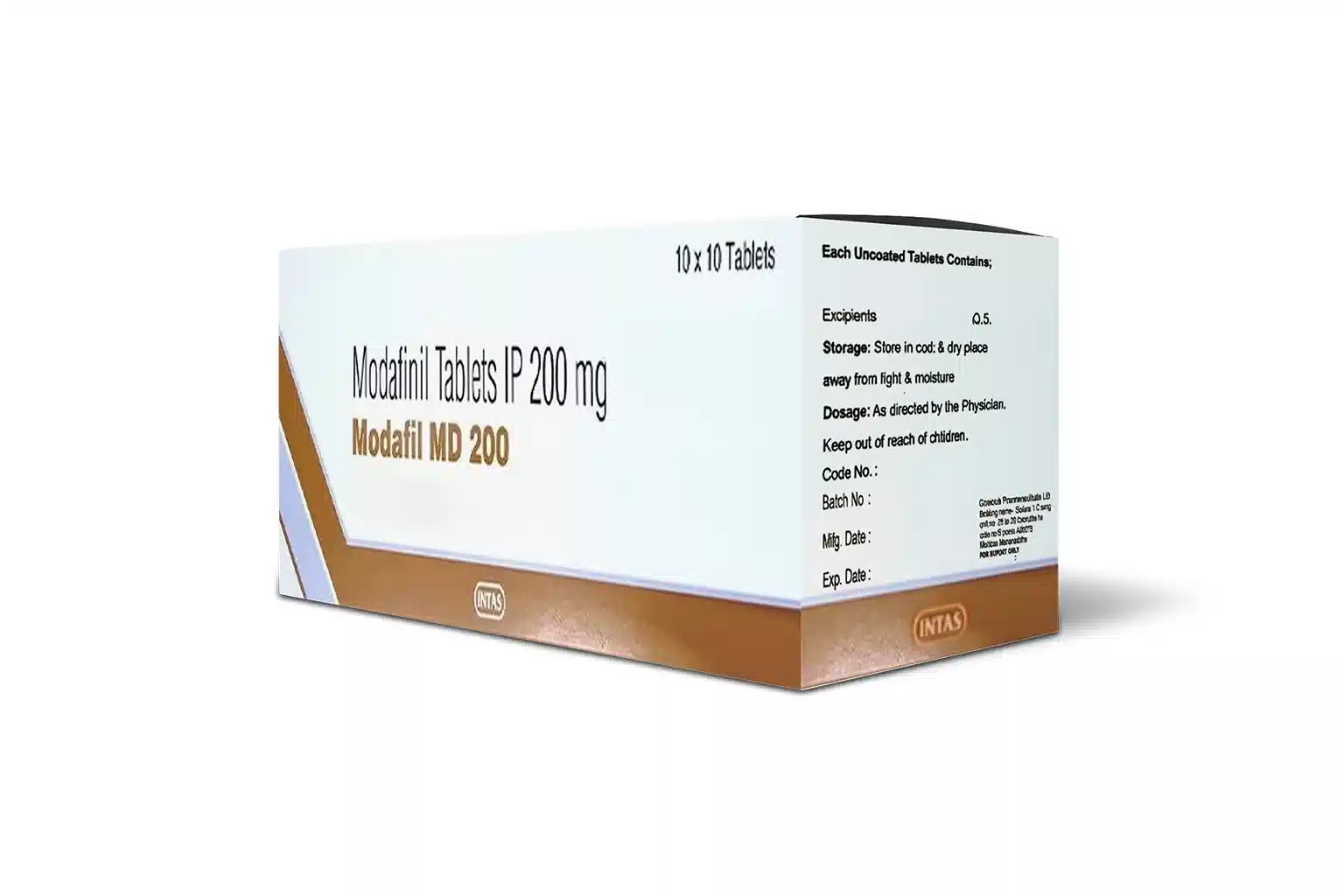
Modafil Md 200 mg (Modafinil)
Price range: $69.00 through $345.00 -
Modvigil 200mg (Modafinil)
Price range: $65.00 through $395.00 -
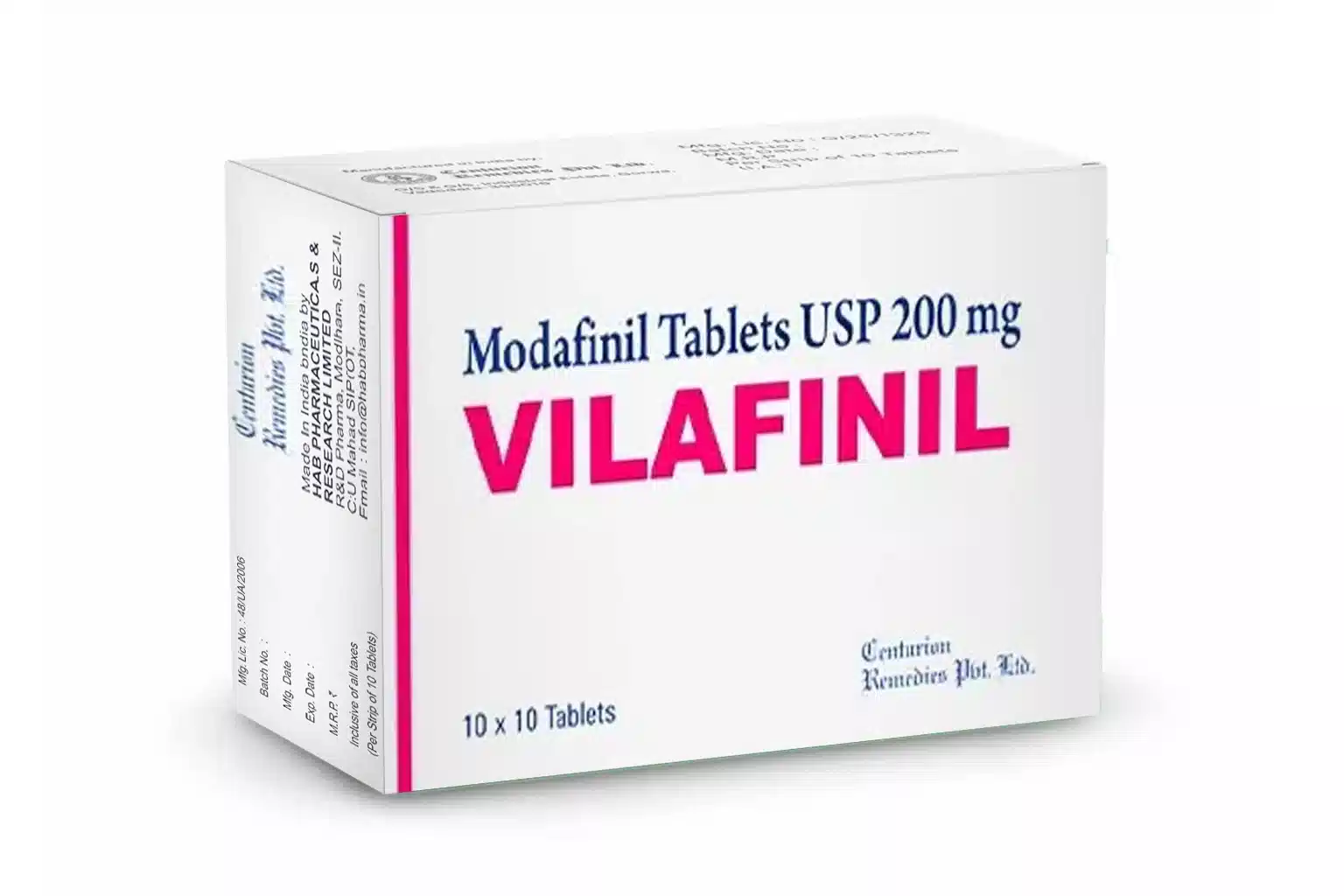
Vilafinil 200 mg (Modafinil)
Price range: $69.00 through $395.00 -
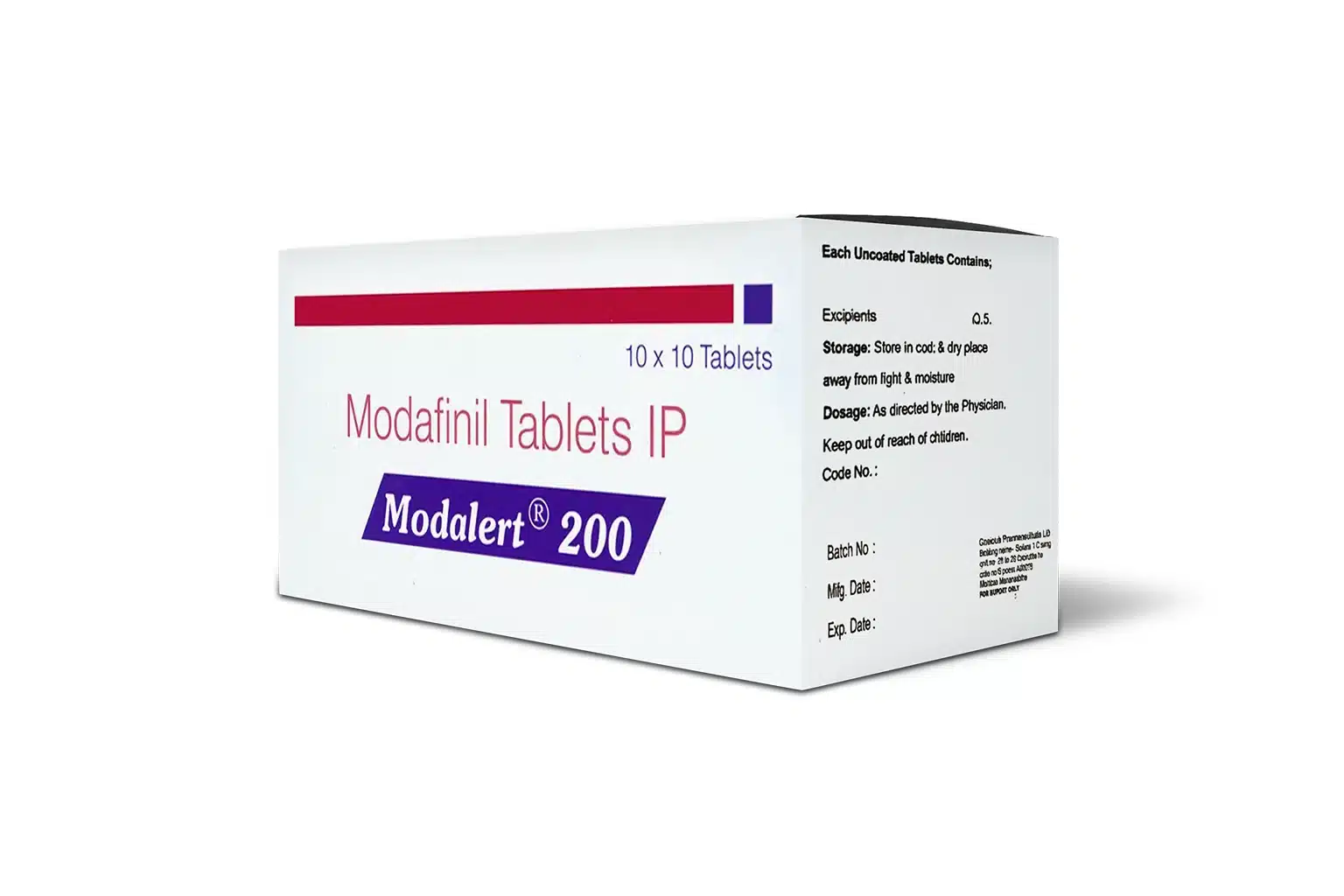
Modalert 200 mg (Modafinil)
Price range: $69.00 through $449.00 -
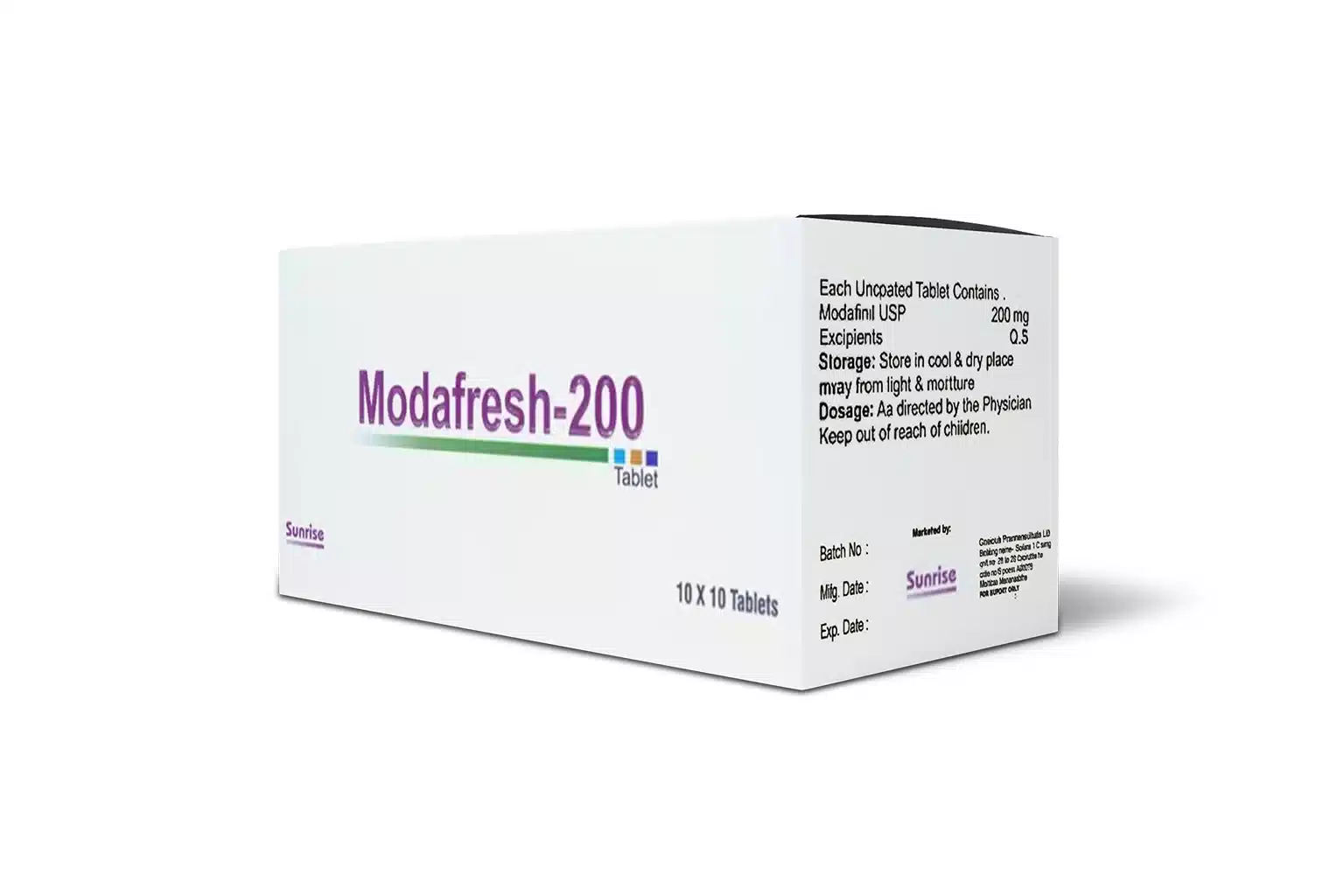
Modafresh 200 mg (Modafinil)
Price range: $65.00 through $329.00


Laboratory studies show that even one night of sleep loss impairs core cognitive processes, attention, reaction time, and executive function, increasing mistakes and lowering productivity. That’s why your working memory collapses after a rough night: the prefrontal brain networks that support focus are particularly sensitive to sleep debt.
What to do right now when you feel mentally exhausted
When you’re in the middle of the day and your concentration tanks, try this short, prioritized checklist (takes 5–20 minutes):
- Hydrate immediately. Mild dehydration slows processing speed and focus. Drink a full glass of water first.
- Stand up and move for 3–10 minutes. Light activity (walking, gentle stretches) boosts blood flow to the brain and often sharpens attention quickly. Even 5 minutes helps.
- Use a short focused sprint (10–25 minutes). Work in a predefined chunk (Pomodoro-style) on one single, clearly defined task. Set a timer and commit to single-tasking for that short window. Many studies and experts show that brief, concentrated work blocks with breaks maintain attention better than long, uninterrupted sessions.
- If you drink caffeine, use it wisely. A moderate dose can temporarily boost alertness (but avoid chasing the crash). Aim for a single, reasonable dose (consult guidelines before exceeding recommended amounts). If it’s late in the day, skip it; otherwise, it can wreck your next night’s sleep.
- Drop low-value tasks. When fatigued, do the most important thing. Cut or delegate the rest. Conserving decision energy is part of beating mental fatigue.
These steps are triage; they don’t cure chronic exhaustion, but they reliably buy you a chunk of usable focus right away.

Techniques that reliably improve concentration when tired
1. Work in short, intentional sprints
Pick a single task and work in short bursts (10–25 minutes), then rest 5–15 minutes. The brain’s sustained-attention window is limited; micro-bursts preserve willpower and reduce errors. Experiment to find your optimal sprint length.
2. Reduce friction and decision load
Create an “activation ritual”: a fixed playlist, one notebook for quick notes, or an app that immediately opens the work document. Automate tiny decisions (clothes, breakfast, email sorting) so your tired brain spends less energy on low-return choices. Harvard experts also recommend simplifying tasks and prioritizing ruthlessly when energy is low.
3. Use movement strategically
Short, regular movement breaks (standing, walking, light cardio) increase arousal and cognitive performance. If you can, alternate sitting work with standing or a brisk 5–10 minute walk every 60–90 minutes.
4. Prioritize high-executive tasks for your high-energy windows
Match task difficulty to your energy curve. Do creative, decision-heavy work when you’re freshest; save routine, mechanical tasks for the low-energy periods. This planning reduces time spent flailing and increases overall output.
5. Clear sensory clutter
Reduce notifications, close extra tabs, and create a minimal visual field. Cognitive overload from multi-stimulus environments worsens brain fog; a calmer environment helps the tired brain focus on one channel of information.

Lifestyle changes that rebuild concentration over weeks
If your concentration problems are recurring, adopt these science-backed habits:
Sleep first
Aim for consistent 7–9 hours nightly. Sleep restores neural functioning and clears metabolic byproducts from the brain; chronic sleep debt worsens attention, memory, mood, and metabolic health. Prioritize sleep timing and hygiene (no heavy screens before bed, consistent wake time).
Eat to sustain steady energy
Prefer balanced meals: protein + fiber-rich carbs + healthy fats. Avoid high-sugar breakfasts that cause crashes. Certain dietary patterns (Mediterranean-style) support brain health and concentration over the long term.
Move regularly
Aerobic exercise improves blood flow, mood, and executive function. Aim for at least 150 minutes per week of moderate activity; even short daily sessions help.
Hydration and micronutrients
Chronic mild dehydration and deficiencies (vitamin D, B12, iron, omega-3s) can contribute to brain fog. If symptoms persist, check with your clinician and consider labs before starting supplements.
Manage stress and downtime
Mental exhaustion often comes from chronic stress and cognitive overload. Build restful rituals: a short daily mindfulness practice, scheduled low-tech breaks, and real downtime that’s not “productive” but restorative. HBR and Harvard experts recommend trimming obligations and reprioritizing when fatigue is chronic.
Smart caffeine and naps
- Caffeine: Can temporarily boost alertness and focus, but may cause rebound tiredness or sleep interference. Keep doses moderate and avoid late-day use.
- Power naps: A 10–20 minute nap can restore alertness without sleep inertia; longer naps (60–90 minutes) may provide deeper restoration but risk grogginess and will disrupt night sleep for some people. Use naps strategically, not as a nightly substitute for sleep.
Supplements and “brain boosters”
Some people try supplements (omega-3s, magnesium, vitamin D, B vitamins, adaptogens like Rhodiola) to relieve brain fog. There is some evidence these can help if you’re deficient or in specific contexts, but they are not a replacement for sleep, movement, and good nutrition. Always consult a healthcare provider before starting supplements, especially if you take medications or have chronic conditions.
When brain fog is more than exhaustion
Talk to a doctor if your concentration problems are severe, sudden, or accompanied by:
- Memory loss that interferes with daily life
- New mood changes, severe anxiety, or depression
- Persistent sleep problems despite good routines
- Symptoms after starting a new medication
- Other physical symptoms (weight loss, fever, neurological signs)
Brain fog can be a symptom of conditions that need treatment (thyroid disorders, vitamin deficiencies, infections, long COVID, medication effects). Don’t self-diagnose chronic problems.
A 1-Day action plan to test these strategies
Morning
- Hydrate and have a protein-rich breakfast.
- 25-minute focused sprint on top priority.
- Short walk.
Midday
- Light lunch that balances carbs and protein.
- 10-minute power nap or 15-minute walk if sleepy.
- Single-task work block.
Afternoon
- Another short sprint, then a 15-minute break with movement or non-screen rest.
- If using caffeine, have it early in the afternoon only.
- Plan tomorrow’s 3 most important tasks to reduce evening rumination.
Evening
- Stop screens 60 minutes before bed if possible.
- Wind down with relaxing activities (reading, gentle stretching, journaling).
- Aim for consistent sleep time.
Repeat for several days, adjust sprint lengths and breaks to your rhythm, and you’ll likely notice better focus and fewer crashes.
Quick checklist
- Drink a full glass of water now.
- Move for 3–10 minutes.
- Set a 15–25 minute timer. Work on one task only.
- After sprint: 5–15 minute break (no screens if possible).
- If needed, a short nap (10–20 minutes) or one moderate caffeine dose (early afternoon).
- Tonight: aim for a consistent bedtime.
FAQs
Q1: How do I stay focused when tired but still have to meet a deadline?
A: Use rescue triage: hydrate, move for 5 minutes, do a 15–25 minute focused sprint on the one thing that will move the deadline forward, then rest. Delegate or postpone non-essential tasks. Avoid multitasking; it’s slower when you’re tired.
Q2: Will coffee fix my brain fog?
A: Coffee helps short-term alertness, but it doesn’t restore the underlying cause (sleep debt, stress, poor nutrition). Use caffeine as a tactical boost, not a long-term solution; watch timing and dose.
Q3: Is brain fog the same as depression or anxiety?
A: They can overlap. Depression and anxiety both reduce concentration and energy. If mood symptoms accompany your brain fog (loss of pleasure, persistent sadness, panic), seek medical advice.
Q4: Are supplements worth it?
A: If you have confirmed deficiencies (B12, vitamin D, iron), supplements can help. Otherwise, focus on sleep, diet, exercise, and hydration first. Discuss with a clinician before starting any supplement regimen.
Q5: How quickly will these changes help?
A: Immediate tactics (hydration, movement, sprints) can improve focus within minutes to hours. Lifestyle changes (sleep regularity, diet, exercise) usually show benefits within a few days to weeks. Chronic issues may take longer and need medical evaluation.
References
- Harvard Health Publishing – 4 ways to improve focus and memory. Harvard Health
- García A., et al. (2021) – Sleep deprivation effects on basic cognitive processes. PMC (PubMed Central). PMC
- Harvard Health Publishing – Tips to improve concentration; Focus on concentration. Harvard Health
- Khan MA., et al. (2023) – Consequences of sleep deprivation on cognitive performance. PMC (review). PMC
- Harvard Business Review – How to Keep Mental Fatigue at Bay. (Practical tips on prioritization and pacing.) Harvard Business Review
- EatingWell – 5 Things to Do at Breakfast to Help Your Brain Stay Sharp Throughout the Day. EatingWell
- 5 Supplements for Managing Brain Fog. (Context and caveats.) Health