Why hypocretin matters: research shows that many people with type 1 narcolepsy have a deficiency of hypocretin, a brain chemical that helps sustain wakefulness. This deficiency is thought to result from autoimmune or other destructive processes affecting the hypothalamus. Understanding this mechanism helps explain symptoms and guides research into future disease-modifying therapies.
Common narcolepsy symptoms
Narcolepsy symptoms vary between people, but these are the classic features clinicians ask about:
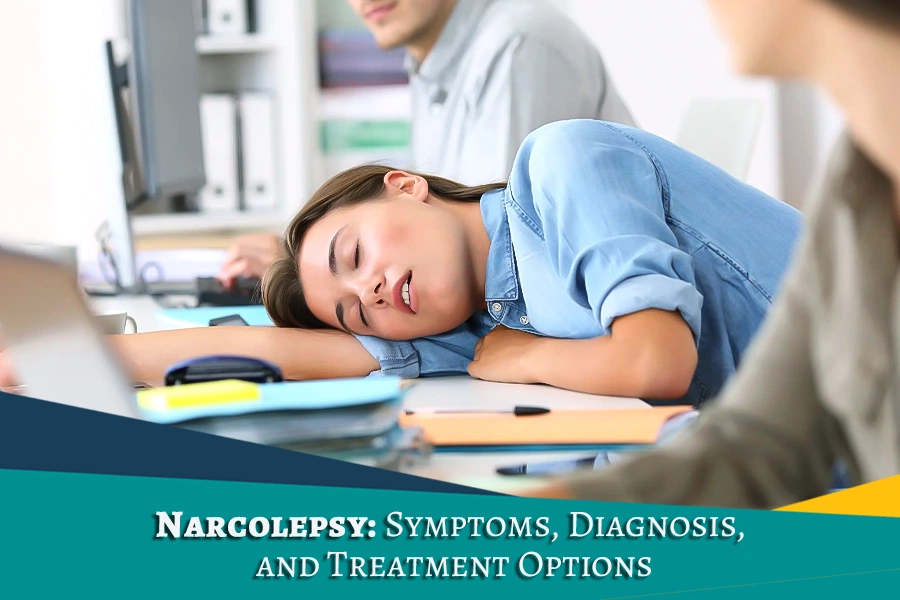
- Excessive daytime sleepiness (EDS): Persistent daytime drowsiness and an overwhelming need to nap, even after a full night’s sleep. People often describe “sleep attacks” as brief, irresistible episodes of sleep that can occur during any activity.
- Cataplexy: Sudden loss of muscle tone ranging from mild (jaw sagging, weakness in the knees) to complete collapse, usually triggered by strong emotions like laughter, surprise, or anger. Cataplexy is highly specific for narcolepsy type 1.
- Sleep paralysis: Temporary inability to move or speak when falling asleep or waking. These episodes are frightening but usually brief.
- Hypnagogic/hypnopompic hallucinations: Vivid, often frightening dream-like images that occur at sleep onset (hypnagogic) or upon waking (hypnopompic).
- Fragmented nighttime sleep: Despite daytime sleepiness, people with narcolepsy often experience disrupted, nonrestorative sleep at night.
Because these symptoms overlap with other conditions (sleep apnea, depression, medication effects), a careful sleep history and objective testing are essential for an accurate diagnosis.

How narcolepsy is diagnosed
Diagnosing narcolepsy typically follows a stepwise process led by a sleep medicine specialist:
- Detailed history and symptom questionnaire: Clinicians ask about daytime sleepiness (how long and how often), cataplexy-like events, hallucinations, sleep paralysis, medication use, and other medical or psychiatric conditions.
- Overnight polysomnography (PSG): This in-lab sleep study records brain waves, breathing, oxygen levels, and muscle activity to rule out other sleep disorders such as obstructive sleep apnea and to confirm adequate overnight sleep before daytime testing. PSG is usually performed the night before the next test.
- Multiple Sleep Latency Test (MSLT): The MSLT is the gold standard objective test for narcolepsy. Conducted the day after PSG, it measures how quickly a person falls asleep in standardized nap opportunities and whether they enter rapid eye movement (REM) sleep shortly after sleep onset. Short sleep latencies (falling asleep quickly) and two or more sleep-onset REM periods support narcolepsy. The MSLT requires that the patient has had adequate prior sleep and that any medications affecting sleep are withheld under a physician’s supervision.
- Cerebrospinal fluid (CSF) hypocretin testing: In select cases, especially when the diagnosis is uncertain or when cataplexy is present, measuring hypocretin-1 levels in CSF can help; very low levels are diagnostic of narcolepsy type 1. Because this requires a lumbar puncture, it’s not routine for every patient.
- Additional tests: Blood work, psychiatric evaluation, or imaging may be performed to exclude other causes. A careful medication review is crucial because many drugs can mimic or mask narcolepsy symptoms.

Timely diagnosis matters; narcolepsy is often underrecognized, and many patients wait years before receiving a correct diagnosis. Early identification improves safety (e.g., driving recommendations), functioning, and quality of life.
Treatment goals and general approach
There is no cure for narcolepsy yet, but treatment aims to:
- Reduce excessive daytime sleepiness (EDS)
- Decrease frequency and severity of cataplexy and related REM-sleep phenomena (hallucinations, sleep paralysis)
- Improve overall daily functioning and safety
Treatment blends medication, behavioral strategies, and education/support. Which combination is best depends on the type of narcolepsy, symptom severity, age, comorbid conditions, and personal preferences.
Medications used to treat narcolepsy
A range of medications can be used depending on whether the priority is treating daytime sleepiness, cataplexy, or both. Major categories include:
1. Wakefulness-promoting agents
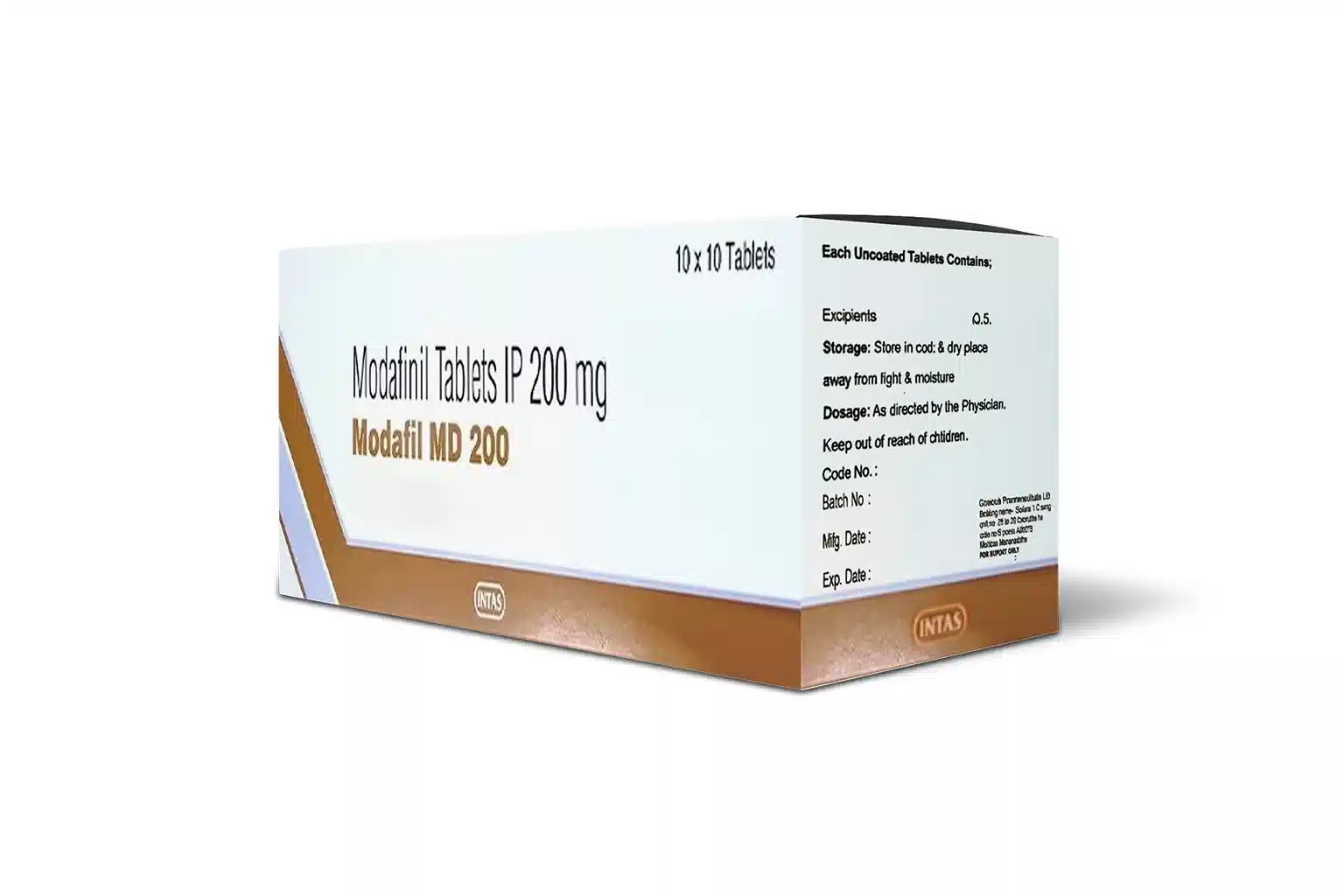
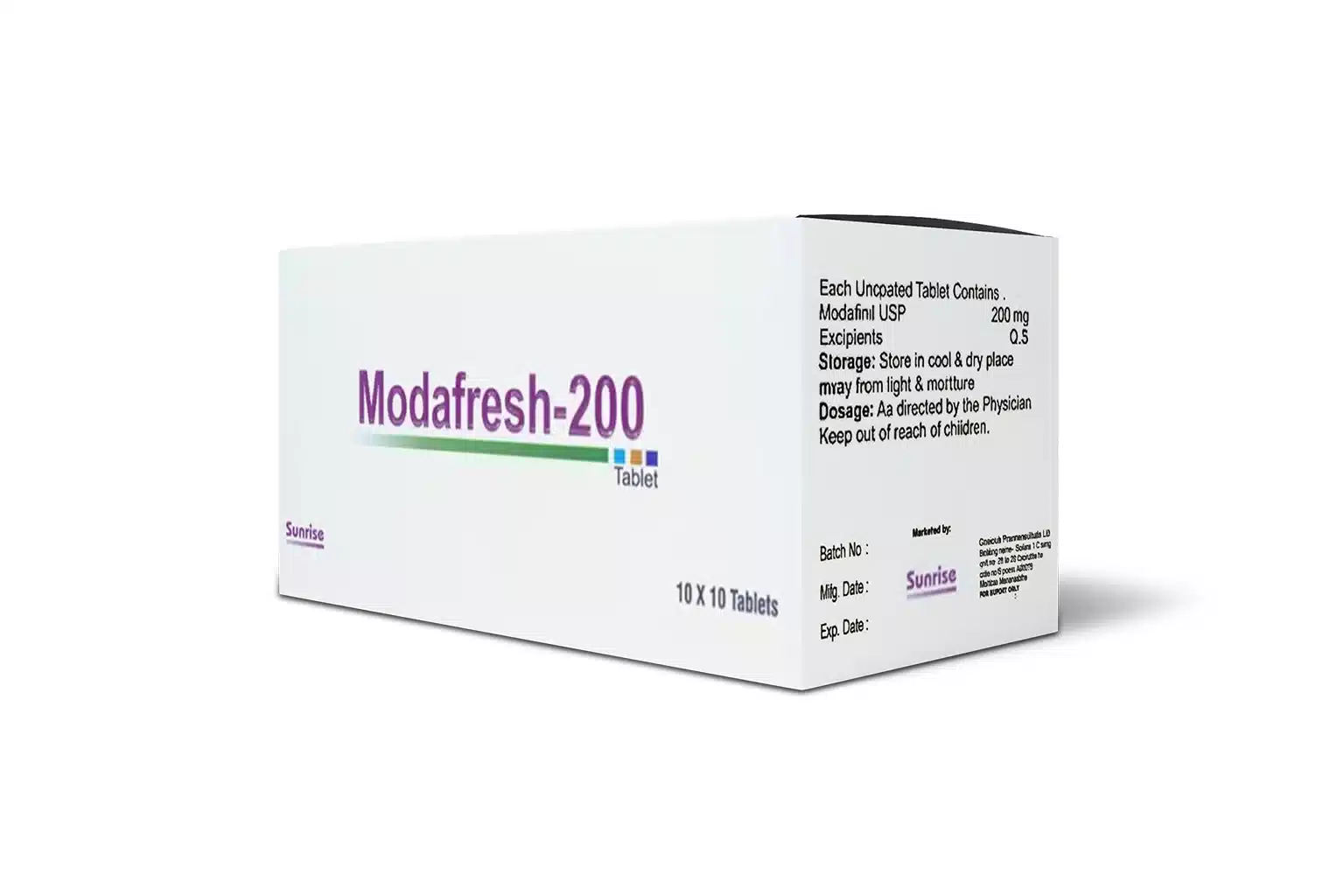
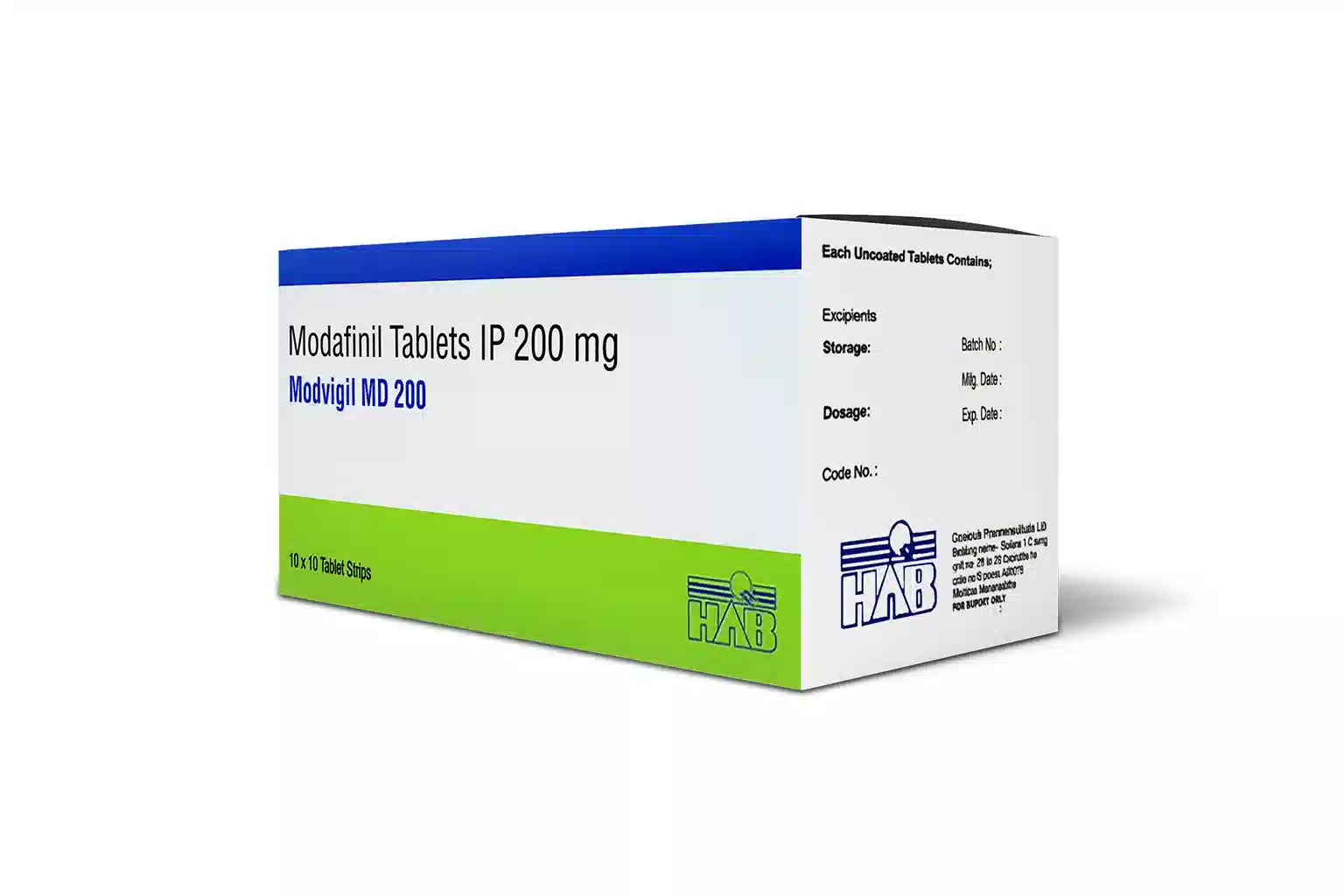
- Modafinil (and armodafinil): Modafinil is commonly prescribed to reduce EDS. It promotes wakefulness with a lower abuse potential than classical stimulants. Typical adult dosing for narcolepsy is around 200 mg once daily in the morning, though doses are individualized. Modafinil can improve daytime vigilance and functioning but may not adequately treat cataplexy. Side effects include headache, insomnia, anxiety, and, rarely, severe skin reactions or psychiatric symptoms, so monitoring is important. (FDA labeling supports modafinil’s use for narcolepsy.)
- Armodafinil: A closely related medication (the R-enantiomer of modafinil) used similarly for EDS and sometimes preferred for different pharmacokinetics.
- Newer agents (e.g., solriamfetol): Other wakefulness promoters that act via different neurotransmitter systems are approved for EDS and may be options when modafinil isn’t effective or tolerated. (Discuss with your sleep clinician.)
2. Anti-cataplexy and REM-suppressing medications
- Sodium oxybate (Xyrem, Xywav, Lumryz, etc.): Sodium oxybate taken at night can markedly reduce cataplexy and improve nighttime sleep consolidation, which often lessens daytime sleepiness. It is among the most effective treatments for cataplexy and EDS, but it is tightly regulated due to risks (sedation, respiratory depression, misuse). New formulations and approvals (e.g., once-night dosing options) have expanded access for certain age groups. Sodium oxybate is typically reserved for patients with moderate-to-severe cataplexy or when other treatments fail.
- Antidepressants (SSRIs, SNRIs, tricyclics): Certain antidepressants and monoamine reuptake inhibitors (for example, venlafaxine or fluoxetine) reduce cataplexy by suppressing REM sleep and lowering the likelihood of REM-associated phenomena. These can be an option when sodium oxybate is unsuitable.
3. Traditional stimulants
- Methylphenidate and amphetamine derivatives have been used for EDS when others are insufficient; they are effective but carry higher risks of dependence, cardiovascular side effects, and sleep disruption. Modern practice often attempts modafinil/armodafinil or newer agents first.
4. Behavioral and nonpharmacologic strategies
- Scheduled naps: Short, planned naps (10–20 minutes) during the day can restore alertness and are a cornerstone of self-management.
- Sleep hygiene and nocturnal sleep optimization: Regular sleep–wake times, a restful environment, and treating comorbid sleep disorders (like sleep apnea) help.
- Lifestyle modifications: Avoiding heavy meals or alcohol before tasks requiring alertness, timed exercise, and workplace/school accommodations (flexible scheduling, rest breaks) can make a big difference.
Side effects and safety considerations
All medications have potential adverse effects; treatment should be supervised by a clinician experienced in sleep medicine. Key safety points:
- Modafinil/armodafinil: Generally well tolerated but can cause headache, anxiety, insomnia, gastrointestinal upset, and rare but serious dermatologic or psychiatric reactions. They may interact with other drugs (including hormonal contraceptives) and require monitoring.
- Sodium oxybate: Requires careful dosing and monitoring due to risk of profound sedation and misuse; it’s usually dispensed via controlled programs. Recent approvals have broadened options (e.g., formulations with different dosing schedules), but safe prescribing practices remain essential.
- Stimulants/antidepressants: Cardiovascular effects, sleep disturbance, mood changes, and dependence risk are considerations. Regular follow-up, dose adjustments, and sometimes cardiac evaluation are recommended for some patients.
Because narcolepsy often coexists with mood disorders and other medical issues, a multidisciplinary approach involving sleep specialists, mental health professionals, and primary care providers is ideal.
Living with narcolepsy: practical tips
- Safety first: People with narcolepsy should discuss driving with their clinician; in many regions, restrictions apply until EDS is controlled. Workplace/school accommodations can include scheduled breaks, nap spaces, flexible hours, and modified responsibilities.
- Carry an emergency plan: If you have cataplexy that causes falls, discuss strategies to minimize injury risk (supportive shoes, avoiding high-risk activities when emotionally aroused).
- Peer support and education: Connecting with support groups and educating friends/family helps reduce stigma and improves safety and adherence to treatment.
- Consistent follow-up: Regular assessments allow medication adjustments, side-effect monitoring, and reassessment for comorbid conditions.
Closing thoughts
Narcolepsy is a complex but manageable condition. With accurate diagnosis (often via PSG and MSLT), individualized medication strategies (including modafinil for daytime sleepiness and sodium oxybate or REM-suppressing agents for cataplexy), and behavioral adjustments, many people with narcolepsy can significantly improve daytime functioning and quality of life. If you or a loved one suspects narcolepsy, seek a referral to a sleep medicine clinic for early evaluation and tailored care make a difference.
Frequently Asked Questions (FAQ)
Q1: How is cataplexy different from a faint or seizure?
A: Cataplexy is a sudden, brief loss of muscle tone triggered by emotions while consciousness remains intact. Unlike fainting (syncope), it is not caused by drops in blood pressure; unlike many seizures, it does not typically involve abnormal electrical brain activity or loss of awareness. A careful history and, if needed, EEG and cardiology tests help differentiate these problems.
Q2: Can narcolepsy be cured?
A: Not yet. Current therapies control symptoms and improve quality of life, but do not reverse the underlying loss of hypocretin neurons in most type 1 cases. Research into immune-targeted and neuroregenerative approaches is ongoing.
Q3: Is modafinil safe long-term?
A: Modafinil is widely used long-term for narcolepsy and generally well-tolerated, but it requires periodic monitoring for side effects, interactions, and effectiveness. Discuss benefits and risks with your sleep specialist.
Q4: What if I have excessive sleepiness but no cataplexy?
A: That could be narcolepsy type 2 or another cause of hypersomnia (medication effect, psychiatric illness, sleep apnea, idiopathic hypersomnia). Objective testing (PSG/MSLT) helps distinguish among these possibilities.
Q5: Are children affected differently?
A: Children can develop narcolepsy and may present atypically (behavioral problems, difficulties at school, or abnormal facial expressions during cataplexy). Dosing and treatment decisions are individualized; sodium oxybate and other therapies have pediatric indications in some cases, so specialized care is recommended.
References
- StatPearls / NCBI Bookshelf — Modafinil: pharmacology, dosing, and clinical considerations. NCBI
- StatPearls / NCBI Bookshelf — Sodium oxybate: indications and safety considerations. NCBI
- AccessData (FDA) — PROVIGIL® (modafinil) prescribing information and safety labeling. FDA Access Data