Struggling to Stay Awake? Try These Powerful Hacks

Wakefulness is controlled by your circadian rhythm and homeostatic sleep drive. Bright light, activity, certain foods, and stimulants shift your brain’s arousal systems. Behavioral strategies (timed naps, light exposure, movement, task-switching) work by temporarily lowering sleep drive or increasing alerting signals.

Pharmaceutical wakefulness promoters (eugeroics) change neurotransmitter activity to increase sustained attention, but they are therapies, not shortcuts for chronic sleep loss.
-

Modavinil 200 mg (Modafinil)
Price range: $69.00 through $449.00 -
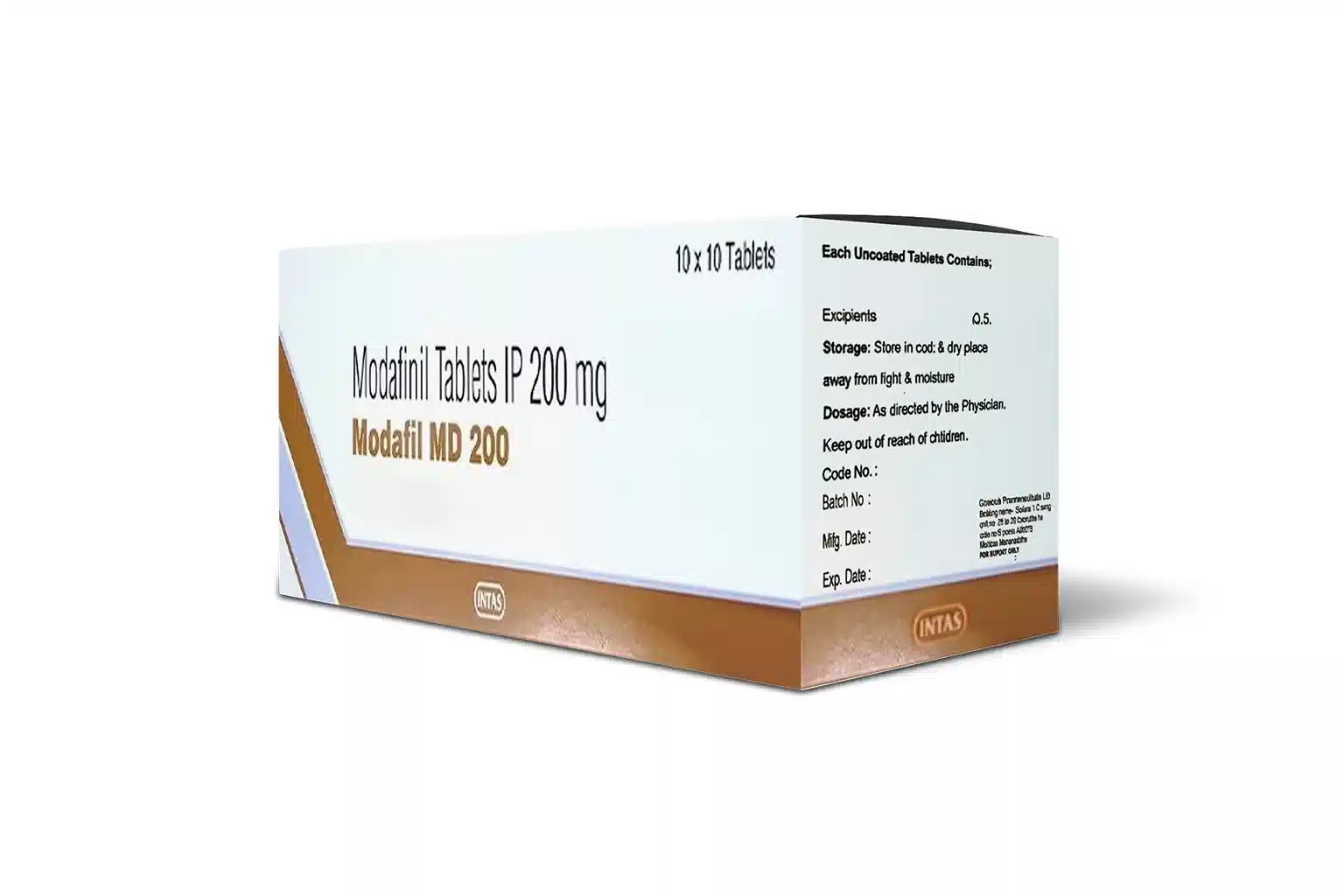
Modafil Md 200 mg (Modafinil)
Price range: $70.00 through $749.00 -
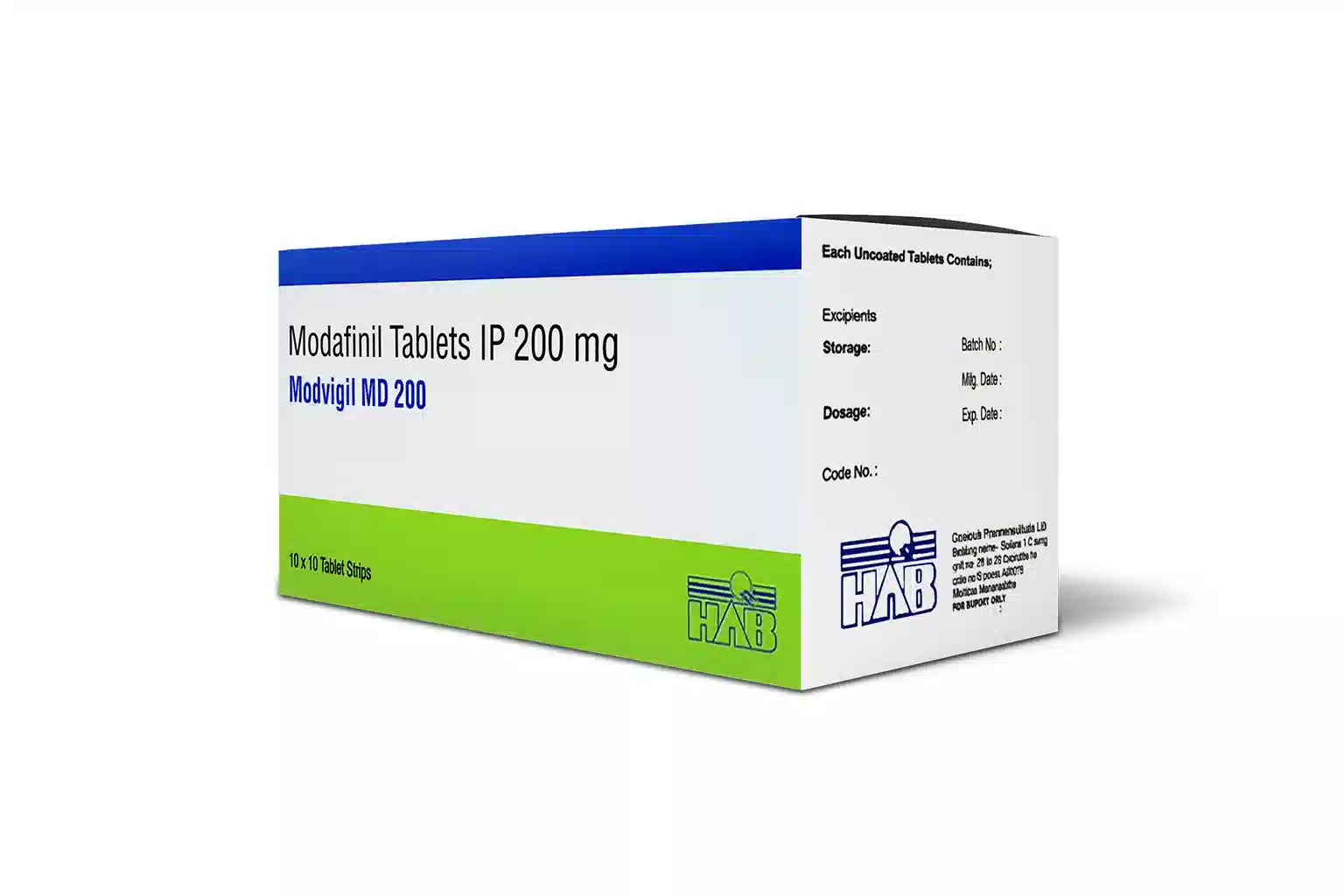
Modvigil 200 mg (Modafinil)
Price range: $69.00 through $449.00 -
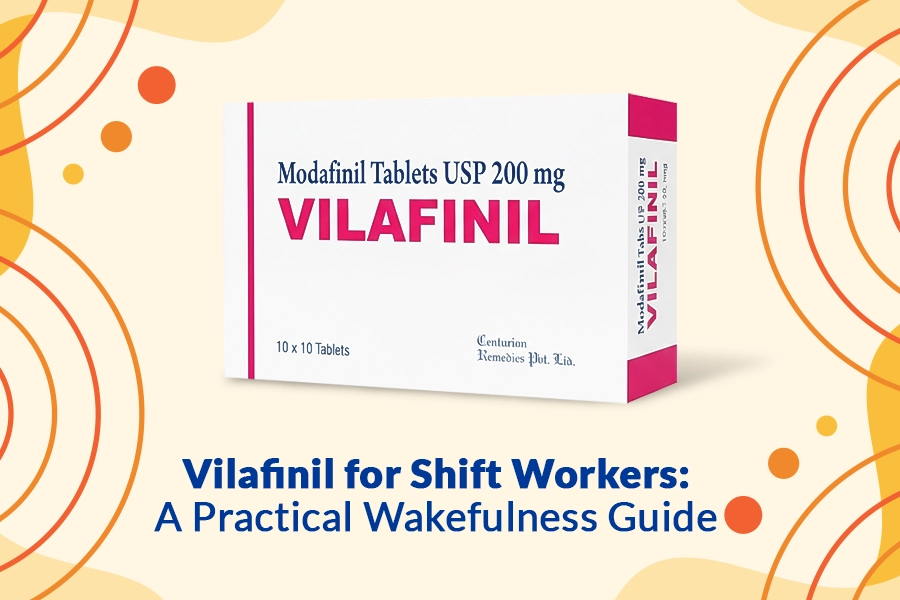
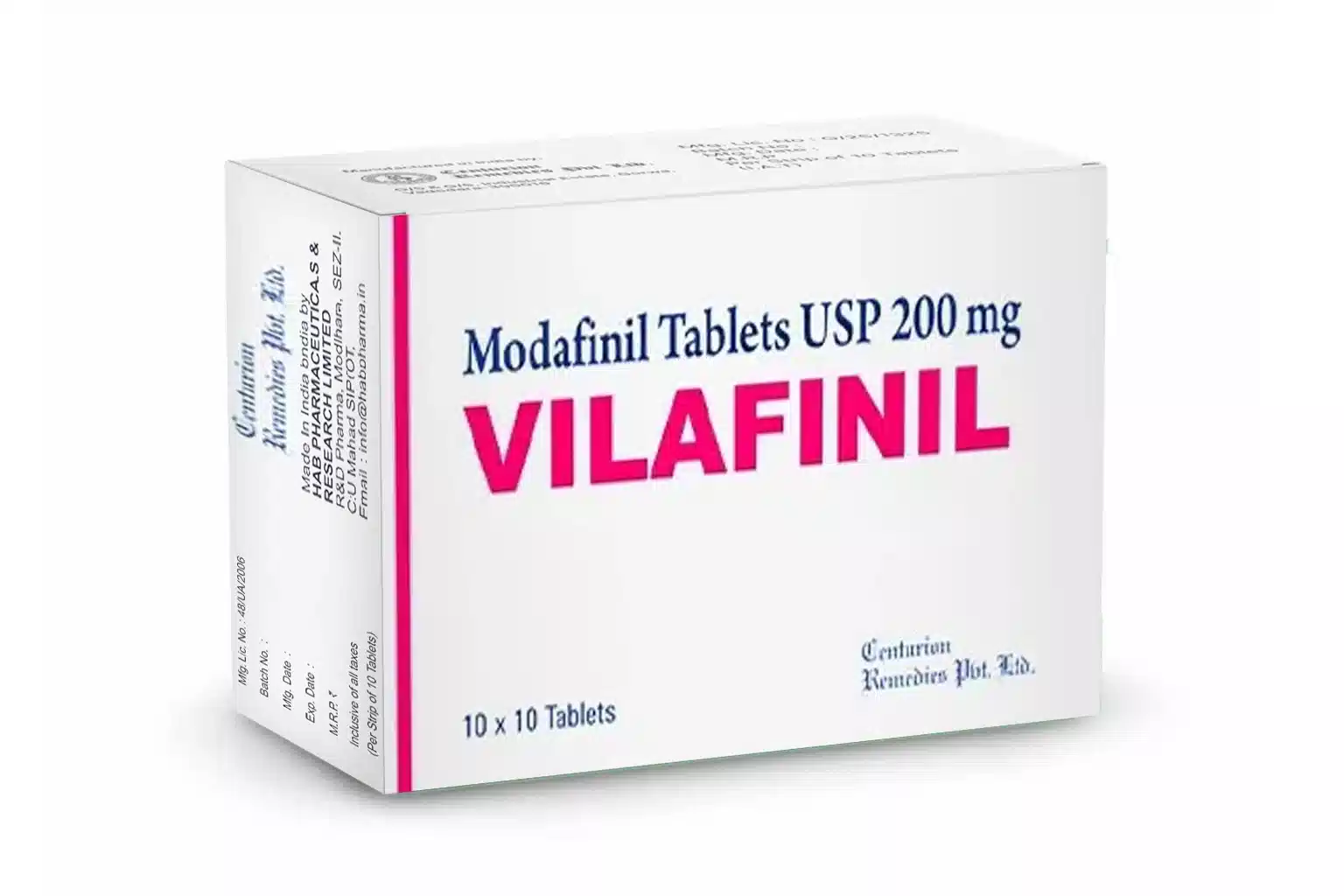
Vilafinil 200 mg (Modafinil)
Price range: $69.00 through $449.00 -
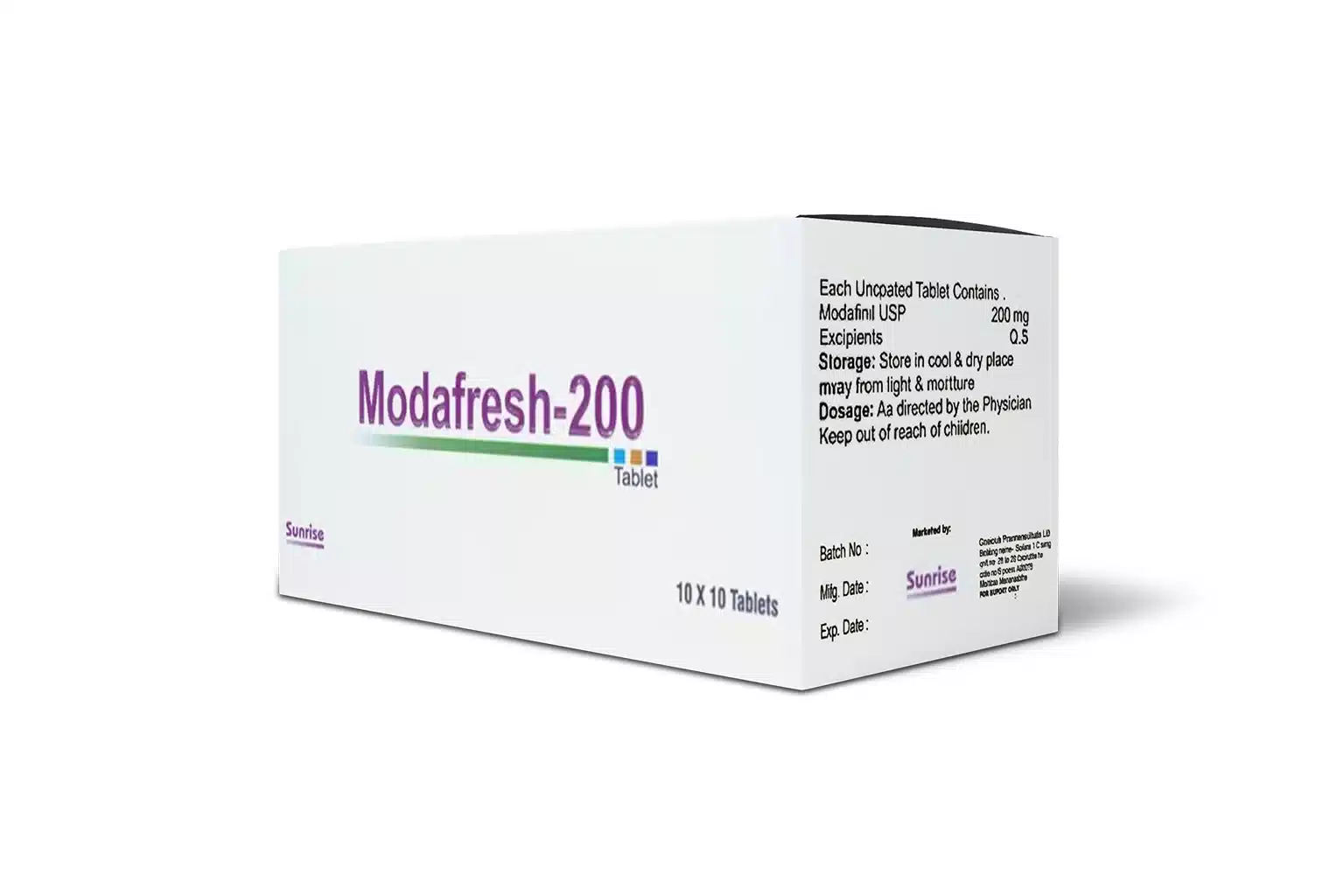
Modafresh 200 mg (Modafinil)
Price range: $69.00 through $449.00 -
Modvigil MD 200 mg (Modafinil)
Price range: $69.00 through $395.00


The fastest, safest wakefulness hacks
These are practical, low-risk strategies you can use right now.
1. Use short, strategic naps
A 10–25 minute “power nap” sharply reduces sleep pressure and boosts alertness for a couple of hours without causing grogginess if timed properly. If you need more sustained wakefulness, a 90-minute nap completes a sleep cycle and can be restorative. Avoid long naps within 3–4 hours of planned bedtime.
2. Bright light exposure (especially blue-enriched light)
Light is the strongest circadian cue. For night-shift workers or when you need to stay awake late, bright cool light (or a lightbox) during the active period helps suppress melatonin and increase alertness. Conversely, use dim/amber light when preparing to sleep.
3. Strategic caffeine
Caffeine improves alertness quickly; 50–200 mg is typical. Time it so the peak effect matches your need. Avoid high-dose caffeine too close to sleep time or binge consumption (it causes crashes, jitters, and impaired sleep). Combining a short nap with a moderate caffeine dose before it (“caffeine nap”) can be especially effective.
4. Get your heart rate up
Five to fifteen minutes of brisk walking, jumping jacks, or light exercise releases adrenaline and raises arousal. Micro-breaks with movement every 60–90 minutes prevent attention from slipping.
5. Hydrate and snack smart
Even mild dehydration reduces alertness. Choose snacks that combine protein + slow carbs (yogurt + fruit, nuts + wholegrain crackers) to avoid blood-sugar crashes. Avoid heavy, fatty meals at times you need to be active, as they increase post-meal drowsiness.
6. Task design: alternate intense and easy tasks
Your brain tires from monotony. Switch tasks, take sensory breaks, or work with music/ambient noise (if it helps you). Use the Pomodoro method (25–50 minute focus blocks + short breaks) to maintain momentum.
7. Cold water/face splash, controlled breathing
Brief exposure to cool water, cold air, or a quick face splash stimulates alertness. Controlled deep breaths (box breathing or 4-4-6) can reduce sleepiness related to relaxation and increase oxygenation.

When behavioral hacks aren’t enough: the role of wakefulness tablets
If you have a medical sleep disorder (narcolepsy, obstructive sleep apnea with residual sleepiness, shift-work sleep disorder) your doctor may prescribe modafinil or armodafinil, sold under brand names like Provigil, Modvigil, Waklert, and others. Clinical trials show these drugs can meaningfully reduce excessive sleepiness and improve functioning for people with diagnosed conditions. For example, randomized trials found modafinil improved alertness and performance in shift-work sleep disorder.
What these drugs are and how they differ
- Modafinil (brand: Provigil; generics: Modvigil, others) is a eugeroic, a wakefulness-promoting agent. It’s approved for narcolepsy, obstructive sleep apnea-related sleepiness, and shift work sleep disorder.
- Armodafinil (brand examples: Waklert) is the R-enantiomer of modafinil, marketed with slightly different pharmacokinetics; both are used for similar indications.
What the evidence says
Clinical trials (including a notable NEJM randomized trial) demonstrated modafinil’s effectiveness for shift-work sleep disorder at improving wakefulness and reducing lapses. But benefits are for treatment of a diagnosed disorder, not as a lifestyle enhancer for otherwise well-rested people.
Important safety notes and side effects
These are prescription medicines and have side effects: headache, nausea, nervousness, dizziness, insomnia, and rarely serious psychiatric effects (agitation, hallucinations, suicidal ideation) and severe skin reactions. They may affect heart rate and blood pressure and can interact with other medications. There are also concerns about misuse/abuse and unknown long-term effects when used off-label. Always consult a clinician before use.
Practical decision guide: behavioral first, medicine second
- Ask why you’re sleepy. Chronic insufficient sleep? A medical disorder? Poor sleep hygiene? Treat the cause first.
- Start with lifestyle: sleep schedule, naps, light therapy, hydration, exercise, and task design. These often deliver big wins with zero drug risk.
- If symptoms persist, especially excessive daytime sleepiness that disrupts work or safety, see a sleep specialist or primary care clinician for evaluation (sleep study, diagnosis). If diagnosed, treatment options may include these prescription wakefulness medicines under professional supervision.
Smart routines for predictable wakefulness
Here’s a sample approach for night-shift workers or anyone needing reliable night alertness:
- Before the shift: nap for 90 minutes (or 20–30 minutes depending on time available) + light exposure during commute.
- Early in shift: bright light (or a lightbox), protein-rich breakfast/snack, small caffeine dose if you tolerate it.
- Mid-shift: movement breaks every 60–90 minutes; a 15–25 minute power nap if allowed and feasible.
- Toward the end of the shift: wind down with dim light and avoid caffeine if you plan to sleep immediately after work. Adjust based on how your body reacts.
Myths & mistakes to avoid
- “Take pills instead of sleep.” Medicines may temporarily promote wakefulness, but do not replace restorative sleep. Chronic sleep deprivation still harms cognition, mood, and health.
- “More caffeine = better.” Overdoing caffeine worsens sleep and can cause tolerance, crashes, and anxiety.
- “Prescription wakefulness tablets are harmless.” They have real side effects and interactions; prescription and monitoring are essential.
Responsible final word on wakefulness tablets
Prescription wakefulness medicines like modafinil or armodafinil can be very effective for people with certain diagnosed sleep disorders and may improve safety, wakefulness, and quality of life in those contexts. However, they are not a harmless productivity hack. Side effects, interactions, and rare but serious adverse reactions make medical oversight essential. Behavioral strategies, sleep hygiene, naps, light, movement, and sensible caffeine use should be your first line. Use medication only when indicated and prescribed by a clinician.
FAQs
Q1: Are Modvigil, Modafinil, and Waklert the same thing?
Short answer: they’re related. Modafinil is the active molecule; Modvigil is a common generic brand of modafinil; Waklert is a brand name for armodafinil (a closely related compound). They act similarly but may differ slightly in dosage forms and pharmacokinetics. Use only as prescribed.
Q2: Can I use modafinil to study or for productivity?
While some people report improved focus on modafinil, its use for cognitive enhancement in healthy people is off-label, not universally safe, and ethically/legally complicated. Talk to a clinician before considering it. Evidence supports its use for clinical sleep disorders, not general productivity boosting.
Q3: What are the common side effects?
Headache, nausea, nervousness, insomnia, and dizziness are common. Serious but rare effects include severe skin reactions and psychiatric symptoms. Seek immediate care if those occur.
Q4: Are there natural supplements that safely replace modafinil?
No over-the-counter supplement matches the robust wake-promoting profile of prescription eugeroics. Some people find modest benefits from caffeine, L-theanine (paired with caffeine), adaptogens, or good sleep hygiene, but none are direct substitutes for medically indicated modafinil/armodafinil.
Q5: Is it illegal to buy modafinil without a prescription?
Regulations vary by country. In many places, it’s a prescription-only medication; buying or using it without one can be illegal and unsafe due to counterfeit products and dosing/interaction risks.