Sleep Apnea: Symptoms, Risks, and Treatments
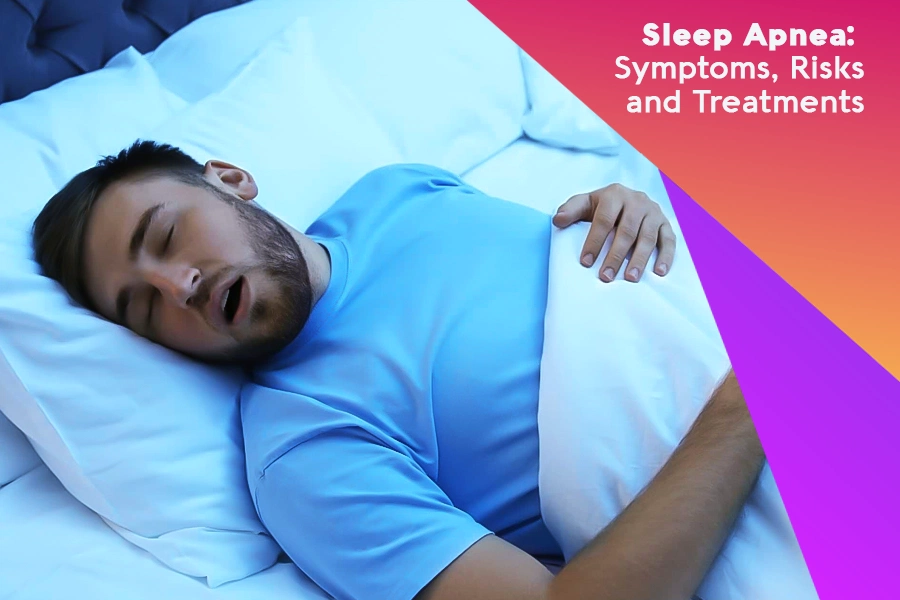
Sleep apnea is a sleep-disordered breathing condition characterized by repeated pauses in breathing (apneas) or shallow breathing (hypopneas) during sleep. Each pause can last from a few seconds to over half a minute and may happen dozens or even hundreds of times per night. These pauses produce oxygen dips and frequent brief awakenings that fragment sleep and reduce sleep quality.
-

Modavinil 200 mg (Modafinil)
Price range: $69.00 through $449.00 -
Modafil MD 200 mg (Modafinil)
Price range: $70.00 through $749.00 -
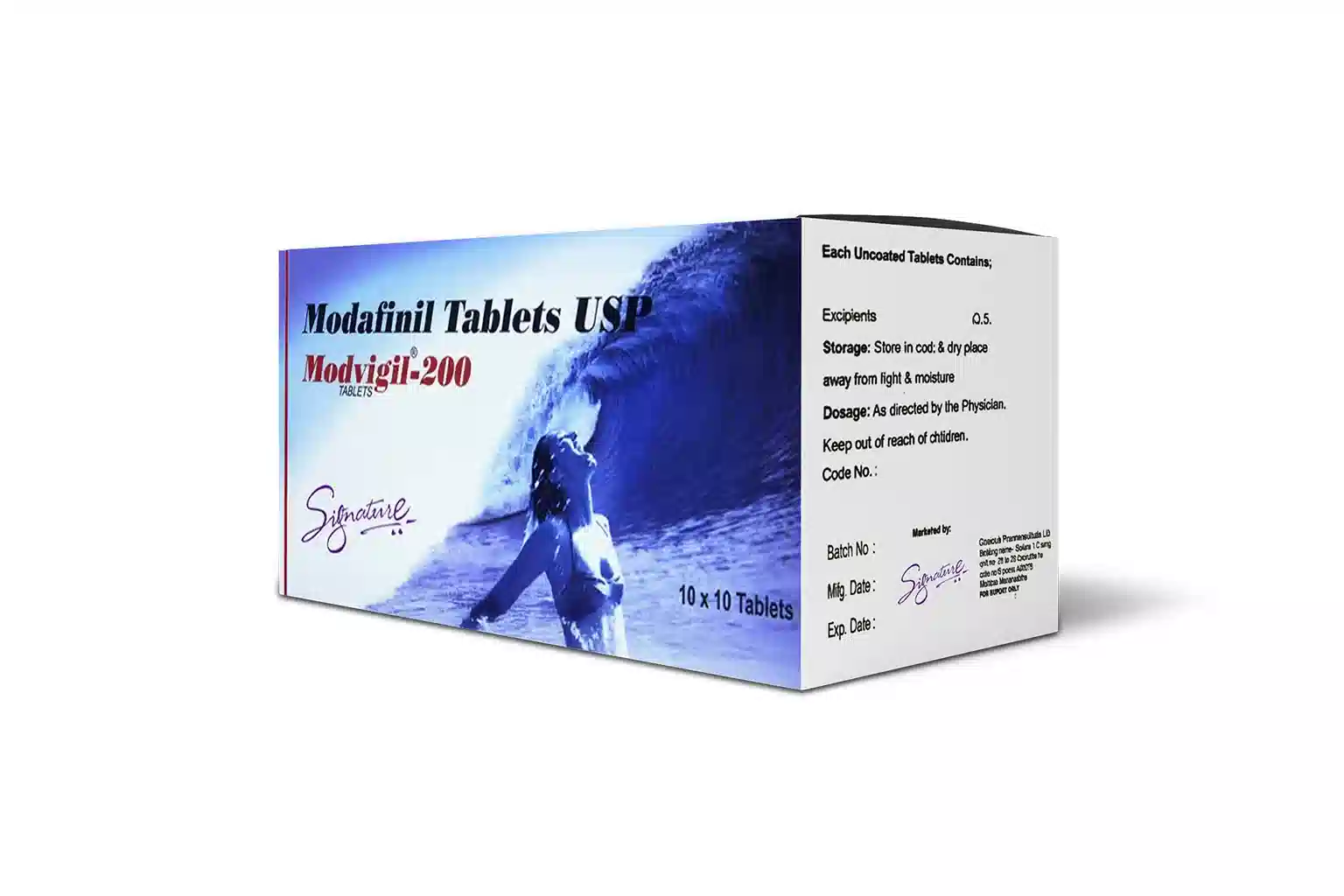
Modvigil 200 mg (Modafinil)
Price range: $69.00 through $449.00 -
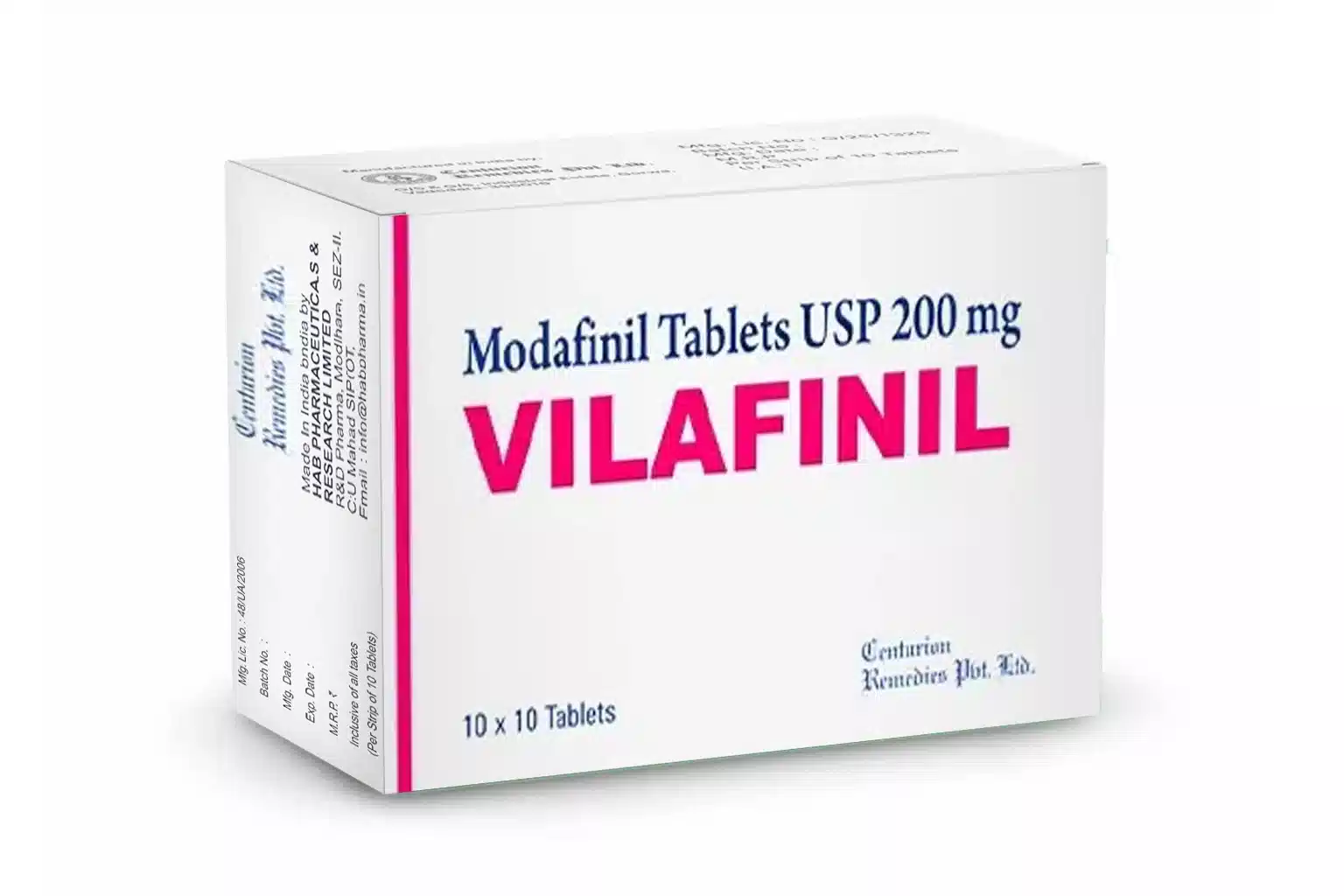
Vilafinil 200 mg (Modafinil)
Price range: $69.00 through $449.00 -
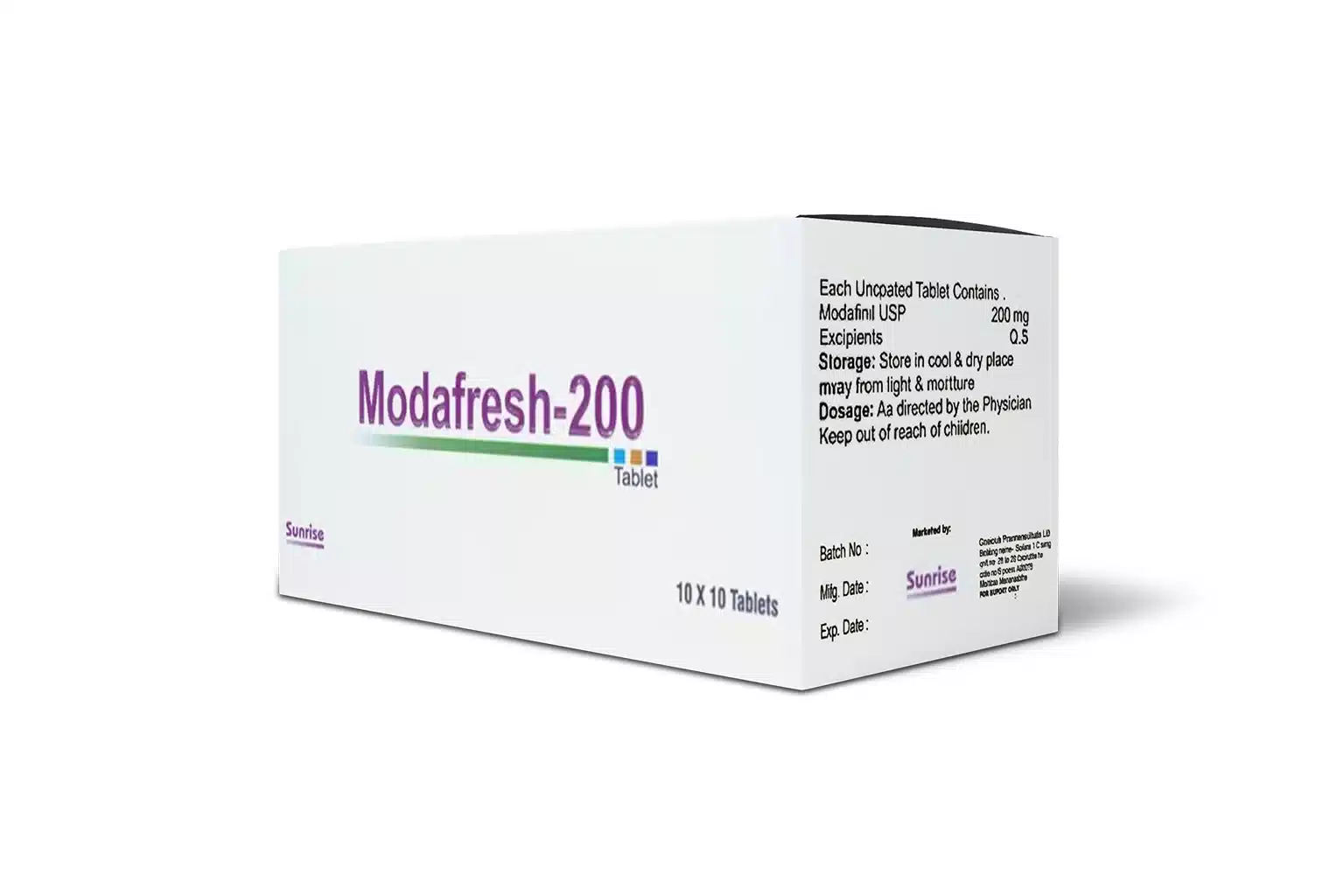
Modafresh 200 mg (Modafinil)
Price range: $69.00 through $449.00 -
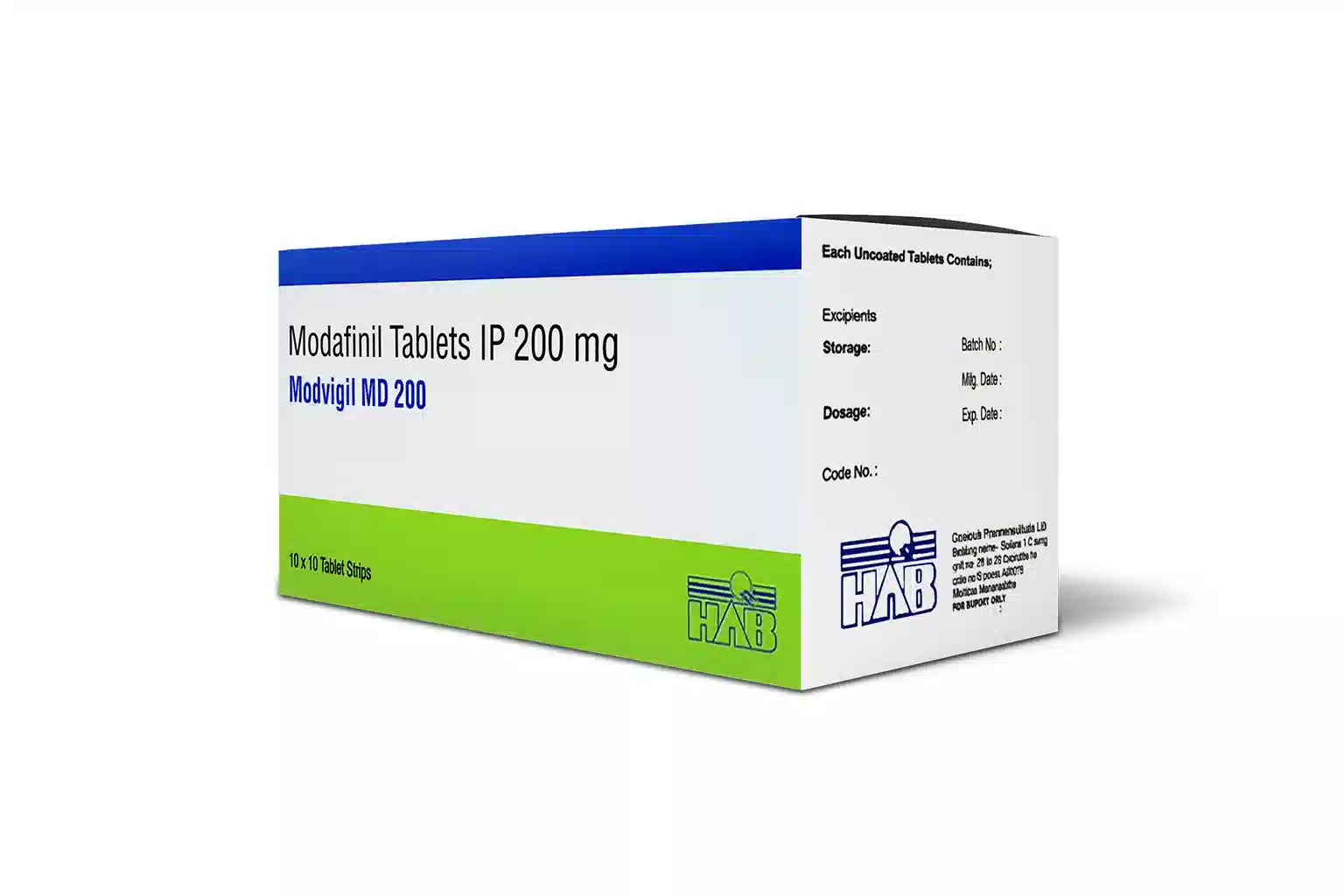
Modvigil MD 200 mg (Modafinil)
Price range: $69.00 through $395.00
There are multiple contributing causes depending on the type:
For obstructive sleep apnea (OSA):
- Anatomical factors that narrow the airway: enlarged tonsils or adenoids (especially in children), a large tongue, a thick neck, a deviated septum, or certain jaw shapes.
- Excess weight (obesity), fat deposits around the neck and throat can increase airway collapsibility.
- Age-related loss of muscle tone in upper airway structures.
- Alcohol, sedatives, and smoking can worsen airway collapse.
For central sleep apnea (CSA):
- Disorders that affect the brainstem respiratory centres (e.g., central nervous system disease).
- Heart failure and certain cardiac conditions.
- Use of opioids and some other medications that suppress respiratory drive.
Many people have more than one contributing factor, for instance, older adults with some heart disease plus weight gain.

Sleep apnea risks and risk factors
Some risk factors increase the likelihood of developing sleep apnea:
- Excess weight: Obesity is the single strongest risk factor for OSA; fat around the neck and upper airway increases collapse during sleep.
- Male sex: Men are diagnosed more often than women, though the risk for women rises after menopause.
- Age: Risk rises with age.
- Anatomical features: Large tonsils, a small jaw, or a large tongue.
- Neurological or cardiac disease/opioid use: More relevant for CSA.
- Family history and genetics may play a role.
Why untreated sleep apnea matters
Untreated sleep apnea is more than daytime tiredness. It is linked to a range of medical problems:
- High blood pressure and heart disease: OSA is associated with hypertension and increases the risk of coronary artery disease, heart failure, and arrhythmias.
- Stroke: OSA raises the risk of stroke and worsens outcomes after stroke.
- Type 2 diabetes and metabolic dysfunction: Repeated oxygen dips and fragmented sleep worsen insulin resistance and weight regulation.
- Daytime accidents: Excessive sleepiness increases the risk of motor vehicle and workplace accidents.
- Reduced quality of life and mood disorders: Depression, irritability, and cognitive difficulties are common.
Because of these connections, identifying and treating sleep apnea can have meaningful benefits beyond improved sleep.
How is sleep apnea diagnosed?
If sleep apnea is suspected, a healthcare provider will take a medical history, ask about symptoms (including snoring and witnessed apneas), and often do an overnight sleep study:
- Polysomnography (in-lab sleep study): The gold standard. Measures brain waves, oxygen levels, airflow, chest/abdominal effort, heart rate, and more. It classifies apnea severity using the apnea-hypopnea index (AHI).
- Home sleep apnea testing (HSAT): Portable monitors that measure breathing and oxygen levels at home are appropriate for many adults with a high likelihood of moderate-to-severe OSA and without major other health problems.
Severity is typically described as mild, moderate, or severe based on AHI (events per hour). Your clinician will interpret results in the context of symptoms and other health risks.
Sleep apnea treatment
Treatment choice depends on type (OSA vs CSA), severity, anatomy, and patient preference. Many approaches combine lifestyle changes with device therapy or procedural fixes.
1. Lifestyle and behavioural measures
- Weight loss: For many people with OSA who are overweight, losing even modest weight reduces airway collapsibility and improves symptoms.
- Avoid alcohol, sedatives, and late-night heavy meals: These relax airway muscles and aggravate snoring and apneas.
- Sleep position: Sleeping on your side instead of your back can reduce OSA for some people. Positional therapy devices or simple strategies (pillows, tennis-ball technique) can help.
2. CPAP and positive airway pressure therapies
- CPAP therapy (continuous positive airway pressure): Delivers a constant stream of air through a mask to keep the airway open during sleep. It is the most widely recommended and effective treatment for moderate-to-severe OSA and improves daytime sleepiness and some cardiovascular outcomes when used regularly.
- APAP (auto-adjusting PAP) and BiPAP (bilevel PAP): Variants that change pressure automatically or provide different pressures for inhale/exhale, useful for comfort or for certain patients (including some with CSA or complex sleep apnea).
Adherence matters. The beneficial effects of CPAP depend on nightly use; even the best device won’t help if it’s not worn. Clinicians and sleep teams work on mask fit, pressure settings, and comfort to improve adherence.
3. Oral appliances and dental devices
- Mandibular advancement devices (MADs): Custom mouthguards made by dentists push the lower jaw forward to open the airway. Effective for mild-to-moderate OSA and for patients who cannot tolerate CPAP.
4. Surgery and implantable devices
- Upper airway surgery: Procedures range from tonsillectomy (especially in children or adults with enlarged tonsils) and uvulopalatopharyngoplasty (removing excess tissue) to more complex maxillofacial surgeries that advance the jaw. Surgery is considered when anatomical obstruction is clear or other treatments fail.
- Hypoglossal nerve stimulation (implant): An implantable device that stimulates tongue muscles to keep the airway open during sleep an option for selected patients who are CPAP-intolerant and meet specific anatomical criteria.
5. Treating central sleep apnea (CSA)
- Address the underlying cause: Optimise heart failure treatment, reduce or change medications that suppress breathing (like opioids), and treat other medical conditions.
- Adaptive servo-ventilation (ASV): A specialised PAP device that varies pressure to stabilise breathing in certain forms of CSA (use and candidacy depend on heart function and other factors).
Practical tips if you suspect sleep apnea
- Talk to your doctor. Describe your sleep, daytime sleepiness, and any bed-partner observations (snoring, pauses). Bring a sleep diary if you can.
- Screening questionnaires (like the STOP-Bang or Epworth Sleepiness Scale) can help estimate risk but are not diagnostic.
- Get tested when recommended. A sleep study (home or in-lab) is the next step for confirmation and to guide treatment.
- Don’t ignore mild symptoms. Even mild OSA can affect mood, cognition, and cardiovascular risk over time; early lifestyle changes and monitoring matter.
FAQs
Q1: Is snoring the same as sleep apnea?
A: No. Loud snoring can be a sign of obstructive sleep apnea, but not everyone who snores has sleep apnea. Snoring with witnessed breathing pauses, gasping, or daytime sleepiness is more suspicious and should prompt evaluation.
Q2: Can children have sleep apnea?
A: Yes. In children, enlarged tonsils and adenoids are common causes. Symptoms may include snoring, restless sleep, daytime behavioural problems, or poor school performance. Tonsil/adenoid removal often cures pediatric OSA.
Q3: Will losing weight cure sleep apnea?
A: Weight loss can substantially reduce OSA severity and even normalise breathing in some people, but it doesn’t guarantee a cure, especially if anatomical factors or age-related changes are present.
Q4: Is CPAP safe?
A: Yes, CPAP is generally safe and effective when used as prescribed. Side effects (dry mouth, mask discomfort, nasal congestion) are common but often manageable with adjustments. Proper follow-up helps maximise benefit.
Q5: Does treating sleep apnea reduce heart risk?
A: Treating OSA, especially with regular CPAP use, improves symptoms and may reduce certain cardiovascular risks. Evidence shows benefits in high-risk groups, though the degree of risk reduction varies by patient and adherence. Discuss individual risk with your clinician.
Final thoughts
Sleep apnea is common, treatable, and important to recognise not just because it wrecks energy and concentration, but because it can quietly raise your long-term health risks. If you or a loved one snores heavily, wakes gasping, or suffers from daytime sleepiness, bring those concerns to a clinician. A diagnosis usually opens a clear path to effective therapies, often starting with CPAP or an oral device, plus lifestyle changes, that restore sleep quality and reduce health risks.
References
- National Heart, Lung, and Blood Institute (NHLBI) — What Is Sleep Apnea? (Diagnosis, causes, and risks; updated Jan 9, 2025). NHLBI, NIH
- American Academy of Sleep Medicine / Journal of Clinical Sleep Medicine clinical distinctions between obstructive and central events. JCSM
- StatPearls / NCBI Bookshelf Obstructive Sleep Apnea (clinical features, diagnosis). NCBI