No products in the cart.
No products in the cart.






Below are the most effective, low-risk ways to boost attention and clarity. They work best together — think of them as a system rather than isolated tricks.
Schedule 20–30 minutes a day of pure, single-task work. Remove distractions, set a timer (Pomodoro: 25 on / 5 off), and resist the urge to switch tasks. The repeated practice of focused attention increases your “stamina” for deep work.
Why it helps: It trains top-down control networks that suppress impulses to mind-wander and respond to external interruptions. Over weeks, you’ll find it easier to stay on task for longer periods.
A daily 10–20 minute mindfulness or focused-attention practice (breath counting, body scan, focused listening) improves the ability to notice distraction and gently return attention to the chosen object. Randomized trials and meta-analyses show mindfulness reduces mind-wandering and helps sustained attention in many people. Start small and build consistency.
Use adaptive brain-training tasks that target working memory, response inhibition, and task-switching (dual-n-back, adaptive working-memory drills, certain computerized programs). When training adapts to your performance and progressively increases difficulty, transfer to a real world focus is more likely. Meta-analyses show mixed results—benefits are often real but modest and largest when training is specific and regular.
Sleep consolidates learning, restores attention networks, and clears metabolic byproducts that impair cognition. Consistent sleep schedules and 7–9 hours for most adults yield dramatic improvements in daytime focus and clarity. Reviews highlight how even partial sleep loss undermines executive control and memory.

Aerobic exercise increases blood flow to the brain and supports neurogenesis and network efficiency. Combining movement with cognitive challenge (dance, martial arts, racquet sports) can produce extra benefits for attention and multitasking ability. Even a brisk 20–30 minute walk improves immediate focus and mood.
Your brain runs on glucose and needs micronutrients. Prioritize whole foods, balanced meals, adequate protein (for sustained neurotransmitter support), and omega-3 sources (fish, walnuts). Stay hydrated; even mild dehydration can impair attention and mood.
Stress hijacks working memory and executive control. Practices such as cognitive-behavioral techniques, journaling, psychotherapy when needed, and regular relaxation (progressive muscle relaxation, breathing exercises) free cognitive resources for concentration.
Batch similar tasks, block distracting websites and notifications during deep work, and create a dedicated workspace. Environmental constraints reduce the decision load and preserve attention for the task at hand.
Learning new skills — a language, instrument, or complex hobby — forces the brain to create new connections and improves cognitive flexibility. Novel challenges are fuel for neuroplasticity and make training more engaging.

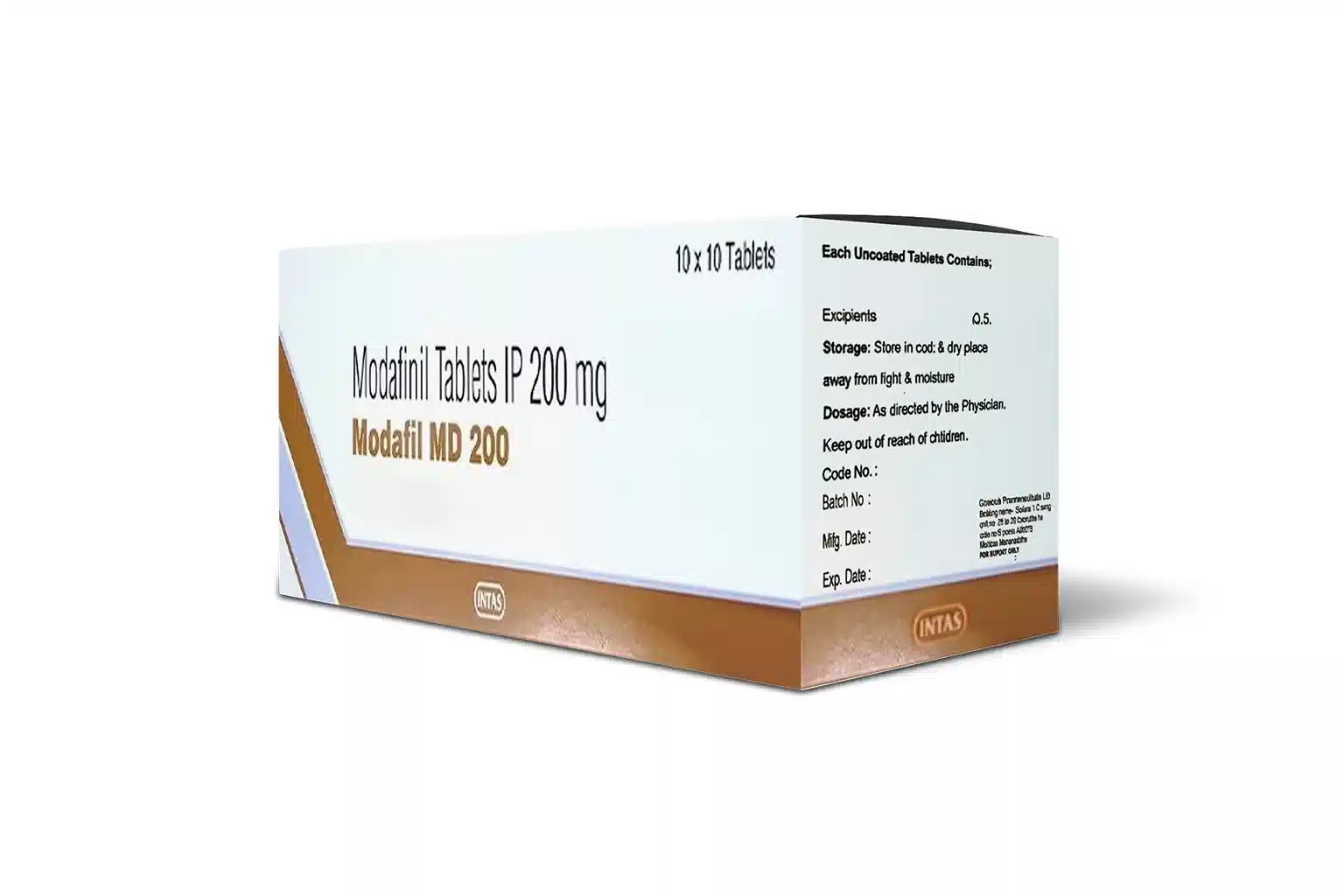
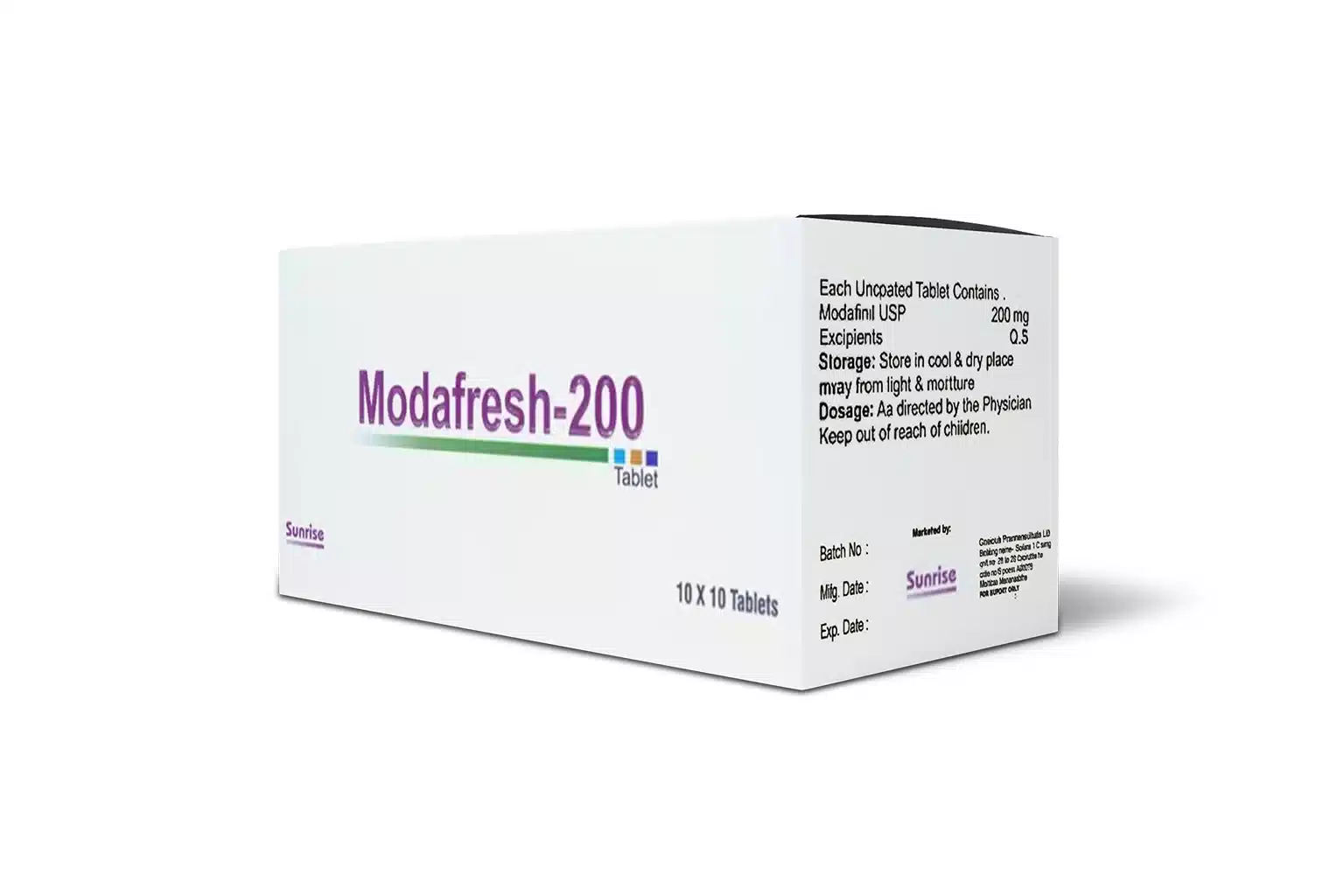
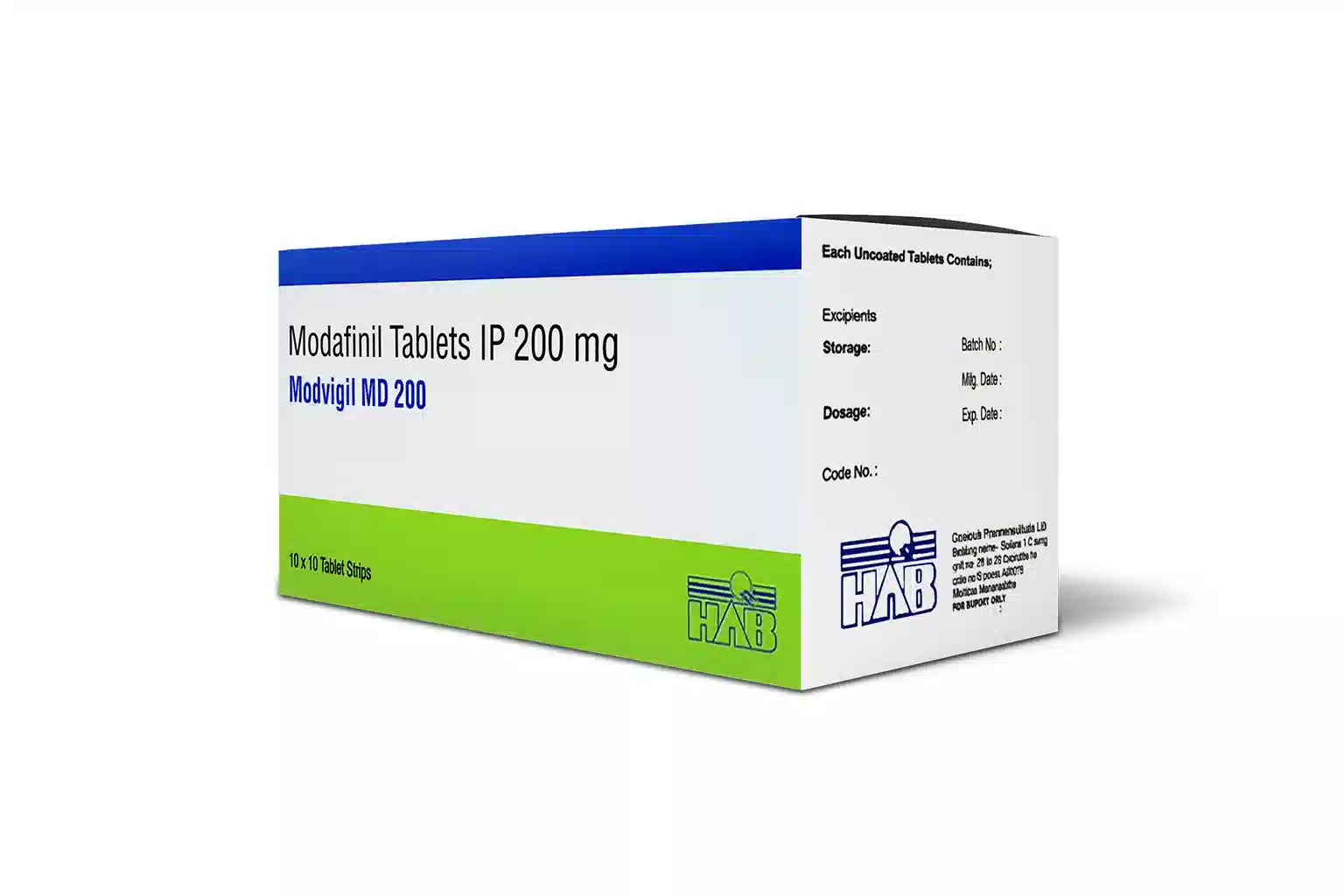
Medications like modafinil are wakefulness-promoting agents originally developed for narcolepsy and sleep disorder related excessive sleepiness. Clinical guidance typically cites 200 mg daily as a standard dose, and doses up to 400 mg have been used and studied; however, increasing the dose does not always increase benefit and may raise side-effect risk. Modafinil can improve wakefulness, alertness, and some domains of executive function in people with sleep disorders and, in some studies, in healthy adults — but it is a prescription medication with potential side effects and interactions, and it should only be used under medical supervision.
Important considerations:
If you and your clinician are considering a prescription, weigh potential short-term benefits against side effects and the need for monitoring. Never self-medicate with prescription drugs sourced outside regulated channels.
This plan combines behavioral training, lifestyle, and measurement.
Week 1 (Foundation)
Week 2 (Build intensity)
Week 3 (Apply skills)
Week 4 (Consolidate)
Track both subjective and objective markers:
Training attention is a lifestyle project, not a one-time hack. The most reliable, sustainable gains come from consistent small habits: structured focus practice, mindfulness, regular exercise, good nutrition, and solid sleep. Prescription medications may have a role when used under medical guidance for specific sleep disorders; they are not a substitute for the slow, compound benefits of behavioral training.
Q: How long until I notice better focus?
A: Many people notice small improvements within 2–4 weeks with consistent practice (daily focused sessions, sleep improvements, and exercise). More durable gains usually require 8–12 weeks.
Q: Are brain-training apps worth it?
A: They can help, especially when adaptive and focused on working memory or inhibitory control. Expect modest improvements — combining apps with real-world challenges and lifestyle changes yields the best results.
Q: Can smart drugs make me instantly more productive?
A: It can increase wakefulness and improve vigilance for people with sleep disorders; in healthy users, it may boost certain cognitive tasks short term. However, it’s not a panacea and carries risks; use only under medical advice.
Q: What single habit will give the biggest return?
A: Improved, consistent sleep. It supports learning, attention, and emotional regulation and amplifies the benefits of all other strategies.
Q: Which supplements actually help?
A: Evidence is strongest for general nutritional support (omega-3s, adequate protein) and caffeine for short-term alertness. Many herbal “nootropics” show mixed or limited evidence. Prioritize diet and sleep first.