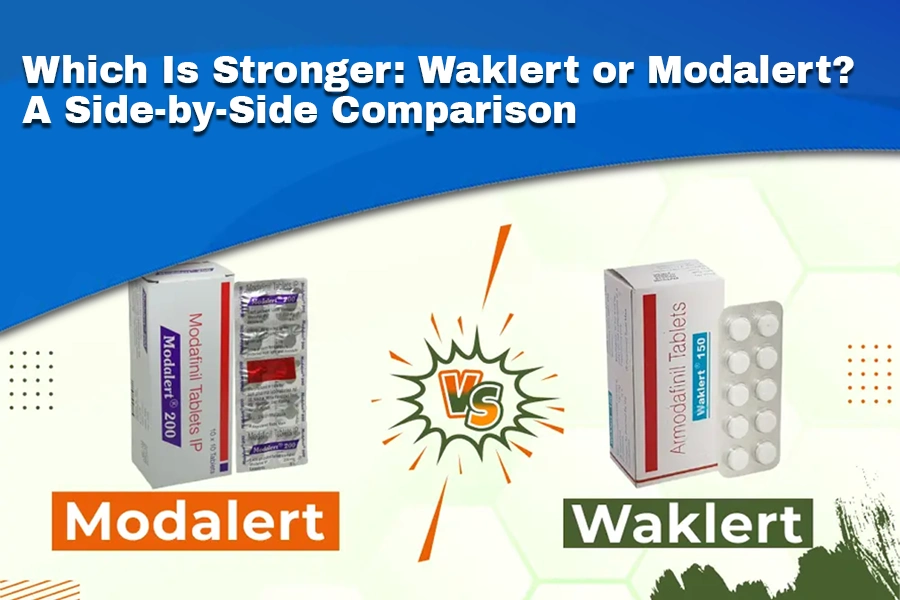
Armodafinil 150 mg: A Deeper Look at the ‘Next-Gen’ Wakefulness Drug

Among common doses, 150 mg is the one most frequently used as a starting or maintenance dose for many patients, and it has a curious reputation: some patients report strong, steady wakefulness without the jitter of classic stimulants, while others notice modest benefits from armodafinil.

-

Modavinil 200 mg (Modafinil)
Price range: $69.00 through $449.00 -
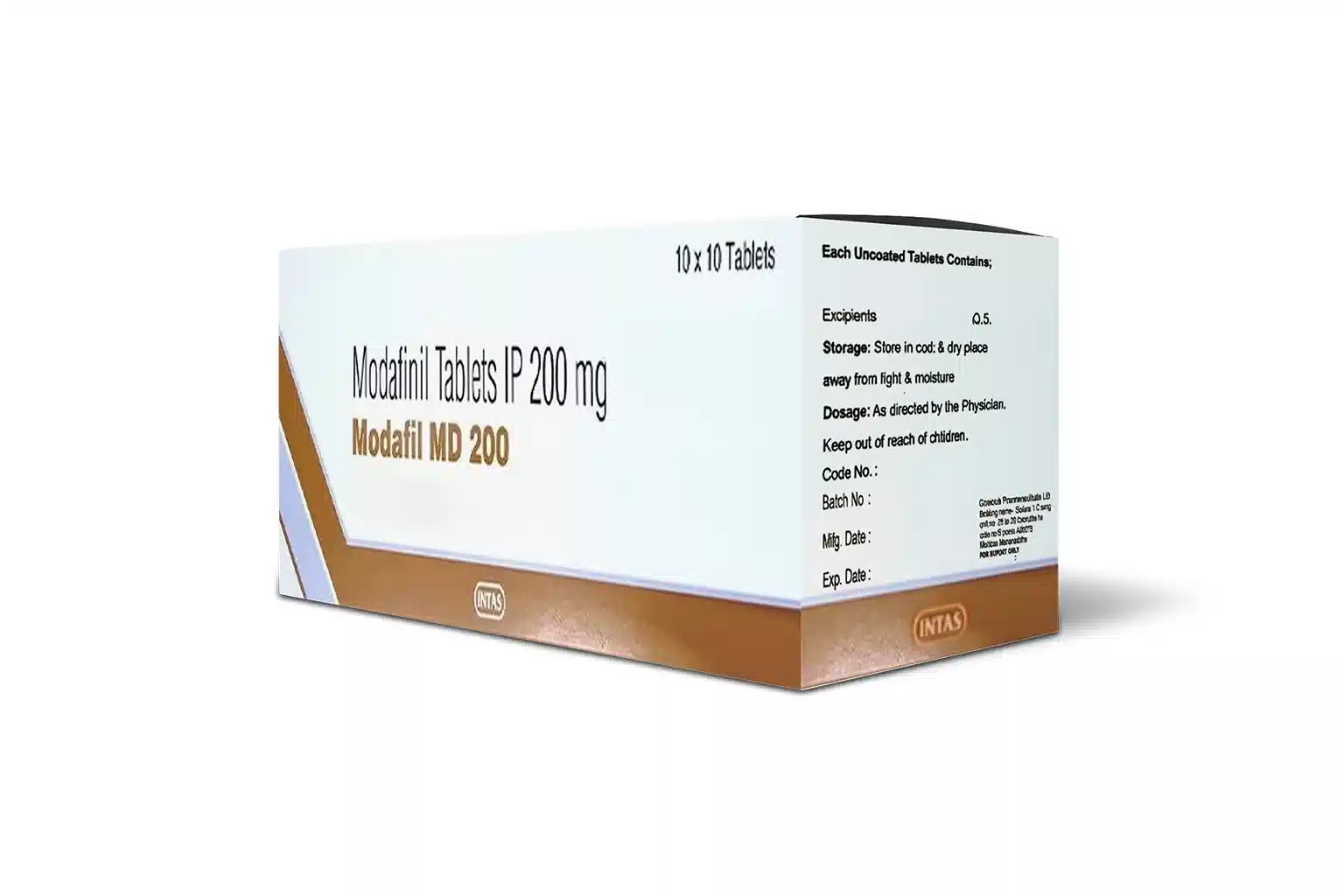
Modafil MD 200 mg (Modafinil)
Price range: $70.00 through $749.00 -

Modvigil 200 mg (Modafinil)
Price range: $69.00 through $449.00 -
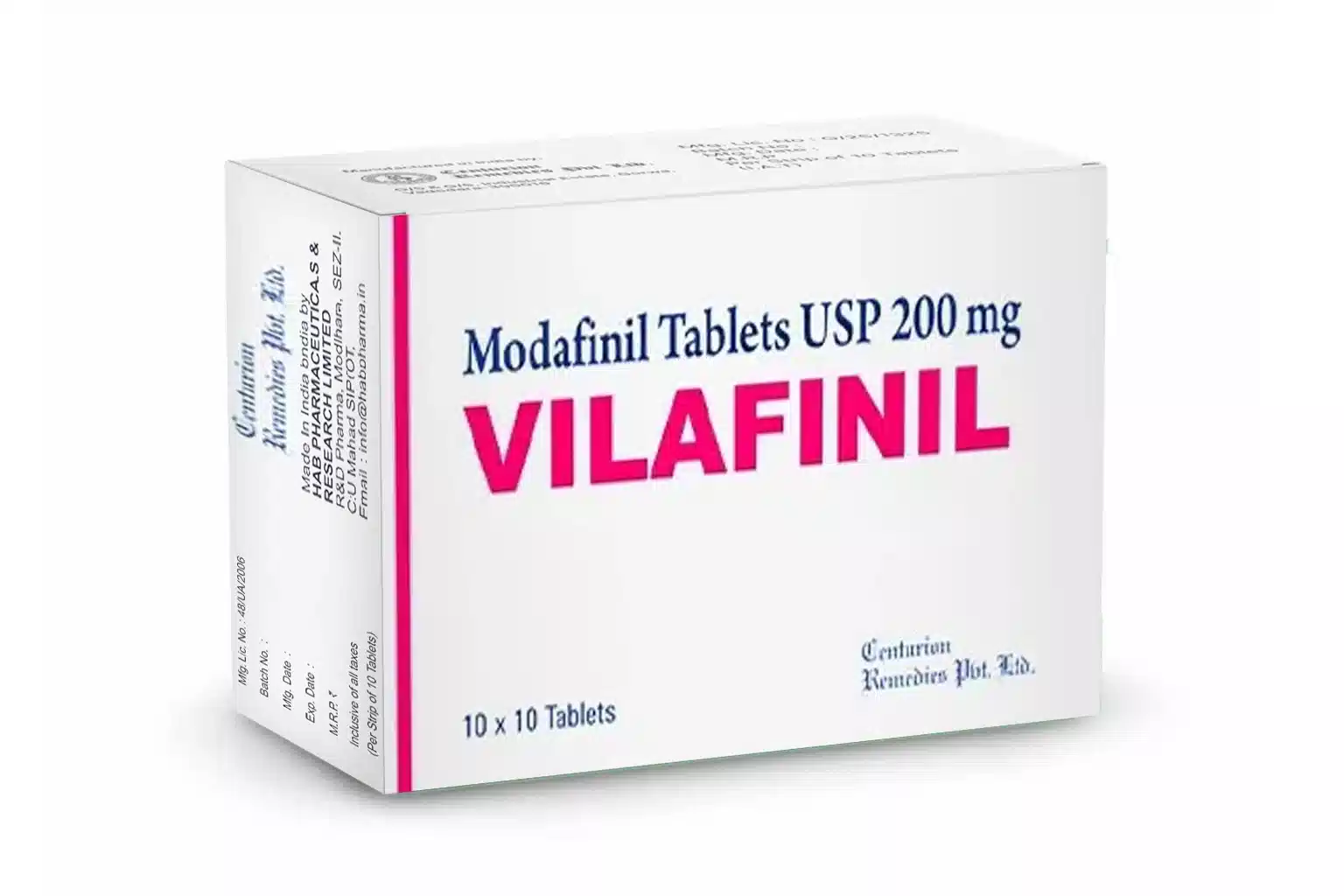
Vilafinil 200 mg (Modafinil)
Price range: $69.00 through $449.00 -
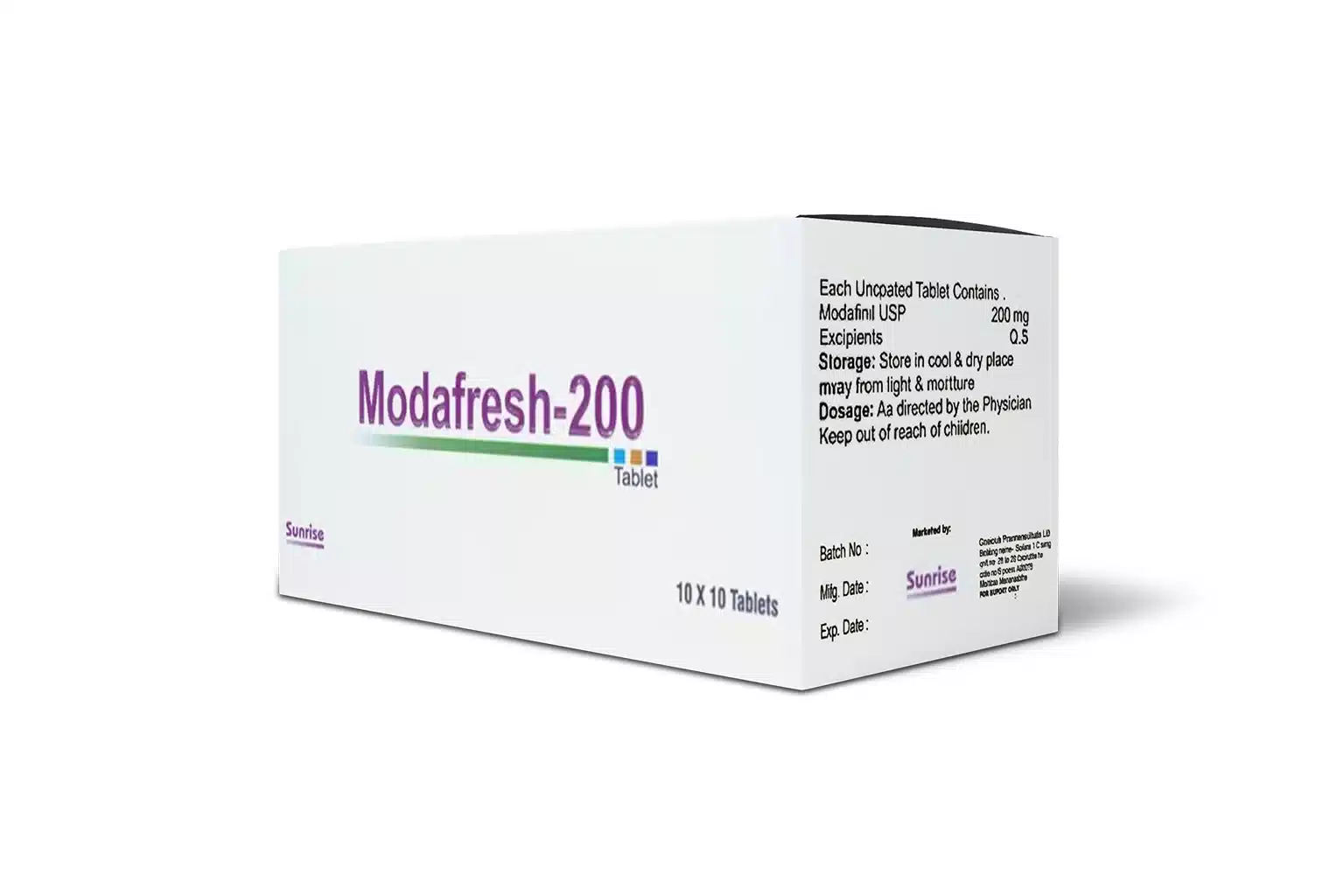
Modafresh 200 mg (Modafinil)
Price range: $69.00 through $449.00 -
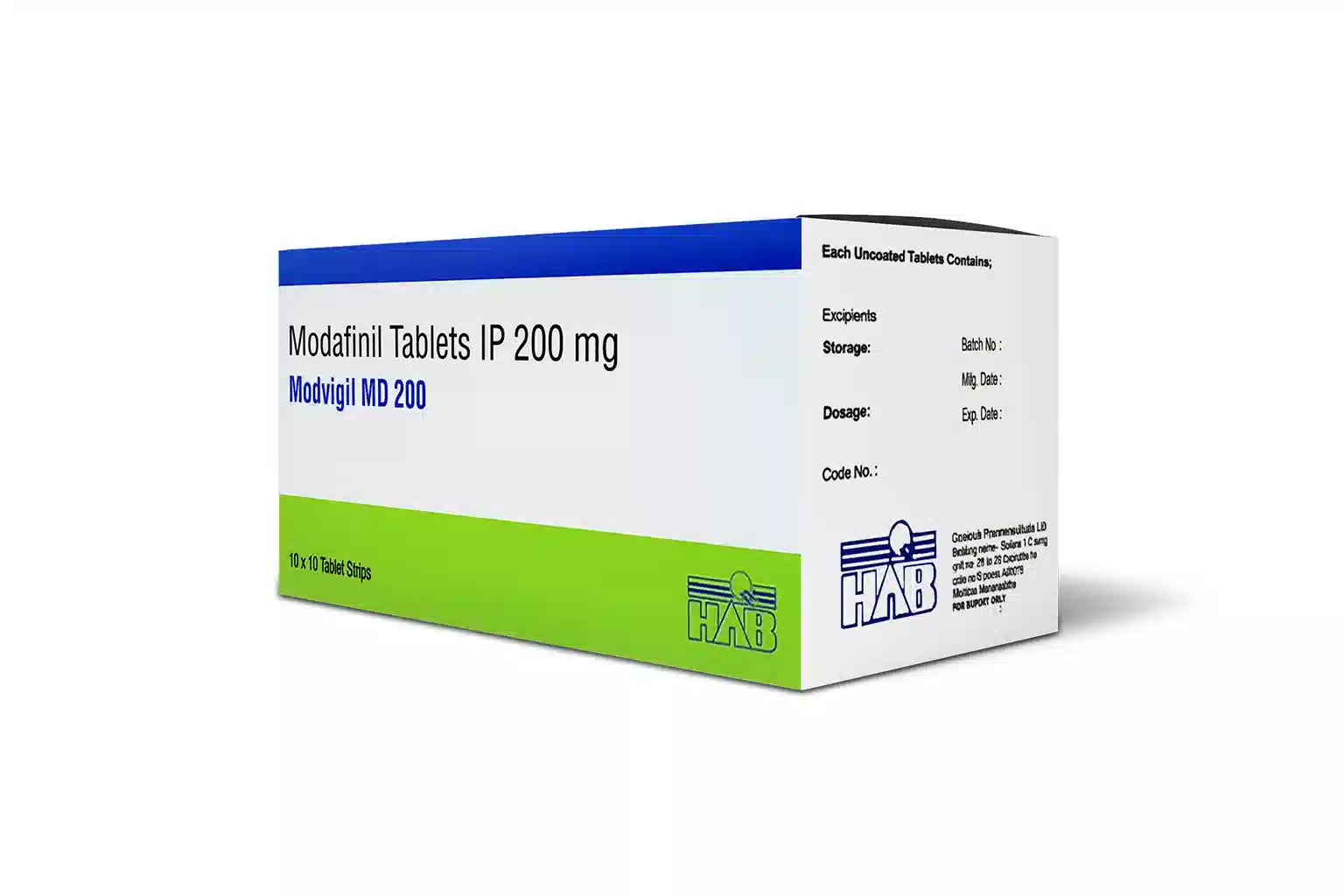
Modvigil MD 200 mg (Modafinil)
Price range: $69.00 through $395.00
Regulatory labeling and many clinical trials identify 150 mg once daily as an effective dose for disorders such as narcolepsy and obstructive sleep apnea, with a typical recommended range of 150–250 mg depending on response and tolerance. Many trials used 150 mg as a primary active dose, and real-world prescribing frequently starts there because it often balances efficacy and tolerability: it’s strong enough to reduce daytime sleepiness for many patients, without automatically escalating side effects that appear at higher doses. That said, some patients require 200–250 mg for full effect; others do well on 50–150 mg.
How does it work?
Armodafinil’s exact mechanism isn’t fully resolved, but research shows it has complex effects across several neurotransmitter systems: it increases activity in regions involved with arousal and attention and influences dopamine, orexin (hypocretin) pathways, and histamine systems indirectly. Unlike classic amphetamine stimulants, armodafinil has a weaker central dopamine-releasing profile and appears to promote wakefulness without producing the same level of motor restlessness or euphoric “rush” typical of stronger stimulants, which is why some clinicians prefer it for chronic daytime sleepiness. Still, because it affects monoaminergic systems, it interacts with other medicines and is not free from risks.
Armodafinil benefits
- Sustained wakefulness and reduced sleepiness. Multiple placebo-controlled trials and long-term studies show armodafinil improves objective (measured tests) and subjective (self-reported) measures of daytime wakefulness in narcolepsy, OSA and shift-work disorder. Patients typically report less accidental dozing, better ability to maintain attention, and improved functional capacity during the day.
- Improved everyday functioning. Beyond just staying awake, some trials demonstrate improvements in activities of daily living, work performance, and clinician rated global change scores, particularly when armodafinil is used as adjunctive therapy (for example, in patients using CPAP for OSA who still have residual sleepiness).
- Potential cognitive enhancement in sleep-deprived states. In people with sleep loss or shift work, armodafinil can improve attention, vigilance, and reaction time, effects that translate to fewer lapses on sustained attention tasks. These benefits are best understood as amelioration of sleep-loss deficits rather than an enhancement in well-rested individuals.
- Once-daily dosing and predictable coverage. The pharmacokinetic profile of armodafinil provides reliable once-daily coverage for many patients, often with fewer daytime rebounds or ups-and-downs compared with some other stimulants. This can make adherence and daily scheduling simpler.
Side effects and safety
Armodafinil is generally well tolerated, but it’s not benign. Common side effects include headache, nausea, nervousness, dizziness, and trouble sleeping (insomnia) when taken too late in the day. More serious, though rare, adverse events include severe skin reactions (like Stevens-Johnson syndrome), psychiatric symptoms (anxiety, mania, hallucinations in susceptible people), and allergic reactions. Because armodafinil can induce liver enzymes (CYP3A4) and inhibit some other enzymes, it can reduce the effectiveness of hormonal contraceptives and interact with many medications; careful medication review is essential before starting. It’s a Schedule IV controlled substance in several jurisdictions because of misuse potential, though dependence risk appears lower than classic stimulants.
Who may benefit most from armodafinil 150 mg?
- Adults with narcolepsy experience excessive sleepiness as part of their disorder.
- Patients with residual sleepiness despite adequate CPAP therapy for obstructive sleep apnea (armodafinil treats the sleepiness, not the airway obstruction itself).
- People with shift work sleep disorder who must maintain wakefulness during nonstandard hours.
- Careful clinical use in other fatigue-related conditions is sometimes considered off-label, but such use should be guided by a clinician who weighs risks and benefits.

Practical dosing and tips
- Start low, assess response. Clinicians often start at 150 mg once daily in the morning; if daytime sleepiness persists and side effects are tolerable, doses up to 250 mg may be tried per labeling. Avoid dosing late in the day to reduce insomnia.
- Medication review is crucial. Because armodafinil interacts with hormonal contraceptives and many other drugs metabolized by CYP enzymes, discuss all prescription and over-the-counter medications with your provider. Women using birth control should be counseled about possible reduced contraceptive efficacy and consider backup methods while taking the drug.
- Monitor mood and skin. Report new rashes, mood swings, suicidal thoughts, or hallucinations immediately. Though rare, these can be signs of serious reactions.
Comparing armodafinil to other wakefulness pills
Armodafinil and modafinil are the closest pharmacologic comparisons. Evidence shows both improve wakefulness, with armodafinil sometimes producing more prolonged effects later in the day due to its pharmacokinetics. Other modern wakefulness agents (e.g., solriamfetol or pitolisant) work through different mechanisms and have different side-effect profiles, but may be preferred in some patients based on comorbidities or response. Choice among agents should be individualized: factors include side-effect tolerance, drug interactions, coexisting psychiatric or cardiovascular conditions, and prior treatment history.
Real-world considerations: availability, cost, and generics
Nuvigil was the original branded armodafinil; generics and other manufacturer formulations are widely available in many countries. Price differences can be large, and insurance coverage varies. For patients who require consistent, long-term therapy, insurance, cost, and local regulatory approvals often shape which formulation is used. Wherever you obtain medication, ensure it’s from a licensed pharmacy and that the product lists manufacturer and batch information.
Ethical & off-label use questions
Because armodafinil improves wakefulness in sleep-deprived states, it’s sometimes sought off-label for cognitive enhancement in healthy, well-rested people. Medical bodies caution against nonprescription use: the benefits in fully rested individuals are modest at best, and the ethical, safety, and legal implications of off-label stimulant use make it a poor substitute for proper sleep and workplace accommodations. Use should always be under a clinician’s supervision.
Final takeaways
- Armodafinil 150 mg is a well-studied, often-used dose for treating excessive daytime sleepiness in narcolepsy, OSA (as an adjunct), and sh
- ift-work sleep disorder. It provides sustained wakefulness for many patients and may have a smoother effect profile than classical stimulants.
- Benefits include improved vigilance, reduced daytime sleepiness, and better functional performance in affected patients. Risks include headaches, insomnia, rare serious skin or psychiatric reactions, and clinically important drug interactions.
- Use responsibly: only under prescription, with careful medication review, and with monitoring for side effects. Don’t substitute pills for sleep hygiene or treatable underlying causes (for example, untreated severe OSA needs CPAP or other airway treatment).
FAQs
Q1: Is 150 mg the best dose of armodafinil?
A: “Best” depends on the person. 150 mg is a commonly effective starting dose with a good balance of efficacy and tolerability for many patients; some require higher doses (up to 250 mg) and some less. Follow your prescriber’s guidance.
Q2: How quickly does armodafinil work?
A: Most people notice improved wakefulness within a few hours of dosing. The drug’s plasma profile supports once-daily morning dosing for daytime alertness. Avoid late dosing to prevent insomnia.
Q3: Will armodafinil make me “wired” like amphetamines?
A: Armodafinil is different from amphetamine stimulants: it tends to promote wakefulness with fewer classic stimulant effects like euphoria or pronounced motor hyperactivity. However, side effects like nervousness and insomnia can still occur.
Q4: Does it interact with birth control?
A: Yes, armodafinil can reduce blood levels of steroidal contraceptives by inducing liver enzymes. Women using hormonal contraception should discuss backup methods with their prescriber.
Q5: Can I take armodafinil with other stimulants or alcohol?
A: Combining with other stimulants increases risk of adverse effects and is generally not recommended. Alcohol may impair judgement and produce unpredictable interactions; avoid drinking to excess while using armodafinil. Discuss all substances with your clinician.
References
- NUVIGIL® (armodafinil) Tablets — Prescribing Information (FDA). FDA Access Data
- Black JE, et al. Long-term tolerability and efficacy of armodafinil (PMC). PMC
- Tembe DV, et al. Armodafinil versus modafinil in excessive sleepiness — comparative study. PMC