Typical clinical approach:
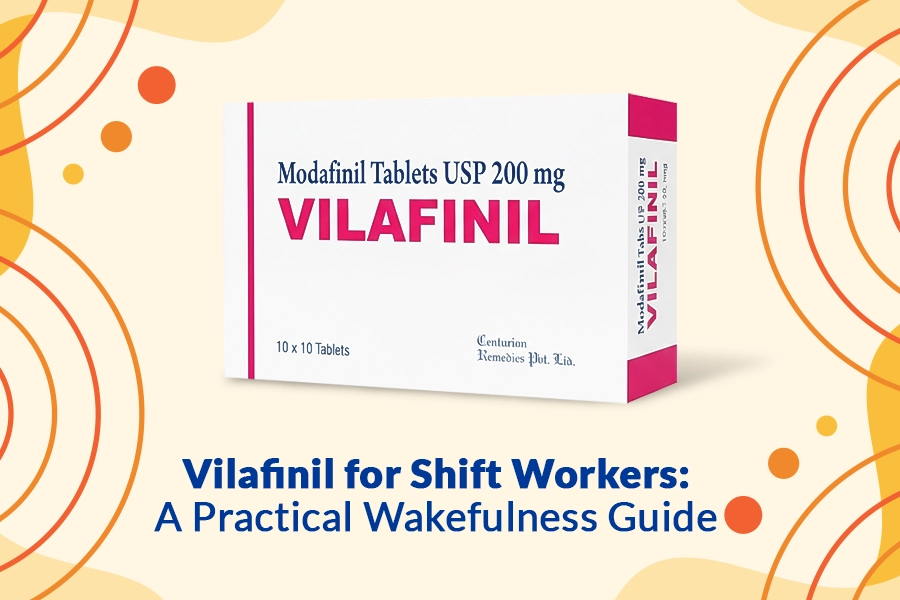
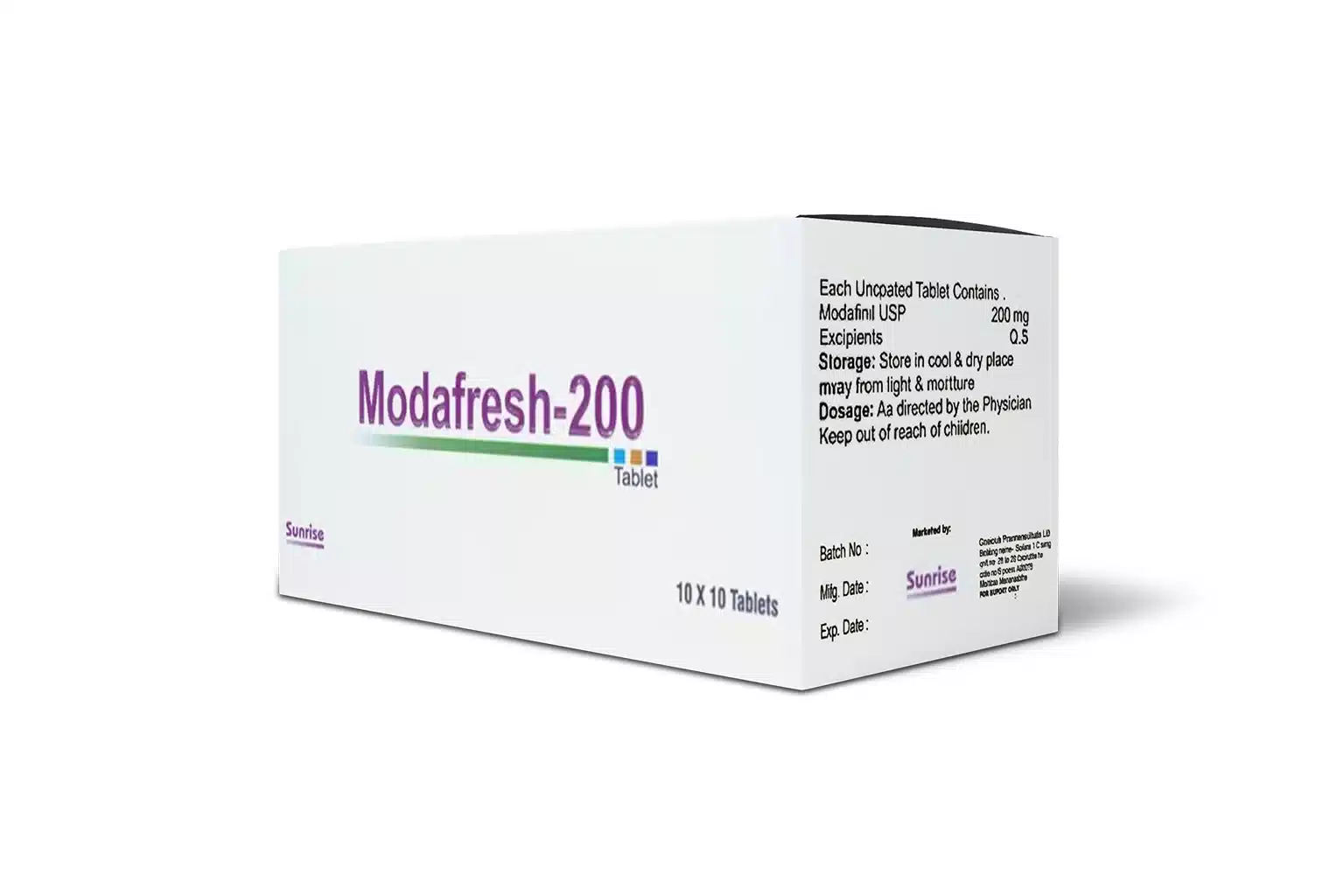
- Dose: Modafinil is commonly used as a 200 mg tablet once daily for SWSD, taken about one hour before the start of the night shift. Some patients use 100 mg depending on tolerance and response, but 200 mg is the dose most often studied for shift work.
- Timing: Take it consistently before the shift (not later in the shift), as late dosing can disrupt daytime sleep after the shift.
- Duration: Your doctor determines duration; many use it on nights when you work, not necessarily every day, and monitor for benefit and side effects.
- Prescription-only: Modafinil/Vilafinil is a prescription medication in most countries and may be a controlled substance; only use it under medical oversight.
Practical non-drug strategies that must go with any pill
No medication fully replaces sleep. Combining Vilafinil with behavioral strategies produces the best results and keeps you safer on the job:
- Prioritize daytime sleep: make your main sleep block immediately after the night shift in a dark, quiet, cool room; use blackout curtains and white noise.
- Strategic naps: A 20–40 minute nap before your shift can significantly reduce sleepiness and improve performance. If feasible, a short nap during a break can help too.
- Caffeine timing: Use moderate caffeine strategically, for example, a cup of coffee near shift start — and avoid caffeine close to your planned daytime sleep window.
- Light exposure: bright light during the night shift helps signal alertness; blue-enriched light can be effective, but use it cautiously and avoid exposure before planned daytime sleep.
- Sleep hygiene: consistent sleep schedule on workdays, limit alcohol and heavy meals before sleep, and treat underlying sleep disorders (e.g., sleep apnea) aggressively.
- Workplace safety planning: employers should redesign tasks, provide break opportunities, and avoid assigning critical safety duties during periods of predicted low alertness.
These non-pharmacologic measures are essential whether or not you use Vilafinil.
Side effects, risks, and interactions
Modafinil/Vilafinil is generally well tolerated compared with stimulant drugs, but it has significant considerations:
- Common side effects: headache, nausea, nervousness, insomnia, dizziness, and decreased appetite. These are usually mild to moderate.
- Serious but rare: severe skin reactions (including Stevens–Johnson syndrome), psychiatric symptoms (agitation, hallucinations, suicidal thoughts in rare cases), and allergic reactions have been reported. Stop the drug and seek medical help if you develop rash, blistering, or psychiatric changes.
- Drug interactions: modafinil induces certain liver enzymes (e.g., CYP3A4) and can reduce the effectiveness of hormonal contraceptives and interact with many medications (anti-seizure drugs, warfarin, some antidepressants). Always review your medications with your prescriber or pharmacist.
- Medical conditions: individuals with a history of marked anxiety, heart disease, uncontrolled hypertension, or serious psychiatric illness need careful assessment. Modafinil can exacerbate some conditions. Pregnant or breastfeeding people should consult a clinician.
Because of these issues, don’t self-prescribe wakefulness pills; talk to a doctor who will weigh the benefits and risks in your situation.
Safety and occupational considerations
Employers and shift workers must treat any wakefulness medicine as a tool for risk reduction, not risk elimination:
- If you work in safety-critical roles (driving, heavy machinery, healthcare, aviation), check employer policies and national regulations before using wakefulness medication. Some industries have specific rules about prescription stimulants and fitness for duty.
- Do not drive home after a night shift until you are confident you can do so safely; consider using public transport or a colleague/ride service if you feel drowsy. Medication can help, but residual impairment or rebound sleepiness may occur.
Comparative options: modafinil, armodafinil, and caffeine
- Modafinil (Vilafinil) is a racemic compound; armodafinil is the R-enantiomer with somewhat longer wakefulness effects on a per mg basis. Some clinicians prefer armodafinil for very long shifts, but both are used clinically for SWSD. Your clinician will choose based on availability, prior response, tolerability, and cost.
- Caffeine is a cheap, accessible alertness booster but has a shorter duration and can disrupt sleep if used late. Combining moderate caffeine with prescribed wakefulness agents is sometimes done under guidance, but avoid excessive stimulants.
Practical tips if your doctor prescribes Vilafinil
- Follow the exact dose and timing your doctor gives, for SWSD, that’s commonly 200 mg ~1 hour before the shift.
- Monitor for side effects during the first days and weeks; report any rash, mood change, or worsening sleep.
- Avoid alcohol and sedatives while on the medication.
- Don’t mix with other stimulants without medical advice.
- Keep follow-up appointments so your clinician can reassess benefit, side effects, and the need for continued treatment.
Final thoughts
For night-shift workers coping with night shift fatigue and shift work sleepiness, Vilafinil (modafinil) can be an effective alertness booster when used as part of a broader, safety-focused plan. Clinical trials support its role in reducing excessive sleepiness during night shifts (typically 200 mg taken about one hour before work), and guidelines consider it a valid therapeutic option for shift work disorder. However, it is not a magic pill, it must be combined with sound sleep practices, workplace measures, and medical oversight. If you’re considering Vilafinil for shift work, talk to a sleep medicine specialist or your primary doctor: they’ll check for underlying sleep disorders, review your medicines and medical history, and develop a personalized plan to help you stay alert and safe on the job.
FAQs
Q1: Does Vilafinil make you “wired” like amphetamines?
A: No, modafinil’s stimulant profile differs from classical amphetamines. It promotes wakefulness and alertness with a lower risk of euphoria and dependency, but it still affects brain chemistry and should be used under supervision.
Q2: Can I take Vilafinil every day?
A: For shift work, clinicians often prescribe it on nights when you work. Daily use is used in narcolepsy under supervision. Long-term plans should be regularly reviewed by your doctor.
Q3: Will it fix my sleep problems?
A: No. These medicines treat daytime sleepiness but don’t correct the underlying circadian disruption. Combining medication with sleep hygiene, naps, light exposure strategies, and treatment of any underlying sleep disorders is essential.
Q4: Is Vilafinil/Modafinil legal and controlled?
A: In many countries modafinil is a prescription medication and may be a controlled substance (e.g., Schedule IV in the U.S.). Only obtain it through legitimate medical channels.
References
- Czeisler CA, Walsh JK, et al. Modafinil for Excessive Sleepiness Associated with Shift-Work Sleep Disorder. New England Journal of Medicine. 2005. — randomized trial showing benefit of modafinil 200 mg for SWSD. New England Journal of Medicine a
- StatPearls / NCBI Bookshelf — Modafinil: clinical use and dosing. (Notes dosing for SWSD ~200 mg 1 hour before shift). NCBI
- U.S. Food and Drug Administration — PROVIGIL® (modafinil) prescribing information / label (indications include shift work disorder). FDA Access Data
- Clinical practice and occupational guidance — combine pharmacologic measures with sleep hygiene, strategic napping and light exposure to reduce risk and improve functioning. (Summarized from clinical trial discussions and sleep medicine guidance.) New England Journal of Medicine