Sunosi vs Armodafinil
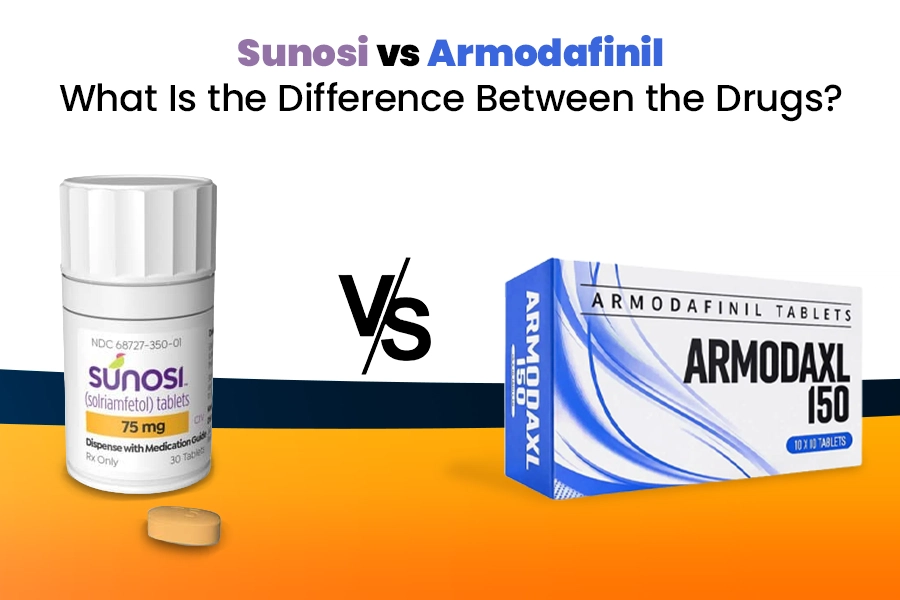
When it comes to choosing the one between them, the answer isn’t that, “stronger the better”. It completely depends on how your brain responds and what kind of alertness you actually need.

-

Modavinil 200mg
Price range: $69.00 through $395.00 -
Modafil Md 200 mg
Price range: $69.00 through $345.00 -
Modvigil 200mg
Price range: $65.00 through $395.00 -
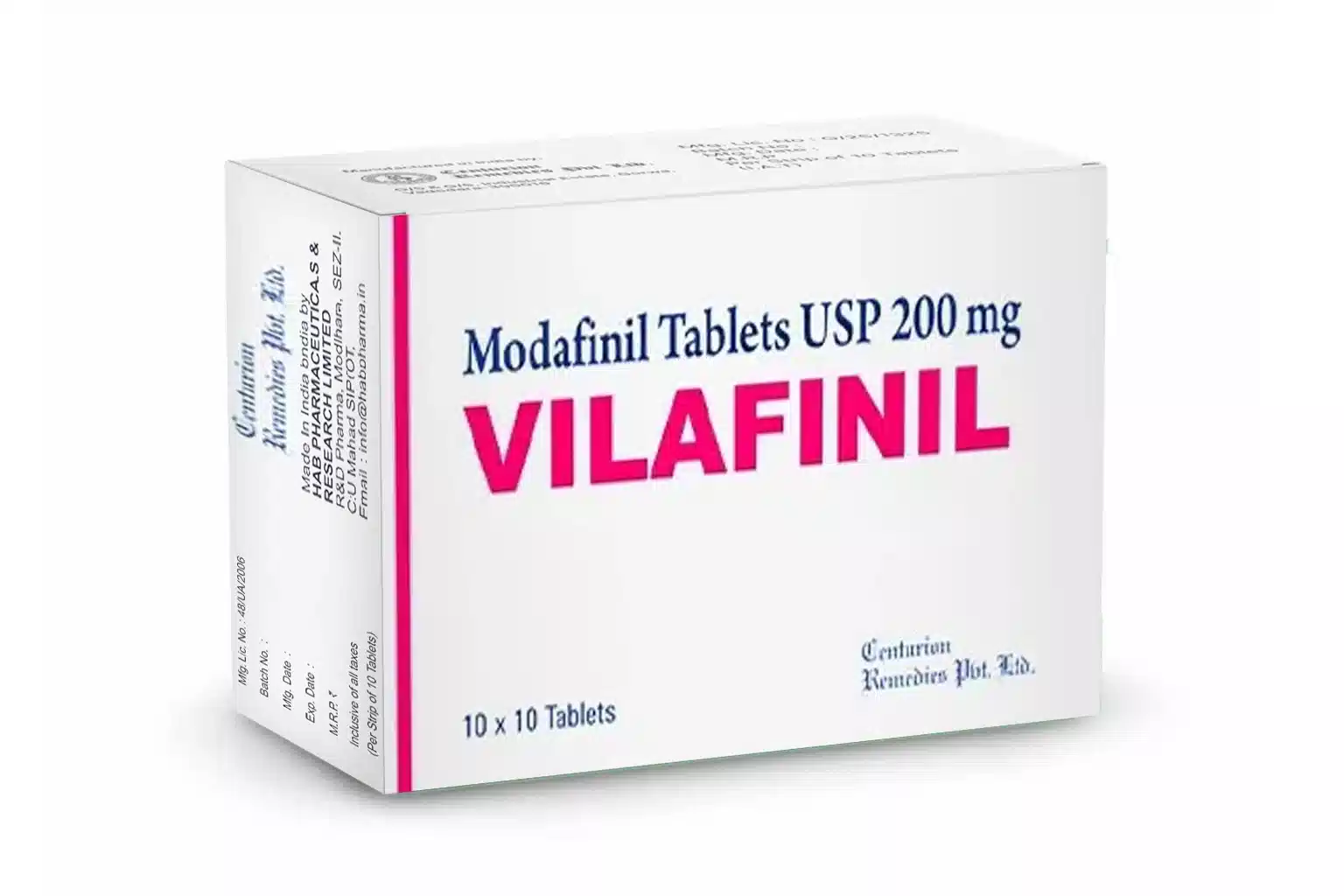
Vilafinil 200 mg
Price range: $69.00 through $395.00 -
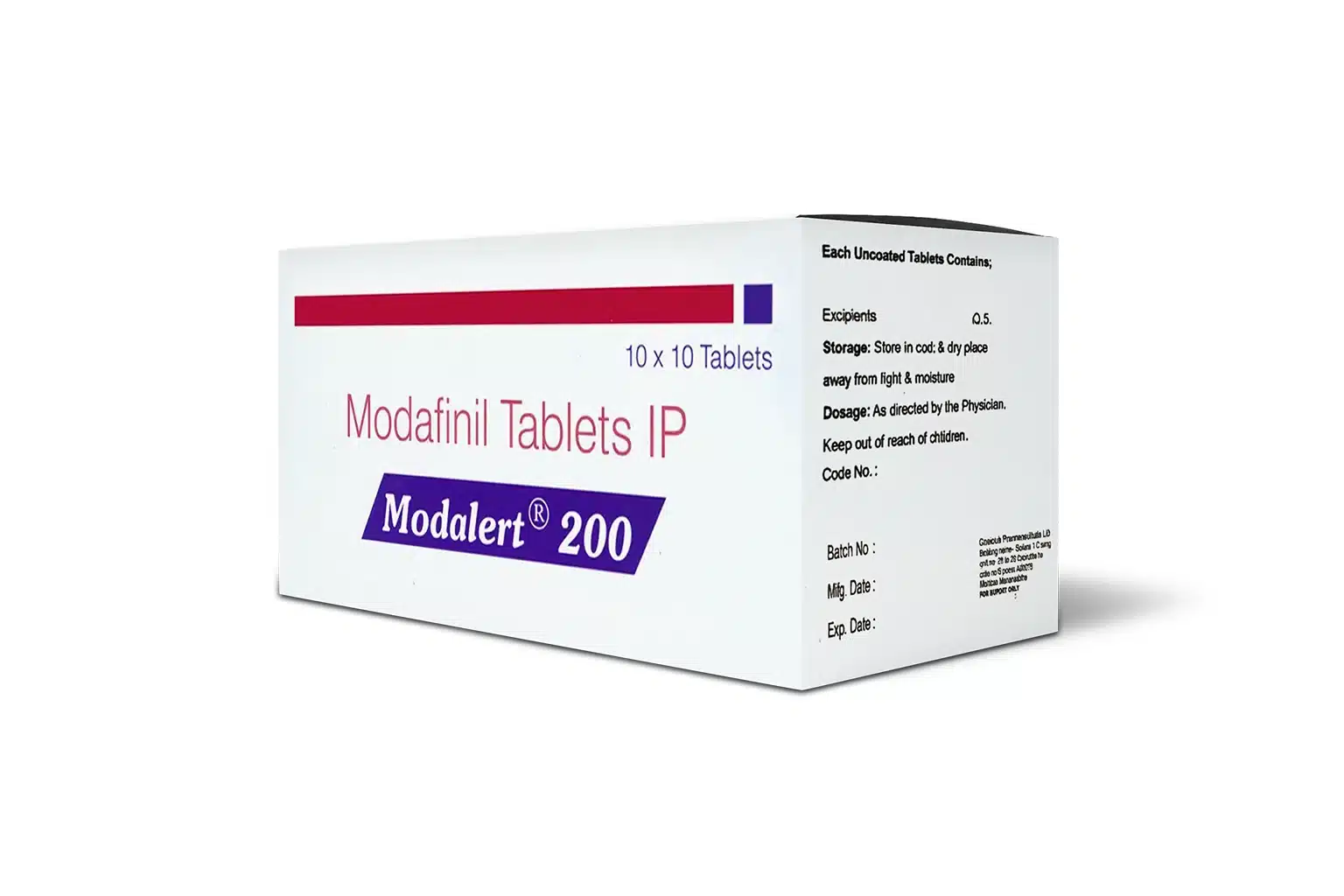
Modalert 200 mg
Price range: $69.00 through $449.00 -
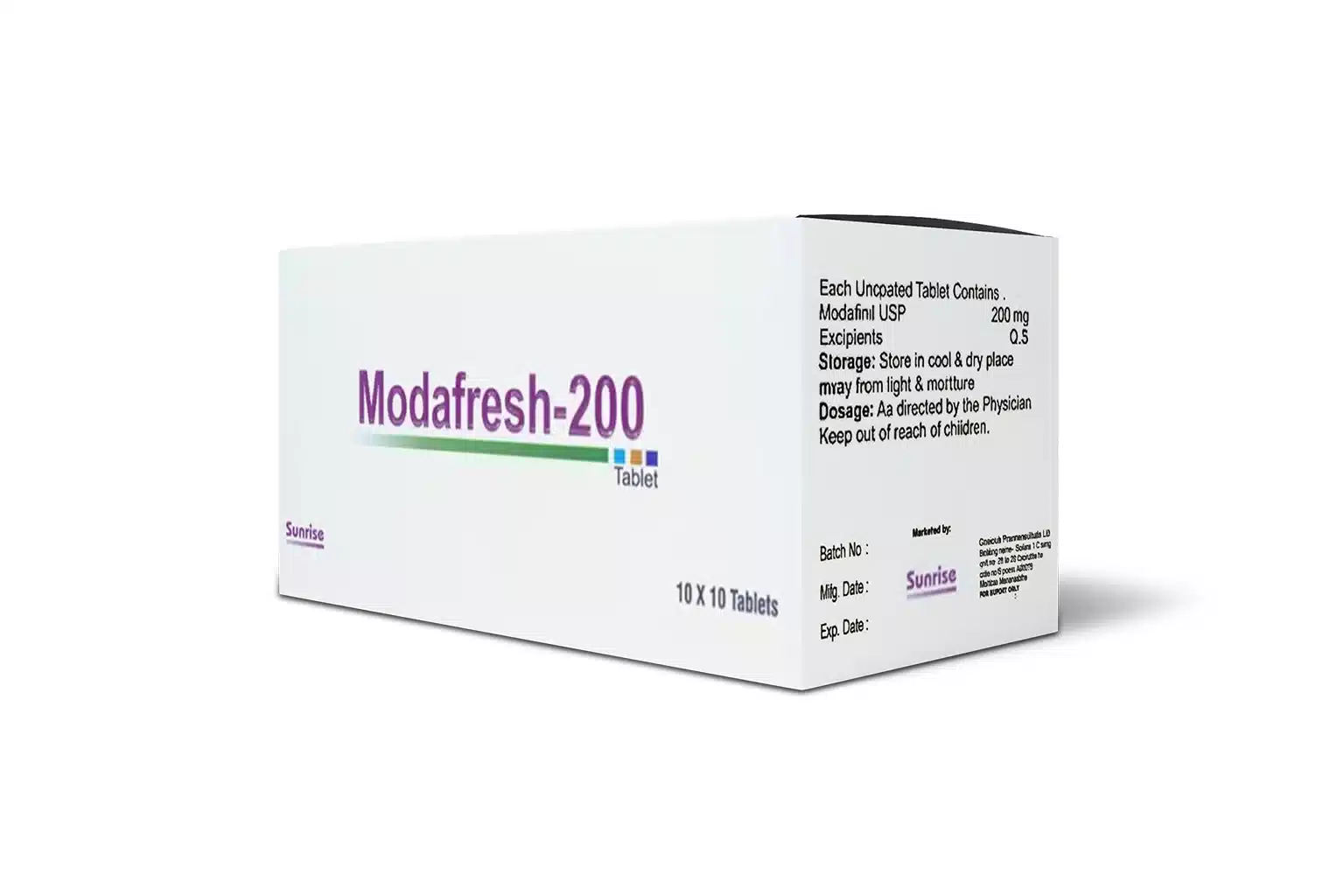
Modafresh 200 mg
Price range: $65.00 through $329.00

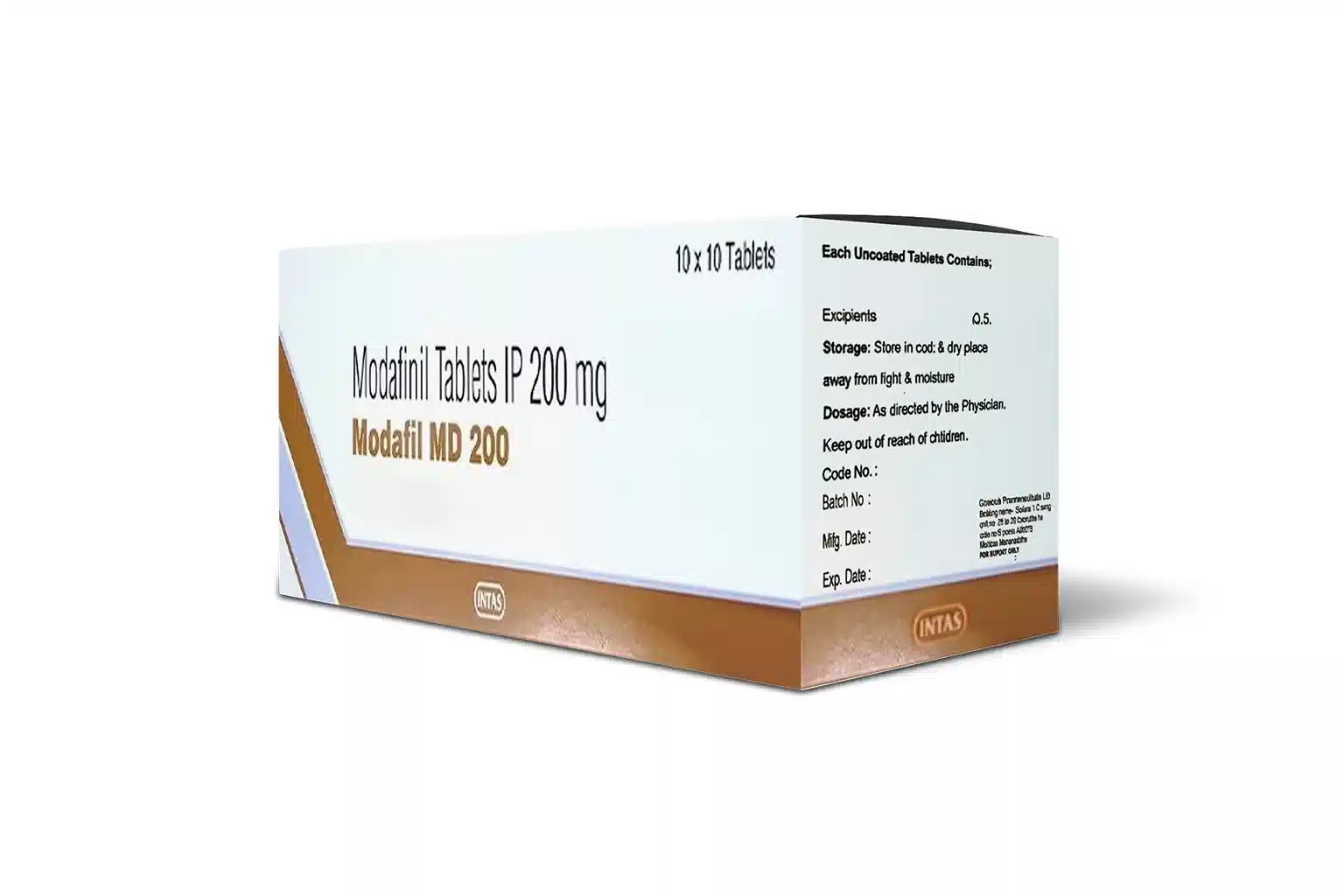

Sunosi is a prescription medication that is used to treat excessive daytime sleepiness associated with narcolepsy or sleep apnea. It’s a brand name for Solriamfetol that belongs to the chemical class of phenylalanine derivatives.
How does it work?
Unlike armodafinil, Sunosi is a Dopamine and Norepinephrine Reuptake Inhibitor (DNRI). This dual action gives it a more traditional stimulant-like profile. By inhibiting the action of both the transmitters, it increases their levels in synaptic cleft, which enhances wakefulness.
Benefits:
- Improved wakefulness
- Faster onset of action
- Single dosing therapy
- Non-stimulant
Sunosi vs Armodafinil Differences
Mechanism of Action
Features | Armodafinil | Sunosi |
Primary action | Dopamine Reuptake Inhibitor | Dopamine & Norepinephrine Reuptake Inhibitors |
Neurotransmitter impact | Increases dopamine | Increases dopamine and Norepinephrine |
Stimulation Profile | Steady | More activating for some individuals |
- Sunosi vs Armodafinil differences: Cognitive Stimulant
Cognitive stimulants are substances, techniques or activities that are specially designed to improve mental performances. They majorly consist of psychoactive drugs like Armodaxl 150 to improve alertness. When discussing the cognitive stimulant differences both the medications improve alertness but the experience may vary depending on several factors.
When looking at Sunosi vs Armodafinil differences, the cognitive stimulant differences mainly relate to how each medication influences alertness and mental performance. Armodafinil medications such as Armodaxl 150 work primarily on the dopamine pathway, which may promote mental clarity and steady wakefulness throughout the day. On the other hand, Sunosi affects both dopamine and norepinephrine neurotransmitters involved in attention and energy regulation. Because of these differing mechanisms, some individuals may see differences in mental stimulation, task engagement, or overall alertness. However, both medications are approved to treat excessive daytime sleepiness-not as cognitive enhancers and individual responses can vary based on health status, dosage, and physician guidance.
- Onset and duration of action
Armodafinil like Armodaxl 150 has an onset of action in around 1-2 hours whereas Sunosi shows an onset of action in 1 hour.
The duration of action of Armodaxl 150 is seen for approximately up to 15 hours. Solriamfetol shows an action for around 9-11 hours.
Armodafinil generally lasts longer making it ideal for extended wakefulness needs.
- Sunosi vs Armodafinil differences: Side Effect Profile
Armodaxl 150 May Cause:
- Headache
- Insomnia
- Nausea
- Swollen lymph nodes
- Dry mouth
- Rashes
- Depression
- Hallucinations
- Trembling
- Irregular heartbeat
Sunosi May Cause:
- Increased blood pressure
- Headache
- Anxiety
- Decreased appetite
- Nausea
- Irritation and anxiety
- Trouble in breathing
- Dizziness
Side-effects may vary from person to person and thus both the medications should be taken under the supervision of physicians.
- Drug Interactions Comparison
Sunosi vs Armodafinil differences, understanding potential drug interactions is essential. Because both medications affect brain neurotransmitters involved in alertness, they may interact with other prescription drugs, supplements, or medical therapies.
Effectiveness of the medication, increase in adverse effects, etc are influenced by drug interactions. Always consult a healthcare provider before combining 2 or more medications.
Armodafinil Drug Interactions
Armodafinil is metabolized in the liver and can affect certain enzymes in the body.
Common Interaction Considerations are:
- Hormonal contraceptives
It may reduce the effectiveness of birth control pills, patches, or implants. Alternative or backup contraception may be required.
- CYP3A4 substrates
The medication may lower the blood levels of drugs such as immunosuppressants, antifungals, etc.
- CYP2C19 substrates
It inhibits this enzyme, which can increase levels of drugs such as Diazepam, Phenytoin, Propranolol, and Omeprazole.
- Warfarin
Increased monitoring of blood clotting parameters should be done when using Warfarin with Armodafinil.
- Other CNS stimulants
Combining with other stimulants may increase the risk of tachycardia, nervousness, anxiety, or insomnia.
Sunosi Drug Interactions
Sunosi (Solriamfetol) has a different interaction profile. It is primarily excreted unchanged through the kidneys and has minimal CYP enzyme involvement.
Common Interactions that need to be considered are:
- Monoamine Oxidase Inhibitors (MAOIs)
These medications should not be used at least 14 days prior to the use of the drug as it can increase the risk of hypertensive reactions.
- Dopaminergic medications
Concomitant use of dopamine-affecting drugs may increase side effects such as agitation or restlessness.
- Blood pressure medications
Sunosi usually causes hypertension and an increase in the heart rate, Cautious use of the medication is usually recommended when used with antihypertensives.
- Other stimulants
Concurrent use may raise cardiovascular risks.
Cardiovascular monitoring is important when using the drug but since it does not affect liver enzymes, metabolic drug interaction profile is a bit straightforward and easy to know.
Dependence & Misuse Potential
When looking at Sunosi vs Armodafinil differences, Both the drugs are classified as Schedule IV controlled substances in the U.S., meaning they carry a low but possible risk of misuse. While they are not considered highly addictive like traditional stimulants, improper use, higher-than-prescribed doses, or use without medical supervision may increase the risk of psychological dependence. When taken as directed by a healthcare provider, the risk of abuse or withdrawal is generally low, but monitoring is recommended, especially in individuals with a history of substance use disorder.
Who should avoid these medications?
Not every medication that is available in this world is suitable to each and every individual. Similarly, although Armodafinil (Armodaxl 150) and Sunosi are effective against daytime sleepiness, they are not suitable for everyone. Let’s see Sunosi vs Armodafinil differences in usage population?
Who should use Armodafinil?
It may not be suitable for individuals that are suffering with:
- Severe Liver Impairment
- Known hypersensitivity towards any of the ingredients
- History of severe skin condition
- Psychiatric conditions
- Hormonal Contraceptive Users
Who should avoid Sunosi?
It should be avoided in individuals:
- That are suffering from uncontrolled hypertension
- Severe Cardiovascular conditions
- History of Stimulant Sensitivity
Why Screening Matters?
In the Sunosi vs Armodafinil differences, safety is highly individualized. Certain medication may be appropriate for one patient but not for another based on cardiovascular conditions, liver function, kidney health, psychiatric history, or concurrent medications.
For this reason, these medications should always be taken under physician supervision, with periodic monitoring when necessary.
Sunosi vs Armodafinil differences: Quick Comparison
Let’s see a quick summary of Sunosi vs Armodafinil differences:
Factors | Armodaxl 150 | Sunosi |
Active Ingredient | Armodafinil | Solriamfetol |
Drug class | Dopamine Reuptake Inhibitor | Dopamine & Norepinephrine Reuptake Inhibitors |
Dosage | Tablet (150 mg, 250 mg) | Tablet (75 mg, 150 mg) |
Uses | Narcolepsy, Sleep apnea, Shift Work Sleep Disorder, etc. | Narcolepsy, Sleep apnea |
Efficacy | Excellent | Good |
Onset of action | 1-2 hours | 1 hour |
Duration of action | Up to 15 hours | 9-11 hours |
Stimulant Intensity | Moderate | Stronger |
Cost | Cost-effective | Expensive |
Generic alternative | Available widely | Not available |
Risk of withdrawal | No | Very low risk |
Conclusion- Which one is right for you?
At first glance, Sunosi and Armodafinil (Armodaxl 150) may seem almost identical. Both are prescribed for excessive daytime sleepiness. Both help people with narcolepsy or sleep apnea stay awake and functional during the day. But as you’ve seen, the differences lie beneath the surface. Armodafinil works primarily through dopamine pathways and is often described as steady and long-lasting. Sunosi, on the other hand, works on both dopamine and norepinephrine, which can create a different wakefulness experience for some individuals. The duration, metabolism, interaction profile, and cost considerations also differ.
Here’s the most important takeaway: There isn’t a universal “better” option.
The right medication depends on your medical history, cardiovascular health, liver or kidney function, other medications you take, and how your body personally responds to treatment. What works perfectly for one person may not be good for another. If you’re considering either medication, the best step isn’t comparing strength-it’s having an open discussion with your healthcare provider. The goal isn’t just staying awake-it’s improving quality of life safely and sustainably.
FAQs
- What is the primary Sunosi vs Armodafinil difference?
The primary difference is that Armodafinil mainly affects dopamine, while
Sunosi affects both dopamine and norepinephrine to promote wakefulness.
- Do they replace the need for sleep?
No. These medications promote wakefulness but do not replace proper sleep. Maintaining healthy sleep habits is still essential.
- Can I switch to Sunosi from armodafinil?
No. Do not switch medications without the advice of a healthcare professional.
- Which medication is more affordable?
Since Armodafinil has wide generic versions it is more affordable compared to Sunosi.