Struggling to Study? Here’s How Wakefulness Tablets Improve

Popular drugs in this class, including formulations often referenced as Modactive 200 mg or generics of modafinil, are used medically for sleep disorders but are sometimes discussed by students as a study focus aid or alertness medicine. This blog explains what these tablets do, what the evidence says about focus improvement, the risks and ethical concerns of using modafinil for students, and safer ways to boost study performance. Read on for balanced, evidence-based guidance to help you make an informed choice.
-

Modalert 100mg Australia
Price range: $69.00 through $449.00 -
Modalert 200mg Australia
Price range: $69.00 through $449.00 -
Armodavinil 150mg
Price range: $69.00 through $395.00 -
Modavinil 200mg
Price range: $69.00 through $395.00 -
Modafil Md 200 mg
Price range: $69.00 through $345.00 -
Modvigil 200mg
Price range: $65.00 through $395.00

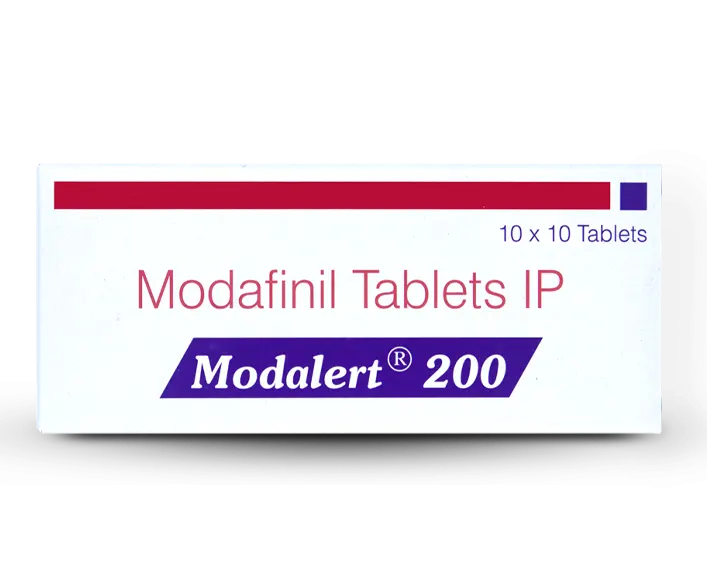
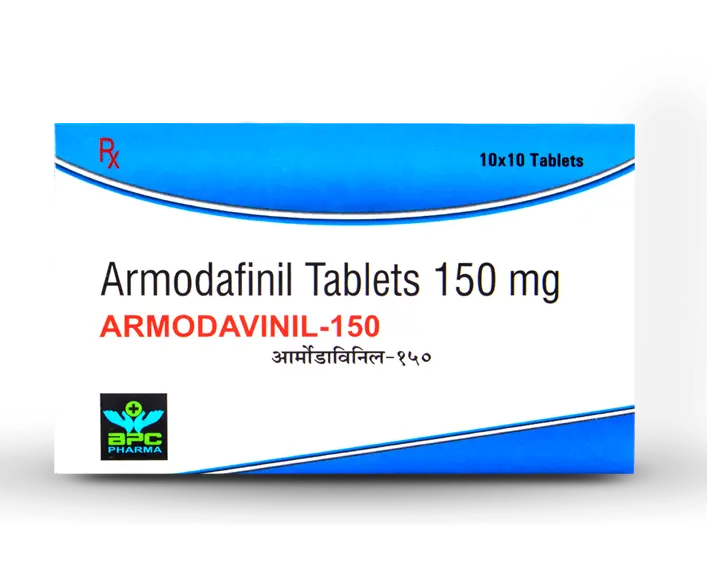



Clinical and experimental studies have looked at how modafinil affects cognition in healthy people. Results are mixed but suggest modest benefits: improvements are most consistent for sustained attention, working memory under sleep deprivation, and complex executive tasks. However, gains vary by task, dose, and individual differences; modafinil isn’t a universal “brain booster.” Importantly, most robust studies are short-term and don’t show durable improvements in learning or creativity over weeks and months. In short, modafinil can help you stay focused during long study sessions, especially when sleep-deprived, but it’s not a shortcut to deeper learning.
Why Students Consider Modafinil
Students cite several reasons for trying wakefulness tablets: all-nighters before exams, long revision sessions, balancing work and study, or coping with jetlag/shift work. Compared with classical stimulants, modafinil is often perceived as causing less jitteriness and a lower risk of dependence, factors that make it attractive as an alertness medicine for academic use. Still, surveys suggest that while some students do use prescription stimulants as study aids, overall prevalence is variable and often under-reported. Using such drugs without medical need or supervision carries legal, ethical, and health consequences.
What Students Might Notice
- Improved sustained attention: You may find it easier to stay on task for longer stretches, especially during monotonous study.
- Less sleepiness during all-nighters: When sleep is short, wakefulness tablets can reduce the urge to nod off.
- Sharper executive functioning in some tasks: Planning, problem solving, and working memory can show modest gains, useful for complex problem sets or exam practice.
Risks & Side Effects
No medication is risk-free. Common side effects of modafinil and related wakefulness agents include headache, nausea, anxiety, and insomnia. Rare but serious reactions can occur (severe skin rashes including Stevens, Johnson syndrome, psychiatric symptoms, and cardiovascular concerns). Modafinil also interacts with many drugs and can reduce the effectiveness of hormonal contraceptives. For these reasons, it must be used only under medical supervision and with a clear clinical indication.
Legal, Ethical & Academic Considerations
Using prescription wakefulness tablets without a prescription may be illegal in your country and can violate university policies on academic integrity or substance misuse. Beyond legal risk, there are ethical questions: Is it fair to use pharmaceuticals for cognitive advantage? Does it create pressure for peers to follow suit? These are real debates in educational communities and professional bodies. Before you consider a pill to study, weigh the legal and institutional rules, plus the potential for unintended consequences.
Safer Alternatives to Improve Study Focus
If your main goal is focus improvement, try layered, low-risk strategies first:
- Sleep — Prioritize consistent, quality sleep; it’s the single most powerful cognitive enhancer.
- Pomodoro + active recall — Structured study cycles (25–50 minutes focus, short break) combined with retrieval practice improve retention.
- Environment — Minimize distractions, use apps to block social media during study windows.
- Nutrition & hydration — Stable blood sugar and adequate fluids help attention.
- Short caffeine strategy — Coffee or tea timed for study can help; avoid late-day intake that disrupts sleep.
- Consultation — If chronic daytime sleepiness is a problem, see a clinician: there may be untreated sleep apnea, narcolepsy, or circadian issues that deserve medical treatment.
How to Approach Wakefulness Tablets Responsibly (If a Doctor Recommends Them)
If you have a diagnosed sleep disorder (narcolepsy, shift work sleep disorder, etc.) and a clinician prescribes a wakefulness tablet like modafinil (sometimes marketed as Modactive 200 mg or other brand/generic names), follow these principles:
- Use only under prescription — Don’t share pills or use someone else’s prescription.
- Follow dosing & monitoring — Take the dose recommended by your doctor and report side effects promptly.
- Review interactions — Tell your prescriber about all medicines and supplements you use (modafinil affects liver enzymes and several drug levels).
- Consider contraception interactions — Women using hormonal contraceptives should be aware that effectiveness can be reduced, and they may need alternative measures.
- Avoid driving or operating heavy machinery until you know how it affects you.
Combine Strategy with Pharmacology
If a clinician prescribes modafinil and you’re using it for a legitimate medical condition, don’t expect the pill to magically replace good study technique. Combine medication with evidence-based study habits:
- Set micro-goals for each session (what you will learn in 45–60 minutes).
- Use active study methods (self-testing, summarization, teaching a peer).
- Sequence hard tasks during peak alertness windows—use the medication’s onset to schedule demanding work.
- Prioritize recovery—sleep and breaks are essential to consolidate learning that the medication can’t create.
- Track effects—keep a study log documenting focus levels, side effects, and outcomes so you and your clinician can adjust plans.
Myths vs. Reality
Myth: Modafinil turns anyone into a genius.
Reality: It can improve certain cognitive functions (especially sustained attention) but does not increase raw intelligence or replace studying. Benefits are task-dependent and often modest.
Myth: It’s harmless because it’s “non-amphetamine.”
Reality: While it has different pharmacology and generally lower abuse liability than amphetamines, it still has side effects, interactions, and rare serious risks.
Bottom Line
Wakefulness tablets such as modafinil (including branded formulations like Modactive 200 mg) can be an effective alertness medicine for people with diagnosed sleep disorders, and laboratory studies show they may offer modest focus improvement in specific cognitive tasks. However, for otherwise healthy students, the picture is complicated: ethical and legal issues, side effects, potential drug interactions, and limited long-term evidence make unsupervised use inadvisable. If poor focus is a chronic problem, start with sleep and evidence-based study techniques; consult a clinician if daytime sleepiness persists. In matters of brain, behavior, and health, smart strategy beats quick fixes.
FAQs
Q1: Is modafinil safe for students who want to cram for exams?
A: No medication should be used off-label without medical supervision. Modafinil can reduce sleepiness and may improve alertness in the short term, but it carries risks and does not replace adequate sleep or good study techniques. If you’re chronically sleepy, see a doctor.
Q2: What is Modactive 200 mg?
A: Modactive is a brand name used in some markets for a 200 mg formulation of modafinil. Brand names vary by country; always confirm with a pharmacist or clinician. Brand or generic identity doesn’t change the need for prescription oversight.
Q3: Will modafinil help with long-term learning and memory?
A: Evidence for durable improvements in learning or creativity is limited. Most benefits are acute (better attention, less sleepiness). Long-term academic success depends primarily on study quality and sleep.
Q4: Are there legal risks to using modafinil without a prescription?
A: Yes. Distribution and possession laws differ by country; obtaining or using prescription drugs without authorization may be illegal and can carry penalties. University policies may also punish unauthorized use.
Q5: What should I do if I’m considering modafinil for focus?
A: Talk to a qualified clinician. Get evaluated for underlying sleep disorders or medical causes of daytime sleepiness. Only start any prescription medication after a full discussion of benefits, risks, and alternatives.
References
- Greenblatt DJ. Modafinil. StatPearls. 2023. Summary of mechanism, indications, and pharmacology. NCBI
- FDA. PROVIGIL® (modafinil) Tablets – Prescribing Information. U.S. Food & Drug Administration. (Label). Provides official indications, contraindications, and safety warnings. FDA Access Data
- Battleday RM, Brem AK. Modafinil for cognitive neuroenhancement in healthy non-sleep-deprived subjects: a systematic review. Psychopharmacology. 2015. Analysis of cognitive effects in healthy individuals. ScienceDirect
- Sharif S, et al. The Use and Impact of Cognitive Enhancers among University Students. Frontiers in Neuroscience / PMC. 2021. Review of student use, prevalence, and ethical concerns. PMC
Health Canada / product monographs and NHS guidance on modafinil: clinical monitoring and safety (see local prescribing information for your country). HRES PDF