When Time Zones Attack: A Smarter Way to Beat Jet Lag
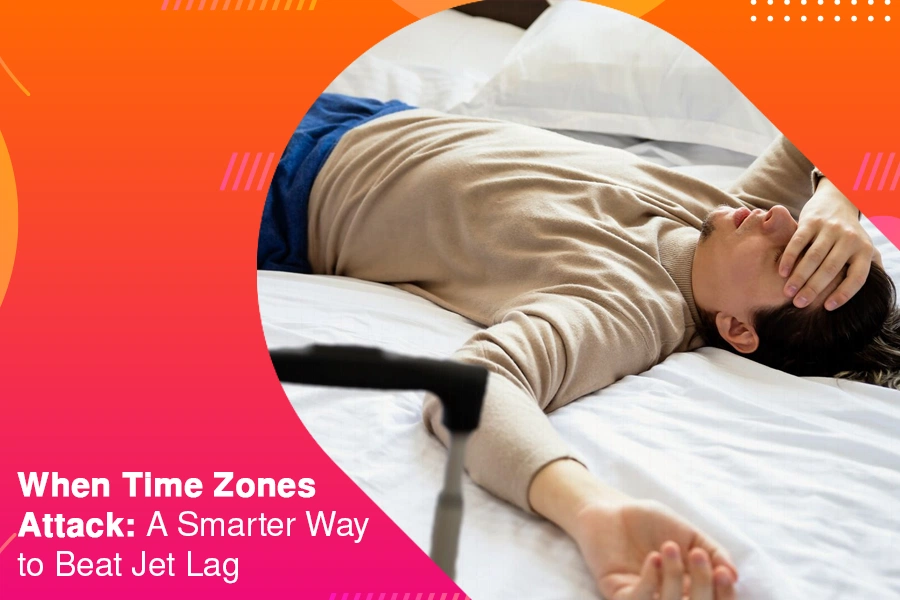
Jet Lag is commonly associated with international travelling as there are differences in time zone. Jet lag frequently causes sleep disruptions, which can throw your body’s internal clock out of sync with the day-night cycle at your destination.
-

Modavinil 200mg (Modafinil)
Price range: $69.00 through $395.00 -
Modafil Md 200 mg (Modafinil)
Price range: $69.00 through $345.00 -
Modvigil 200mg (Modafinil)
Price range: $65.00 through $395.00 -
Vilafinil 200 mg (Modafinil)
Price range: $69.00 through $395.00 -
Modalert 200 mg (Modafinil)
Price range: $69.00 through $449.00 -
Modafresh 200 mg (Modafinil)
Price range: $65.00 through $329.00

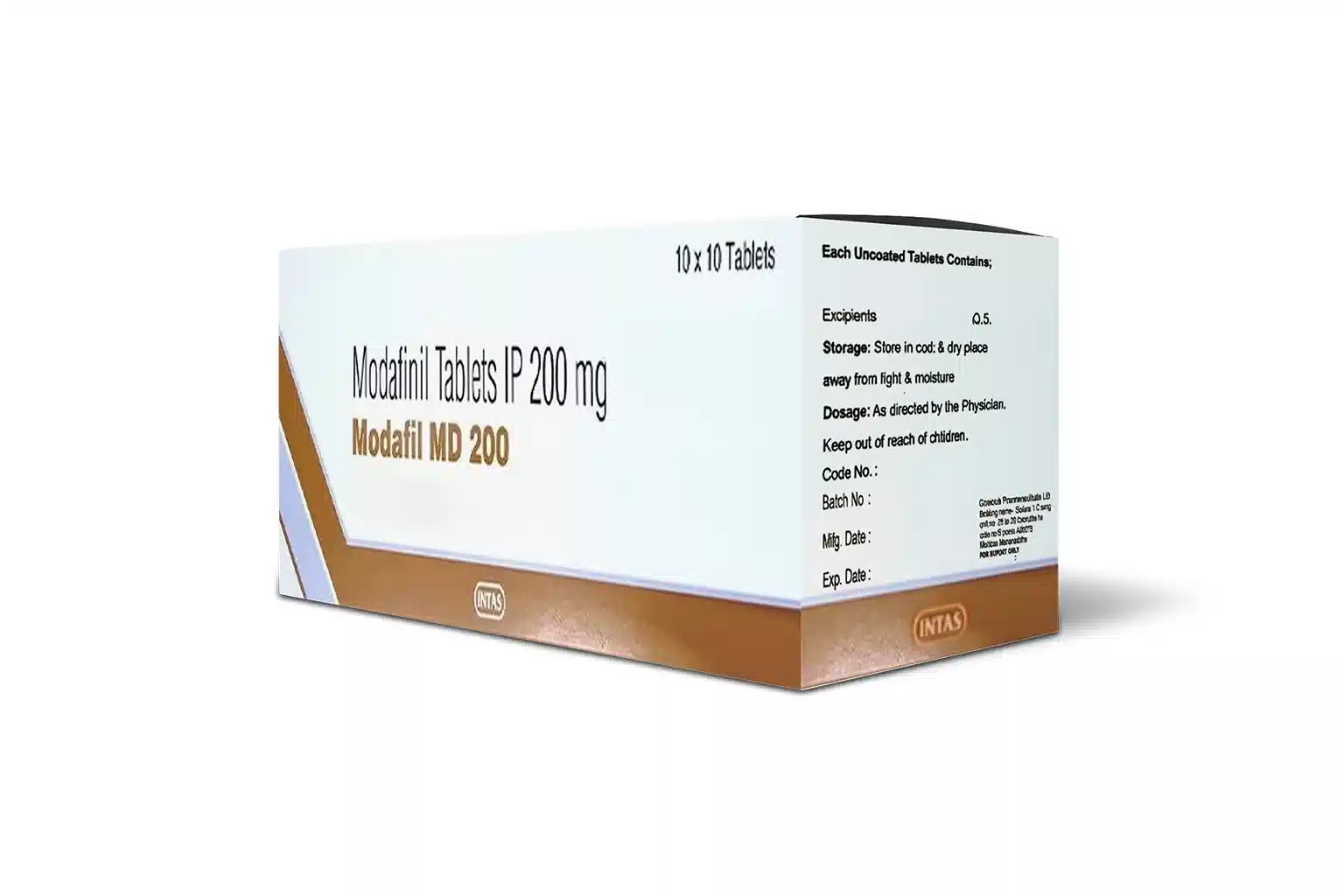

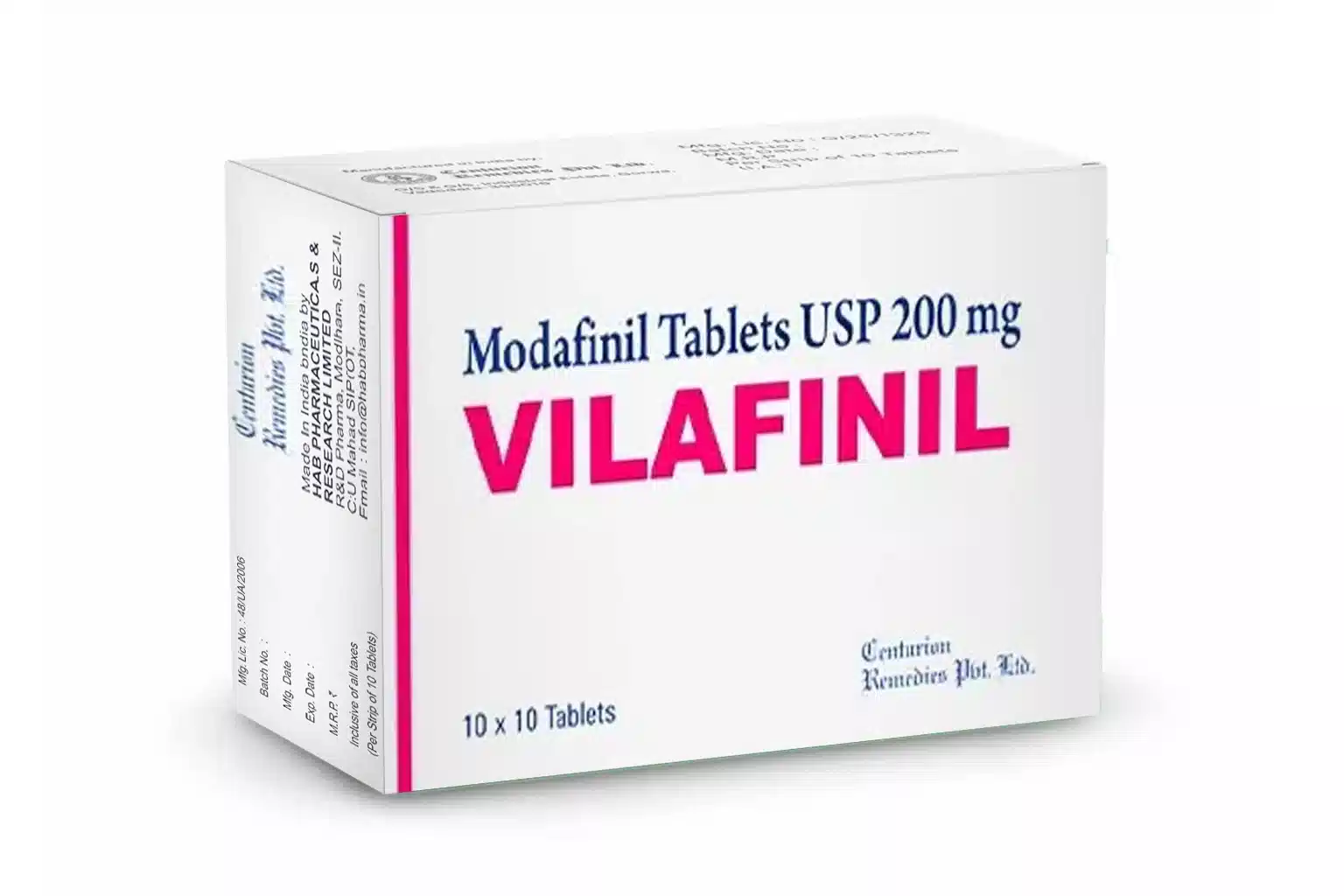
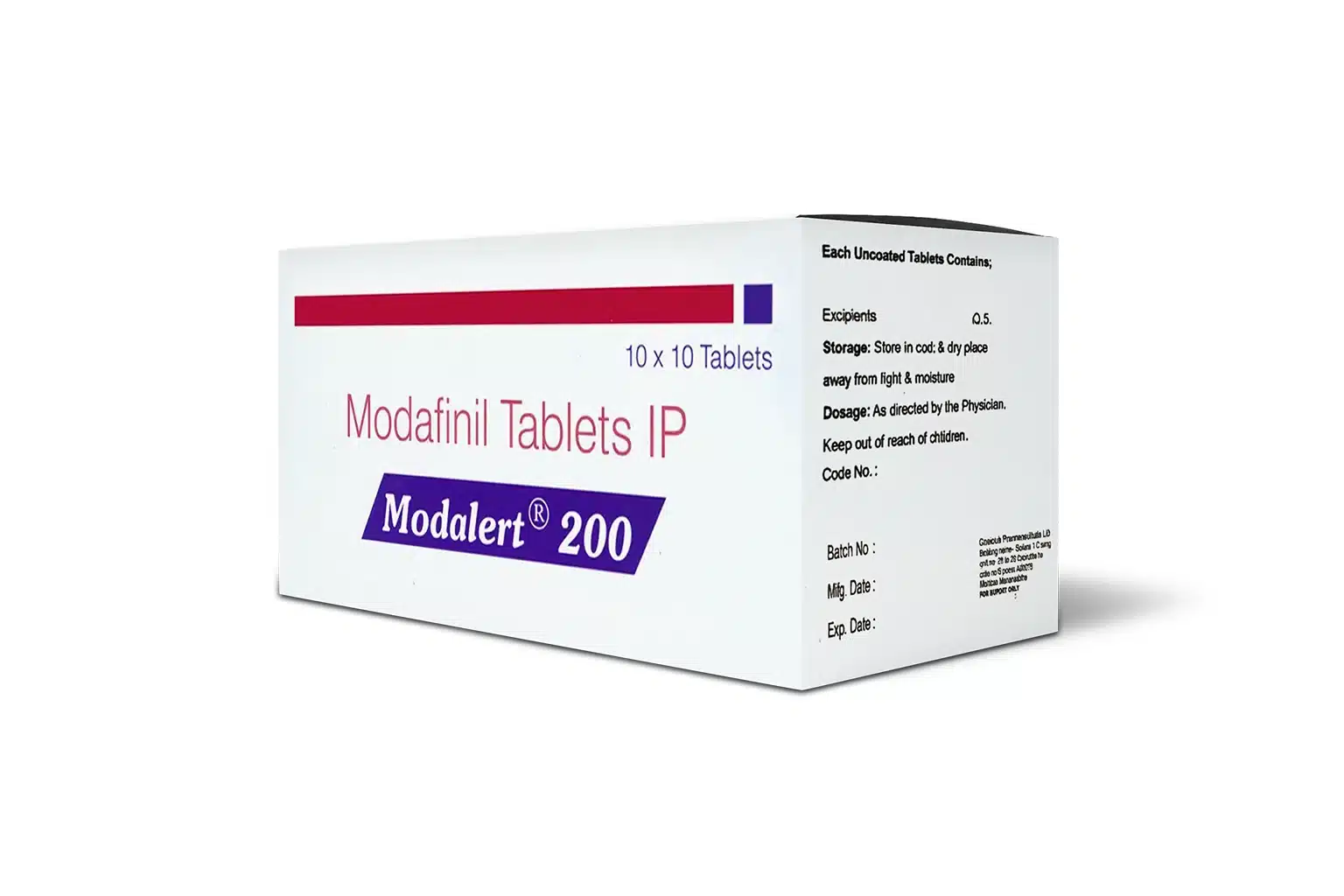
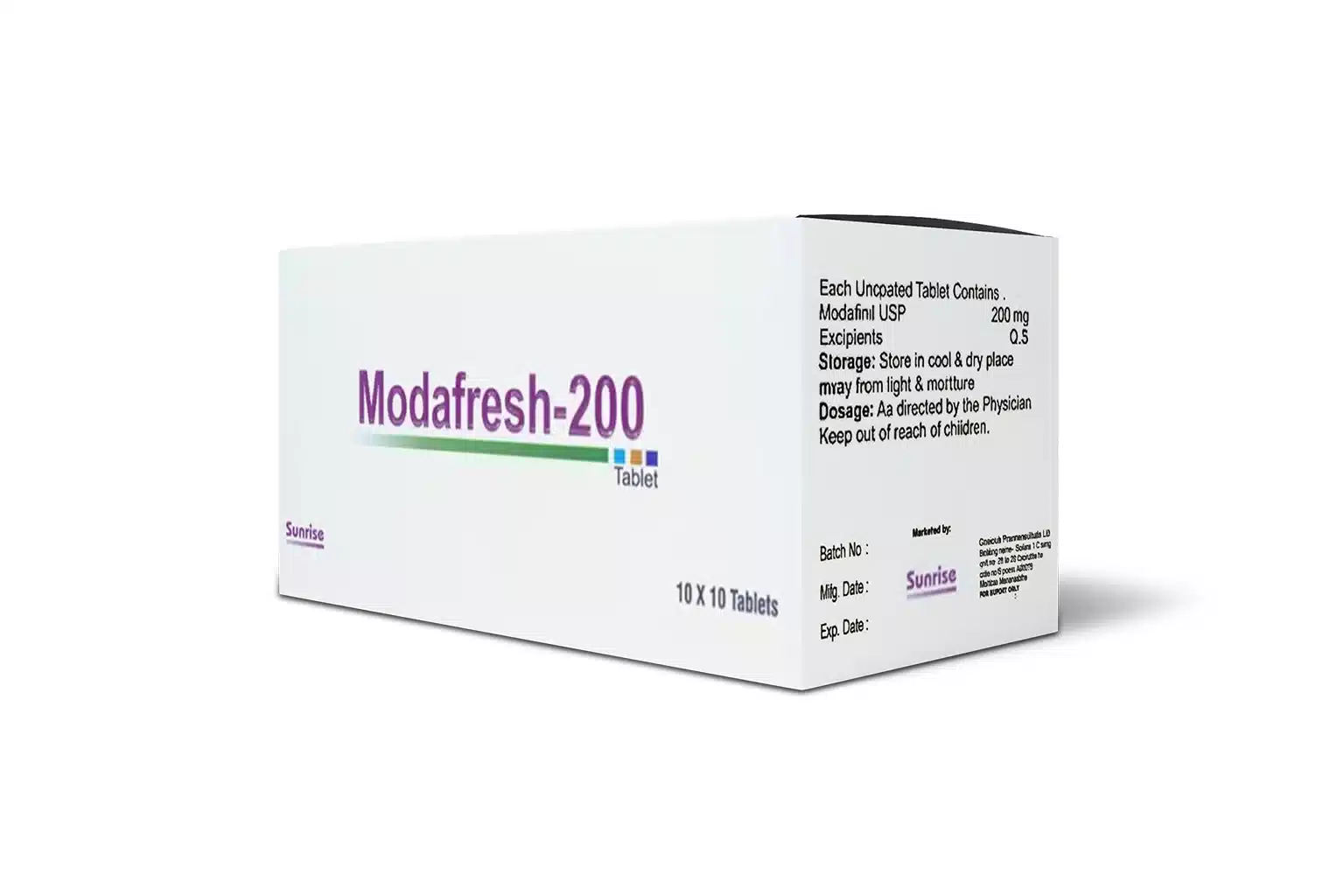
There is no single cure. Successful jet lag recovery happens in phases: before travel, during the flight, and after landing. Prevention is always better than cure! Try to prevent jet lag to the utmost than treating it later. In individuals who must remain alert despite disrupted sleep, short-term medical support such as wakefulness-promoting drugs like Modafinil may sometimes be considered alongside behavioural strategies. Here are few tips on how to prevent jet lag:
Phase 1: Before Travel
- Rest well: Having a party or a late-night shift before the trip? Make sure to rest well before the flight so it doesn’t give you more fatigue. You can follow your normal work schedule but don’t strain yourself much which will cause issues during your travel. Taking a day off before traveling can be a plus point. Let your children rest as well. As often, most of the trip is wholly dependent on their health.
- Adjust your body’s natural clock: A few days before you travel, you can begin adjusting your body’s natural clock to the time zone at your destination. Depending on where you are traveling you can adjust your sleep patterns to get used to the time change:
– If traveling west, go to bed an hour or two later than usual.
– If traveling east, go to bed an hour or two earlier than usual.
- Travel 2 days before: If you are travelling for an important event try to fly at least 2 days prior so that you will have 2 days to adjust to the time zone.
- Small meals: Stomach aches and other stomach problems are often associated with jet lag. Eating a smaller meal can help to beat jet lag.
- Pack essential accessories: Travelling in an airplane with so many people can be challenging, pack your stuff such as earplugs, eye mask, comfortable clothing which will give you a better sleep.

Phase 2: During Travel
- Stay hydrated- Hydration is the key to all the problems. Airplane cabins often bring in dehydration so make sure to have plenty of water while you are travelling. Finish one of your water bottles before security check for the obvious reasons and make sure to fill it up after that.
- Stretching: It is important to move and stretch in the plane especially in longer duration flights. Stand up and move so that it prevents blood clotting and muscle stiffness.
- Limit alcohol: Alcohol reduces the quality of sleep overall. It is best to cut down alcohol while travelling and after arrival.
- Caffeine: Avoid caffeine in the evening as it can keep you awake the whole night. You need to strategically plan your caffeine intake while travelling.
- Exercise: Exercise has beneficial effects on the mind and body, so make time to be physically active at your destination. Avoid strenuous exercise before sleeping as it will make it difficult for you to sleep. Gentle exercises like taking a walk or practising yoga can help you in sleeping early.
- For travellers with unavoidable daytime responsibilities, doctors may occasionally recommend medications such as Modvigil 200 mg to counter excessive sleepiness while circadian adjustment is ongoing.
Light Exposure
Natural light has the biggest influence on circadian rhythm. Light from the sun, even on a cloudy day, is a critical signal interpreted by the brain to regulate our internal clock. When you get exposed to the natural light after your arrival, the body automatically starts speeding up the process of adjusting to the new time zone; however, you may not want to immediately rush outside. Depending on how far you’ve travelled and the time you land, it may be better to avoid light when you first arrive and then have extended light exposure earlier the next day.
Man-made light, including electronic devices, also affects circadian rhythm. For this reason, try to avoid electric light during planned periods of darkness and sleep. When natural light exposure isn’t an option, bright indoor lights, phones and laptops, or light therapy lamps can provide higher illuminance with a greater circadian effect. Avoiding light exposure at the wrong time is also important to prevent your clock from shifting in the wrong direction and making jet lag worse. When indicated, avoiding light can mean dimming indoor lights, avoiding use of electronic devices, or wearing sunglasses. The circadian system measures changes in light, so light avoidance does not mean darkness-just less light exposure than when advised to see light.
Melatonin
The hormone melatonin is naturally made by the body and is the biochemical signal of darkness. Melatonin is usually produced at night, 2 or 3 hours before the normal bedtime of a particular person. Two key functions of melatonin are helping sleep initiation and regulating your circadian rhythm.
When your circadian rhythm is disrupted by jet lag, the timing of melatonin production can be thrown off. A number of studies have found that taking low-dose (1-3mg) melatonin supplements at the right time may help realign your internal clock. Like light, melatonin can shift the clock either earlier or later and so timing is crucial.
Melatonin is sold as an over-the-counter dietary supplement available without a prescription in the U.S. In most countries, it is a prescription medication. Some prescription drugs also boost melatonin levels. Most people can take melatonin without significant side effects, but in some people, it can cause grogginess or stomach problems and may have interactions with other medications. Some people should not take melatonin, so make sure to check the safety advice or ask your doctor. Do not take melatonin for the first time on the plane in case of unexpected reactions. As with any drug or supplement, it’s best to consult with your doctor before taking melatonin.
Avoid long layovers in extra time zones if you can.
This can further throw off your internal clock since you don’t have enough time to fully adjust. A nonstop flight or layovers with just enough time to change planes are best.
Can Medications Help with Jet Lag?
There is no medication that “cures” jet lag. However, in certain situations, medications may help manage symptoms and beat jet lag on some level.
Melatonin may assist with sleep timing when used correctly. In some individuals-especially those who must remain alert during the day despite disrupted sleep-doctors may consider wakefulness promoting agents such as Modvigil 200 mg. This does not reset the body clock but may temporarily help reduce excessive daytime sleepiness during jet lag recovery.
Any medication should be used only under medical guidance, as improper use can delay circadian adjustment.
Jet Lag Recovery Checklist
Use this checklist to beat jet lag:
- Adjust sleep schedule before travel
- Stay hydrated before, during, and after the flight
- Get sunlight at the correct local time
- Eat meals according to destination time
- Take naps for 20–30 minutes only
- Avoid caffeine late in the day
- Reduce screen exposure before bedtime
- Be patient-your circadian cycle needs time
When Should You See a Doctor?
Seek medical advice if:
- Jet lag symptoms last longer than 2 weeks
- Sleep disruption becomes severe or persistent
- You experience mood changes, anxiety, or brain fog
- Work performance or safety is affected
Long-lasting symptoms may indicate an underlying circadian rhythm sleep disorder rather than routine jet lag.
Final Takeaway: Outsmarting Jet Lag
Jet lag is not something you fight-it’s something you guide. Your body clock doesn’t reset instantly, no matter how fast you travel. But with preparation, light control, smart sleep timing, and patience, your biology will realign. When time zones attack, the smartest way to beat jet lag is to work with your internal clock-not against it.
FAQs
- Is jet lag worse when traveling east or west?
Yes. Eastward travel tends to cause more severe jet lag because it requires the body clock to advance which is harder than delaying sleep during westward travel.
- Should I avoid caffeine when trying to beat jet lag?
Caffeine should be used strategically. It may help with daytime alertness but should be avoided in the late afternoon or evening, as it can interfere with sleep and delay recovery.
- Is travel fatigue and jet lag the same?
No. Travel fatigue refers to general tiredness caused by long journeys, stress, dehydration, and poor sleep. Jet lag is specifically caused by crossing time zones and disrupting the circadian rhythm.
- Can naps help with jet lag recovery?
Short naps (20–30 minutes) can help reduce sleepiness without interfering with night-time sleep. Long or late naps may delay circadian adjustment and worsen jet lag.