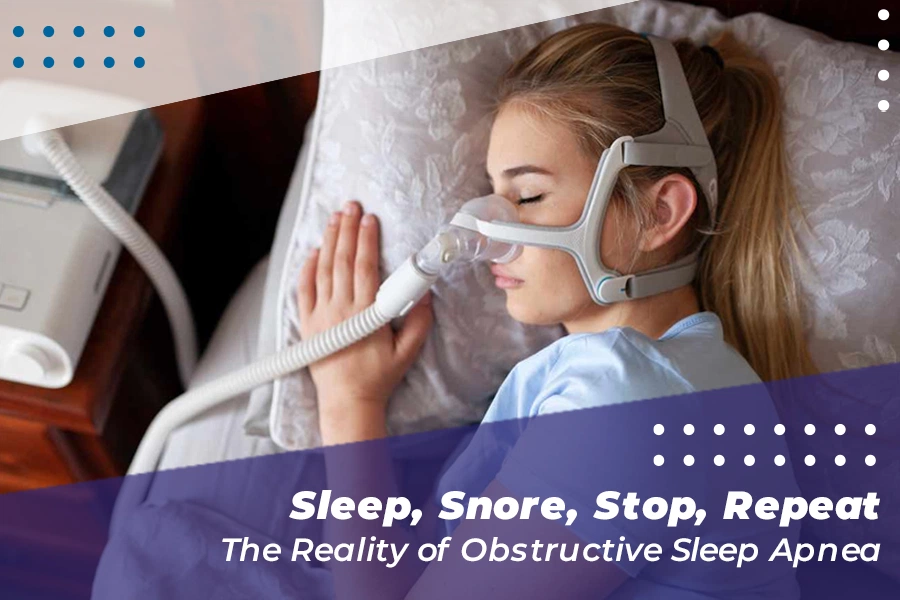
A blockage in your upper airway may cause a condition called Obstructive Sleep Apnea. This prevents the air from flowing normally in the lungs.
Causes of OSA are:
Obesity is one of the common causes of Obstructive Sleep apnea. Fat usually gets deposited on the lining of the blood vessels which slows down the blood flow. Fat deposits around the neck and throat that narrows the airway and increases breathing obstruction.
Certain physical characteristics can increase the risk of OSA:
- Enlarged Tonsils or adenoids
- Narrow airway
- Large neck circumference
- Large tongue
- High arched hard palate
- Receding jaw or small chin
Nasal congestion and obstructive sleep apnea are strongly linked together. Nasal congestion is found in almost 70% of apnea patients. Chronic congestion, structural issues like deviated septum, inflammation, sinus, allergies can trigger or worsen OSA by increasing resistance and requiring higher negative pressure to breathe.
Age is another major factor that affects OSA. As the age increases so does the ability of the muscle to function properly decreases. With age, the throat muscles naturally lose tone which makes it difficult for the airway to stay open.
Lifestyle habits like smoking, consumption of alcohol and use of sedatives can relax throat muscles and worsen airway obstruction.
Risk Factors
Research has identified a lot of factors that influence the individuals rate of developing Obstructive Sleep apnea.
- Individuals who are overweight or obese
- Individuals with a family history of OSA or sleep apnea. Researchers suggest that this increased risk can be related to at least one of the factors like shared anatomical features, similar lifestyles or a common environment.
- People around the age group of 60-70 years
- Men
- Women during peri or postmenopausal phase
- People with large tonsils and a neck size of larger than 17 inches
- Individuals suffering with Polycystic ovary syndrome or hypothyroidism
- Genetic conditions that affect the neck or head development like Down syndrome or Prader-Willi syndrome
Diagnosis of Obstructive Sleep apnea
When it comes to any disease, diagnosis plays a very important role. Every disease condition has a different diagnosis method. Let’s have a look at how OSA can be diagnosed. There are two tests to diagnose OSA and they are:
Polysomnography is also known as sleep study. It is a test or study that is done when you are fully asleep to monitor brain waves, blood oxygen levels, heart rate, breathing and eye or leg movements. It is the gold standard for diagnosing Obstructive sleep apnea.
Procedure: A technician will apply sensors with mild adhesive to the face, scalp and chest to record brain activity(EEG), heart palpitation(ECG), muscle activity(EMG). A video camera and audio system helps the technician to monitor the patient from another room. The study typically runs overnight which is around 7-12 hours with the goal of recording at least 7 hours of sleep. Sensors are removed in the morning and the data is analyzed for sleep stages and disruptions.
Polysomnography can be quite costly with limited access and long waiting times. For this reason, many novel technologies have been developed to diagnose sleep apnea outside of the sleep lab. This brings home sleep apnea testing into picture. Home sleep apnea testing is used in patients with low probability of the disease. This is similar to Polysomnography study but doesn’t involve brain wave monitoring and other types of sensors and you get to stay home. It involves a wearable device that you can use overnight. As you sleep, the device monitors the brain oxygen levels to detect and measure apneas(pauses in breathing). The test calculates an OSA severity score by taking the average number of lapses in breathing per hour in bed.
During all these tests, the physicians monitor:
- Breathing patterns
- Oxygen levels
- Heart rate
- Brain activity
- Random body movements during sleep
Early diagnosis will help to prevent the dangerous side-effects associated with the disease.
Treatment options for OSA
The treatment of the condition depends on the severity and occurrence of the disease. Every disease can be treated effectively and there are a number of options to do so. Common treatment options are:
For most of the cases, sleeping on the back makes the case worse. If you sleep on your back you can use a pillow or any other strategy to sleep sideways. If you are overweight try to lose weight as it can make the condition a bit better. Maintain a weight that is healthy for you. Alcohol can make the condition worse, avoid using alcohol at least 4 hours before going to bed because it can aggravate the condition. Practising regular exercises will help in maintaining healthy weight which will not worsen the condition.
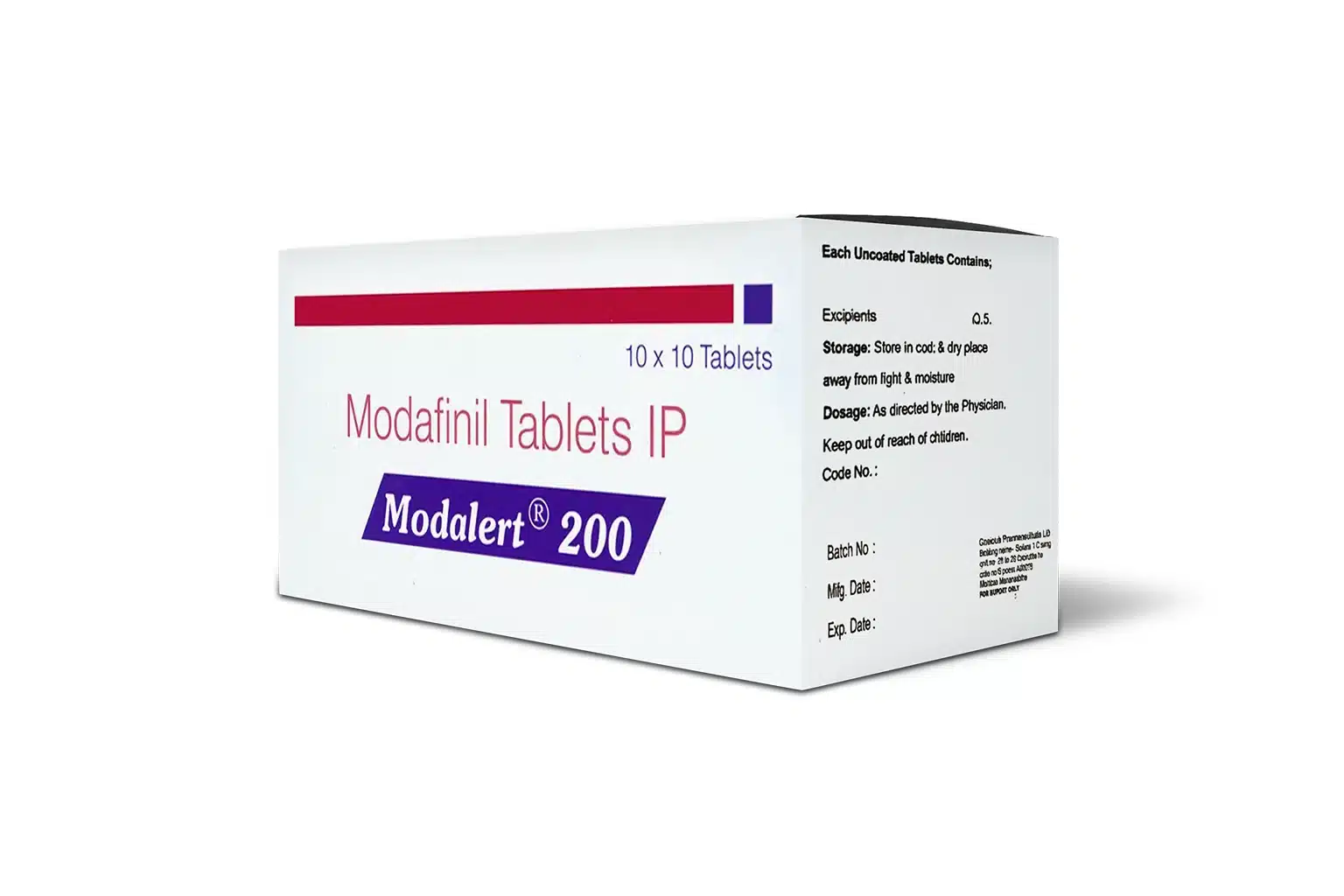
There are many medications in the market that can help with OSA. The active ingredients for these medications are Modafinil and Armodafinil like Waklert 150 mg. One of the highly prescribed medications for such conditions is Waklert 150 mg.
CPAP therapy that stands for Continuous Positive Airway Pressure is the most common and invasive treatment for Obstructive Sleep Apnea. This device delivers continuous air through your mouth or nose to keep your airways open while you are asleep.
One of the last options to cure OSA is surgery. Common type of surgeries to open your airway are:
Surgery is only considered when other treatments fail.
Prevention
Some of the prevention tips for OSA are:
- Maintaining balanced weight and following a healthy diet
- Practicing regular physical activities
- Following good sleep hygiene
- Avoid drinking alcohol hours before going to bed
- Follow-up with your physician regularly
- Quit smoking as it causes inflammation of the airways which will eventually block the airway
- Manage underlying health conditions
- Manage nasal congestion
Conclusion
Obstructive Sleep Apnea might look as something that cannot be prevented or treated. But that is not the case, every disease can be prevented and treated with right medication like Waklert 150 mg and strong will power. By understanding the causes, symptoms, and treatment options, individuals can seek timely medical care and prevent complications associated with untreated sleep apnea.
If you suspect you may have sleep apnea, consulting a healthcare professional and undergoing a sleep study can help determine the right course of treatment and restore healthy sleep patterns.
FAQs
- What is Obstructive Sleep apnea?
Obstructive Sleep apnea is a common, serious sleep disorder that blocks the airways during sleep.
- What are the symptoms of Obstructive sleep apnea?
The common symptoms of OSA are snoring, night sweats, frequent wakening during the night, excessive daytime sleepiness, dry mouth or sore throat, etc.
2. Who is at highest risk for OSA?
Individuals that have fat accumulated at the neck, throat and upper belly are at the highest risk for OSA.
3. What are the normal oxygen levels in the blood?
The oxygen levels vary from person to person but the normal oxygen levels are between 95 to 100%.
4. What are the tests to diagnose OSA?
Obstructive Sleep Apnea (OSA) is diagnosed primarily through sleep studies that measure breathing, oxygen levels, and heart rate.