How Neurotransmitters Shape Your Energy Levels Every Day
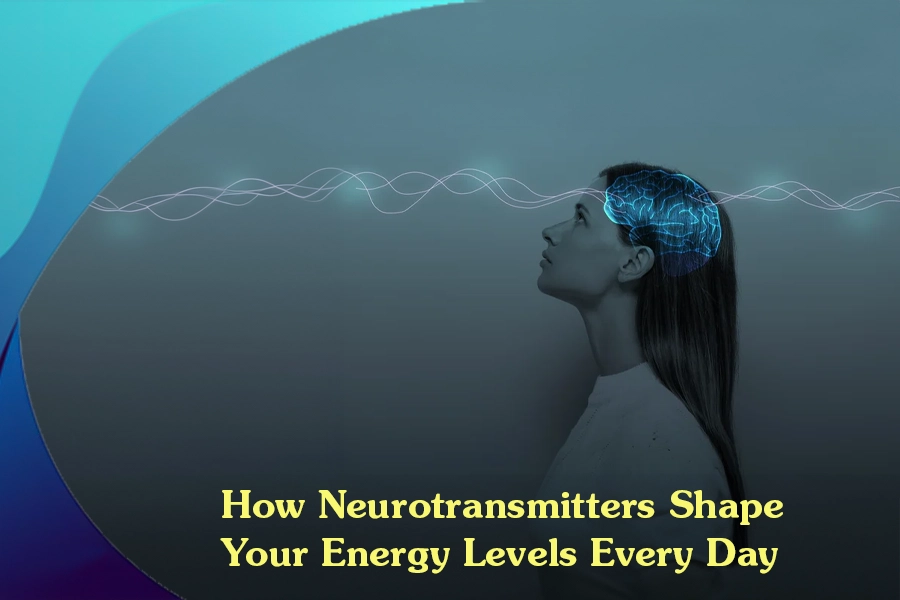
These microscopic molecules orchestrate everything from your mood and motivation to your focus and physical stamina. When they’re balanced, you feel unstoppable. When they’re not, even simple tasks feel overwhelming. Let’s explore the fascinating world of neurotransmitters and energy, and discover how you can optimize these powerful brain chemicals for peak performance.
-

Modavinil 200 mg (Modafinil)
Price range: $69.00 through $449.00 -
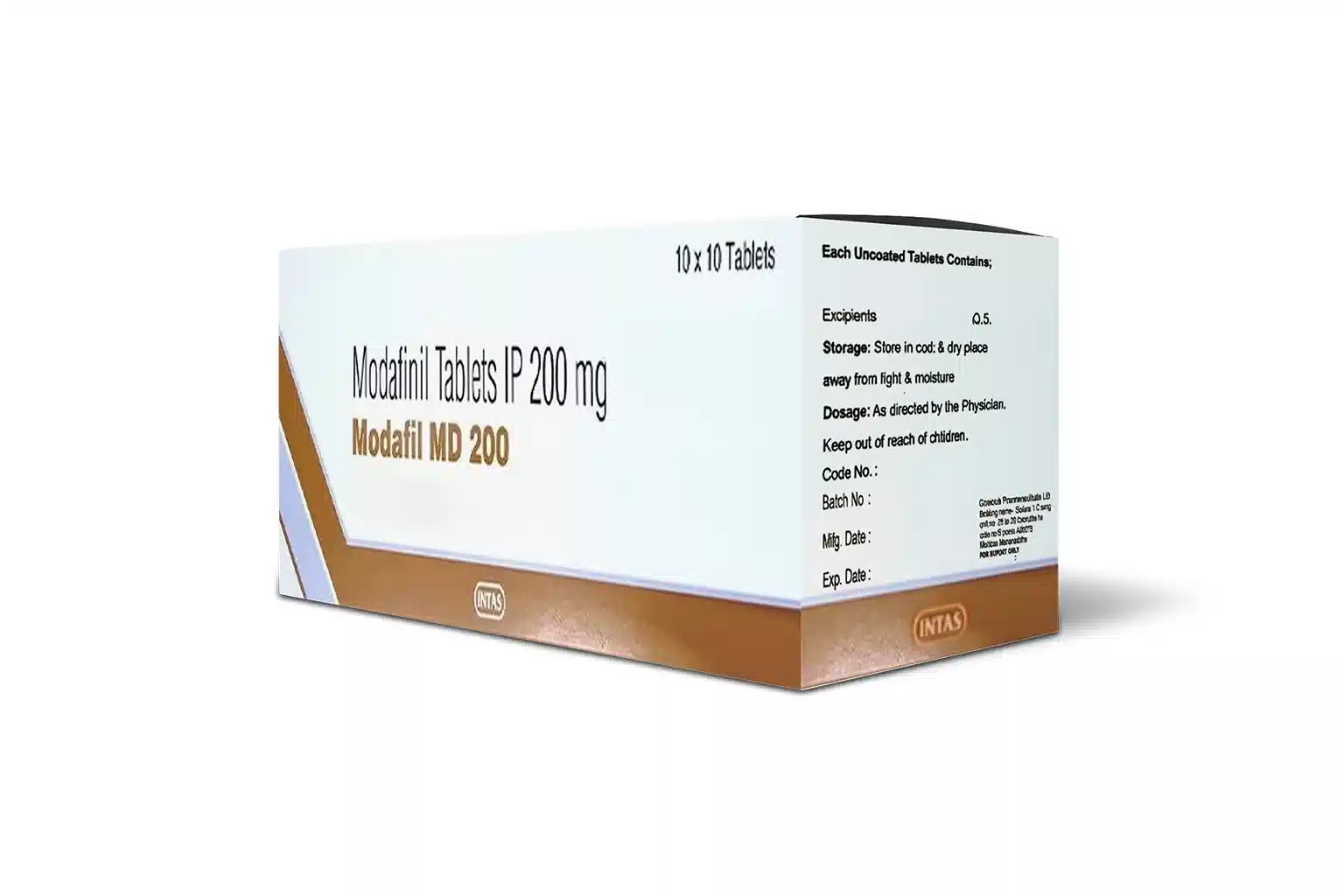
Modafil Md 200 mg (Modafinil)
Price range: $70.00 through $749.00 -
Modvigil 200 mg (Modafinil)
Price range: $69.00 through $449.00 -
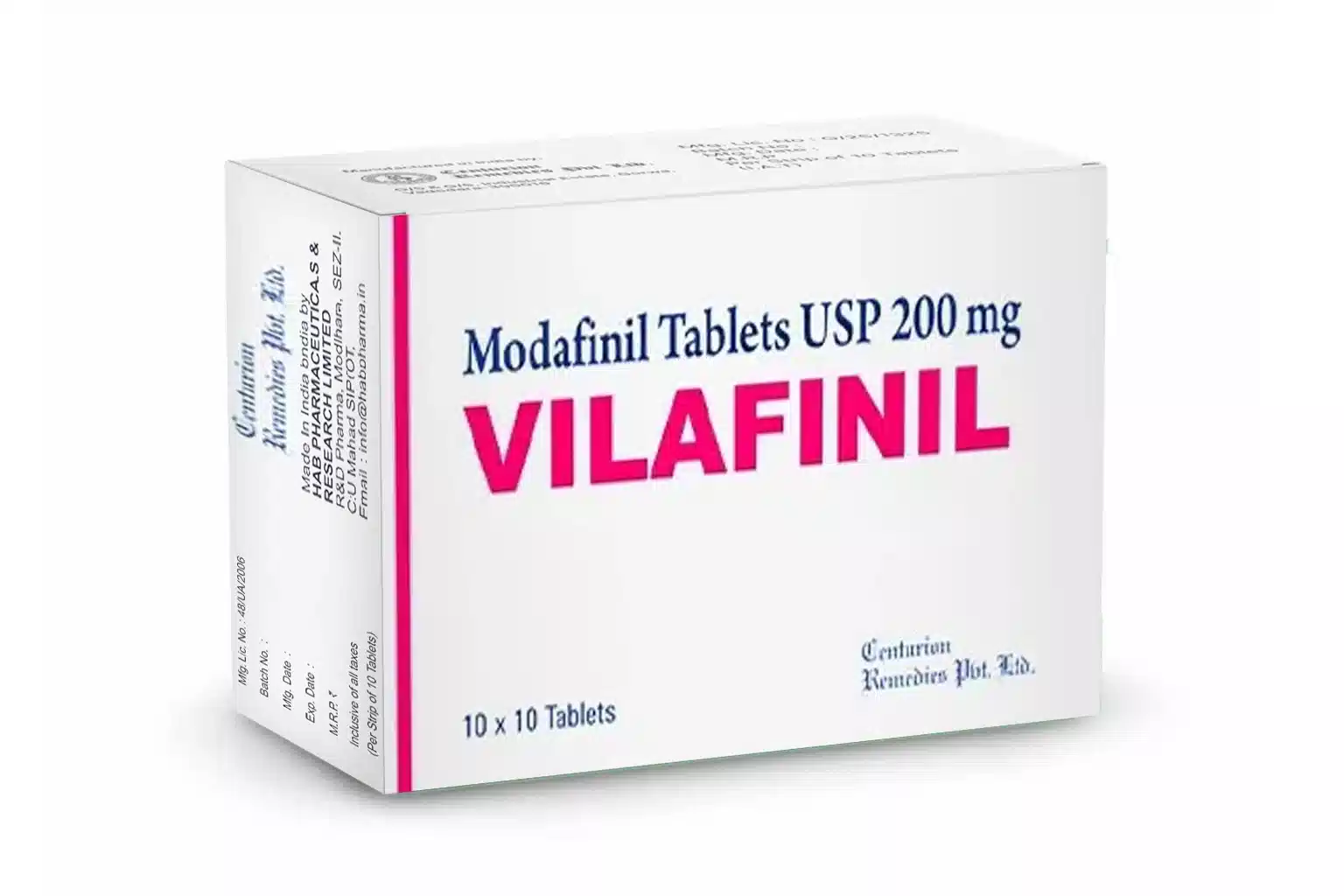
Vilafinil 200 mg (Modafinil)
Price range: $69.00 through $449.00 -
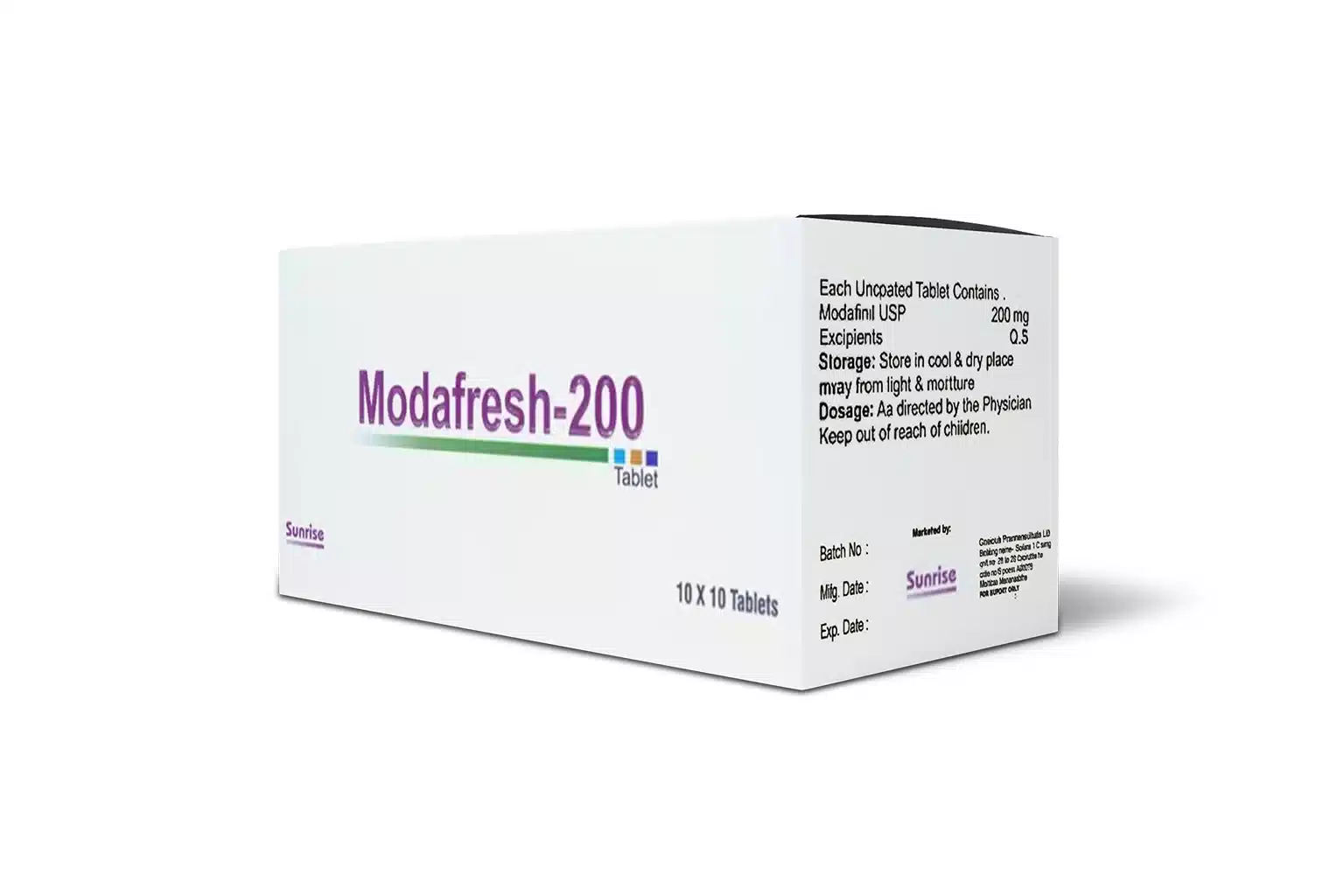
Modafresh 200 mg (Modafinil)
Price range: $69.00 through $449.00 -
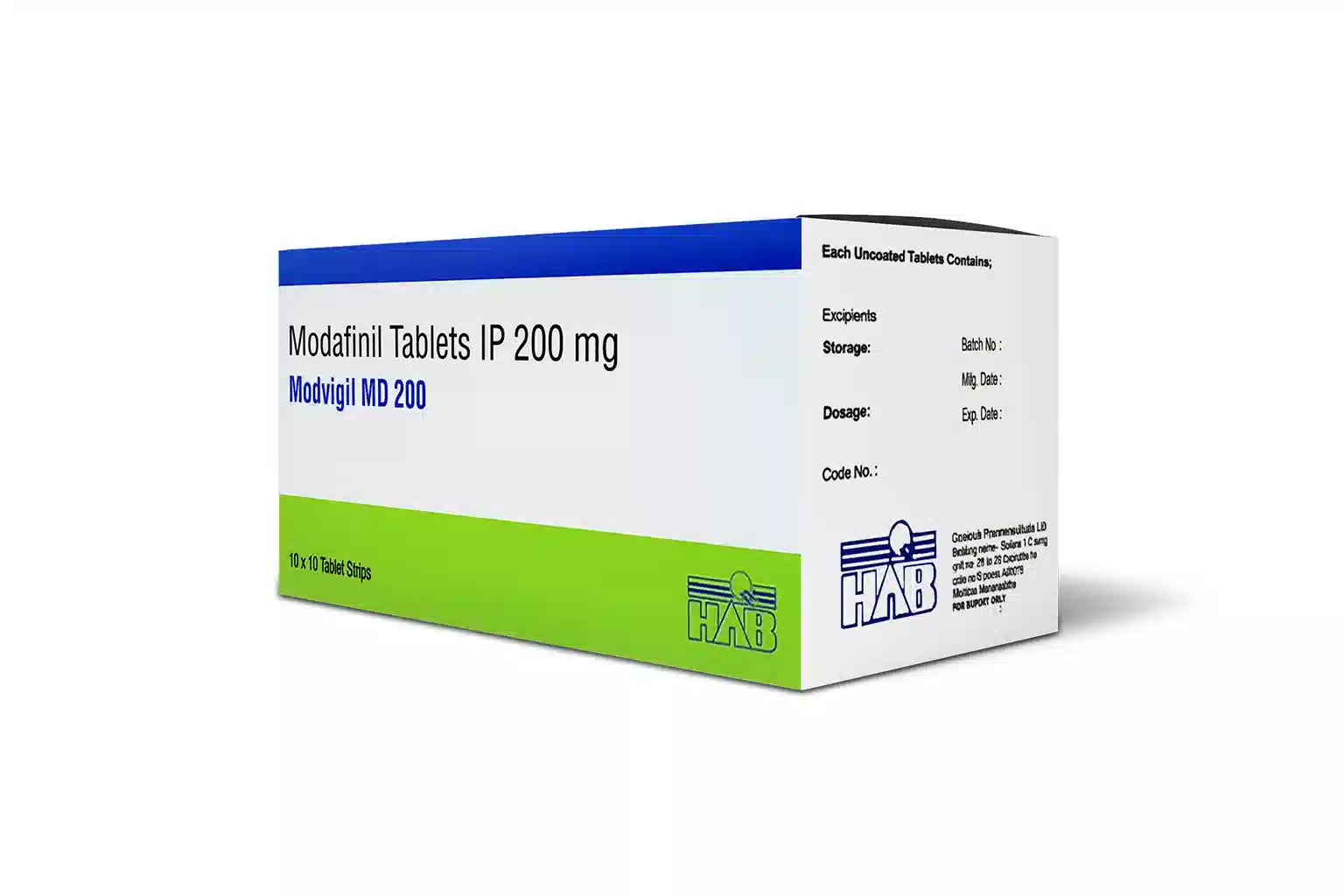
Modvigil MD 200 mg (Modafinil)
Price range: $69.00 through $395.00


Dopamine: Your Motivation Molecule
Dopamine and energy are intimately connected. Often called the “motivation molecule,” dopamine is responsible for drive, focus, and the feeling of reward. When dopamine levels are optimal, you feel energized, motivated to pursue goals, and capable of sustained concentration.
Low dopamine manifests as procrastination, lack of enthusiasm, difficulty focusing, and a general sense of apathy. You might have plenty of physical energy but lack the mental drive to use it. This is why dopamine deficiency often feels like hitting an invisible wall—you want to do things, but you simply can’t muster the motivation.
Activities that naturally boost dopamine include achieving small goals, exercise, listening to music you love, and eating protein-rich foods containing tyrosine (the amino acid precursor to dopamine). Even simple accomplishments trigger dopamine release, which is why checking items off a to-do list feels so satisfying.
Norepinephrine: Your Alertness Amplifier
Norepinephrine (also called noradrenaline) is your brain’s wake-up call. This neurotransmitter increases alertness, arousal, and attention while also playing a crucial role in your body’s stress response. It’s what gets you ready for action and helps you respond to challenges.
Adequate norepinephrine keeps you sharp, focused, and energized throughout the day. Too little leads to brain fog, sluggishness, and difficulty concentrating. Interestingly, too much (often from chronic stress) can cause anxiety, restlessness, and eventual burnout as your system becomes depleted.
Your body produces norepinephrine from dopamine, which is why these two neurotransmitters often work in tandem to regulate energy and attention. Cold exposure, exercise, and adequate protein intake all support healthy norepinephrine levels.
Serotonin: The Mood-Energy Connector
The serotonin fatigue connection is more complex than many realize. While serotonin is famous for its role in happiness and well-being, it also significantly impacts energy levels. Optimal serotonin promotes feelings of contentment, emotional stability, and helps regulate sleep-wake cycles.
However, serotonin’s relationship with energy is nuanced. Too little serotonin leads to depression, anxiety, poor sleep, and subsequently, chronic fatigue. But excessively high serotonin (though rare) can also cause lethargy. The key is balance.
About 90% of your body’s serotonin is actually produced in your gut, highlighting the crucial connection between digestive health and mood. Supporting serotonin production involves getting adequate sunlight exposure, consuming tryptophan-rich foods (the precursor to serotonin), maintaining gut health, and ensuring sufficient vitamin B6 and magnesium intake.
GABA: Your Brain’s Natural Calm
Gamma-aminobutyric acid (GABA) is your brain’s primary inhibitory neurotransmitter. While it might seem counterintuitive that a “calming” chemical affects energy, GABA is essential for balanced energy levels. It prevents overstimulation and allows your nervous system to rest and recharge.
Without adequate GABA, you might feel “tired but wired”—physically exhausted but mentally unable to relax. This constant state of activation is enormously draining and prevents restorative rest. GABA helps you wind down at night, achieve deep sleep, and wake up truly refreshed.
Orexin (Hypocretin): The Master Wakefulness Regulator
Orexin is perhaps the most directly connected to wakefulness and energy regulation in the brain. These neuropeptides are produced in the hypothalamus and play a crucial role in maintaining arousal, wakefulness, and appetite regulation.
When orexin neurons are active, you feel awake and alert. When they’re quiet, you feel sleepy. Dysfunction in the orexin system is the primary cause of narcolepsy, a condition characterized by overwhelming daytime sleepiness and sudden sleep attacks.
Brain Chemicals and Mood: The Energy Connection
Your emotional state and energy levels are inseparable, both governed by the same neurotransmitter systems. When brain chemicals and mood are balanced, you experience stable energy throughout the day. When they’re disrupted, you might feel energetic but anxious, or calm but lethargic.
Depression, for instance, isn’t just about feeling sad—it often manifests as profound physical and mental fatigue. This is because depression involves disruptions in serotonin, dopamine, and norepinephrine systems, all of which are essential for energy production and motivation.
Similarly, anxiety disorders involve overactivation of stress-response neurotransmitters, which initially creates nervous energy but ultimately leads to exhaustion. Understanding this connection helps explain why mental health and physical vitality are so deeply intertwined.
Neurotransmitter Imbalance Symptoms
How do you know if your neurotransmitters might be out of balance? While only a healthcare provider can make a definitive diagnosis, certain neurotransmitter imbalance symptoms can provide clues:
Dopamine Deficiency Signs:
- Lack of motivation and drive
- Difficulty experiencing pleasure
- Procrastination and poor focus
- Low libido
- Restless leg syndrome
Norepinephrine Imbalance Indicators:
- Brain fog and poor concentration
- Lack of alertness
- Low blood pressure
- Depression with fatigue
Serotonin Deficiency Markers:
- Persistent low mood or depression
- Anxiety and irritability
- Sleep disturbances
- Carbohydrate cravings
- Digestive issues
GABA Deficiency Symptoms:
- Feeling anxious or overwhelmed
- Racing thoughts
- Muscle tension
- Difficulty relaxing or sleeping
- Sensory overwhelm
If you’re experiencing multiple symptoms across different categories, it’s worth consulting a healthcare provider who can evaluate your situation comprehensively.
Natural Ways to Optimize Neurotransmitter Function
The good news is that lifestyle modifications can significantly impact how neurotransmitters affect energy in your daily life.
Prioritize Quality Sleep: Sleep is when your brain resets and rebalances neurotransmitter systems. Aim for 7-9 hours of consistent, quality sleep each night.
Exercise Regularly: Physical activity naturally boosts dopamine, serotonin, and endorphins while reducing excess stress hormones. Even a 20-minute walk can make a noticeable difference.
Eat for Brain Health: Consume adequate protein for amino acid building blocks, healthy fats for brain structure, and complex carbohydrates for stable energy. Foods rich in omega-3s, B vitamins, and magnesium specifically support neurotransmitter production.
Manage Stress Effectively: Chronic stress depletes neurotransmitters over time. Incorporate stress-management techniques like meditation, deep breathing, or yoga into your routine.
Get Sunlight Exposure: Natural light supports serotonin production and helps regulate your circadian rhythm, which in turn affects all neurotransmitter systems.
Cultivate Social Connections: Positive social interactions naturally boost oxytocin and endorphins, which support overall neurotransmitter balance.
When Neurotransmitter Support Is Needed?
For some individuals with diagnosed medical conditions, lifestyle modifications alone aren’t sufficient. Certain neurological and psychiatric conditions involve significant neurotransmitter dysfunction that requires medical intervention.
Modaheal 200 mg and Neurotransmitter Modulation
Modaheal 200 mg is a brand formulation of modafinil, a wakefulness-promoting medication approved for treating excessive sleepiness associated with narcolepsy, obstructive sleep apnea, and shift work sleep disorder. Its relevance to our discussion lies in how it works on neurotransmitter systems.
Modaheal 200 mg affects multiple neurotransmitter pathways simultaneously:
Dopamine System: It inhibits dopamine reuptake, increasing dopamine availability in areas of the brain associated with wakefulness and alertness. This helps combat the lack of motivation and mental fatigue associated with certain sleep disorders.
Norepinephrine Enhancement: The medication increases norepinephrine activity, promoting alertness and cognitive function during periods when these individuals would otherwise experience overwhelming sleepiness.
Orexin Activation: Modaheal 200 mg is thought to activate orexin neurons, directly addressing the wakefulness system that’s deficient in narcolepsy and other conditions.
Histamine Increase: By increasing histamine levels in the brain, it further promotes wakefulness. (Antihistamines, conversely, make you drowsy for this reason.)
Important Considerations:
Modaheal 200 mg is a prescription medication and should only be used under medical supervision for diagnosed conditions. It’s not appropriate for general fatigue, occasional tiredness, or as a cognitive enhancer for healthy individuals. The medication requires proper medical evaluation and ongoing monitoring.
Side effects can include headaches, nausea, nervousness, back pain, and sleep disturbances if taken too late in the day. Some individuals may experience more serious effects requiring immediate medical attention.
The medication works specifically because it targets the neurotransmitter deficiencies present in certain medical conditions. For someone without these specific conditions, it doesn’t address the root cause of fatigue and may create additional problems.
Creating Your Neurotransmitter-Friendly Lifestyle
Optimizing your neurotransmitters isn’t about perfection—it’s about consistent, sustainable habits that support your brain’s natural chemistry. Start by identifying which neurotransmitter systems might need support based on your symptoms, then implement targeted lifestyle strategies.
Track your energy levels, mood, and focus throughout the day for a week. Notice patterns—do you crash at certain times? Feel anxious in specific situations? This awareness is the first step toward meaningful change.
Remember that neurotransmitter balance is dynamic, not static. What works for you might change with seasons, life circumstances, or age. Stay attuned to your body’s signals and adjust accordingly.
Frequently Asked Questions
Q1: How long does it take to rebalance neurotransmitters naturally?
A: This varies significantly depending on the severity of the imbalance and the interventions used. Minor imbalances might improve within 2-4 weeks with consistent lifestyle changes, while more significant disruptions could take 2-3 months or longer. Some conditions require ongoing management rather than a one-time “fix.”
Q2: Can you test neurotransmitter levels?
A: While some labs offer neurotransmitter testing through urine or blood samples, these tests are controversial. Neurotransmitter levels in blood don’t necessarily reflect what’s happening in the brain. Most doctors diagnose neurotransmitter-related issues based on symptoms, medical history, and response to treatment rather than direct testing.
Q3: Do supplements help with neurotransmitter balance?
A: Some supplements may support neurotransmitter production, such as L-tyrosine for dopamine, 5-HTP for serotonin, or L-theanine for GABA. However, supplements should be used cautiously and preferably under professional guidance, as they can interact with medications and cause side effects. It’s generally better to start with diet and lifestyle modifications.
Q4: Is caffeine bad for neurotransmitter balance?
A: Moderate caffeine consumption (200-300mg daily, about 2-3 cups of coffee) isn’t necessarily harmful and can even support alertness by blocking adenosine receptors. However, excessive caffeine or using it to compensate for poor sleep can disrupt neurotransmitter balance over time and create dependency.
Q5: Can stress damage neurotransmitter systems?
A: While chronic stress is harmful, the brain has remarkable neuroplasticity. With appropriate interventions, stress management, lifestyle changes, and sometimes professional treatment, most people can recover healthy neurotransmitter function. The key is addressing chronic stress before it causes longer-term changes.