Modafinil vs. Adrafinil: Here’s Why You Should Avoid Adrafinil
Then you read a little further and things start getting complicated. Liver concerns come up. Questions about dosing reliability. Warnings that seem serious but nobody quite explains properly. You end up more confused than when you started.
-

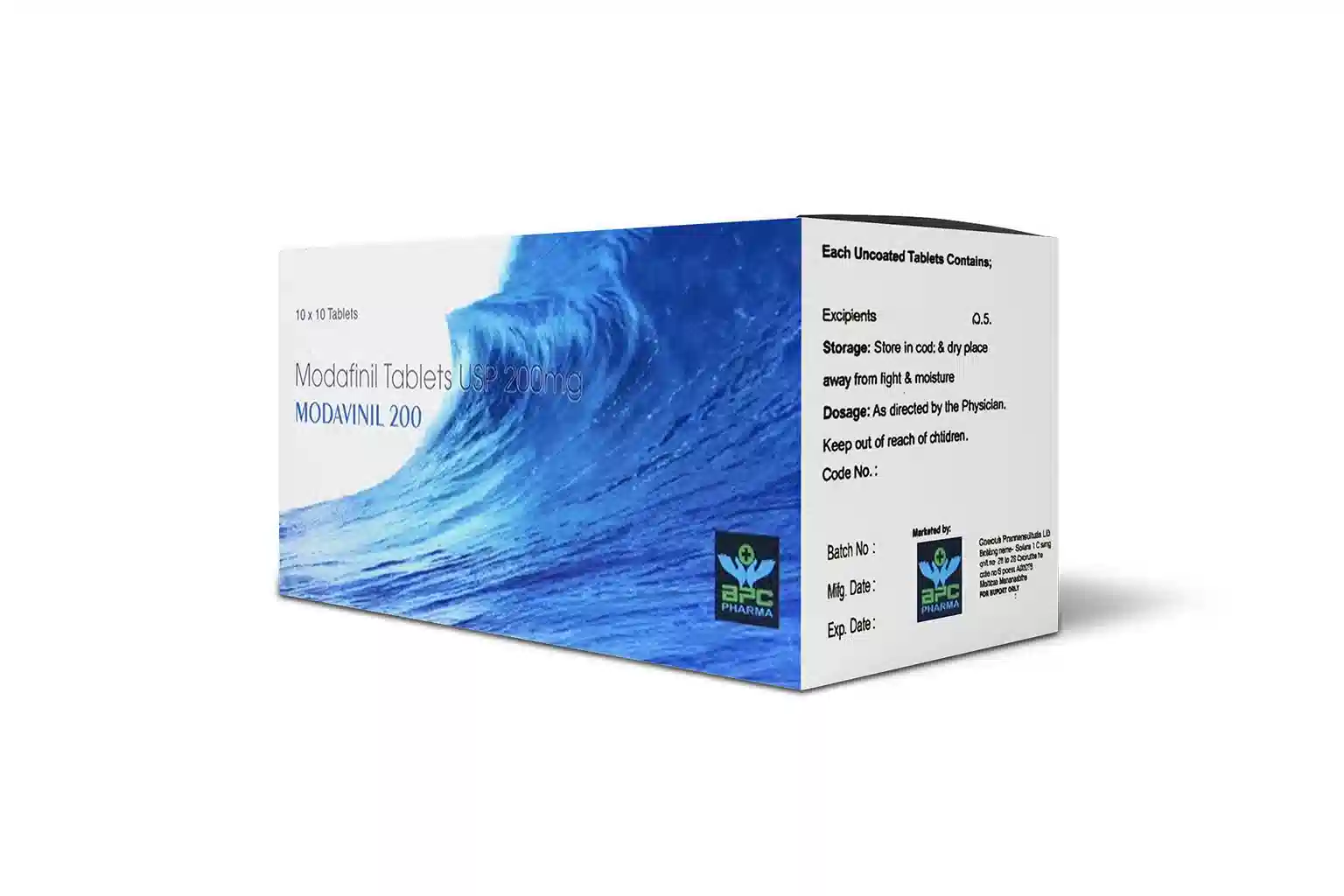
Modavinil 200mg
Price range: $69.00 through $395.00 -
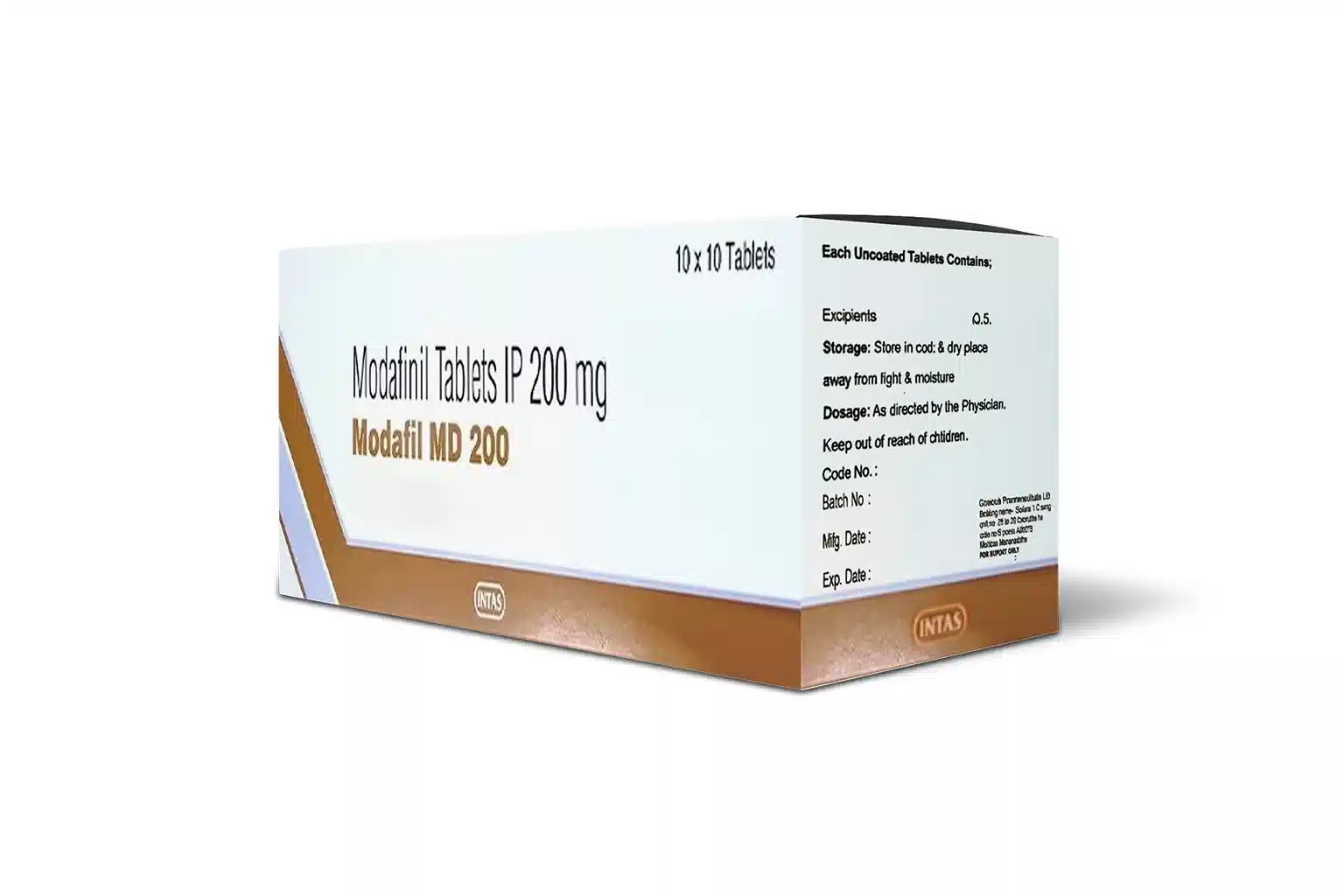
Modafil Md 200 mg
Price range: $69.00 through $345.00 -
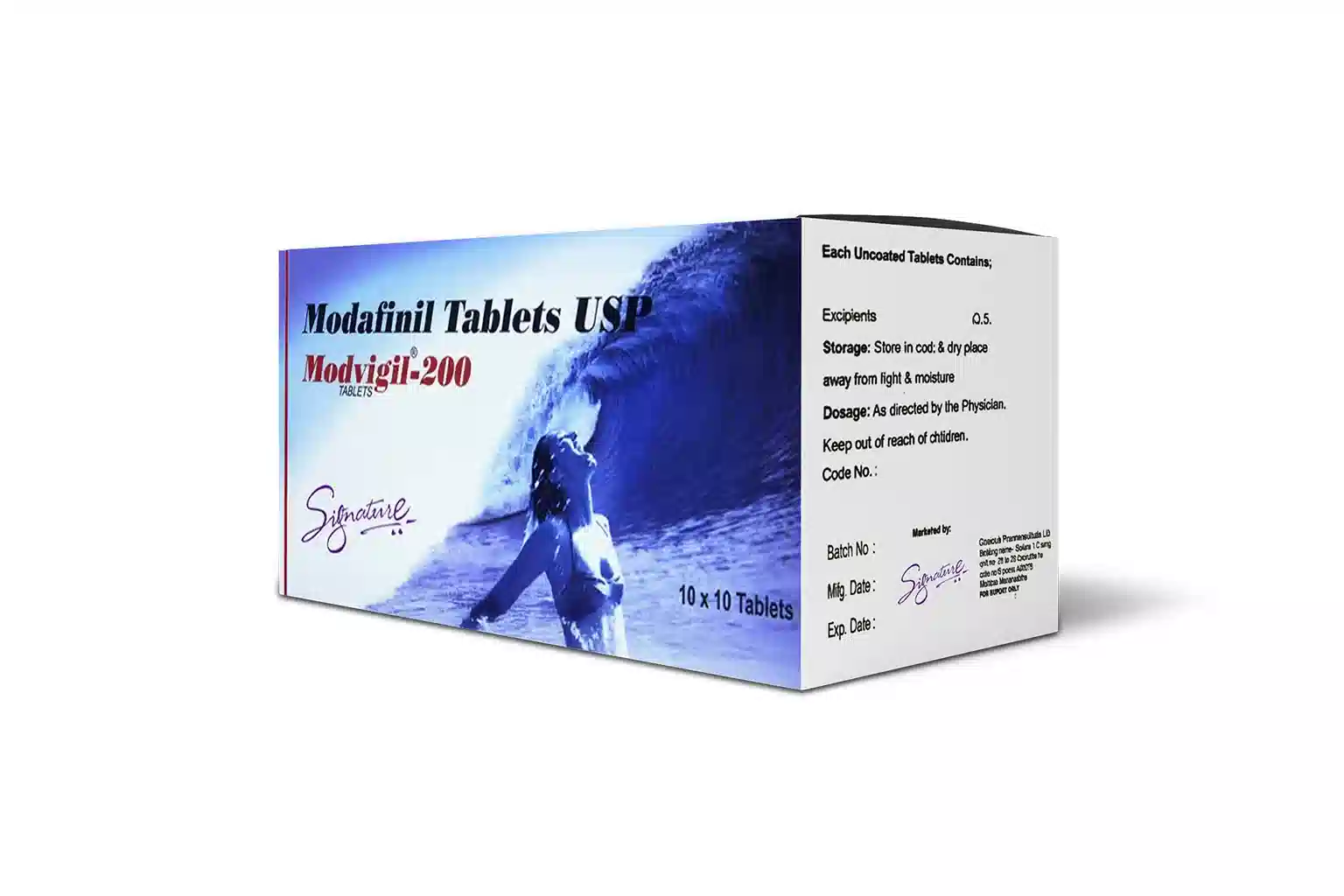
Modvigil 200mg
Price range: $65.00 through $395.00 -
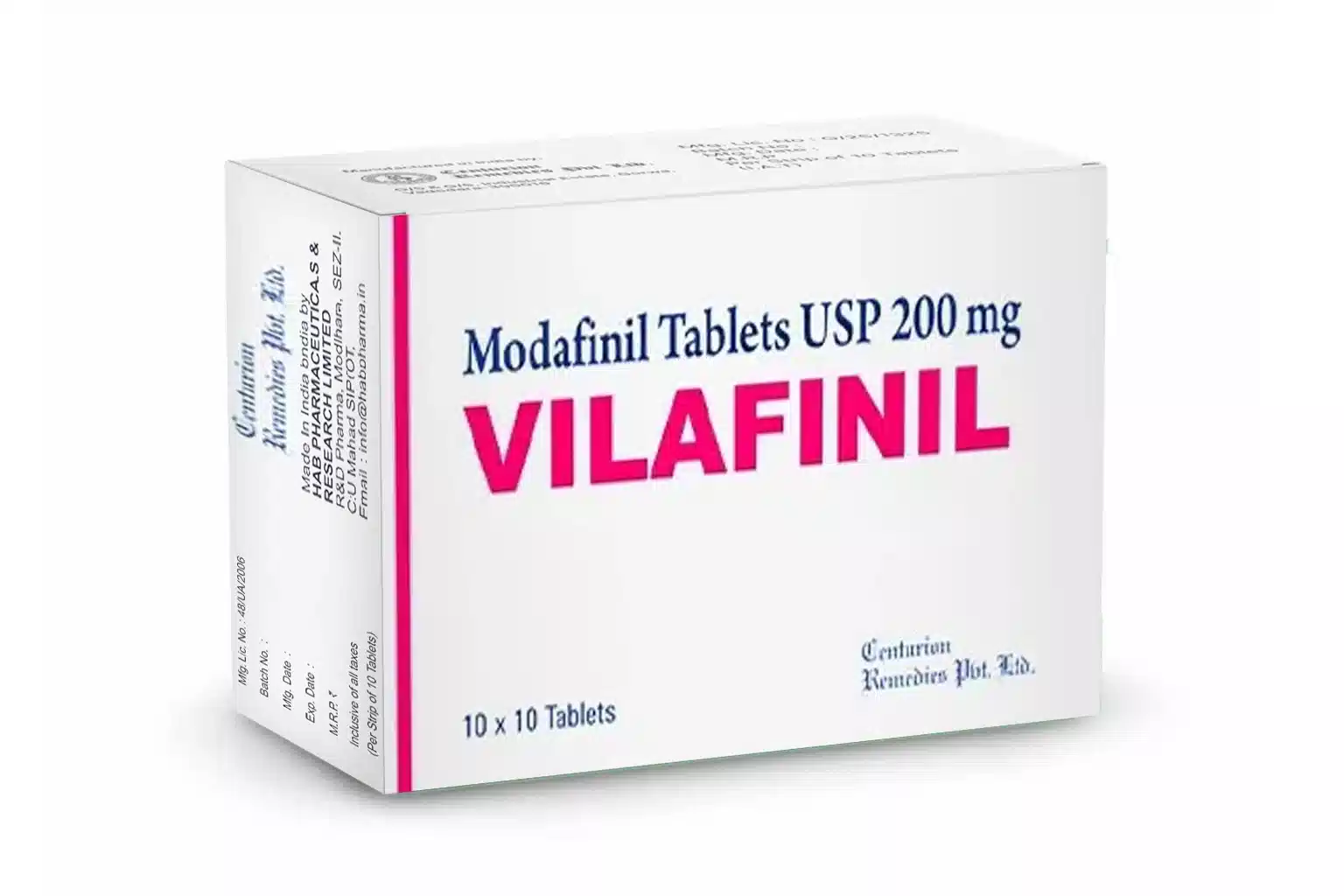
Vilafinil 200 mg
Price range: $69.00 through $395.00 -
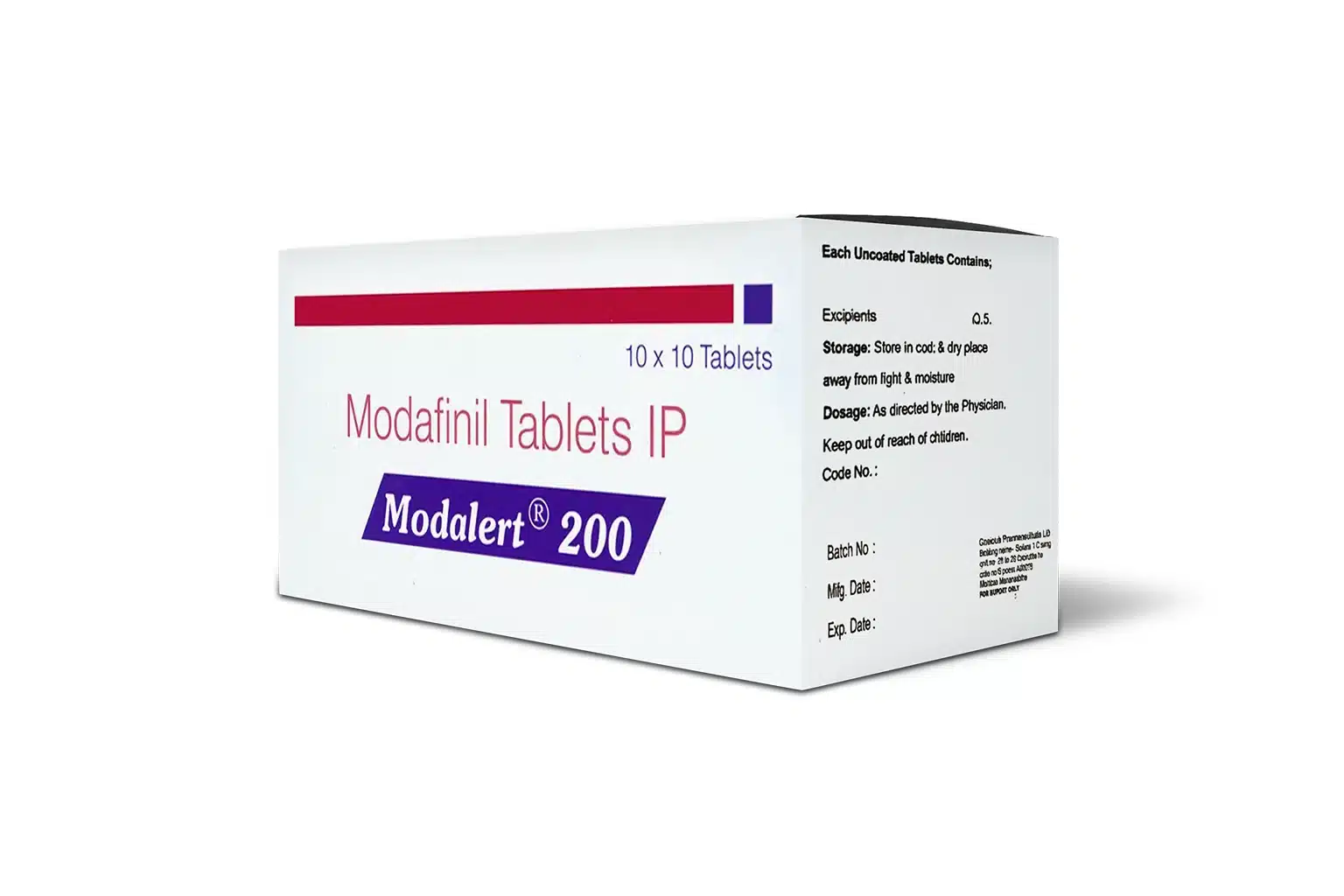
Modalert 200 mg
Price range: $69.00 through $449.00 -
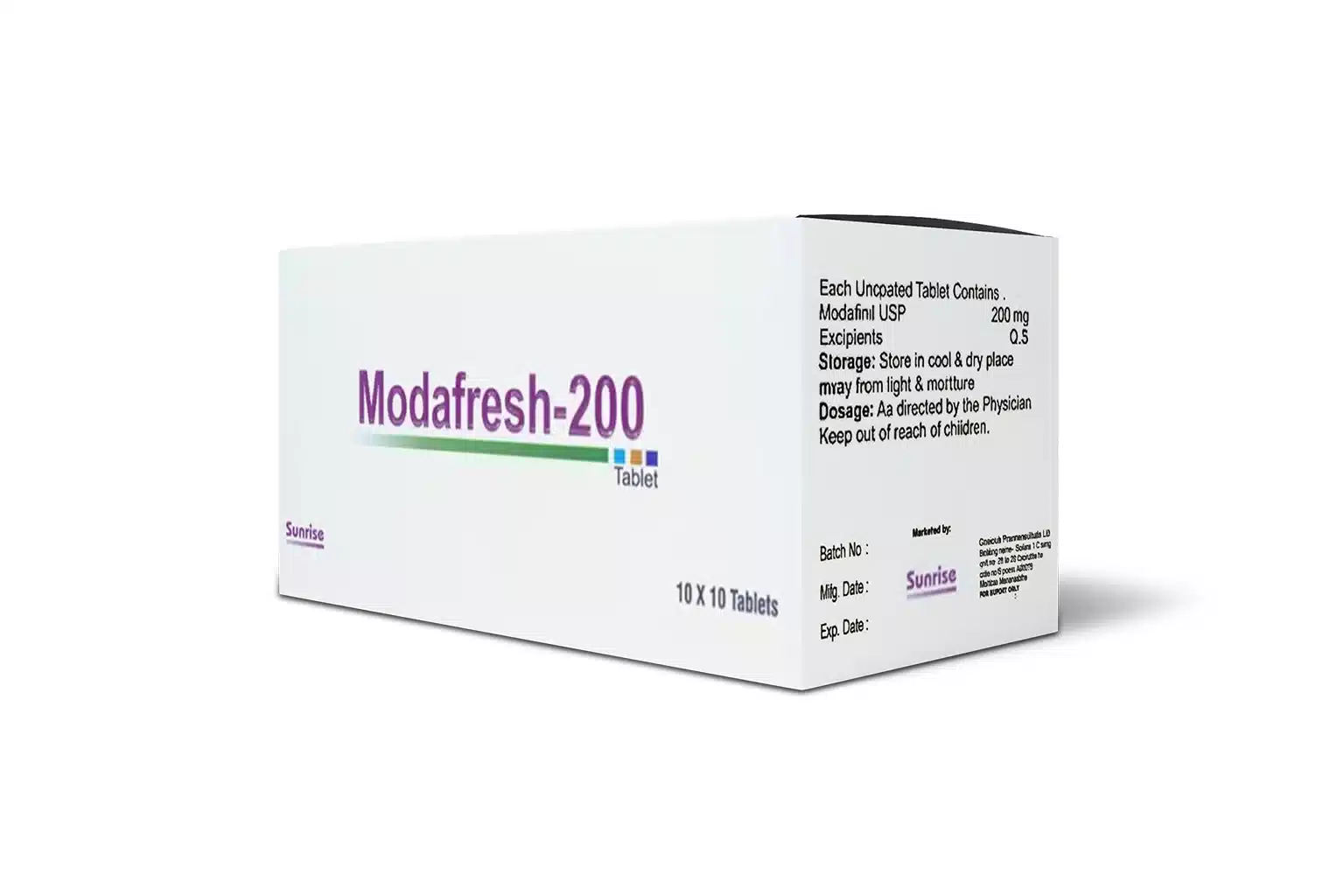
Modafresh 200 mg
Price range: $65.00 through $329.00
Adrafinil was developed first, in France during the 1970s, as a treatment for narcolepsy and excessive daytime sleepiness in elderly patients. It works as a prodrug, meaning your body must metabolize it into something else before it produces any effect. That something else is modafinil.
So when you take adrafinil, your liver converts it into modafinil through a metabolic process. The modafinil then enters your bloodstream and produces the wakefulness and focus effects people are seeking. Adrafinil itself is pharmacologically inactive. All the cognitive effects come from modafinil after conversion.
Modafinil was developed later, specifically as the active compound that adrafinil converts into. Taking modafinil delivers the active ingredient directly without requiring your body to do conversion work first. This distinction sounds minor until you understand what the conversion process actually costs.
What Gets Lost in the Conversion Process
When your liver converts adrafinil to modafinil, it isn’t a clean 1:1 transformation. The conversion is inefficient and inconsistent. Studies suggest roughly 80% of adrafinil gets converted to modafinil, with the remaining portion either converted to modafinilic acid, an inactive metabolite, or processed through other pathways that produce no therapeutic benefit at all.
This inefficiency creates two immediate practical problems.
First, you need substantially higher doses of adrafinil to achieve equivalent modafinil blood levels. People typically use 600 to 1200mg of adrafinil to approximate the effects of 100 to 200mg of modafinil. That dosing gap isn’t trivial. Higher doses mean more metabolic burden, more potential side effects, and more variability in actual effect from one dose to the next.
Second, the conversion efficiency varies between individuals based on liver enzyme activity, genetics, age, other medications, and overall liver health. Two people taking identical adrafinil doses can end up with substantially different modafinil plasma concentrations. One person might get robust effects while another gets minimal response from the same amount. This unpredictability makes dosing unreliable in a way that direct modafinil use isn’t.
The Liver Problem Nobody Minimizes Enough
Adrafinil risks vs modafinil risks are not comparable, and the liver is the central reason why.
Running any compound through your liver creates metabolic byproducts. Most medications produce some hepatic burden. The question is always whether that burden is clinically significant at typical doses. For adrafinil, the answer is yes in ways that matter.
Adrafinil has been documented to elevate liver enzymes in users, particularly with regular use over extended periods. Elevated liver enzymes indicate hepatocellular stress. In most cases this elevation is reversible after stopping the compound. But for people with existing liver conditions, those taking other medications that tax liver function, or anyone using adrafinil frequently over long periods, the cumulative stress becomes genuinely concerning.
The modafinil that adrafinil converts into does not produce the same hepatic burden. Modafinil is metabolized differently and doesn’t carry documented liver enzyme elevation at standard therapeutic doses. Clinical safety data accumulated over decades of modafinil use in narcolepsy and sleep disorder patients does not show the liver toxicity signals that appear in adrafinil research.
This difference explains why adrafinil, despite being the older compound, was effectively replaced by modafinil in clinical practice. Physicians had no reason to keep prescribing a prodrug that stressed the liver when the active compound it converted into was available, worked more reliably, and didn’t carry the same hepatic risks.
Why Modafinil Safer Than Adrafinil Isn’t Just Marketing Talk
People defending adrafinil often point to the lack of widespread serious adverse event reports as evidence the liver concerns are overblown. This argument misreads the situation.
Most adrafinil users are not under medical supervision. They’re not getting periodic liver function tests. Elevated liver enzymes in someone taking an unregulated supplement they bought online without a prescription don’t show up in clinical literature because they never reach clinical evaluation. The absence of documented harm and the absence of actual harm are different things, particularly with a compound used mostly outside healthcare systems.
Modafinil’s safety record, by contrast, comes from decades of monitored clinical use in populations where adverse events get documented, reported, and analyzed. The accumulated evidence base for modafinil is genuinely extensive. It’s one of the most studied wakefulness-promoting agents available. The picture that emerges from that data is substantially better than adrafinil’s documented profile.
The regulatory status reflects this reality. Adrafinil was discontinued as a pharmaceutical product in France in 2011, its country of origin, due to the availability of safer alternatives, specifically modafinil. When a compound gets discontinued by the country that developed it in favor of something better, that tells you something meaningful.
Modafil MD 200mg: What Direct Modafinil Access Actually Looks Like
Modafil MD 200mg is a sublingual modafinil formulation that dissolves under the tongue rather than being swallowed whole. This delivery method produces faster onset compared to standard oral tablets because absorption begins directly through oral mucosa rather than waiting for gastrointestinal processing.
For people who’ve been using adrafinil partly because it seems more accessible, Modafil MD 200mg represents what legitimate modafinil access actually looks like. The 200mg dose is the standard therapeutic amount for most conditions. Sublingual administration means effects begin noticeably faster than conventional tablets, typically within fifteen to thirty minutes for initial effect compared to forty-five to sixty minutes for standard swallowed tablets.
The convenience argument for adrafinil, that it’s available without prescription in many places while modafinil requires medical authorization, overlooks the fact that accessing modafinil through proper channels is genuinely more straightforward than many people assume. Telehealth platforms have made consultation and prescription for legitimate sleep disorder treatment accessible in ways that didn’t exist a decade ago. The prescription requirement isn’t the barrier it once was for people with genuine qualifying conditions.
Using Modafil MD 200mg through legitimate channels also means quality verification. You know exactly what you’re getting, in what amount, from a regulated manufacturing process. The grey market adrafinil supply chain offers no equivalent guarantee.
The Practical Comparison Across What Matters
Reliability of effect: Modafinil delivers consistent plasma concentrations from predictable doses. Adrafinil’s conversion variability makes individual response hard to predict.
Onset timing: Standard modafinil tablets take forty-five to sixty minutes. Modafil MD 100mg sublingual works faster. Adrafinil takes longer due to the required metabolic conversion step, often ninety minutes to two hours before effects begin.
Duration: Both ultimately produce modafinil in your system, so duration is similar, eight to twelve hours for most users.
Liver burden: Adrafinil measurably elevates liver enzymes with regular use. Modafinil does not carry equivalent documented hepatic risk.
Dosing clarity: 200mg of modafinil is 200mg of modafinil. The dose you take is the dose you get. Adrafinil requires much higher amounts for equivalent effect, and actual conversion varies between individuals and sessions.
Regulatory status: Modafinil is a legitimate pharmaceutical prescribed by doctors and manufactured to pharmaceutical standards. Adrafinil is sold as a supplement with no equivalent oversight.
Long-term data: Modafinil has decades of documented clinical use. Adrafinil’s long-term use data comes primarily from an elderly French patient population from the 1980s and unmonitored modern supplement users.
The Reason People Still Choose Adrafinil Despite All of This
The answer is usually prescription access. Modafinil requires a prescription in most countries. Adrafinil doesn’t. For people who want modafinil’s effects without going through medical channels, adrafinil looks like a shortcut.
But the shortcut costs something real. Higher doses that increase side effect risk. Liver burden that accumulates with regular use. Unpredictable conversion efficiency that makes every dose a variable experiment. A compound whose manufacturer country discontinued it specifically because better options existed.
The modafinil vs adrafinil avoid adrafinil position isn’t based on modafinil being perfectly safe or on adrafinil being genuinely dangerous for all users in all contexts. It’s based on the gap between them being meaningful enough that choosing adrafinil specifically to avoid prescription requirements doesn’t make logical sense when weighed against what’s being traded away.
The Bottom Line
Adrafinil’s appeal makes sense from a distance. Same effects as modafinil, no prescription needed, widely available online. The closer look reveals a compound that delivers its effects indirectly through a metabolically costly conversion process, carries documented liver risks that its successor compound doesn’t share, requires higher doses with less predictable results, and was ultimately discontinued as a pharmaceutical specifically because something better replaced it.
The adrafinil risks vs modafinil comparison lands consistently in modafinil’s favor across every practical dimension. Accessibility remains the one genuine advantage adrafinil holds, and that advantage has shrunk as legitimate modafinil access became easier. For anyone seriously considering long-term cognitive support rather than occasional experimentation, the calculus isn’t particularly close.
Frequently Asked Questions
- Is adrafinil actually dangerous or just less ideal?
For healthy individuals using it occasionally, acute serious danger is unlikely. The concern is primarily with regular long-term use where liver enzyme elevation accumulates. People with existing liver conditions, those on other hepatically metabolized medications, or anyone planning consistent use face meaningfully elevated risk compared to equivalent modafinil use.
- Why not take adrafinil if you can’t access modafinil?
The accessibility gap has narrowed considerably with telehealth. Persistent difficulty accessing modafinil through legitimate channels often reflects a diagnosis or prescription obstacle worth addressing properly rather than working around. Adrafinil as a permanent substitute for modafinil isn’t a sound long-term strategy given the liver burden difference.
- Does Modafil MD 200mg work better than standard modafinil tablets?
The active compound is identical. Sublingual delivery produces faster onset which some users find practically useful. Whether it works “better” depends on whether faster onset matters for your specific use case. For situations where you need effect within thirty minutes rather than an hour, the sublingual format has a genuine advantage.
- How would someone know if adrafinil was affecting their liver?
Most people wouldn’t, which is part of the problem. Liver enzyme elevation doesn’t produce obvious symptoms in early stages. A blood test measuring ALT and AST levels before and after a period of adrafinil use would reveal hepatic changes. Without that testing, users are essentially using the compound blind to what it’s doing metabolically.
- Can you alternate between adrafinil and modafinil to reduce liver burden?
This misses the mechanism. The liver burden from adrafinil comes specifically from the conversion process. Using it less frequently reduces cumulative exposure but doesn’t eliminate the issue per dose. If modafinil access is the goal, the more logical approach is addressing the prescription access question rather than managing adrafinil use frequency.