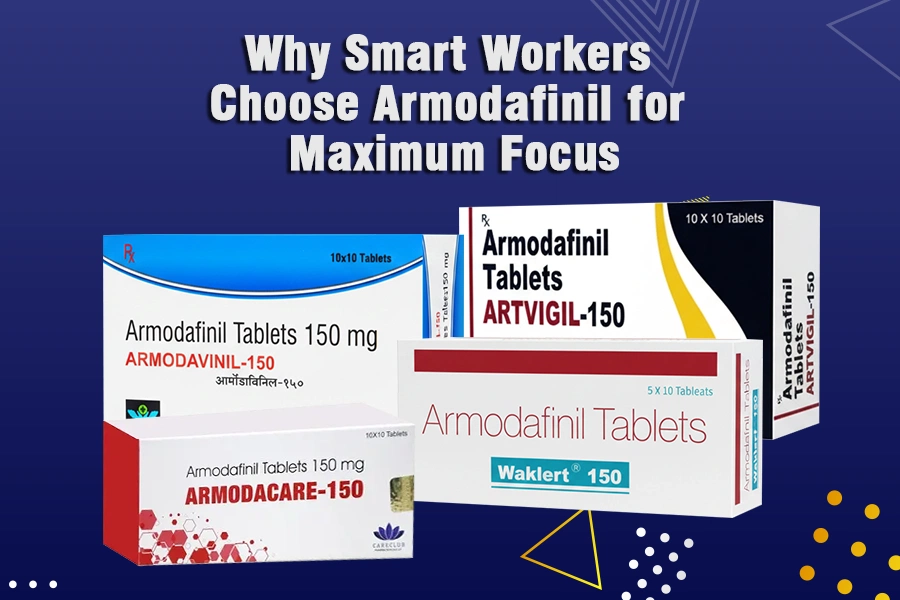
Why Modafinil Is Becoming a Global Favorite for Focus

This long-form post explains what modafinil is, why people report real modafinil benefits, how it works as a wakefulness enhancer, where the evidence is strongest (and weakest), safety considerations, real-world patterns of use, and how to think about this drug if you’re curious.
-

Modavinil 200mg
Price range: $69.00 through $395.00 -
Modafil Md 200 mg
Price range: $69.00 through $345.00 -
Modvigil 200mg
Price range: $65.00 through $395.00 -
Vilafinil 200 mg
Price range: $69.00 through $395.00 -
Modalert 200 mg
Price range: $69.00 through $449.00 -
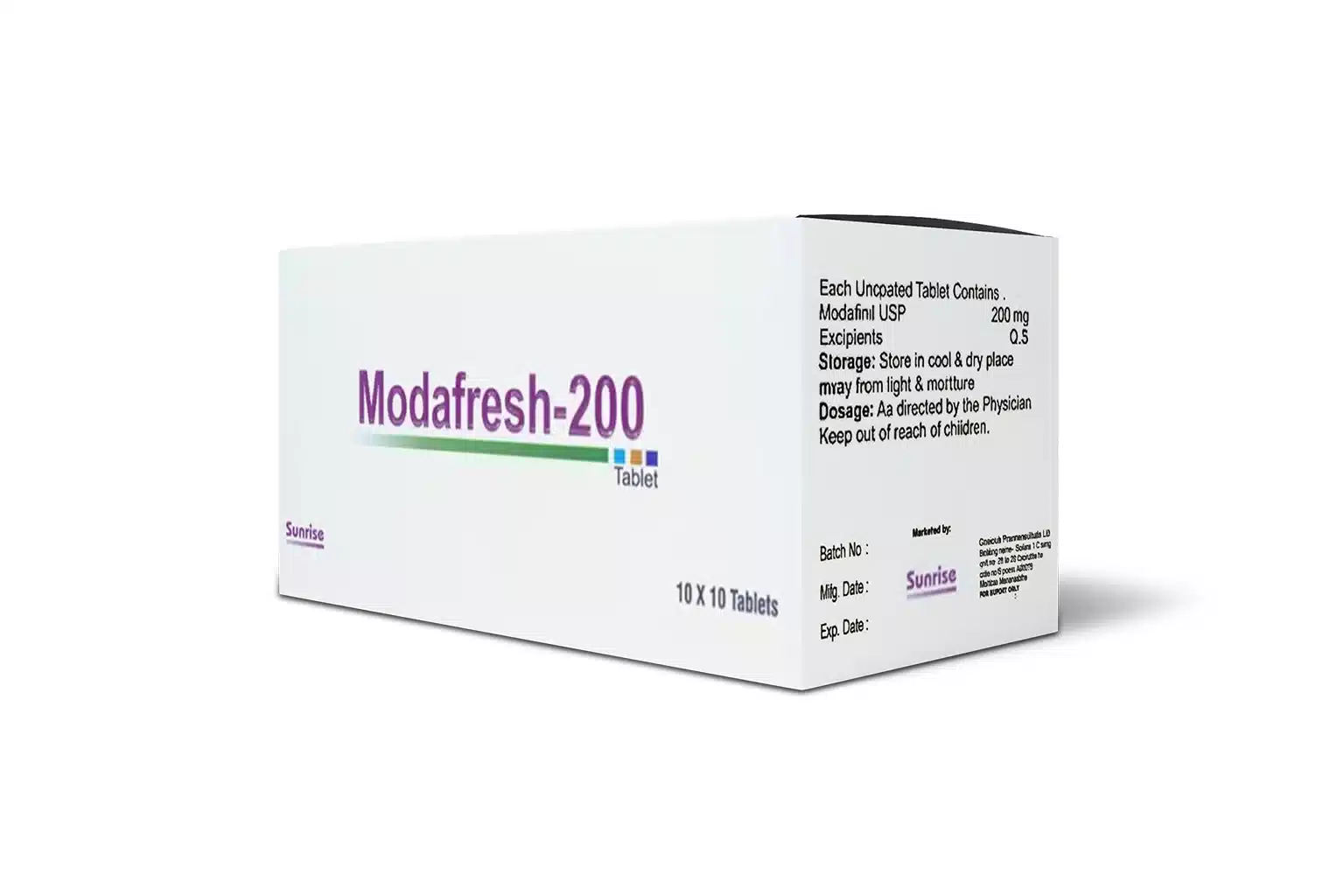
Modafresh 200 mg
Price range: $65.00 through $329.00

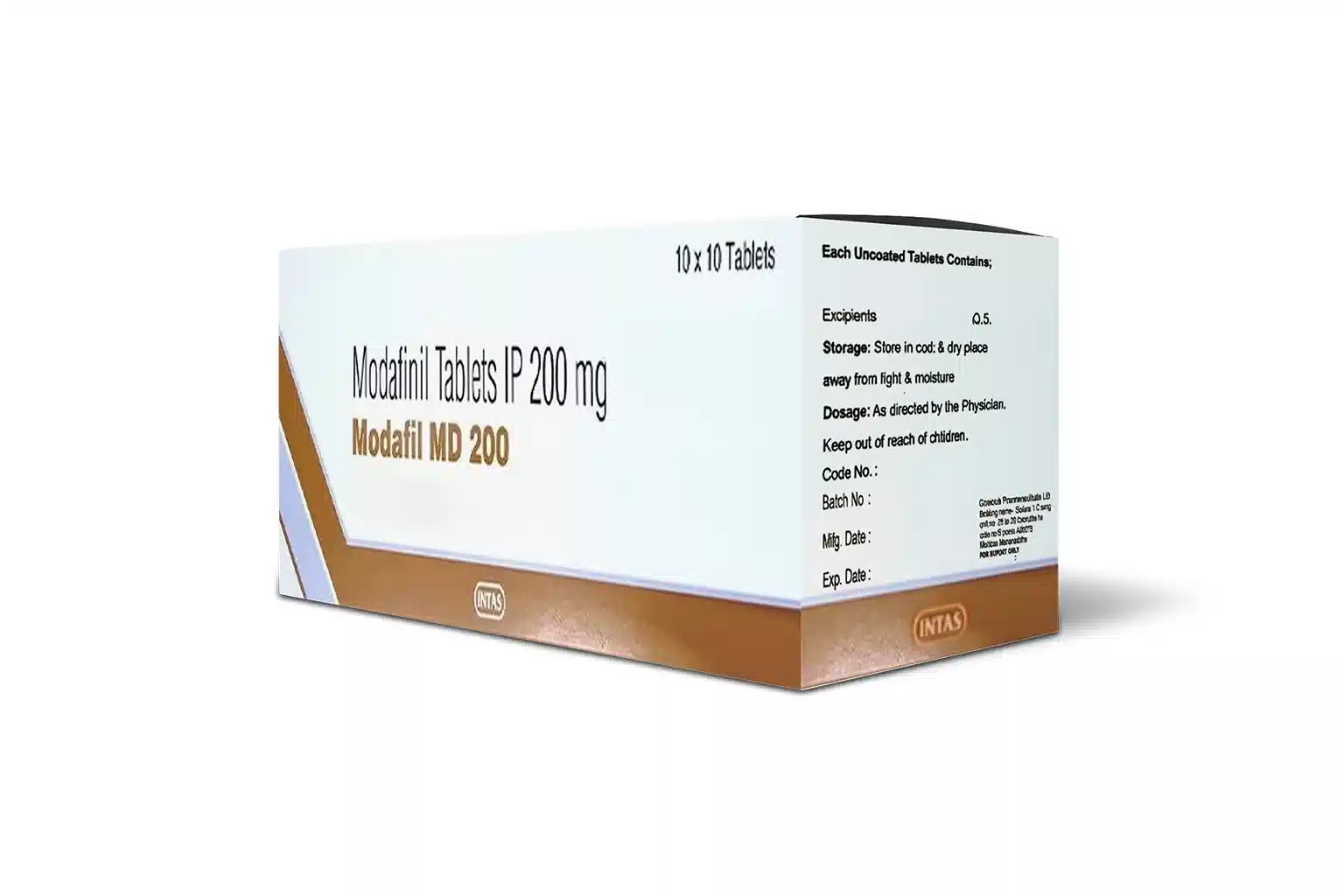

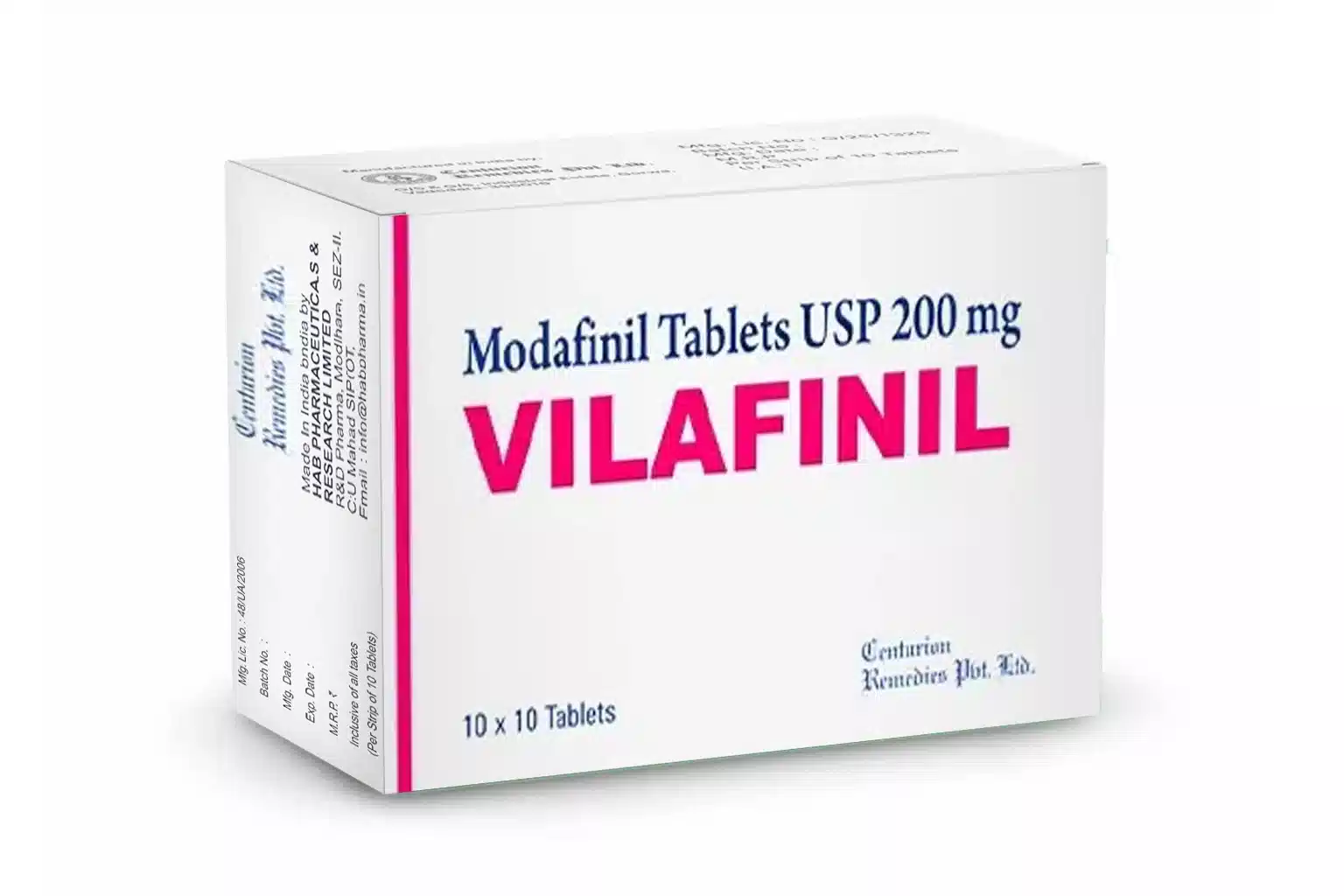
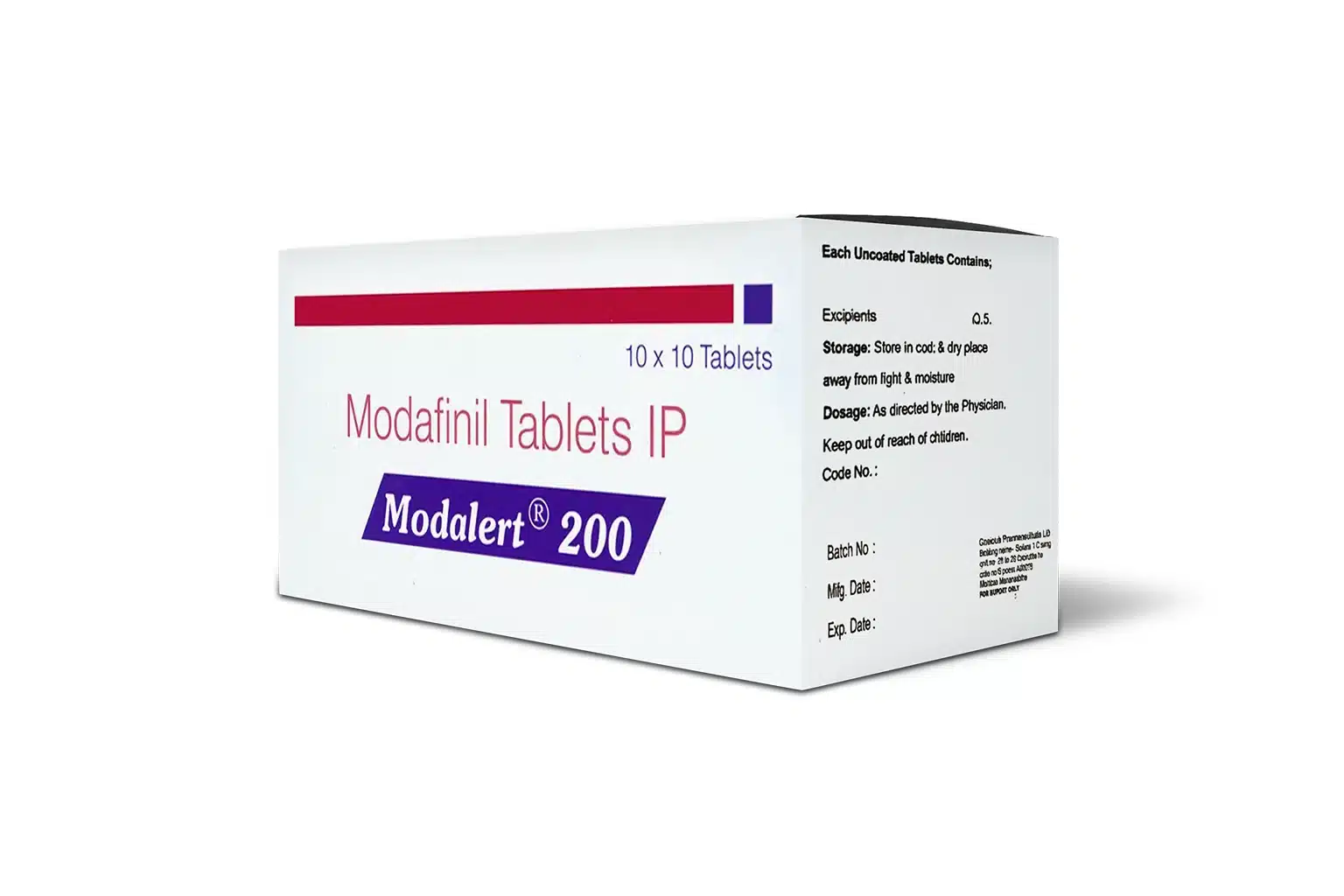
When discussing modafinil benefits, it helps to separate two groups: (A) people who are sleep-deprived or have a medical sleep disorder, and (B) healthy, well-rested people seeking a cognitive edge.
- People with sleep loss or sleep disorders
This is where modafinil’s benefits are clearest and best supported. Randomized trials and clinical experience show meaningful improvements in daytime alertness, reaction time, and the ability to sustain attention for long tasks. For pilots, clinicians on night shifts, and people with narcolepsy, these are functional, quality-of-life changes, not just subjective feelings. - Well-rested healthy people (the “nootropics” crowd)
The evidence is more mixed. Systematic reviews and meta-analyses find modest, task-dependent improvements, especially in attention, working memory, and inhibitory control, but the effects are variable and often small in magnitude for people who aren’t sleep deprived. In plain language: if fatigue is the limit to your performance, modafinil can produce large, noticeable gains; if you’re already functioning near your cognitive ceiling, the average benefit is modest.
Other reported advantages that attract users: a sustained, calm focus (rather than the jittery high from lots of caffeine), a reduced need for frequent naps during extended work bouts, and improved endurance for long or monotonous tasks. Those subjective reports line up with objective vigilance test results in trials of sleep-restricted subjects.
Why has it become a global favorite for focus?
Several social and pharmacologic factors explain modafinil’s rising popularity:
- Function-first benefit: It reliably reduces sleepiness and improves sustained attention in clinical contexts, features that translate into perceived productivity in real-world settings.
- Milder stimulant feel for many users: Compared with classic stimulants, many people experience alertness without intense euphoria, lowering immediate concern about “getting hooked,” though that doesn’t mean no risk exists.
- Long duration: A single dose often supports alertness across a workday, which suits people doing long shifts or prolonged study sessions.
- Cultural diffusion among high-pressure groups: Surveys and reports show off-prescription use among students, academics, and certain professional groups highly motivated to preserve attention and performance during critical periods.
Taken together, these factors make modafinil attractive as a “focus medicine” for people who need to push through extended periods of cognitive demand.
Who is actually using it
Multiple surveys and online studies indicate off-prescription use is nontrivial in high-stress academic and professional pockets. For example, university-linked surveys have reported notable percentages of students experimenting with modafinil as a study aid; broader online surveys and qualitative studies find similar patterns among researchers, shift workers, and competitive professionals. These findings don’t mean modafinil is mainstream in the general population, but they do show a sustained and international pattern of targeted use.
Risks and safety
No discussion of wakefulness enhancers is complete without safety notes. Modafinil is generally well-tolerated when prescribed appropriately, but there are important cautions:
- Common side effects: headache, nausea, nervousness, and insomnia are reported relatively frequently.
- Rare but serious reactions: severe skin reactions (such as Stevens–Johnson syndrome) and psychiatric symptoms have been documented and require immediate medical attention.
- Potential for misuse: although modafinil’s addictive potential is lower than classic stimulants, it increases dopamine in brain reward pathways and has shown signs of misuse and dependence in some studies and case reports. The fact that it is prescription-only in many countries reflects the need for clinical oversight.
- Drug interactions and contraindications: modafinil interacts with certain liver enzymes and can affect the metabolism of other drugs (including hormonal contraceptives in some cases). A healthcare professional should review other medications before starting modafinil.
Because of these risks, medical evaluation and prescription are the safest paths; self-prescribing or importing the drug without oversight removes those safety checks.
Ethical and societal questions
The rise of modafinil in nonmedical contexts raises ethical questions: fairness (who has access), coercion (will workplaces implicitly pressure staff to use cognitive enhancers?), and the long-term unknowns of routine off-label use. Bioethicists debate whether responsible, supervised use in adults should be tolerated or whether stricter regulation is needed. At the individual level, the safest course is informed, clinician-supervised decisions, balancing personal goals against health risks and legal/regulatory frameworks.
Final thoughts
Modafinil has earned its reputation as a wakefulness enhancer that genuinely helps people maintain attention in sleep-deprived and clinical settings. That real effect, combined with the desire for reliable performance, explains why it’s become a go-to “productivity tablet” for certain groups. At the same time, the benefits have limits, the risks are real, and off-label use raises clinical and ethical questions.
If you’re curious, talk with a healthcare provider: a responsible prescriber will help you weigh benefits, rule out underlying causes for poor focus, monitor for side effects, and keep your use within a safe framework. Whether modafinil ever becomes a routine part of your toolkit, the best long-term strategy for sustainable focus remains sound sleep, disciplined habits, and targeted medical care when needed.
FAQs
Q1: Is modafinil a stimulant like Adderall?
A: Modafinil is a wakefulness-promoting agent with stimulant-like effects for some measures of attention, but it differs pharmacologically from amphetamines. It generally produces less euphoria and has a different safety/abuse profile, though it is not risk-free.
Q2: What does Modacare 200 mg do differently than other brands?
A: “Modacare 200 mg” refers to a branded formulation of modafinil at a standard therapeutic dose. Different brands contain the same active ingredient (modafinil), though excipients and manufacturing vary; therapeutic effects are driven by the drug itself. Always use a pharmacy and prescription you trust.
Q3: Will modafinil make me a genius or give me a 10× productivity boost?
A: No. Modafinil can make a big difference when sleepiness is the limiting factor, but it does not create new cognitive abilities out of thin air. Expect improved vigilance and reduced lapses, not miraculous increases in creativity or raw intelligence.
Q4: Is off-prescription use common?
A: Off-prescription experimentation exists in academic and high-pressure professional groups, but it remains a practice with safety and ethical implications. Surveys show pockets of notable usage, but it’s not universal.
Q5: How should someone use modafinil safely if prescribed?
A: Use under medical supervision, follow dosing guidance (often once daily in the morning), watch for side effects, report any rashes or psychiatric changes immediately, and continue to prioritize sleep hygiene.
References
- Gerrard P. Mechanisms of modafinil: A review of current research. (Review of pharmacology and mechanisms). PMC. PMC
- Kredlow MA et al. Cognition enhancement by modafinil: a meta-analysis / systematic review. (Evidence on modafinil’s cognitive effects, especially in sleep-deprived populations). NCBI
- Teodorini RD et al. The off-prescription use of modafinil: An online survey of users. (Usage patterns among students and professionals). PLOS One. PLOS
- Wired / Reporting on modafinil’s dopaminergic effects and concerns about misuse. (Discussion of potential for misuse and early imaging evidence). WIRED
Cavaco AM et al. Exploring the use of cognitive enhancement substances across populations. (Perspectives on prevalence and ethical discussion). ScienceDirect