Managing sleep schedule for rotating shifts
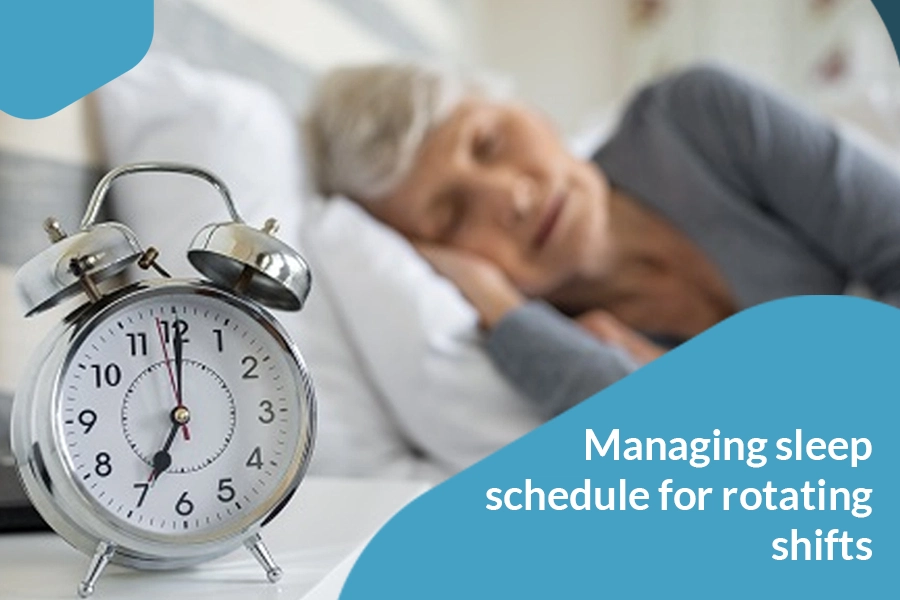
Managing a rotating shift sleep schedule is not about finding a perfect routine. That routine doesn’t exist. It’s about reducing damage, protecting mental clarity, and helping your body adapt just enough to keep life livable. This isn’t a productivity article. It’s about survival, balance, and learning to work with your body rather than constantly fighting it.
-

Modavinil 200mg (Modafinil)
Price range: $69.00 through $395.00 -
Modafil Md 200 mg (Modafinil)
Price range: $69.00 through $345.00 -
Modvigil 200mg (Modafinil)
Price range: $65.00 through $395.00 -
Vilafinil 200 mg (Modafinil)
Price range: $69.00 through $395.00 -
Modalert 200 mg (Modafinil)
Price range: $69.00 through $449.00 -
Modafresh 200 mg (Modafinil)
Price range: $65.00 through $329.00






Sleep disruption doesn’t just affect the body. It affects how you think and feel.
People working rotating shifts often report:
- Reduced patience
- Difficulty concentrating
- Emotional flatness
- Low motivation outside work
This isn’t burnout in the traditional sense. It’s neurological fatigue. Your brain is constantly recalibrating and never fully resting.
That’s why shift work sleep disorder support matters it’s not just about sleep, it’s about mental health.
Why “Sleep More” Is Bad Advice
One of the most frustrating things shift workers hear is: “Just sleep more.”
It doesn’t work like that.
Sleeping at the wrong biological time doesn’t provide the same recovery as sleeping at the right time. You can lie in bed for eight hours during the day and still wake up feeling drained.
Quality, timing, and consistency matter more than total hours.
Creating Stability Inside an Unstable Schedule
You may not control your work hours, but you can control certain anchors.
Helpful anchors include:
- Consistent pre-sleep routines
- Eating meals at similar times relative to shifts
- Fixed wind-down habits
- Limiting decision-making before sleep
These cues signal the brain that rest is coming, even when the clock disagrees.
Sleep Environment Becomes Non-Negotiable
For rotating shift workers, sleep environment matters more than for anyone else.
Daytime sleep requires:
- Complete darkness (blackout curtains help more than people realize)
- Reduced noise (earplugs or white noise)
- Cooler room temperature
Light is the strongest signal to the brain. Blocking it properly can improve sleep quality significantly.
Managing Transitions Between Shifts
The hardest part of rotating schedules is transition days.
Instead of forcing full adjustment:
- Aim for partial adaptation
- Avoid extreme sleep deprivation
- Use short naps strategically
Trying to “reset” overnight usually backfires. Gradual adjustment causes less strain.
Nutrition and Timing Matter More Than Diet Quality
What you eat matters but when you eat matters just as much.
Eating heavy meals close to sleep makes rest harder. Skipping meals entirely worsens fatigue. Irregular eating confuses digestion, which feeds back into sleep disruption.
Simple consistency helps:
- Light meals before sleep
- Main meals aligned with active periods
- Hydration spread evenly
Caffeine: Tool or Trap?
Caffeine can help, but it’s easy to misuse.
Helpful:
- Small amounts early in the shift
- Avoiding caffeine close to planned sleep
Harmful:
- Using caffeine to replace sleep
- Drinking it late “just to push it through”
Over time, caffeine dependence worsens sleep quality and deepens exhaustion.
When Alertness Support Is Discussed
Some rotating shift workers explore additional shift work sleep disorder support, especially during demanding schedules. Under medical guidance, wakefulness-support options like Modafil MD 200mg may come up in conversation.
Important clarity:
This does not fix sleep schedules.
It does not replace rest.
When discussed responsibly, it’s viewed as temporary support during unavoidable disruption not a daily solution.
Why Days Off Can Make Things Worse
Ironically, days off can disrupt sleep further.
Many workers try to “live normally” on off days by sleeping at night. While emotionally satisfying, this forces the body clock to swing again making the next rotation harder.
A middle ground often works better:
- Partial alignment with work schedule
- Avoiding extreme flips
- Keeping sleep windows somewhat consistent
Social Life and Guilt
Rotating shifts affects relationships. Missed events. Cancelled plans. Social guilt.
That guilt adds stress, which further disrupts sleep.
Being honest with yourself and others about limitations reduces pressure. Protecting sleep isn’t selfish. It’s necessary.
Signs You Need Better Support
If rotating shifts leave you:
- Constantly exhausted
- Mentally foggy
- Emotionally drained
- Unable to recover between shifts
That’s a signal not a weakness.
Seeking shift work sleep disorder support, adjusting routines, or discussing options with a professional is a smart move, not an overreaction.
Progress Over Perfection
No rotating shift worker has perfect sleep. That’s not the goal.
The goal is:
- Fewer bad days
- Faster recovery
- More predictable energy
- Less mental strain
Small improvements compound over time.
Final Thoughts
Managing a rotating shift sleep schedule is one of the toughest challenges modern work creates. It demands flexibility, patience, and self-awareness.
There’s no single fix. There’s only smarter management, realistic expectations, and respecting biological limits.
With the right environment, habits, and support including understanding when shift work sleep disorder support is needed, you can protect your health without giving up your livelihood.
Your body may not love rotating shifts.
But it can survive them when you stop fighting it blindly and start working with it deliberately.
Frequently Asked Questions
- What is a rotating shifts sleep schedule and why is it difficult to manage?
A rotating shifts sleep schedule involves changing work hours between day, evening, and night shifts. It is difficult to manage because the body’s internal clock cannot fully adjust before the schedule changes again, leading to poor sleep quality, low energy, and ongoing fatigue.
- How does rotating shift work affect long-term sleep health?
Rotating shift work disrupts natural sleep rhythms over time, increasing the risk of chronic tiredness, poor concentration, and mood changes. Repeated schedule changes prevent the body from stabilizing its sleep–wake cycle, which may contribute to long-term sleep issues if not managed carefully.
- What are effective ways to improve sleep on rotating shifts?
Improving sleep on rotating shifts involves controlling light exposure, maintaining a consistent pre-sleep routine, using blackout curtains, limiting caffeine before rest, and keeping meals light before sleep. These steps help signal the body that it’s time to rest, even during daytime hours.
- When should shift work sleep disorder support be considered?
Shift work sleep disorder support should be considered when rotating shifts cause persistent insomnia, excessive daytime sleepiness, mental fog, or difficulty functioning at work or home. If symptoms continue despite lifestyle adjustments, professional guidance can help identify supportive strategies and treatment options.
- What role does Modafil MD 200mg play for rotating shift workers?
Modafil MD 200mg may be discussed under medical supervision as part of shift work sleep disorder support for managing excessive sleepiness. It does not replace proper sleep or routine adjustments and is typically considered only when non-medication strategies are insufficient.