The precise mechanism isn’t captured by a single neat pathway, but decades of research show that modafinil and armodafinil modulate multiple brain systems involved in arousal and attention. They increase activity in wake-promoting neurotransmitter systems (including dopaminergic and orexinergic pathways) and enhance neuronal signaling in networks that support vigilance, executive function, and sustained attention. The end result, objectively measured in clinical tests, is improved ability to stay awake and reduced lapses in attention during prolonged tasks or sleep deprivation.
What people actually experience
When users report benefits, a consistent theme emerges:
- Longer, steadier alertness. Unlike the quick-but-brief lift from a cup of coffee, these medications commonly produce a prolonged window of wakefulness that many describe as “calm, focused, and sustained.” This is especially noticeable during long shifts or overnight work.
- Better vigilance on objective tests. Clinical trials measuring reaction time and vigilance show clear improvements in people who are sleepy or sleep-deprived. Those measurable gains match many users’ subjective impressions.
- Variable cognitive boost in well-rested users. Healthy, well-rested people sometimes report sharper focus and improved productivity, but controlled studies find effects are typically smaller and task-dependent compared with benefits seen in sleep-deprived populations.
Put simply: if sleep loss or excessive daytime sleepiness is the limiting factor, these drugs often produce substantial, real-world improvements. If you’re already well-rested and functioning near peak, the gains are subtler and less predictable.
Modawake 200 mg (and brand variants)
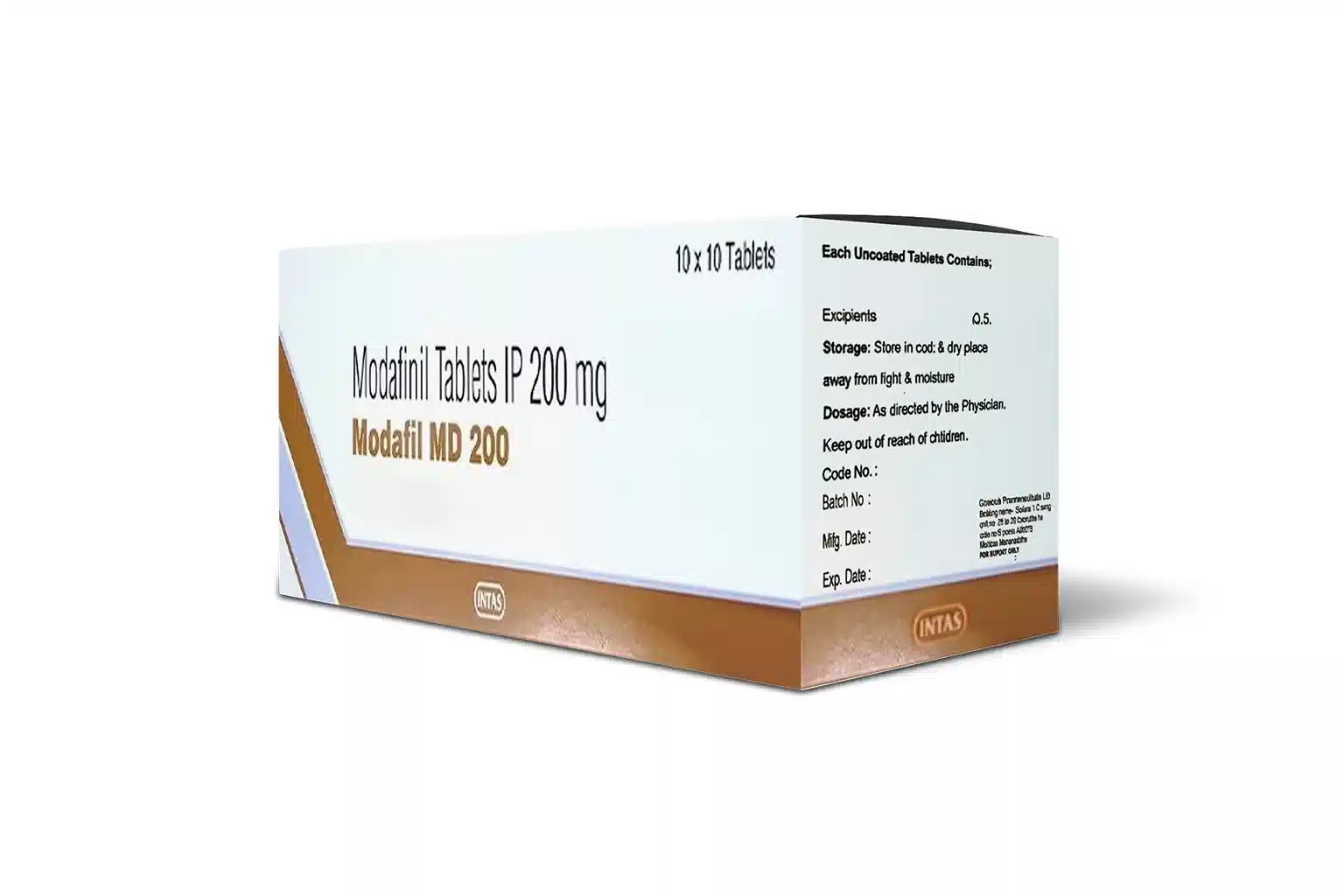
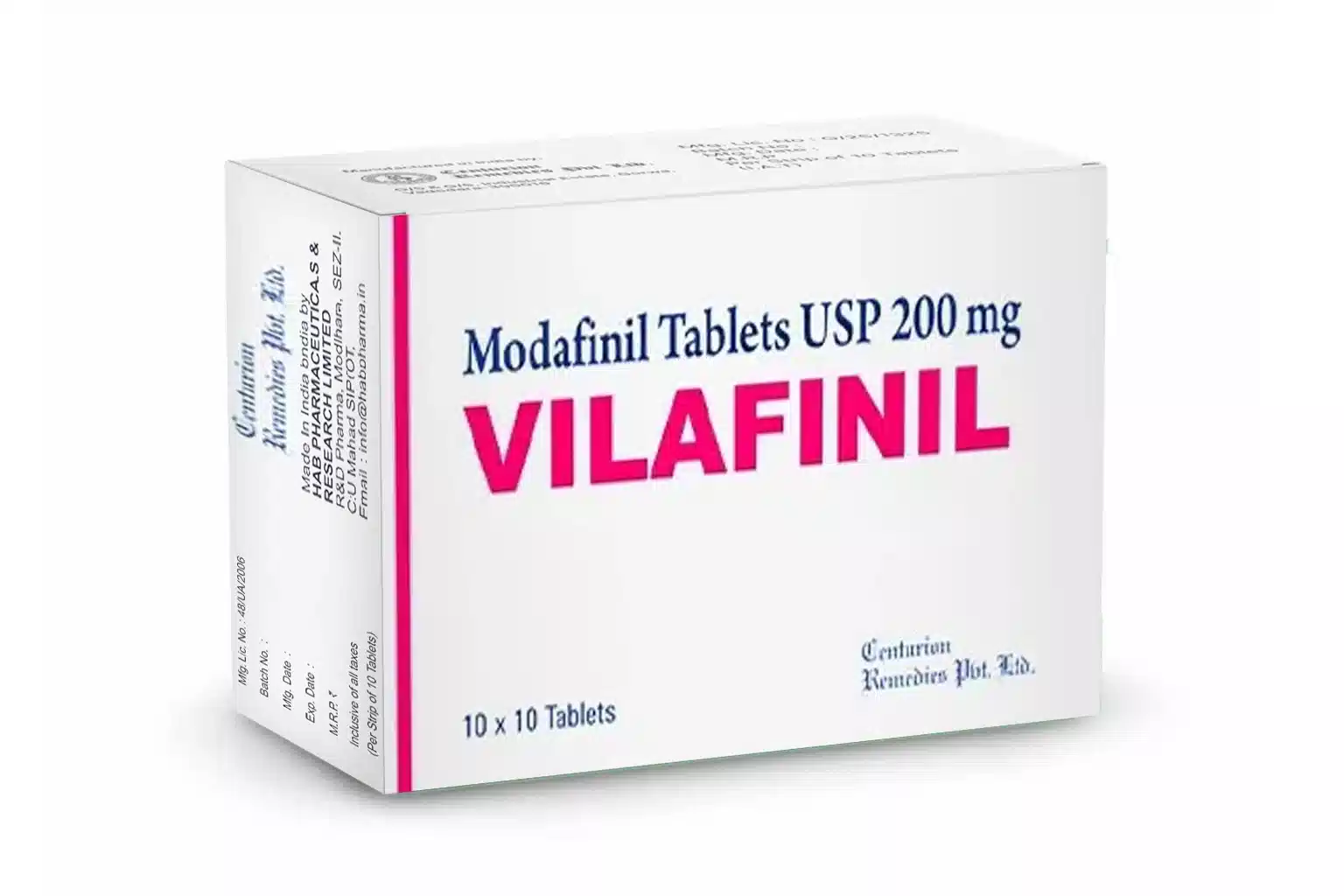
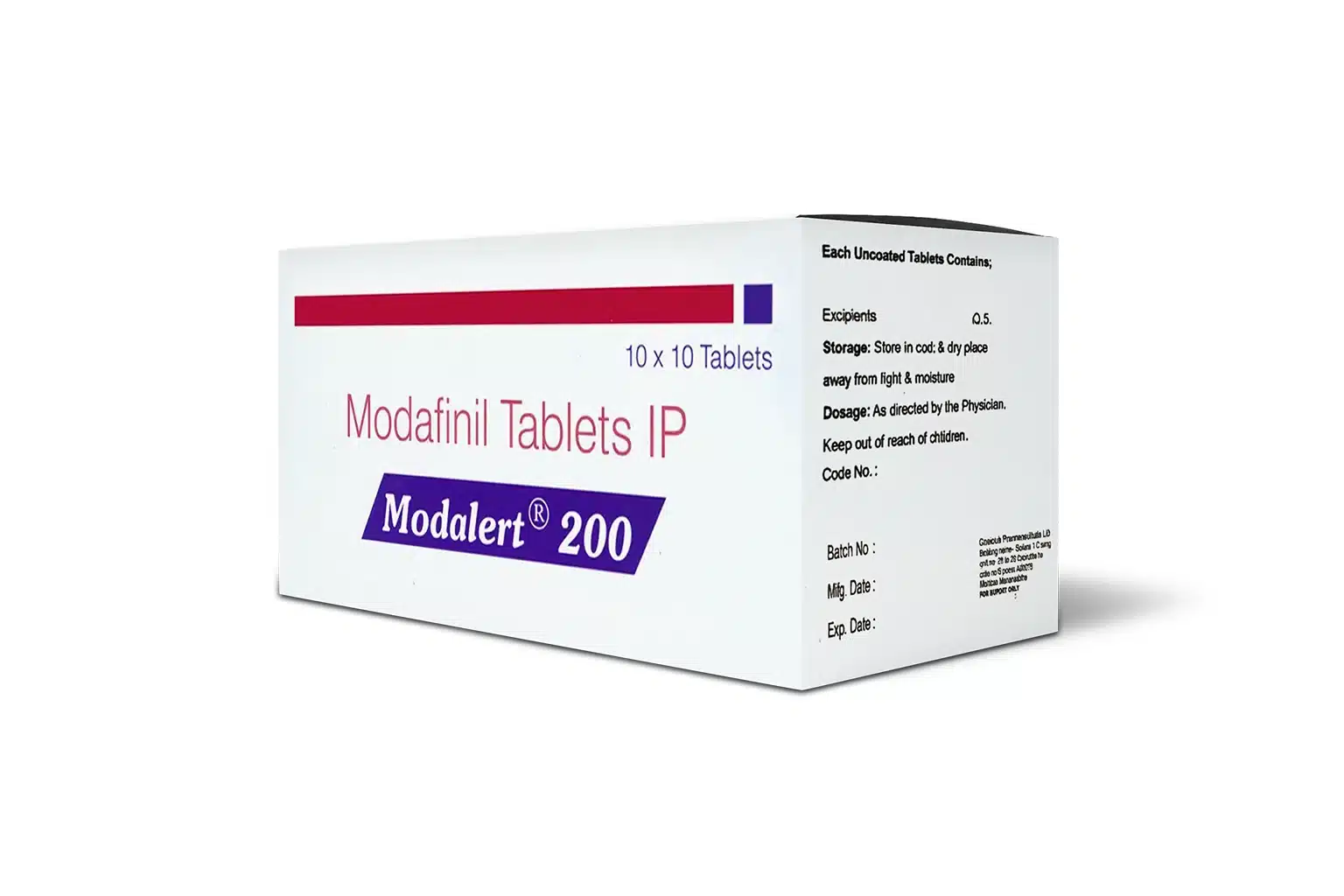
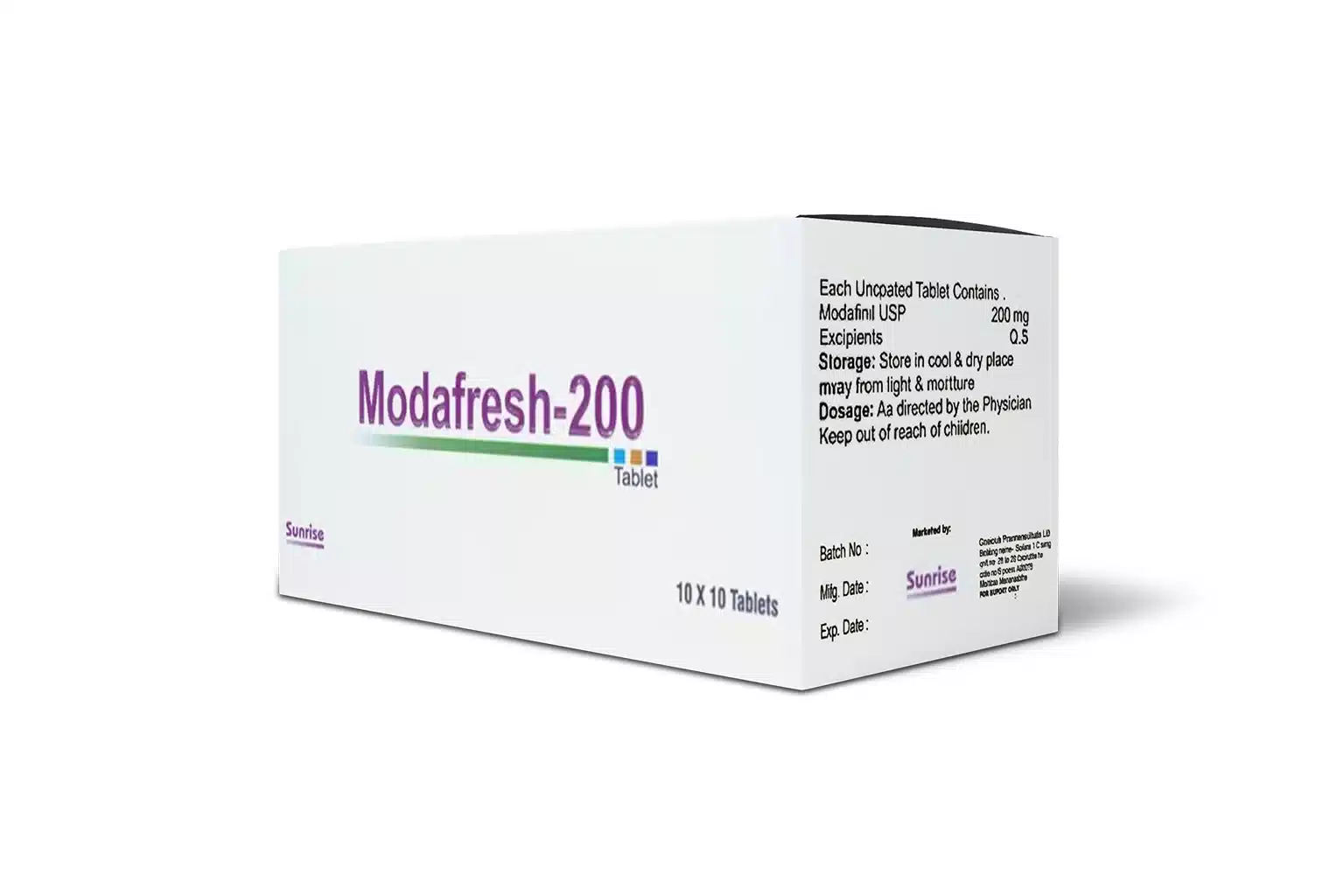
“Modawake 200 mg” is one of several commercial formulations of modafinil marketed in various regions. The active ingredient in Modawake is modafinil, and the 200 mg dose is a common therapeutic dose for adults in many indications. Brand names differ by manufacturer and market, but the pharmacology of modafinil is the consistent element: a wakefulness-promoting agent that has been extensively studied in sleep-disorder patients. If you encounter a brand packaging, check the active ingredient and confirm regulatory approvals and prescribing guidance in your country.
Modafinil vs. armodafinil vs. alternatives
A few practical comparisons help clarify the landscape:
- Modafinil vs. armodafinil: Armodafinil is the R-enantiomer of modafinil, essentially a refined version intended to extend active levels later in the day. Some studies suggest armodafinil has a slightly longer duration of effect for certain people, though head-to-head clinical outcomes are often comparable at appropriate doses. The clinical choice between them typically depends on individual response, prescribing practice, and availability.
- Alternatives: Other wakefulness agents (like solriamfetol) and stimulants (methylphenidate, amphetamines) exist and are used in different clinical contexts. Non-pharmacologic alternatives, sleep optimization, light therapy, and behavioral strategies remain foundational for long-term management of fatigue and low alertness. For many patients, the safest, most sustainable approach is a mix of behavioral treatment and targeted medication when appropriate.
Who benefits most?
Clinical evidence is clearest for people with diagnosed sleep disorders or clinically significant daytime sleepiness:
- Narcolepsy: Modafinil is a first-line treatment for reducing excessive daytime sleepiness.
- Shift work sleep disorder: For people whose schedules force daytime sleep and nighttime work, modafinil can improve wakefulness during required wake times.
- Residual sleepiness in treated obstructive sleep apnea: When continuous positive airway pressure (CPAP) improves breathing but residual sleepiness remains, modafinil can be an adjunct for some patients.
People using these drugs as informal “productivity tablets” without a medical indication do sometimes report perceived benefits, but the clinical evidence for routine enhancement in healthy individuals is weaker and carries ethical and safety questions.
Safety and considerations
No medicine is risk-free. Modafinil’s safety profile is generally favorable when used appropriately, but a few essential cautions deserve emphasis:
- Common side effects: Headache, nausea, nervousness, and insomnia are among the more frequently reported adverse effects. Most are mild to moderate and resolve on dose adjustment or discontinuation.
- Rare but serious reactions: Severe skin reactions, including erythema multiforme, Stevens–Johnson Syndrome (SJS), and other hypersensitivity reactions, have been reported and require immediate discontinuation and urgent medical attention. The FDA label stresses these rare but dramatic risks.
- Drug interactions: Modafinil can alter the metabolism of other drugs by affecting liver enzymes. It may reduce the effectiveness of some hormonal contraceptives and interact with medications metabolized by CYP pathways; a full medication review with a prescriber or pharmacist is essential.
- Dependence potential: While considered to have lower abuse liability than classic stimulants, modafinil influences dopaminergic pathways and is a controlled substance in many jurisdictions. Misuse and off-label use raise legitimate safety concerns.
Because of these issues, responsible use means working with a healthcare provider who can screen for contraindications, monitor side effects, and manage interactions.
Real-world patterns of use and ethical questions
Surveys among students, shift workers, and high-pressure professionals show pockets of off-prescription use. That diffusion has fueled debates about fairness (“productivity doping”), workplace pressure, and long-term societal implications. Ethicists and clinicians differ on what degree of regulated, informed access is appropriate, but most emphasize medical oversight and caution about normalizing routine off-label enhancement in healthy people.
Who should consider these medicines?
These drugs are powerful clinical tools for people who suffer from pathological sleepiness or for specific, supervised occupational uses. For those groups, the benefits are well-documented and often life-changing (improved safety, functioning, and quality of life). For healthy individuals seeking a quick productivity hack, the benefits are less certain and come with ethical and medical trade-offs. Wherever you fall on that spectrum, a conversation with a clinician is the safest first step to evaluate the root cause of fatigue and to determine whether a wakefulness medication is clinically appropriate.
Frequently Asked Questions (FAQ)
Q1: What is Modawake 200 mg, and is it the same as modafinil?
A: Modawake 200 mg is a commercial brand of the drug modafinil. The active ingredient, modafinil, is the same; brand formulations differ only in manufacturer and inactive ingredients. Always confirm the active compound and consult local prescribing guidelines.
Q2: Can modafinil replace sleep?
A: No. Modafinil can counteract sleepiness and improve wakefulness temporarily, but it does not replace the restorative functions of sleep. Long-term health depends on adequate sleep, circadian alignment, and medical management of sleep disorders when present.
Q3: Are these drugs addictive?
A: Modafinil has lower measured abuse potential than classical stimulants, but it affects dopamine systems. It is a controlled substance in many countries, and there are case reports of misuse. Use under medical supervision reduces risk.
Q4: What are the most important side effects to watch for?
A: Common side effects include headache, nausea, and trouble sleeping. The most serious (rare) concerns are severe skin reactions and significant psychiatric symptoms; these require immediate medical attention. Inform your prescriber right away if you notice a rash, blisters, or unexpected mood/behavioral changes.
Q5: How long do effects last?
A: Effects vary by drug and dose. Modafinil’s typical dosing profile commonly produces many hours of wakefulness (often the length of a standard workday), but individual metabolism, timing, and the specific formulation influence duration. Armodafinil formulations sometimes sustain higher plasma levels later into the day. Discuss timing with your clinician to balance daytime wakefulness and nighttime sleep.
References
- Greenblatt, K. Modafinil. StatPearls (NCBI Bookshelf). 2023. NCBI
- Tembe DV, et al. Armodafinil versus Modafinil in Patients with Excessive Sleepiness. PMC (comparative study). PMC
- Randomized, double-blind, placebo-controlled trials of modafinil show improvements in maintenance of wakefulness. Neurology. American Academy of Neurology
- U.S. Food and Drug Administration — Provigil (modafinil) label — safety warnings, including severe skin reactions and prescribing notes. FDA Access Data
- MDPI. A Comprehensive Review of Current and Emerging Treatments for Excessive Daytime Sleepiness. (Review of efficacy and outcomes for modafinil/armodafinil). MDPI