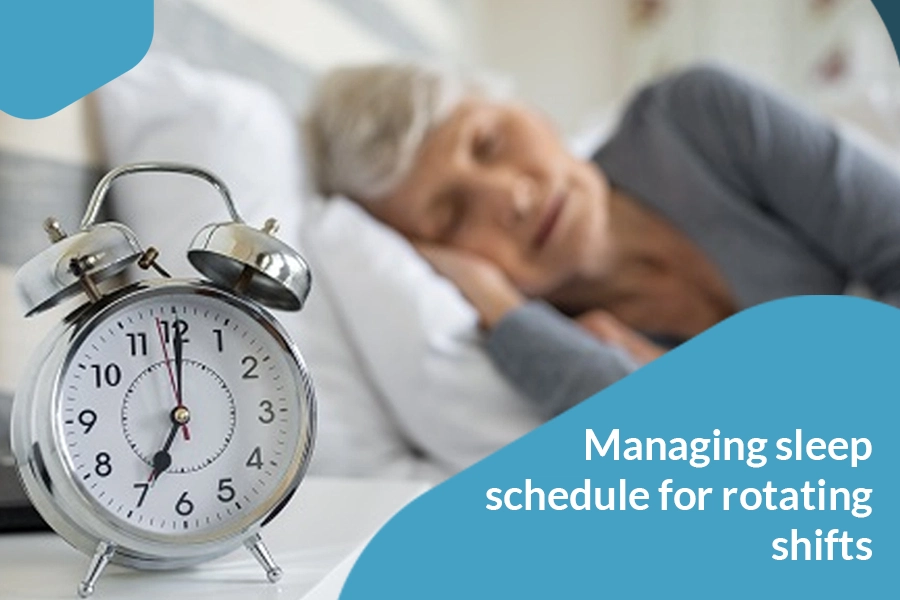
How Call Center Professionals Stay Alert During Night Shifts in the UK & Australia

From the outside, night shift work often gets simplified. “Just sleep during the day.” “You’ll get used to it.” Anyone who has actually worked these hours knows it’s not that simple. Staying sharp through customer calls, resolving issues quickly, and keeping tone professional while the body wants rest is a skill learned over time.
Understanding night shift alertness call center work requires more than generic sleep advice. It requires acknowledging biological limits, cultural realities, and the specific pressures of customer-facing roles across time zones.
-

Modavinil 200 mg (Modafinil)
Price range: $69.00 through $449.00 -

Modafil MD 200 mg (Modafinil)
Price range: $70.00 through $749.00 -

Modvigil 200 mg (Modafinil)
Price range: $69.00 through $449.00 -

Vilafinil 200 mg (Modafinil)
Price range: $69.00 through $449.00 -

Modafresh 200 mg (Modafinil)
Price range: $69.00 through $449.00 -

Modvigil MD 200 mg (Modafinil)
Price range: $69.00 through $395.00
Experienced night shift professionals often talk about controlling their environment aggressively.
Darkness becomes essential:
- Blackout curtains
- Minimal light exposure before sleep
- Avoiding screens immediately after shifts
Silence matters just as much. Earplugs, white noise, or fans are common tools. The goal is to convince the brain, temporarily that it’s nighttime.
This isn’t indulgence. It’s survival.
Food Timing and Energy Stability
Eating habits often make or break night shift energy.
Heavy meals during the shift can cause sluggishness. Skipping meals entirely leads to crashes later. Most experienced agents find a middle ground.
Patterns that help include:
- Light meals before shifts
- Small, balanced snacks during work
- Avoiding sugar-heavy foods late in the shift
This stabilizes energy and reduces sudden drops in focus during calls.
Caffeine: Used Carefully or It Backfires
Coffee and energy drinks are common in night shift offices but overuse causes problems.
Smart usage looks like:
- Moderate caffeine early in the shift
- Avoiding caffeine in the last few hours
- Using it to support alertness, not replace sleep
Excessive caffeine late into the night often ruins post-shift sleep, creating a cycle of exhaustion.
Mental Fatigue Is the Hardest Part
Physical tiredness is manageable. Mental fatigue is harder.
Listening continuously, handling complaints, and maintaining emotional control drains cognitive resources quickly. This is why many agents feel mentally “empty” even if they’re technically awake.
Reducing mental fatigue involves:
- Short breaks away from screens
- Standing or stretching during downtime
- Changing posture and environment briefly
Small resets prevent mental overload from building silently.
The Early Morning Danger Zone
Between 4 a.m. and 6 a.m., alertness reaches its lowest point for most people.
Reaction time slows. Attention wanders. Mistakes increase.
Call center teams often notice:
- Longer call handling times
- Reduced patience
- Increased error rates
Awareness of this window allows teams and individuals to plan extra support during these hours.
Social Life and Emotional Impact
Working nights in the U.K. or Australia often means missing social events, family time, and normal routines.
This isolation adds emotional fatigue to physical tiredness. Over time, it can reduce motivation and increase stress, even when work performance remains strong.
Acknowledging this emotional load is part of managing night shift fatigue UK Australia it’s not just a scheduling issue.
When Additional Alertness Support Is Discussed
In some professional environments, especially during extended night rotations, discussions around short term alertness support may arise under medical guidance. One option sometimes mentioned is Modafil MD 200mg.
Important clarity:
- It does not replace sleep
- It does not eliminate fatigue
- It is not a daily fix
When referenced responsibly, it’s viewed as temporary support during unavoidable disruption, not a solution to poor routines.
Why Consistency Matters More Than Perfection
Night shift workers who cope best rarely aim for perfect balance. They aim for consistency.
Consistent sleep windows, meal timing, and routines help the body anticipate demands even if the schedule isn’t ideal.
Frequent switching between “normal life” and night routines makes fatigue worse, not better.
Breaks Are Not Optional
Stepping away from calls matters more than people realize.
Even brief moments without auditory input allow the brain to reset. Call centers that respect break structure often see better performance and fewer errors.
For individuals, breaks are not laziness. They’re maintenance.
The Role of Team Culture
Alertness isn’t only individual it’s collective.
Supportive teams:
- Normalize fatigue conversations
- Encourage proper breaks
- Avoid glorifying exhaustion
This culture reduces burnout and improves long-term retention, especially in high-pressure night operations.
Accepting Biological Limits
No strategy completely removes night shift strain.
The goal isn’t to defeat biology. It’s to work around it intelligently.
Understanding personal limits, respecting warning signs, and adjusting habits early prevents long-term damage.
Final Thoughts
Call center professionals working night shifts in the U.K. and Australia operate in one of the most demanding work rhythms modern jobs offer. Staying alert isn’t about toughness, it’s about systems, habits, and support.
By focusing on night shift alertness call center strategies, being realistic about managing night shift fatigue UK Australia, and understanding where tools like Modafil MD 200mg are discussed responsibly, professionals can protect both performance and well-being.
The work may happen at night.
But health still deserves daylight-level attention.
FAQs
Why is night shift alertness especially challenging for call center professionals?
Night shift alertness is challenging because the body naturally lowers focus and energy during late hours. Call center professionals must stay mentally sharp, communicate clearly, and manage customer emotions while working against their biological clock, which increases cognitive strain and accelerates mental fatigue.
How do call center workers in the UK and Australia manage night shift fatigue?
Managing night shift fatigue in the UK and Australia often involves controlling sleep environments, maintaining consistent routines, eating light meals, and using caffeine strategically. Many professionals also rely on structured breaks and limited social schedule changes to reduce repeated disruption to their sleep–wake rhythm.
Does daytime sleep fully compensate for night shift work?
Daytime sleep rarely provides the same recovery as nighttime sleep because light, noise, and daily responsibilities interrupt rest. Even with enough hours, sleep quality is often lower. This is why night shift workers may still feel tired despite spending adequate time in bed.
What habits help improve night shift alertness in call centers?
Helpful habits include using blackout curtains, limiting screen exposure after shifts, staying hydrated, taking short movement breaks, and avoiding heavy meals during work hours. Consistency in sleep and meal timing helps the brain anticipate alertness demands more effectively during night shifts.
When is Modafil MD 200mg discussed for night shift professionals?
Modafil MD 200mg may be discussed under medical guidance in cases of excessive sleepiness related to night shift work. It is not a substitute for sleep or healthy routines and is generally considered temporary support rather than a long-term solution for fatigue management.