If you want to stay awake at night, you must protect daytime sleep. Shift workers who treat sleep deliberately perform better.
- Main sleep block after the shift: Aim for a long, uninterrupted sleep period immediately after work (ideally 7–9 hours over 24 when possible). Use blackout curtains, earplugs, an eye mask, and white noise to recreate night time conditions.
- Pre-shift nap: A nap before your shift, even 90 minutes if you can manage it, significantly reduces sleepiness during the night. Short naps (20–40 minutes) can also be used during breaks to refresh attention. Evidence supports planned naps as a top countermeasure for acute sleepiness.
- Consistent schedule: When possible, keep a consistent sleep–wake schedule across workdays to stabilize your circadian rhythm. Rotating schedules should be directionally forward (day → evening → night) and give enough days off to recover.
2) Use bright light and dark cues strategically
Light is the strongest environmental cue to your circadian clock.
- During the night shift: Use bright, blue-enriched light in your workspace to promote alertness and suppress melatonin. Portable light boxes or well designed LED overhead lighting can help during the first half of the shift.
- Commute home: Wear sunglasses on your way home to reduce morning light exposure and make daytime sleep easier.
- Before daytime sleep: Keep your bedroom dark (blackout curtains) and cool to help fall asleep faster. Light management makes the difference between a restorative sleep and a noisy, fragmented nap.
3) Naps
Naps are one of the most powerful tools in shift work sleep management.
- Pre-shift nap: A 60–90 minute nap before starting a night shift may be ideal if you can fit it in.
- Power nap during shift: Short naps (10–30 minutes) during scheduled breaks reduce subjective sleepiness and temporarily boost performance. Avoid long naps right before the end of a shift to reduce sleep inertia (grogginess).
- Combine caffeine with naps: “Caffeine naps” drinking a caffeinated beverage right before a 20-minute nap can produce synergistic benefits, because caffeine takes ~20–30 minutes to kick in. Research supports combining a short nap with caffeine for faster, longer alerting effects.

4) Smart caffeine use
Caffeine is a fast, effective wakefulness aid when used strategically.
- Use early in the shift (or right before a pre-shift nap if doing a caffeine nap).
- Avoid caffeine 4–6 hours before your planned daytime sleep so it doesn’t block restorative sleep.
- Moderation: target moderate doses (e.g., 100–200 mg per serving; total daily intake should be reasonable) to avoid jitteriness, heart palpitations, or insomnia. Caffeine combined with other measures (light, naps) is more effective than caffeine alone.
5) Movement, temperature, and micro-breaks
Small behavior changes help maintain cognitive arousal.
- Get up and move for a minute or two every 30–60 minutes, brisk walking, stair climbing, or a few squats increase circulation and alertness.
- Face washing or a cold splash can offer a short-lived alerting effect. Cooling the face or hands triggers sympathetic arousal.
- Work design: rotating tasks and avoiding long periods of monotonous duty reduces boredom-related sleepiness. Employers should design schedules with micro-breaks and safe workload rotations.
6) Nutrition and hydration
What and when you eat matters.
- Light, regular meals: Heavy, high-fat meals can increase sleepiness. Choose balanced snacks with protein and complex carbs to stabilize energy.
- Stay hydrated: Mild dehydration reduces alertness. Drink water regularly.
- Avoid alcohol before, during, or immediately after shifts, it worsens sleep fragmentation and next-day fatigue.
7) When behavioral measures aren’t enough: Modafinil & Armodafinil
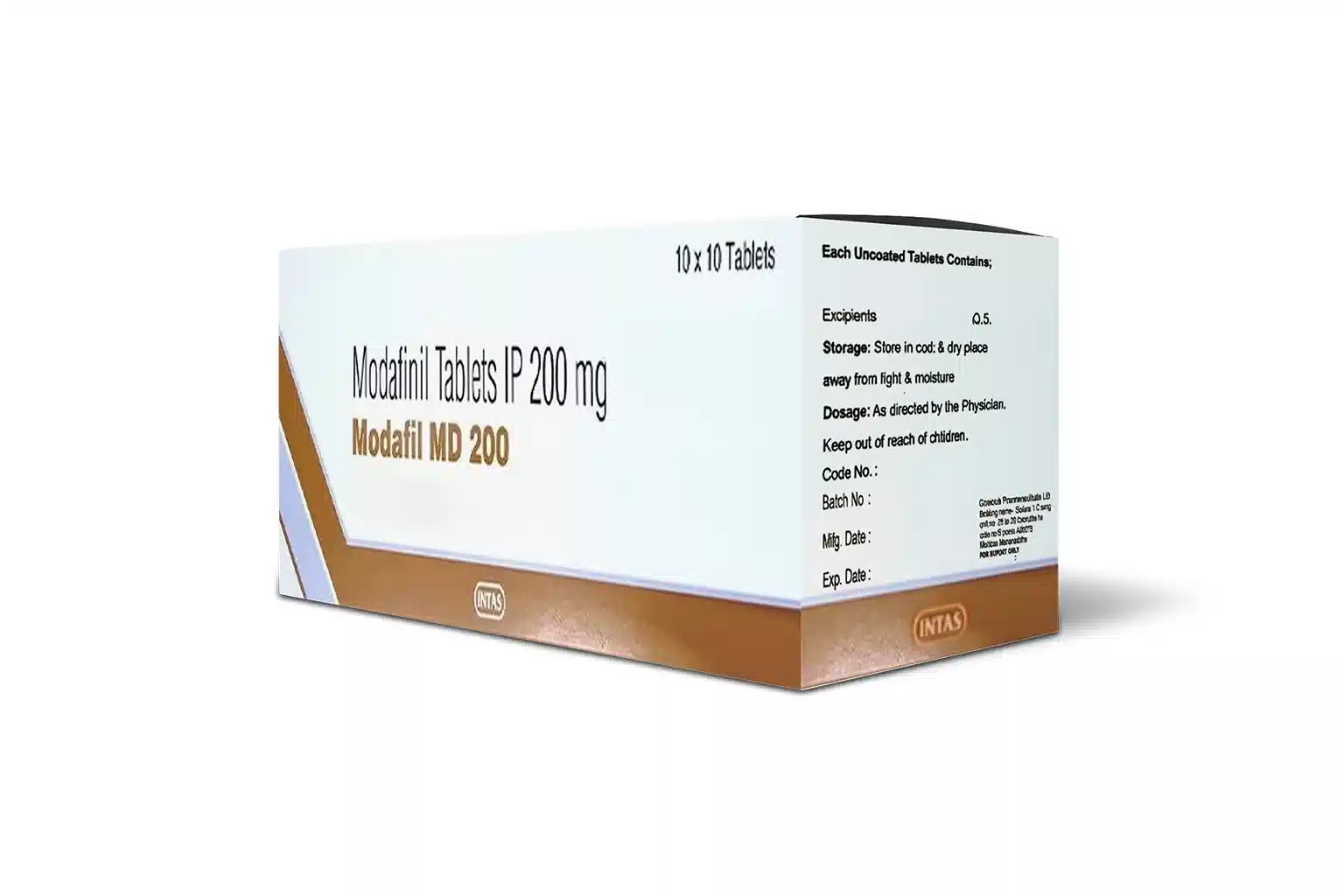
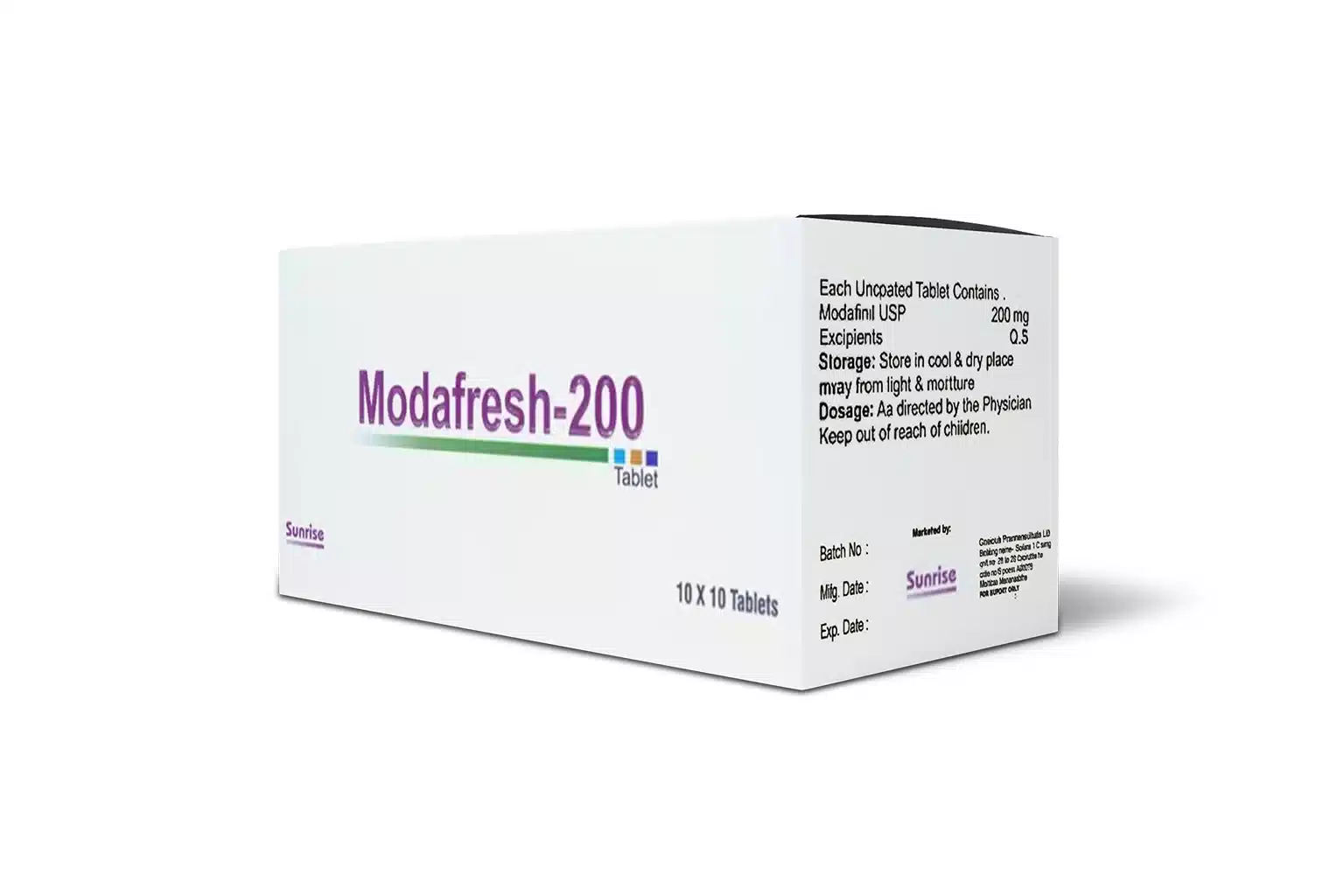
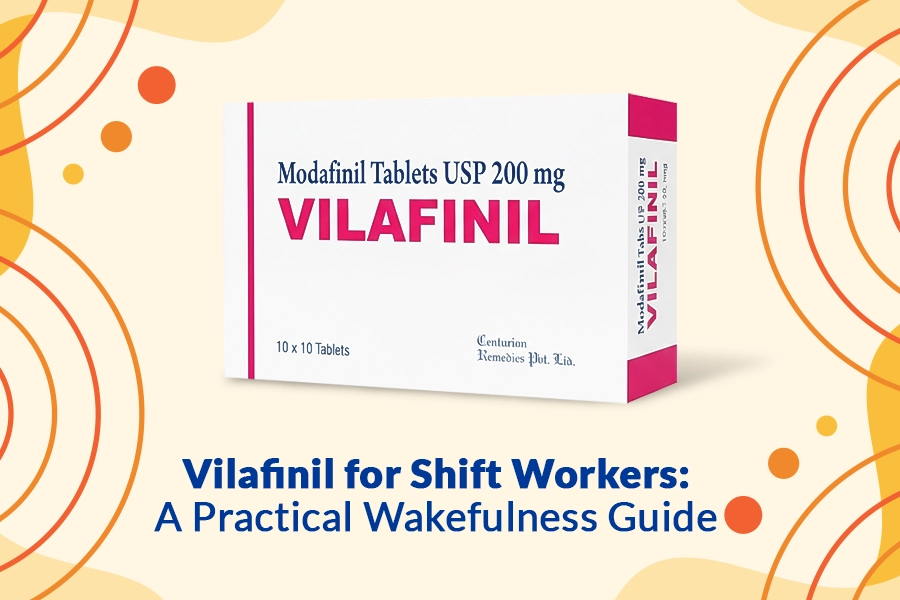
For clinically significant night shift sleepiness that impairs safety or functioning despite behavioral measures, prescription wakefulness-promoting agents may be considered. The two most widely studied are modafinil and armodafinil.
- Evidence: A high-quality randomized trial (Czeisler et al.) showed that modafinil 200 mg taken before a night shift significantly reduced excessive sleepiness and produced modest performance improvements compared with placebo in people with shift-work sleep disorder. This remains a landmark finding supporting its role as an alertness booster for shift workers.
- Armodafinil (a related compound) may provide a longer duration of wakefulness in some patients and has also shown benefits for shift-work sleepiness in clinical trials. Head-to-head pharmacokinetic studies indicate armodafinil’s plasma profile may sustain alertness later into a work period for some users.
- Important caveats: These are prescription medications (often Schedule-controlled in some countries). They are not substitutes for sleep, carry side effects (headache, nausea, insomnia, rare severe skin or psychiatric reactions), and can interact with other drugs (notably they may affect hormonal contraceptives and certain liver-metabolized drugs). A doctor should evaluate your medical history, medications, and safety needs before prescribing.
Bottom line: Modafinil/armodafinil can be useful tools for fatigue relief and improving focus during night shifts when used as part of a comprehensive plan and under medical supervision, but they’re not a standalone solution.
8) Workplace and policy solutions that actually help
Many fatigue problems are organizational. Employers can reduce staff sleepiness and errors by implementing evidence-based policies:
- Limit consecutive night shifts (e.g., avoid >3–4 nights in a row when possible), and minimize excessively long shifts.
- Provide protected break periods and safe spaces for short naps where feasible.
- Use scheduling that allows recovery time after night shift blocks.
- Offer training on sleep health and on recognizing dangerous levels of fatigue.
- Enable light therapy or bright break rooms, and consider workplace redesign to reduce monotony during night hours.
These structural changes reduce reliance on pills alone and protect worker health long term.
9) When to seek medical assessment
If you’re persistently sleepy despite good sleep hygiene, naps, and light/caffeine strategies, see a sleep clinician. Underlying disorders (sleep apnea, narcolepsy, restless legs, or depression) can cause severe daytime sleepiness and need specific treatment. Sleep testing and specialist evaluation can uncover treatable causes and guide safe use of wakefulness medications.
Final thoughts
Beating sleepiness during night shifts is possible but requires planning, workplace support, and sometimes medical help. Layered strategies, planned naps, strategic light exposure, well-timed caffeine, movement, protective sleep environments, and organizational policies are the backbone of a reliable plan. For persistent, performance-limiting sleepiness despite these measures, evidence supports the selective use of Modafinil / Armodafinil as part of a clinician-supervised approach. Prioritize safety: if you drive, operate machinery, or have safety-critical duties, err on the side of caution and consult occupational health about the best strategy for you.
FAQs
Q1: Can I use modafinil or armodafinil without seeing a doctor?
A: No, these are prescription medicines with potential interactions and side effects. A clinician must assess your health, other medications, and the cause of your sleepiness.
Q2: Will modafinil keep me completely alert for an entire 12-hour night shift?
A: It can significantly reduce sleepiness and improve performance, but evidence shows residual sleepiness can remain. It’s an aid, not a guarantee. Combine it with naps, light, and sleep hygiene.
Q3: Are naps safe at work?
A: When scheduled and managed (safe handover for safety-critical tasks), short naps can be very effective. Always follow workplace policies and ensure napping won’t compromise safety monitoring.
Q4: How do I manage family/social life while doing night shifts?
A: Prioritize communication and schedule shared activities during your awake periods. Treat daytime sleep as protected time to avoid social jetlag and chronic sleep debt. Good planning reduces the social costs of night work.
References
- Czeisler CA, Walsh JK, et al. Modafinil for Excessive Sleepiness Associated with Shift-Work Sleep Disorder. New England Journal of Medicine. 2005.New England Journal of Medicine
- Centers for Disease Control and Prevention / NIOSH — Shiftwork, Long Work Hours, Fatigue (training and guidance on risks of shift work).CDC