Why Smart Workers Choose Armodafinil for Maximum Focus
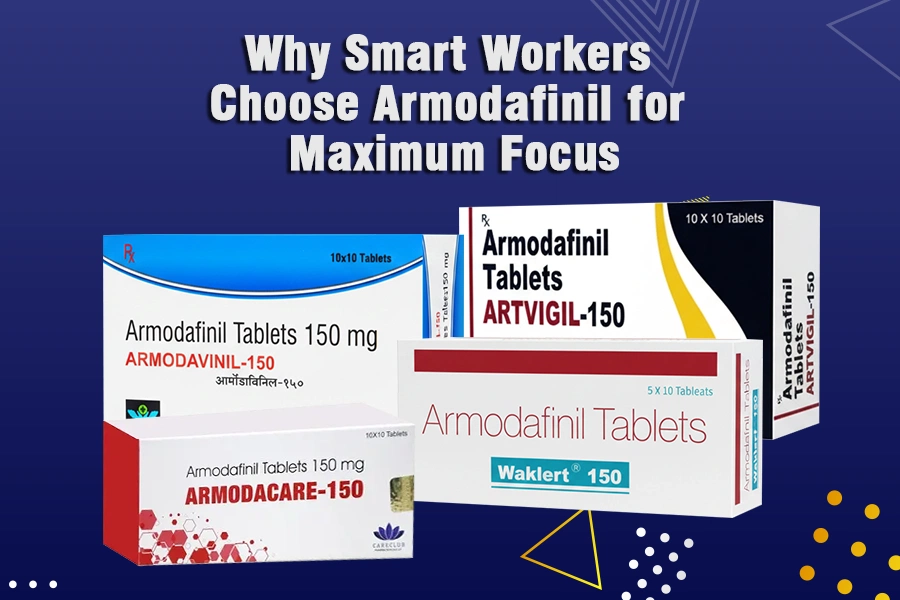
This long-form guide explains what armodafinil is, how it works, why some people prefer it over alternatives, who benefits most, the evidence on cognitive enhancement, and, importantly, the safety considerations any responsible worker should weigh before using productivity tablets or prescription stimulants.
-

Modavinil 200 mg (Modafinil)
Price range: $69.00 through $449.00 -
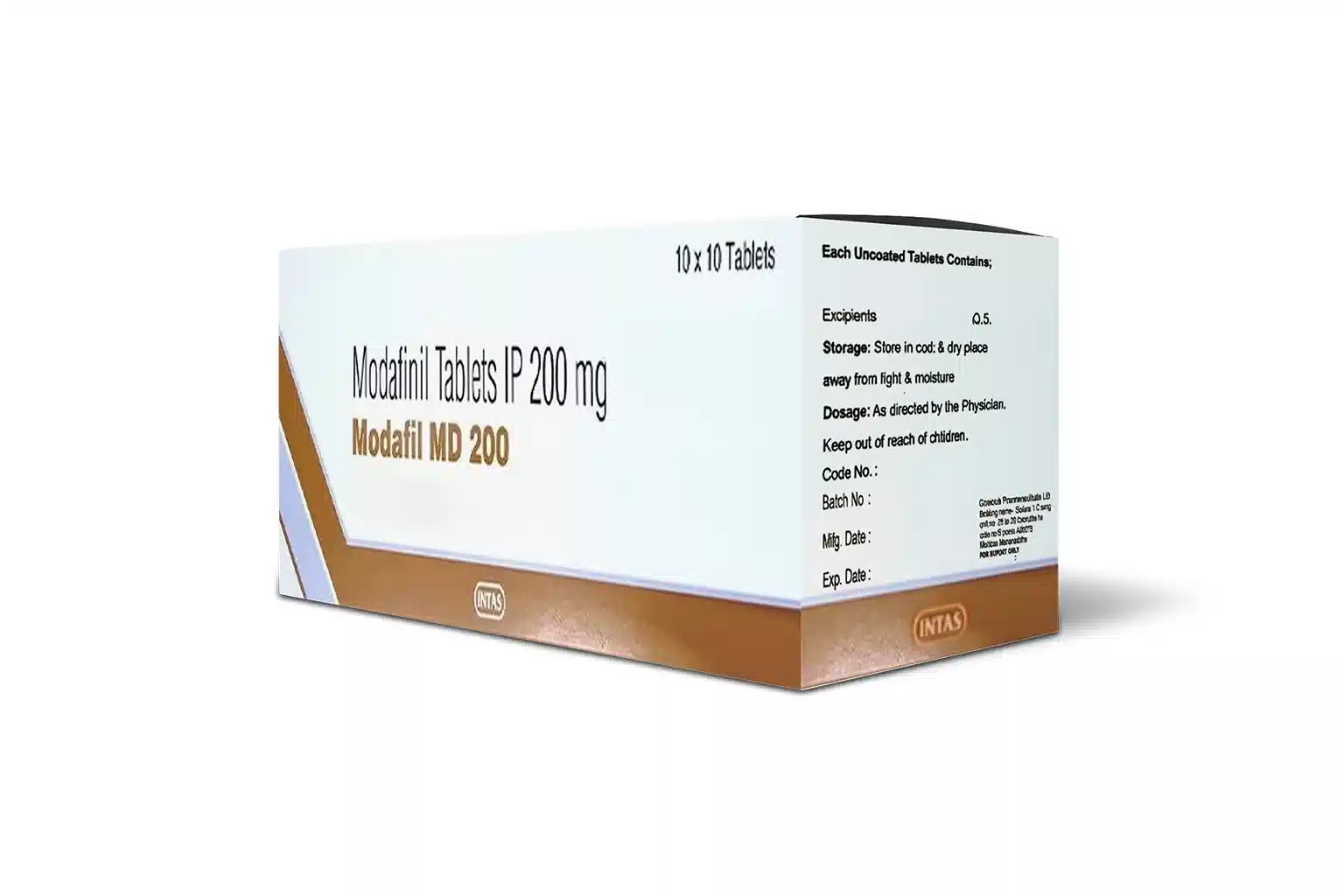
Modafil MD 200 mg (Modafinil)
Price range: $70.00 through $749.00 -

Modvigil 200 mg (Modafinil)
Price range: $69.00 through $449.00 -

Vilafinil 200 mg (Modafinil)
Price range: $69.00 through $449.00 -
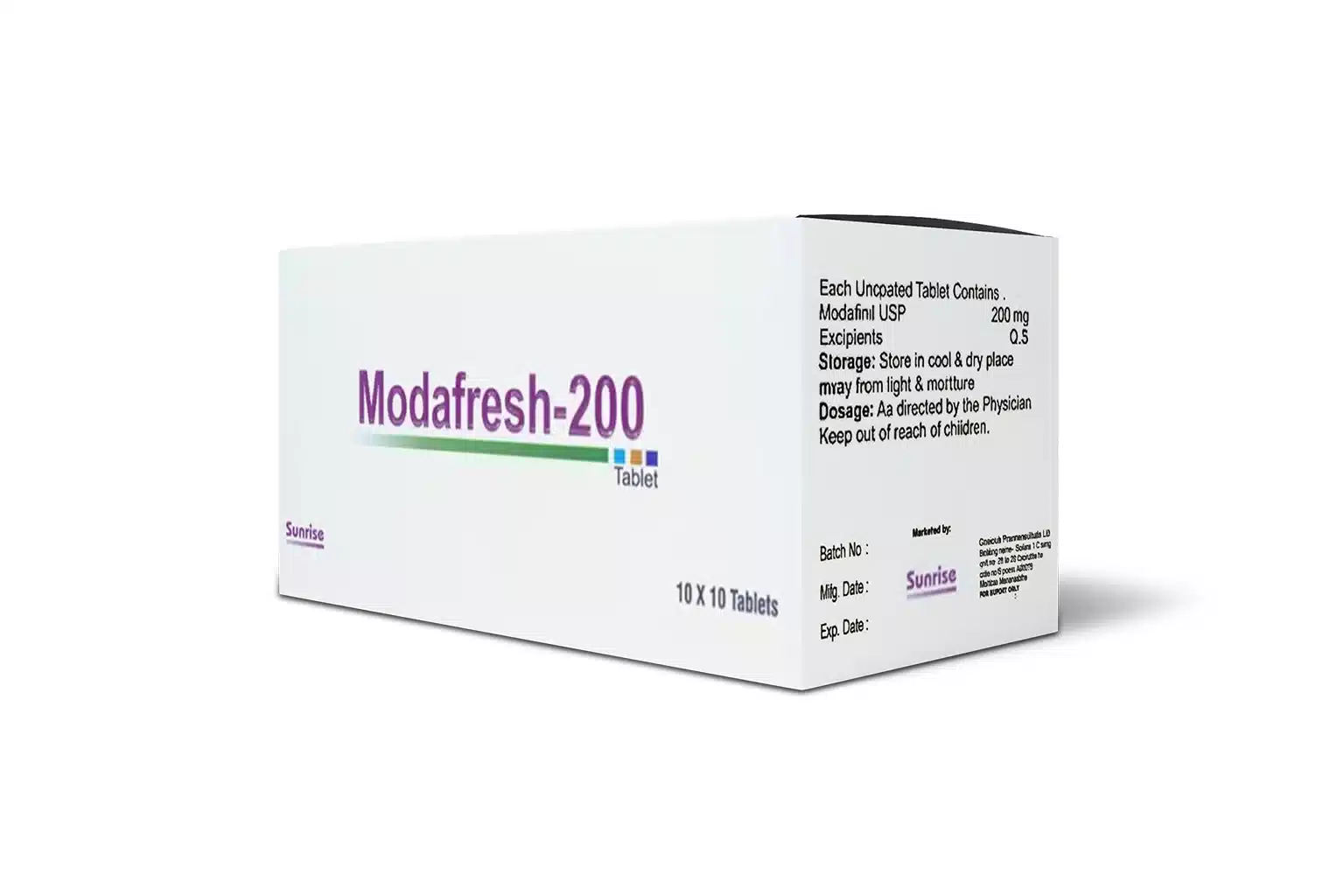
Modafresh 200 mg (Modafinil)
Price range: $69.00 through $449.00 -
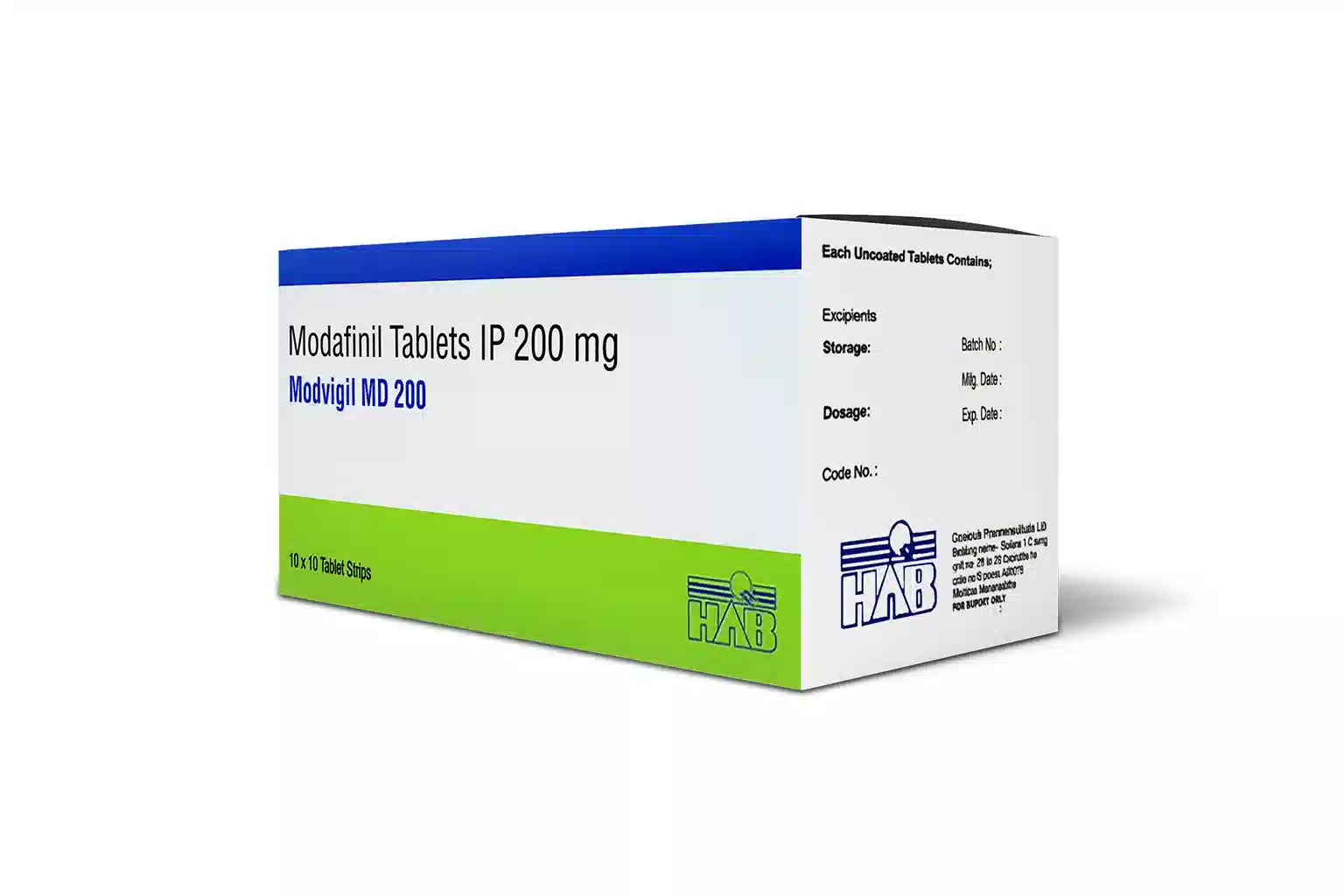
Modvigil MD 200 mg (Modafinil)
Price range: $69.00 through $395.00
The appeal of armodafinil among “smart workers” and high-demand professionals comes from a few consistent effects reported in clinical trials and user surveys:
- Sustained alertness and wakefulness without the jittery stimulation associated with amphetamines.
- Improved ability to sustain attention, particularly on long or repetitive tasks.
- Better resistance to fatigue during extended work or night shifts.
- A smoother subjective cognitive boost — users often report clearer thinking and steady concentration rather than a pressured, hyperactive state.
Clinical trials that tested armodafinil for sleep disorders documented improved objective and subjective wakefulness metrics, evidence that explains its off-label popularity as a focus booster among people who need reliable daytime alertness.
How does armodafinil work?
The exact mechanism by which armodafinil promotes wakefulness is not fully understood, but pharmacological research indicates it modulates multiple brain systems. It binds to and inhibits the dopamine transporter (increasing extracellular dopamine), and it appears to influence other wakefulness-related neurotransmitter systems indirectly. These combined effects translate into increased cortical activation and improved alertness without the broad adrenergic stimulation (and associated crash) typical of classic amphetamines.

Pharmacokinetics
Armodafinil is the purified R-isomer of modafinil; the two drugs are chemically related but differ subtly in how they behave in the body. Pharmacokinetic studies show that armodafinil tends to provide higher plasma concentrations later in the day, which can translate to longer-lasting wakefulness for some users. Practically, that means armodafinil may give steadier coverage across a long workday or during extended shifts when a sustained effect is preferred. However, head-to-head trials often find broadly similar efficacy between carefully dosed modafinil and armodafinil; the real-world difference is often personal and task-dependent.
Evidence for cognitive enhancement
Research on modafinil and armodafinil outside approved sleep disorders shows mixed but promising results in specific domains:
- Sustained attention and vigilance: Multiple studies show moderate improvements, especially in sleep-deprived individuals or those with severe fatigue.
- Executive function and working memory: Benefits are variable; some studies report modest gains in tasks requiring planning, mental flexibility, or complex problem solving, while others find little change in healthy, well-rested volunteers.
- Learning and creativity: Results are inconsistent; some tasks that rely on convergent thinking improve, while divergent creative tasks may not.
Overall, armodafinil behaves as a targeted cognitive enhancer: it reliably helps when wakefulness or fatigue is the limiting factor, and it can modestly boost certain types of focused cognitive work in others, but it is not a universal “super-intelligence” pill. Real-world improvements often come when armodafinil is combined with sensible sleep and workload strategies.
Benefits that users value
- Sustained focus on monotonous tasks. For roles that require long stretches of monitoring, reviewing, or quality control, armodafinil reduces lapses in attention.
- Reduced subjective fatigue. People working shifts or nights report better performance and fewer microsleeps.
- Cleaner mental energy. Many users describe fewer mood swings and a calmer, clearer focus than they experience with caffeine or amphetamine-based stimulants. This can mean better decision-making during long, high-stakes shifts.
Risks and side effects
No cognitive enhancer is risk-free. Armodafinil has a safety profile that’s generally considered favorable compared with classical stimulants, but there are important risks:
- Common side effects: headache, nausea, dizziness, dry mouth, and insomnia.
- Serious but rare reactions: severe skin reactions (including Stevens-Johnson syndrome), anaphylaxis, and psychiatric effects (agitation, hallucination) have been reported. These require immediate medical attention.
- Drug interactions and contraception: armodafinil can interact with hormonal contraceptives and some liver-metabolized drugs; it may reduce the effectiveness of certain birth control pills. Always check interactions with a pharmacist or prescriber.
- Dependence and misuse: armodafinil is a Schedule IV medication in many jurisdictions. While its abuse potential is lower than classical stimulants, recreational misuse, unsupervised dose escalation, or sharing prescriptions is unsafe and unlawful.
Because of these risks, responsible use means obtaining a prescription, discussing your medical history with a clinician, and following recommended dosing and monitoring. Never treat armodafinil as a casual, over-the-counter productivity tablet.
Practical dosing and timing tips
- Typical clinical doses: For approved indications, armodafinil tablets come in doses such as 150 mg or 250 mg taken once daily in the morning (dose and regimen depend on indication and prescriber). Timing matters; taking it late in the day can disrupt sleep. Always follow your prescriber’s dose.
- Take it with realistic expectations: armodafinil supports wakefulness and attention, but it doesn’t replace sleep. Use it as an adjunct when needed (e.g., for unavoidable night shifts or acute sleep deprivation), while prioritizing sleep recovery and healthy routines.
Safer strategies for smart workers who consider armodafinil
If you’re a professional thinking about armodafinil to boost productivity, follow these safety-minded steps:
- See a qualified prescriber. Get a full medical evaluation visits protect you from contraindications (e.g., heart disease, liver issues, psychiatric history).
- Start low, monitor closely. Track sleep, mood, blood pressure, and any adverse effects. Keep a diary of performance and side effects for several weeks.
- Use it strategically, not chronically. Reserving armodafinil for periods of exceptional demand or medically indicated sleep disorders reduces long-term exposure.
- Combine with behavioral anchors. Use time management, microbreaks, caffeine in moderate doses, and ergonomic work setups to amplify benefits and reduce reliance on pills.
- Check interactions. Ask your pharmacist whether armodafinil interacts with your medications or reduces contraceptive effectiveness.
Ethical and workplace considerations
Using prescription wakefulness medicines as a performance tool raises moral and workplace questions. In safety-sensitive professions (pilots, surgeons, heavy machinery operators), using armodafinil should be disclosed per regulations, and medical supervision is essential. In knowledge work, transparency varies by company culture; we consider organizational policies and legal implications before using prescription drugs for productivity. Above all, never use someone else’s prescription.
Alternatives and complements to armodafinil
Before or in parallel with any medication, smart workers should optimize foundation strategies:
- Sleep hygiene & circadian alignment — the single largest determinant of cognitive performance.
- Caffeine timing — used strategically (e.g., morning plus caffeine nap), caffeine remains a cheap, legal focus booster.
- Nutrition and exercise — long-term cognitive resilience is built on diet, movement, and stress management.
- Task design — schedule deep work for peak circadian alertness and use Pomodoro-style breaks to maintain focus.
When pharmacology is necessary, a clinician can weigh options: modafinil, armodafinil, or (in narrow cases) other stimulants. Each has different tradeoffs.
Final thoughts
For people who truly need sustained wakefulness (medically or in safety-critical shift work), armodafinil is a legitimate, evidence-based option that many professionals have relied on. As a cognitive enhancer and focus booster, it has a respectable track record for improving vigilance and reducing fatigue especially when sleep or circadian disruption is the main problem.
That said, armodafinil is not a shortcut around rest, healthy habits, or responsible workload planning. If you’re considering it for productivity, do so through a clinician, weigh the risks and interactions carefully, and treat pharmacology as one component of a broader, sustainable performance strategy.
FAQs
Q1: Is armodafinil a “smart drug” that makes me smarter?
A: Armodafinil is best understood as a wakefulness medicine and focus booster. It improves attention, vigilance, and fatigue resistance, particularly when sleep is impaired but it doesn’t create innate intelligence or radically improve all cognitive domains.
Q2: Can I take armodafinil every day for work?
A: Some medical indications involve daily dosing under supervision, but using it daily for non-medical productivity should only be considered after consulting a clinician about risks, tolerance, and interactions.
Q3: Is armodafinil safer than amphetamines?
A: Compared with classical amphetamines, armodafinil has a different risk profile and generally lower abuse potential, but it carries its own side effects and rare serious risks. “Safer” depends on the person and the context.
Q4: Will it mess with my sleep?
A: It can if taken late or in high doses; morning dosing is typical to reduce nighttime insomnia. If you already have poor sleep, fixing sleep hygiene is the first line.
Q5: Can students use armodafinil as a study aid?
A: Off-label use occurs, but it’s not risk-free and raises ethical and legal concerns. Students should avoid taking prescription medications without medical need and supervision.