Sleep Smarter, Focus Harder: The Hidden Key to Mental Performance

-

Modavinil 200 mg (Modafinil)
Price range: $69.00 through $449.00 -
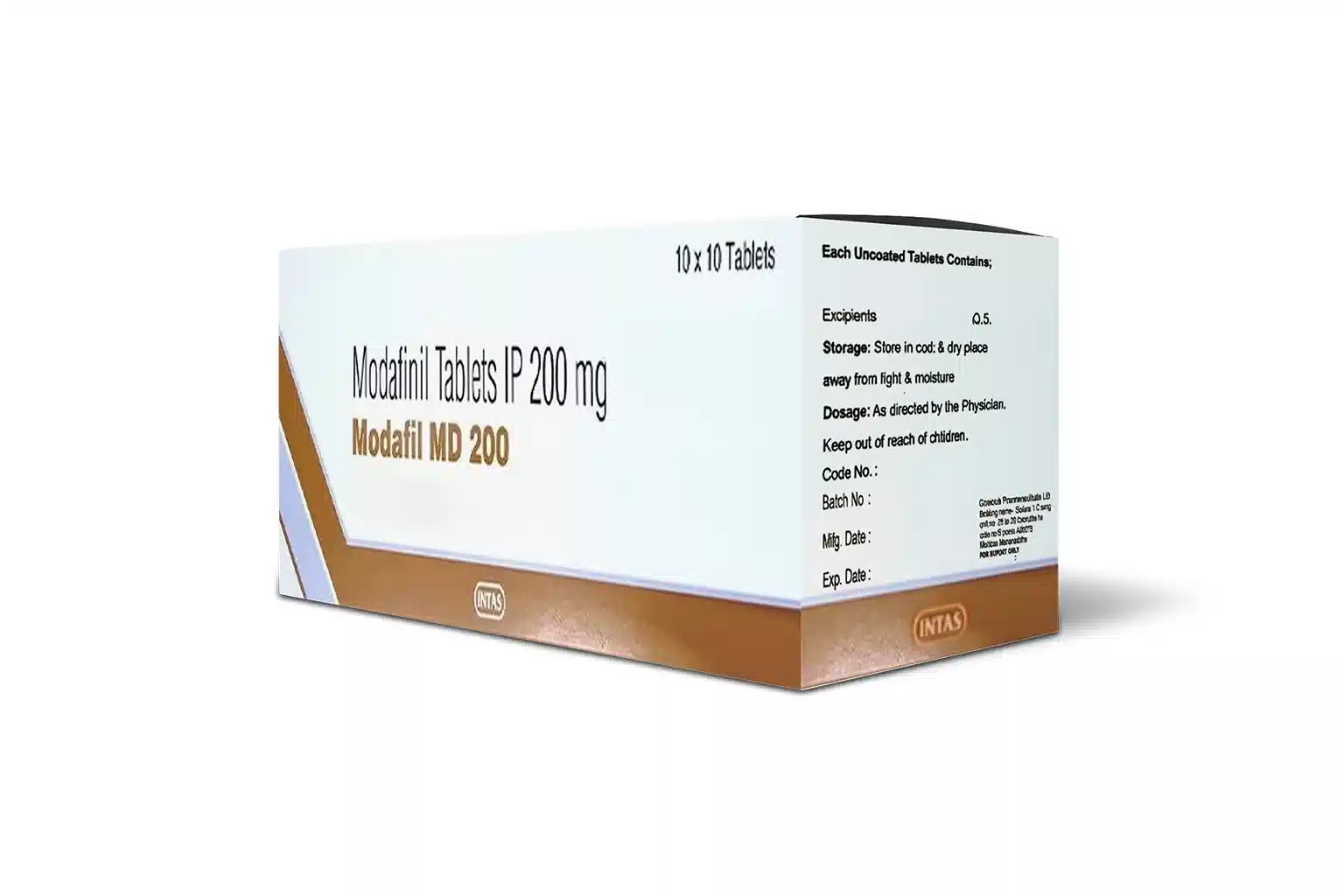
Modafil Md 200 mg (Modafinil)
Price range: $70.00 through $749.00 -
Modvigil 200 mg (Modafinil)
Price range: $69.00 through $449.00 -
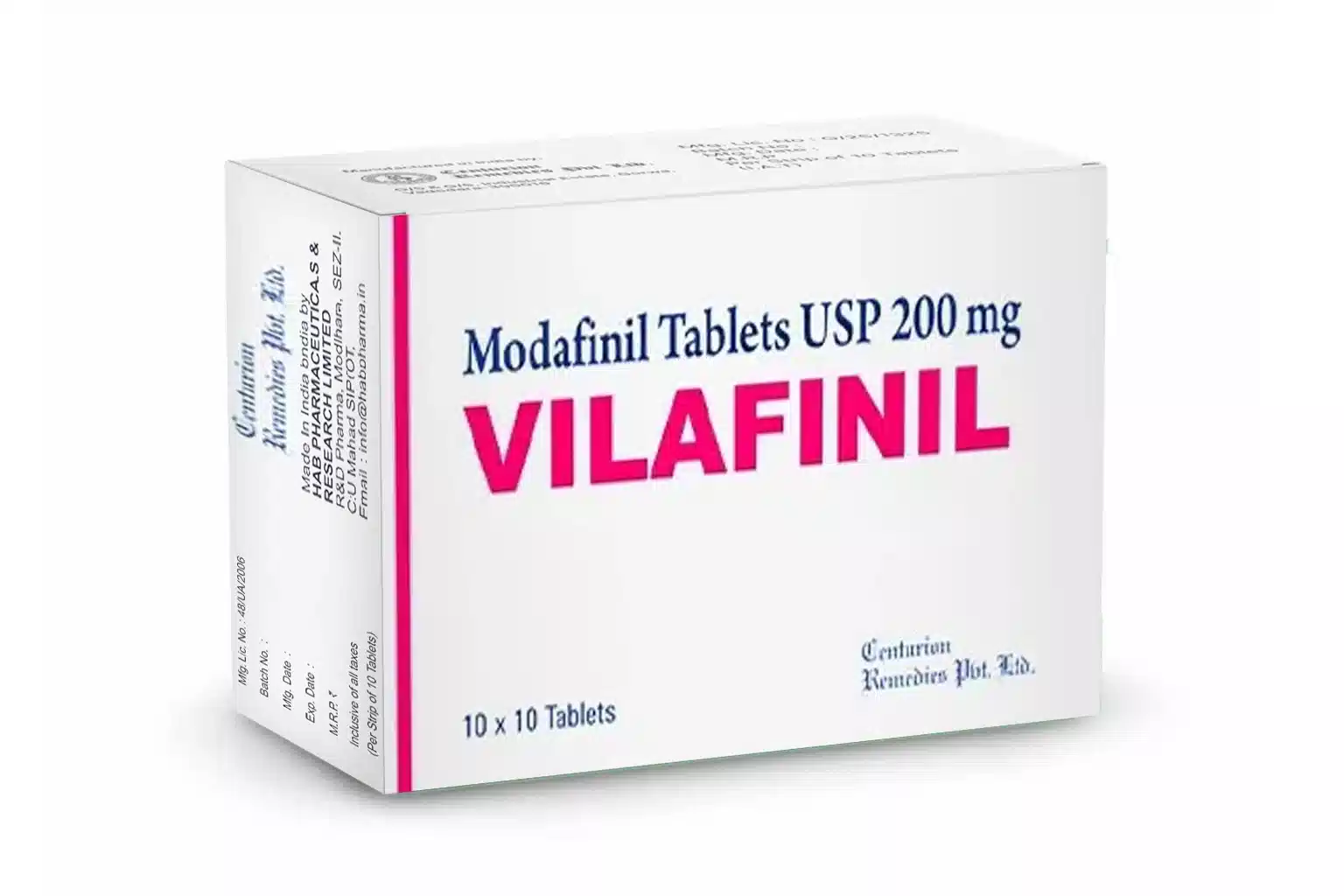
Vilafinil 200 mg (Modafinil)
Price range: $69.00 through $449.00 -
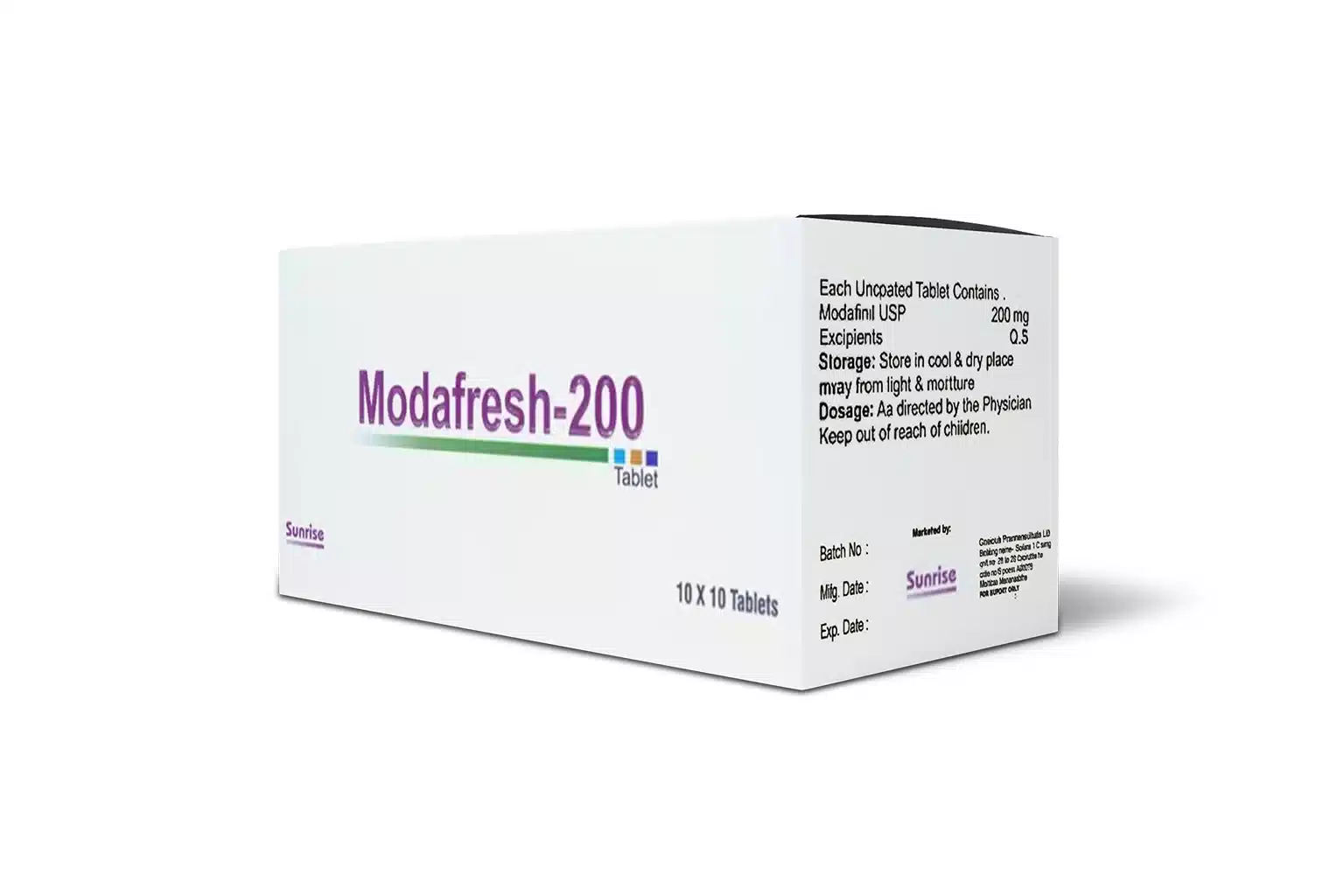
Modafresh 200 mg (Modafinil)
Price range: $69.00 through $449.00 -
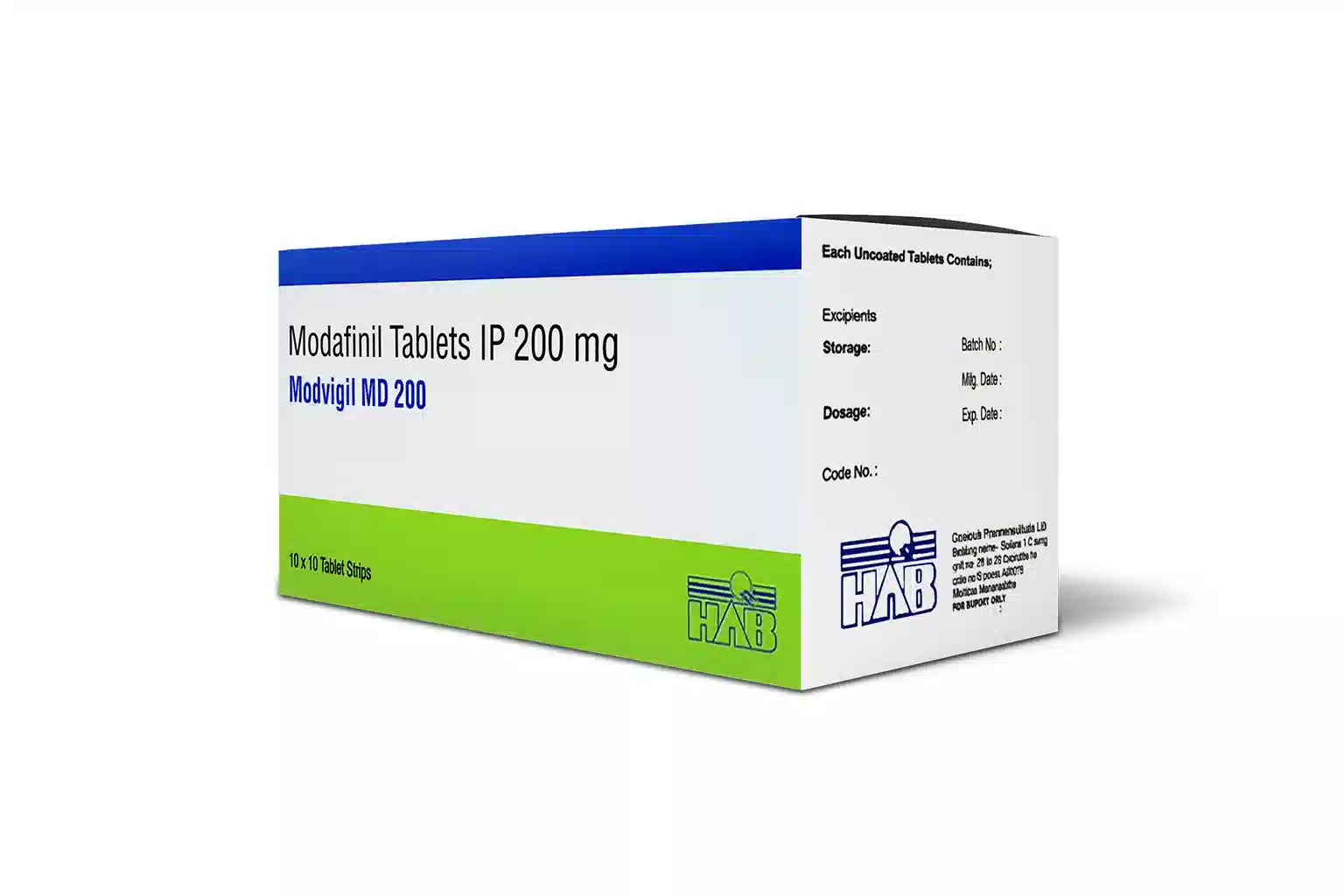
Modvigil MD 200 mg (Modafinil)
Price range: $69.00 through $395.00


Sleep is not a single state but a cycle of stages (light sleep, deep slow-wave sleep, and REM sleep) that each contribute different benefits:
- Slow-wave sleep (deep NREM) helps consolidate factual memories and strengthens the neural patterns needed for recall and stable attention. It’s like archiving yesterday’s learning into more durable storage.
- REM sleep plays a role in integrating emotional and associative memories, supporting creative insight and the flexible recombination of ideas. REM helps you generalize and see patterns across experiences.
- Sleep spindles and micro-patterns, which occur mostly in stage 2, help with motor learning and the fine-tuning of brain networks involved in attention and skill.

Together, these stages do more than “store” memories — they actively reorganize networks so that future attention, decision-making, and creative reasoning run more efficiently. Disturbing any part of that cycle reduces the brain’s ability to focus and learn.
Most adults need at least 7 hours of good-quality sleep each night; many do best with 7–9 hours. There’s individual variability; some people naturally need a bit more or less, but chronic short sleep (<7 hours) is consistently associated with worse attention, memory, and executive function in population studies. If you’re regularly waking unrefreshed, struggling to concentrate, or relying on stimulants to get through the day, your sleep quantity or quality is a likely culprit.
Practical, evidence-backed steps to sleep smarter tonight
You don’t need to overhaul your life overnight. Below are prioritized, actionable steps proven to help sleep and therefore cognitive performance.
1. Make sleep regular
Circadian consistency strengthens your internal clock and makes sleep more efficient. Going to bed and waking up at consistent times helps consolidate both deep and REM sleep, making the sleep you do get more restorative. Even on weekends, keep variability to a minimum.
2. Protect the first half of the night (deep sleep) and the second half (REM)
Deep slow-wave sleep is more abundant earlier in the night and is crucial for memory consolidation and daytime attention; REM tends to increase in the latter half. Allowing yourself a full sleep opportunity (7–9 hours) preserves both; cutting sleep short disproportionately robs you of REM or deep sleep, depending on timing.
3. Light management: Use light to your advantage
Bright light in the morning helps anchor your circadian rhythm and boosts daytime alertness. In the 1–2 hours before bed, dim lights and avoid bright screens (or use blue-light filters) to reduce melatonin suppression and make it easier to fall asleep.
4. Nap strategically
Short naps (10–30 minutes) can quickly restore alertness and focus without causing sleep inertia; longer naps (60–90 minutes) can benefit memory consolidation but may interfere with nighttime sleep for some people. For shift workers or those with sleep debt, planned naps have measurable benefits for cognitive performance.
5. Movement helps
Regular physical activity is associated with better sleep and cognitive health, but vigorous exercise too close to bedtime can delay sleep onset. Aim to finish intense workouts at least 1–2 hours before bed if you notice sleep disruption.
6. Guard your bedroom environment
Keep the bedroom cool, quiet, and dark. Sound-masking, blackout curtains, and comfortable bedding reduce night-time arousals and boost sleep continuity — and continuity is key for cognitive benefits.
7. Mind your stimulants and alcohol
Caffeine’s half-life means afternoon coffee can fragment sleep; alcohol can help you fall asleep faster, but it substantially reduces REM and deep sleep quality. If you want a sharper focus the next day, avoid late caffeine and nightcap drinking.
8. Use routines for sleep onset
A short relaxing pre-sleep routine (reading, light stretching, breathing exercises) lowers arousal and signals the brain that it’s time to switch gears. Behavioral consistency improves both sleep latency and perceived sleep quality.

Brain function tips that pair with better sleep
Improved sleep multiplies the benefits of other cognitive strategies. Combine these with solid sleep for outsized gains.
- Space learning: Study or practice in short, distributed sessions across days rather than marathon cramming; sleep between sessions consolidates learning.
- Quiet focus blocks: Use 60–90 minute deep-focus blocks when you’re naturally most alert (often mid-morning or post-nap), then rest your brain will consolidate better after sleep.
- Nutrition for steady cognition: Prioritize steady blood sugar through balanced meals; avoid heavy late-night meals that can fragment sleep. Omega-3s, leafy greens, and protein at breakfast support cognitive function, while minimizing late sugar spikes helps sleep onset. (Nutrition is supportive, not a substitute for sleep.)
- Mindfulness and stress reduction: High stress and worry fragment sleep. Brief daily mindfulness or cognitive-behavioral strategies reduce nighttime rumination and improve both sleep and daytime attention.
Naps, power-ups, and the modern workday
Want a productivity-friendly rule of thumb? A 10–20 minute nap mid-afternoon often gives an immediate boost to alertness and reaction time without grogginess. If you’re chronically sleep-deprived, longer naps (60–90 minutes) can help memory and complex task performance, but they may reduce sleep drive and make nighttime sleep harder, so use them carefully. Workplaces that allow short nap breaks or quiet rooms see measurable improvements in shift workers and on-call staff.
When sleep is not the problem
If you’re doing the basics (regular schedule, good environment, limited caffeine/alcohol) and still waking unrefreshed, or you experience loud snoring, gasping, fragmented sleep, extreme daytime sleepiness, or cognitive decline, see a clinician. Common treatable causes of poor cognitive performance include sleep apnea, restless legs, depression, and medication side effects. A sleep specialist can run a sleep study or recommend targeted treatments that restore sleep architecture and cognitive function.
Common myths about sleep and mental performance
- Myth: “I can make up for sleep on weekends.” Partial recovery is possible, but chronic weekday short sleep with weekend “catch-up” doesn’t fully restore attention and metabolic balance. Consistency is better.
- Myth: “More sleep is always better.” Oversleeping (>9–10 hours) can be associated with poor health in some populations; aim for the right amount for you (usually 7–9 hours).
- Myth: “Naps ruin nighttime sleep.” Short naps are restorative for focus and don’t usually harm night sleep; long or late naps can interfere for some people.
A simple 7-day plan to boost sleep & focus
- Night 1: Set a fixed bedtime and wake time; remove screens 60 minutes before bed.
- Night 2: Add a 20-minute morning light exposure (bright window walk).
- Night 3: Introduce a 15-minute bedtime wind-down (no work).
- Night 4: Try a 15–20 minute afternoon nap if groggy (not after 4 pm).
- Night 5: Move any vigorous exercise earlier in the day.
- Night 6: Check bedroom temp and blackout options; reduce night noise.
- Night 7: Review, are you waking more refreshed? If not, track sleep and daytime symptoms and consider medical review.
Follow this cycle for 2–4 weeks. Many people see meaningful improvements in focus and memory when sleep stabilizes.
Final takeaway
If you want sustainable improvement in attention, learning, memory, and creativity, treat sleep like training and recovery for the brain. The gains from prioritizing consistent, quality sleep far outstrip most short-term cognitive “hacks.” Start with the basics tonight: regular schedule, light management, a short wind-down routine, and strategic naps when needed. Your brain will do the rest, consolidating learning, sharpening focus, and tuning the mental machinery you depend on every day.
FAQs
Q1: How soon will better sleep improve my focus?
Many people notice sharper attention within a few nights of improved sleep habits; measurable gains in tasks requiring sustained attention often appear after consistent sleep for 1–2 weeks. Longer-term benefits (memory consolidation, mood stabilization) strengthen over months.
Q2: Is it better to take a short nap or rely on caffeine?
Short naps (10–20 minutes) restore alertness without the jitteriness or rebound crash of caffeine. Caffeine is useful strategically (e.g., morning or before meetings), but it can fragment sleep and reduce long-term focus if overused.
Q3: Can I “hack” sleep with supplements?
Some supplements (melatonin, magnesium) can help with sleep onset in certain people, but they’re not a substitute for sleep hygiene. Use supplements cautiously and talk to a clinician if you have persistent issues.
Q4: Will improving sleep help my creativity?
Yes, REM and the interplay of sleep stages support associative thinking and insight. Better sleep often correlates with improved creative problem-solving.
Q5: I sleep 7 hours, but still feel foggy.
Sleep duration is only part of the story. Fragmented sleep, sleep disorders (apnea, periodic limb movements), mood problems, medication effects, and medical conditions can all reduce restorative sleep. If you consistently wake unrefreshed, seek medical evaluation.
References
- Centers for Disease Control and Prevention About Sleep (recommended sleep durations and public-health data). CDC
- National Institute for Occupational Safety and Health / CDC — How Much Sleep Do You Need? (work-hour recommendations). CDC
- Walker, M. P. — The Role of Slow Wave Sleep in Memory Processing. PMC (review on deep sleep and memory consolidation). PMC
- Khan, M. A. et al. — The consequences of sleep deprivation on cognitive performance (2023 review). PMC. PMC
- Harvard Health Publishing — Sleep and brain health: What’s the connection? (overview of sleep stages, memory, and brain health). Harvard Health
- Leong, R. L. F. et al. — Napping and cognitive performance: systematic review and meta-analysis. (napping benefits). ScienceDirect