How to Improve Memory and Recall in Everyday Life

Instead, the most reliable gains come from stacking everyday habits that protect brain function, plus selective tools when appropriate. This guide gives practical tactics (sleep, exercise, diet, learning techniques, stress management) and explains pharmacological aids plus safety notes. 
-

Modavinil 200 mg (Modafinil)
Price range: $69.00 through $449.00 -

Modafil MD 200 mg (Modafinil)
Price range: $70.00 through $749.00 -

Modvigil 200 mg (Modafinil)
Price range: $69.00 through $449.00 -

Vilafinil 200 mg (Modafinil)
Price range: $69.00 through $449.00 -
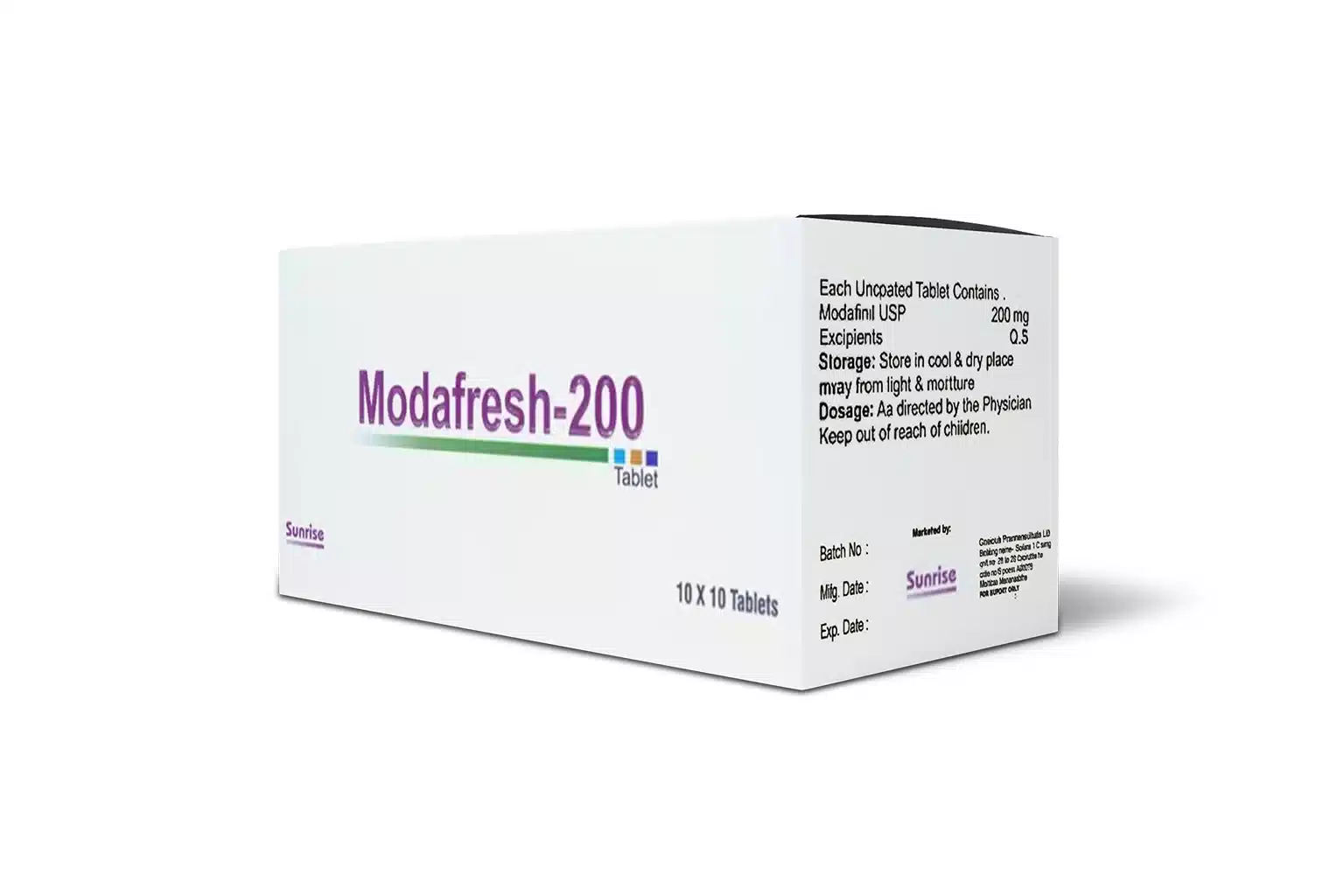
Modafresh 200 mg (Modafinil)
Price range: $69.00 through $449.00 -
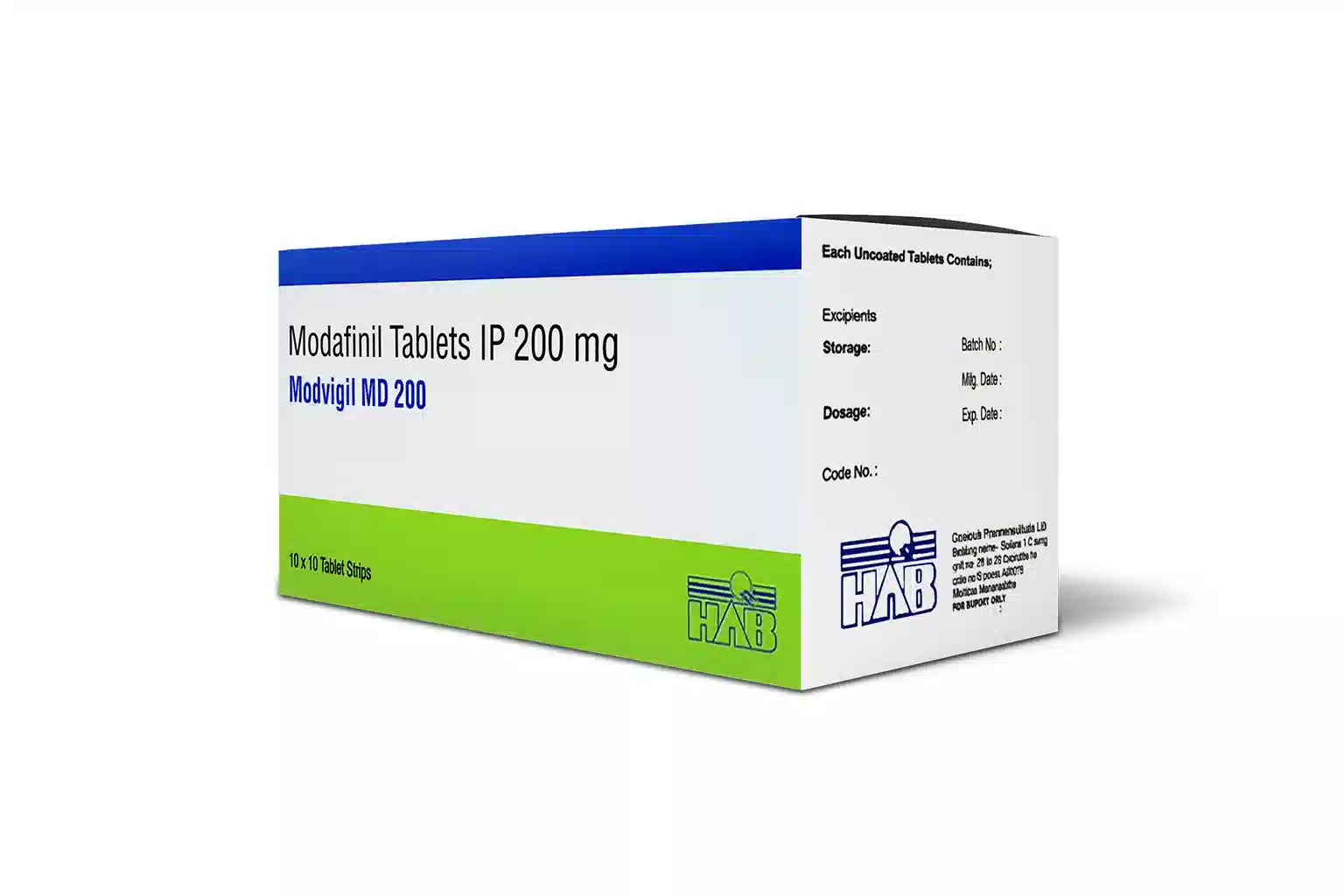
Modvigil MD 200 mg (Modafinil)
Price range: $69.00 through $395.00
Knowing where to start is helpful, but how you study, rehearse, and retrieve information matters a lot. Two of the most powerful, well-researched techniques are spaced repetition and retrieval practice.
- Retrieval practice (testing yourself) beats passive review. Actively trying to recall information (self-testing) strengthens memory more than re-reading notes. The act of retrieval modifies the memory trace and makes it easier to recall later. Make quizzes, flashcards, or explain concepts out loud to a friend.
- Spaced repetition: review with increasing intervals. Instead of cramming, review material multiple times spaced across days or weeks. Spacing reduces forgetting and makes recall more durable. Tools like spaced-repetition apps (Anki, Quizlet’s spaced mode) automate the schedule, but you can apply the principle with a simple calendar.
- Interleaving & elaboration. Mix related topics instead of studying one topic until mastery (interleaving) and explain ideas in your own words (elaboration) to create stronger and more flexible memories.

3) Manage attention and reduce distractions
Memory begins with attention. If you never fully encode information because your attention is split, recall will suffer.
- Use single-task blocks (25–50 minute focused sessions) followed by short breaks (the Pomodoro method).
- Turn off nonessential notifications when you need to remember details or learn new things.
- Use external memory supports for low-value items: calendars, alarms, lists, and labeled containers free up mental bandwidth for higher-value memory tasks.
Better attention during encoding equals better recall later.
4) Reduce stress and support emotional health
Chronic stress floods the brain with cortisol and can harm memory circuits, particularly the hippocampus (critical for forming new memories). Mindfulness meditation, brief breathing practices, counseling when needed, and realistic workloads protect memory by regulating stress hormones and improving sleep. Even short daily practices (10 minutes of mindfulness, or a few deep-breath sets at tense moments) produce measurable benefits for attention and memory over time.
5) Practical, small-win habits for everyday recall
- Use multisensory encoding: say names out loud and picture faces, or write a grocery list while imagining the items. Multiple cues give your brain more retrieval routes.
- Create meaningful associations: link a new fact to something you already know (a mnemonic or story).
- Chunk information: phone numbers, instructions, or tasks broken into chunks are easier to recall.
- Sleep after studying: a nap or good night’s sleep after learning helps consolidate what you just encoded.
6) Supplements and pharmaceuticals
A huge market promises cognitive enhancement, but evidence varies.
- Supplements: Some supplements (omega-3s, B vitamins in deficiency, vitamin D if deficient) may support brain health; evidence for widespread strong memory boosts in healthy people is limited. Always check interactions and discuss with your doctor before starting supplements.
- Pharmaceutical cognitive enhancers (Modafinil): Modafinil is a wakefulness-promoting agent approved for narcolepsy, shift-work sleep disorder, and obstructive sleep apnea–related sleepiness. Research shows modafinil can improve attention, wakefulness, and in some studies certain aspects of working or episodic memory — particularly in sleep-deprived individuals or some clinical populations. Effects in healthy, well-rested people are smaller and inconsistent. Modafinil has side effects (headache, nausea, anxiety, rare serious skin reactions) and interacts with other drugs; it should only be used under medical supervision and where legally prescribed. It is not a substitute for sleep or lifestyle-based cognitive enhancement.
If you’re curious about Modafinil or its variants like (Modalert 200 mg) specifically: some studies point to modest improvements in attention and certain memory tasks, but results are mixed and context matters (sleep deprivation, mood disorders, baseline cognitive state). Talk to a physician before considering prescription cognitive enhancers.
7) When to see a professional
If memory problems interfere with daily life (frequent confusion, getting lost in familiar places, losing the thread of conversations), seek medical evaluation. Some treatable conditions (sleep apnea, thyroid problems, depression, medication side effects, vitamin deficiencies) cause memory impairment. Early evaluation is the right move.
Quick 7-day memory improvement plan.
Day 1: Prioritize sleep—set a fixed bedtime and wake time.
Day 2: Add a 20–30 minute walk.
Day 3: Start daily 10-minute focused learning + retrieval practice (quiz yourself).
Day 4: Replace one sugary snack with fruit or nuts.
Day 5: Try a 10-minute mindfulness exercise after lunch.
Day 6: Use spaced repetition for one thing you need to remember (a new name, a task list).
Day 7: Review—note what improved and continue the cycle.
Small, consistent wins compound into better memory and recall.
FAQs
Q: Can I improve my memory at any age?
A: Yes. While some age-related changes are normal, lifestyle changes (exercise, sleep, mental activity) and training strategies (retrieval, spacing) improve memory at most ages. For older adults, aerobic exercise shows particular benefits for episodic memory.
Q: Will Modalert 200 mg make me remember more?
A: Modalert (modafinil) can improve wakefulness and attention and has shown memory benefits in certain contexts (e.g., sleep deprivation, clinical populations). In healthy, well-rested people the memory boost is less consistent. It’s a prescription drug with side effects and should only be used under a clinician’s guidance.
Q: What’s better: coffee or Modalert for memory?
A: Caffeine temporarily improves alertness and can help short-term attention, which aids encoding. Modafinil has a stronger, longer wake-promoting effect but is a prescription medication. Both are not replacements for sleep and healthy lifestyle habits. Discuss medical risks before using pharmaceuticals
Q: Are brain games useful?
A: Some cognitive training improves performance on trained tasks; transfer to broad real-world memory is mixed. Combining brain training with the lifestyle and learning techniques described above gives the best outcome.
Bottom line
To improve memory and memory recall in everyday life, focus first on the high-impact basics: sleep, exercise, and nutrition. Add evidence-based learning techniques (retrieval practice + spaced repetition), reduce distractions, and manage stress.
like (modafinil) have specific, limited roles and are not a shortcut past the fundamentals — they should only be used if prescribed and monitored by a physician. Consistency with simple daily habits produces the most reliable, long-lasting gains in brain function and recall.