Understanding Excessive Daytime Sleepiness: Causes, Symptoms & Solutions
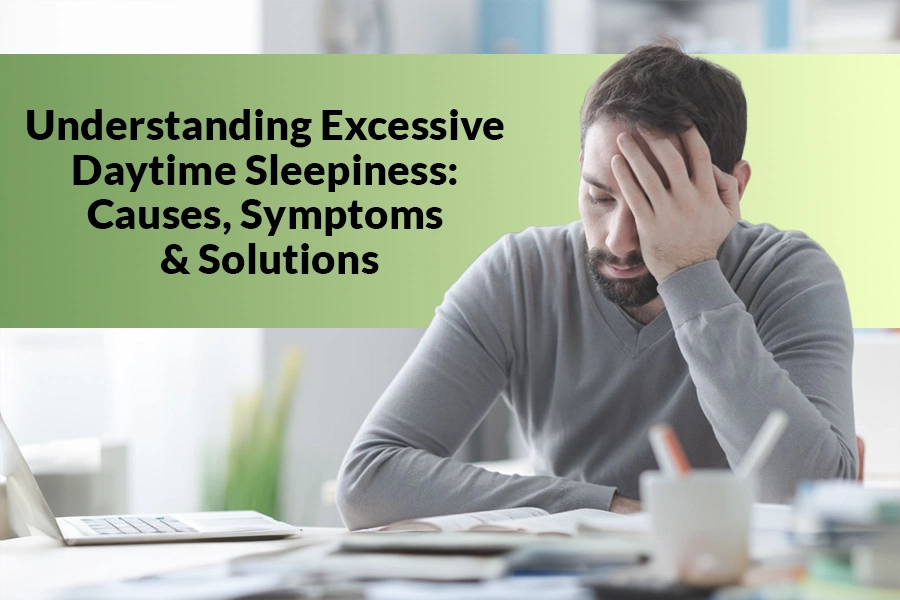
Excessive daytime sleepiness is more than the occasional yawn: it’s a persistent tendency to fall asleep or an overwhelming urge to nap during the day, even when a person thinks they’ve had adequate nighttime sleep. EDS reduces attention, increases accident risk (especially while driving), and lowers quality of life. Estimates of how many people are affected vary by definition and population, but community studies commonly report prevalence in the low-to-mid teens percent, and up to nearly 30% in some groups.

-

Modavinil 200mg (Modafinil)
Price range: $69.00 through $395.00 -
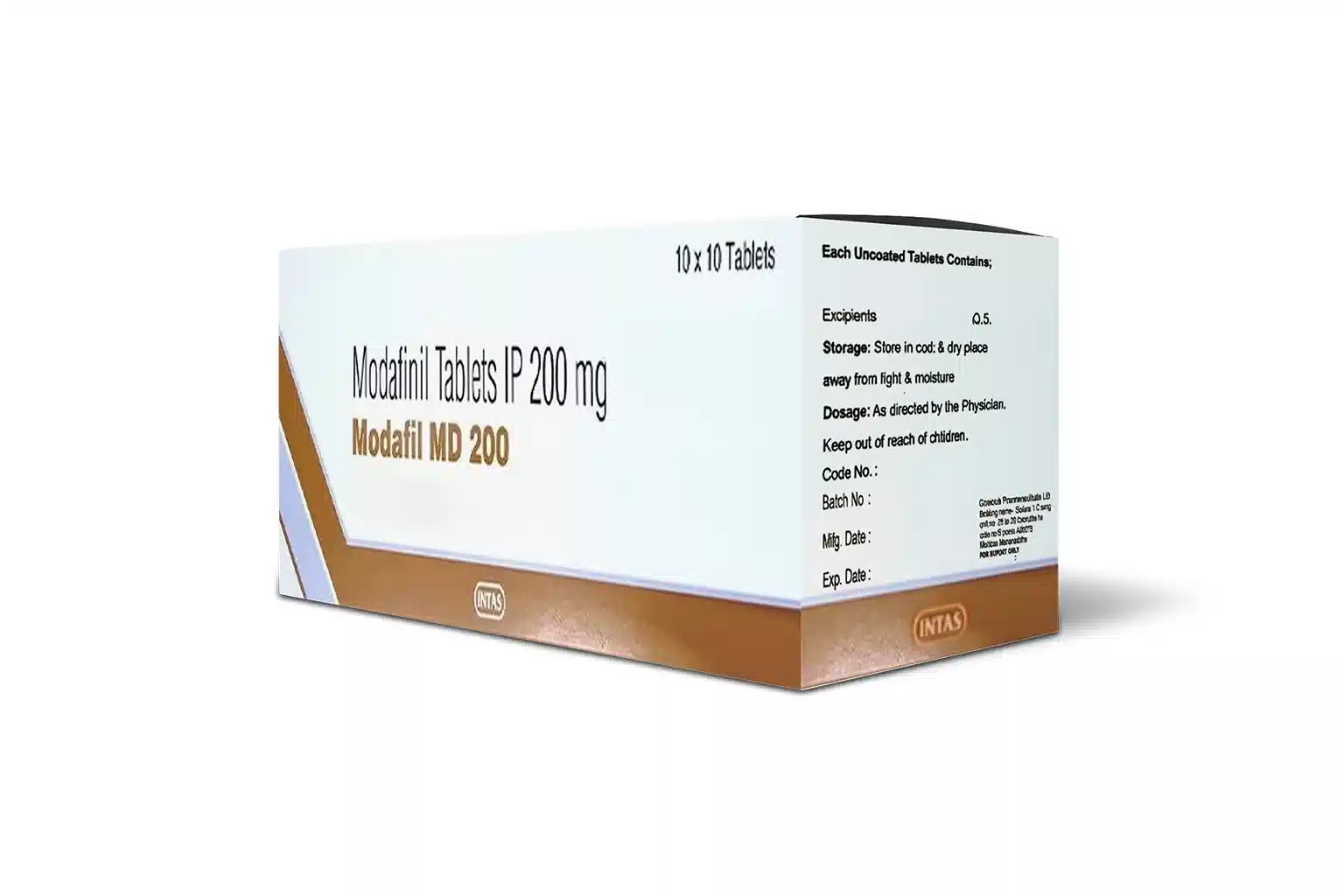
Modafil Md 200 mg (Modafinil)
Price range: $69.00 through $345.00 -
Modvigil 200mg (Modafinil)
Price range: $65.00 through $395.00 -
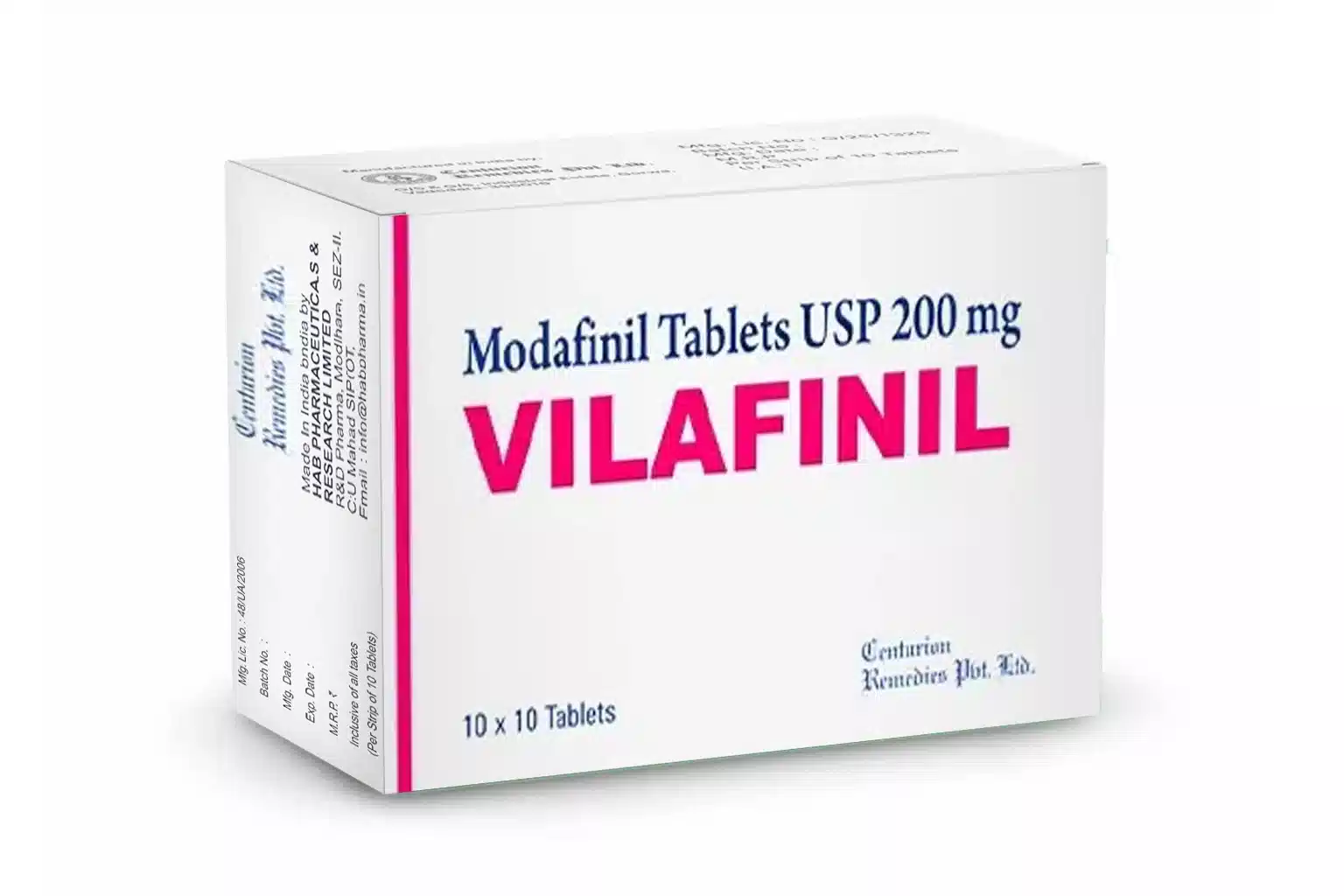
Vilafinil 200 mg (Modafinil)
Price range: $69.00 through $395.00 -
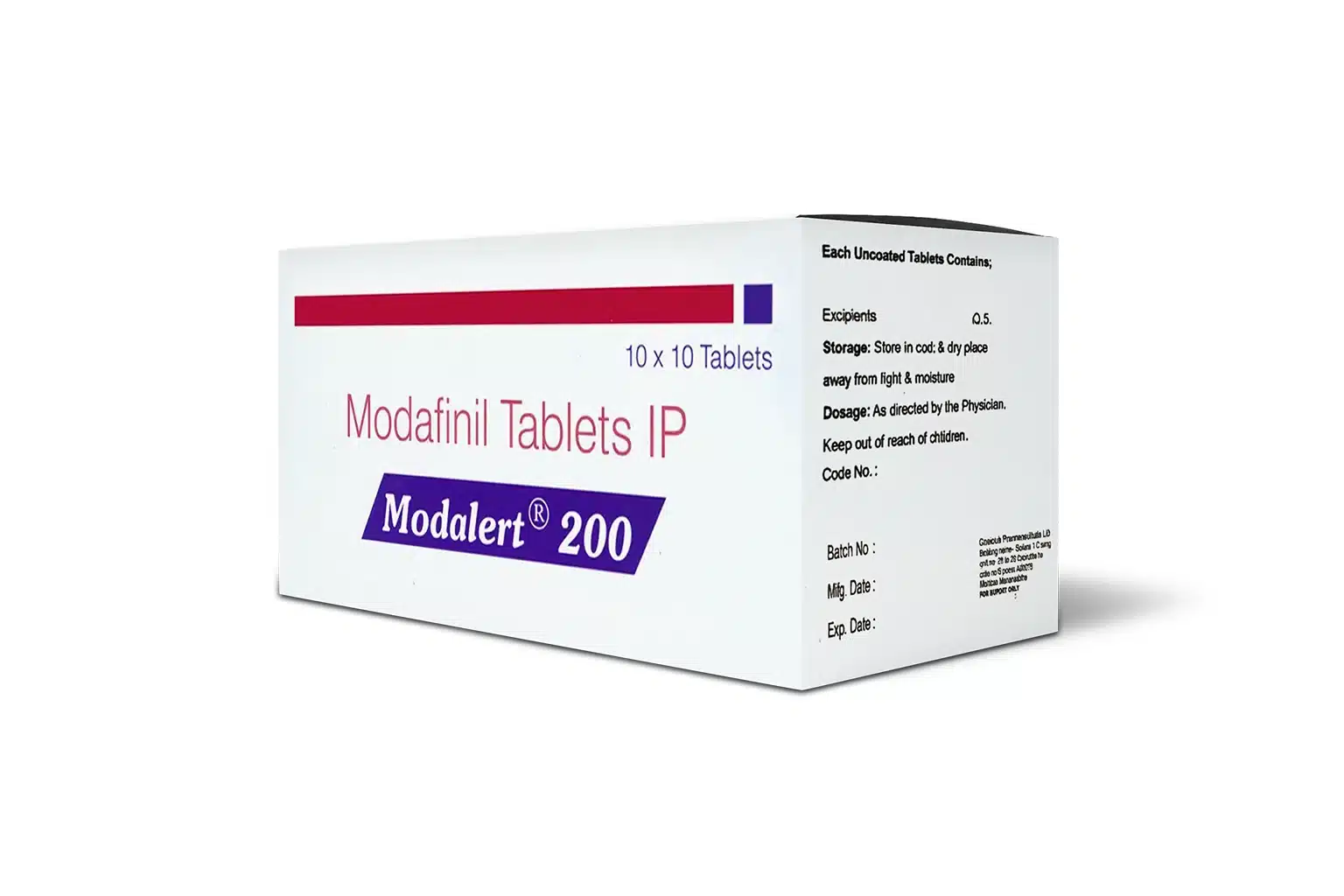
Modalert 200 mg (Modafinil)
Price range: $69.00 through $449.00 -
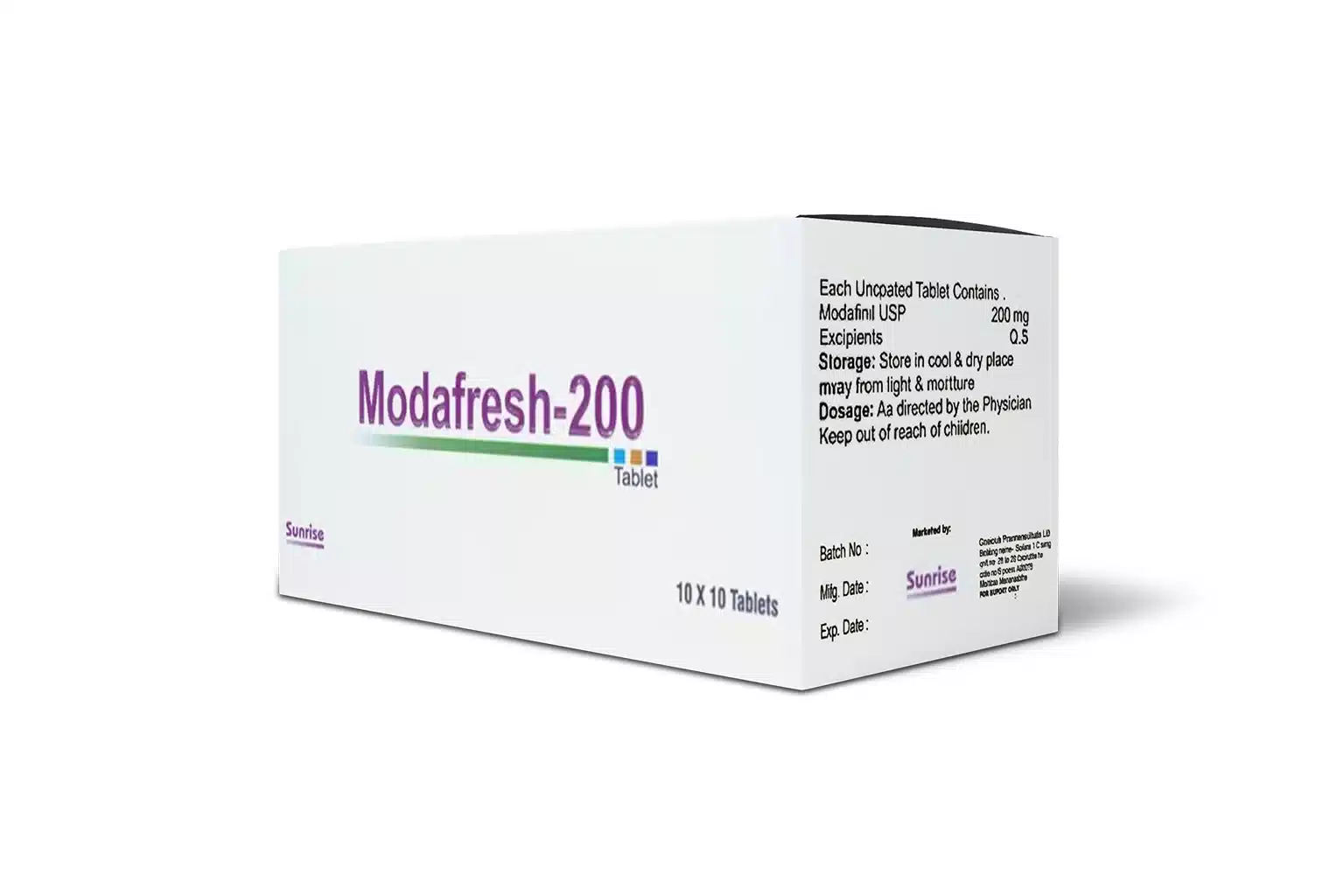
Modafresh 200 mg (Modafinil)
Price range: $65.00 through $329.00


Common causes
Below are the main daytime fatigue causes and contributors to excessive sleepiness. Often, more than one factor is at play.
- Insufficient sleep or poor sleep hygiene. Chronic short sleep (regularly getting less than 7 hours for adults) or irregular schedules (shift work, frequent jet lag) is the single most common driver.
- Sleep-disordered breathing (obstructive sleep apnea — OSA). Interrupted breathing and micro-awakenings fragment sleep, leaving people sleepy despite long time in bed. OSA is a leading treatable cause.
- Primary hypersomnias. Narcolepsy and idiopathic hypersomnia cause pathological sleepiness that doesn’t improve with normal sleep and include features such as sudden sleep attacks (narcolepsy) or prolonged non-refreshing sleep (idiopathic hypersomnia).
- Circadian rhythm disorders. When your internal clock is shifted (shift work disorder, delayed sleep phase), sleep happens at the wrong time, and daytime sleepiness follows.
- Medications and substances. Many antihistamines, some antidepressants, antipsychotics, opioid pain medications,s and alcohol cause daytime drowsiness.
- Physical and psychiatric illnesses. Depression, hypothyroidism, chronic liver or kidney disease, neurologic disorders (Parkinson’s, epilepsy), and persistent pain can all increase sleepiness.
- Lifestyle factors. Sedentary behavior, poor nutrition, and irregular meal timing can worsen glucose/energy swings and feelings of sleepiness.
- Post-prandial sleepiness. Large carbohydrate-heavy meals can cause temporary drowsiness after eating, not EDS per se, but relevant to daily function.
Because these causes overlap, a careful history (sleep schedule, medication list, mood, caffeine/alcohol use) is the first step.

Sleepiness vs. fatigue: what’s the difference?
This is a very common clinical confusion. Sleepiness means you want to sleep, you have the urge to nap, and will likely fall asleep if given the chance. Fatigue means you are exhausted or lack energy, without necessarily the urge to sleep. The two often coexist, but treating one (for example, telling someone with fatigue to “sleep more”) won’t help if the underlying issue is a medical disorder like depression or chronic fatigue syndrome. Clinicians use this distinction when deciding tests and treatments.
How clinicians evaluate EDS
If daytime sleepiness is frequent or impairing, doctors typically:
- Take a detailed sleep history (bed/wake times, naps, snoring, witnessed apneas, timing of sleepiness).
- Use screening tools like the Epworth Sleepiness Scale (ESS) to quantify sleepiness severity (scores ≥10 often prompt further workup).
- Review medications and medical/psychiatric history.
- Order targeted studies when indicated:
- Polysomnography (sleep study) — to diagnose OSA and other nocturnal problems.
- Multiple Sleep Latency Test (MSLT), frequently used to confirm narcolepsy or measure physiologic sleep tendency.
- Consider lab tests (thyroid function, CBC, metabolic panel) or specialty referrals.
Treatment approach
Because EDS has many origins, there’s no single fix. Treatment is usually a stepwise mix of behavioral, device-based and medication options.
1. Sleep hygiene and behavioral fixes
Start with the low-hanging fruit: consistent sleep schedule, dark/quiet bedroom, limiting caffeine late in the day, reducing evening alcohol, and stopping screens before bed. For shift workers, strategic naps and light exposure can help realign circadian rhythms.
2. Treat identifiable sleep disorders
- Obstructive sleep apnea: CPAP (continuous positive airway pressure) is the standard of care and often dramatically reduces EDS when used consistently, because it prevents nocturnal breathing interruptions.
- Insomnia: Cognitive-behavioral therapy for insomnia (CBT-I) is first-line and can reduce daytime impairment from poor sleep.
- Narcolepsy/idiopathic hypersomnia: Specific therapies and specialist management are usually required.
3. Wakefulness-promoting agents (medications)
When behavioral and disorder-specific treatments aren’t enough, doctors may use stimulant or wakefulness promoting medications. Two commonly discussed agents are modafinil and armodafinil:
- Modafinil (Provigil) is approved to improve wakefulness in adults with excessive sleepiness associated with narcolepsy, obstructive sleep apnea (as adjunct to primary therapy), and shift work disorder. It’s generally well tolerated, with lower abuse potential than classic amphetamines.
- Armodafinil (Nuvigil) is the R-enantiomer form of modafinil and is similarly indicated for improving wakefulness in narcolepsy, OSA (adjunct), and shift work disorder. Prescribing information emphasizes treating the underlying condition (e.g., CPAP for OSA) while using armodafinil to treat residual sleepiness.
Important: these medications are for improving wakefulness, not curing the underlying sleep disorder. They’re prescribed after a careful evaluation and when benefits outweigh potential side effects (headache, nausea, insomnia, rare serious skin reactions) and contraindications. Also, they are controlled or monitored in many countries.
4. Other pharmacologic options
Traditional stimulants (methylphenidate, amphetamines), sodium oxybate (for some narcolepsy cases), or solriamfetol (a newer wakefulness drug) may be used depending on diagnosis and response. Specialist input is often needed.
Lifestyle and self-help strategies that actually work
- Short strategic naps (10–30 minutes) can restore alertness without leaving you groggy, if timed correctly.
- Bright light exposure in the morning (or during night-shift wake periods) helps reset circadian rhythms.
- Split sleep schedules and planned naps work for many shift workers.
- Move regularly: short bursts of activity help clear sleep inertia more reliably than caffeine for some people.
- Watch medications: review with a clinician to change or adjust medications that cause drowsiness.
Chronic fatigue vs sleepiness
If you’re trying to decide whether you or someone you care about has chronic fatigue (often multi-system, with post-exertional malaise — think ME/CFS) versus predominant sleepiness: ask whether naps relieve the problem. If naps restore alertness, sleepiness/hypersomnia is more likely; if naps don’t help and exertion worsens symptoms, chronic fatigue may be the dominant issue. This distinction guides the tests and treatments clinicians choose.
When to see a doctor
Seek medical help if you have:
- Persistent daytime sleepiness that affects work or safety (falling asleep while driving).
- Loud habitual snoring with witnessed apneas (possible OSA).
- Sleep attacks with loss of muscle tone (possible narcolepsy/cataplexy).
- New or rapidly worsening sleepiness accompanied by weight loss, severe headaches, or focal neurological signs.
- Early evaluation prevents accidents and helps treat reversible conditions like OSA.
Practical next steps you can take today
- Keep a simple sleep diary (bed/wake times, naps, caffeine, alcohol, medication).
- Complete an Epworth Sleepiness Scale (many clinics or trustworthy hospital sites host the questionnaire).
- Review medications with a clinician or pharmacist for sedating side effects.
- If you snore loudly or have witnessed apneas, ask about a sleep study.
- For shift workers, try scheduled naps and strategic light exposure.
FAQs
Q1: How is excessive daytime sleepiness measured?
A: The Epworth Sleepiness Scale (ESS) is a quick self-report tool used in clinics; objective tests like the Multiple Sleep Latency Test (MSLT) measure physiological sleep tendency. Scores and tests guide next steps.
Q2: Are modafinil and armodafinil safe long-term?
A: Both are generally well tolerated, with a relatively low abuse profile compared to classic stimulants. Long-term safety should be regularly reviewed by a clinician; they’re prescribed only after evaluation and alongside treatment of the root cause. Rare but serious adverse reactions (e.g., severe skin reactions) can occur.
Q3: Will CPAP cure sleepiness from OSA?
A: For many people, consistent use of CPAP significantly reduces EDS, but some patients have residual sleepiness and may need adjunctive wakefulness medications. Treating the airway problem is the first priority.
Q4: Can lifestyle changes alone fix EDS?
A: If EDS is caused by insufficient sleep or poor sleep habits, lifestyle changes often help. But if EDS is due to a diagnosable disorder (narcolepsy, OSA, idiopathic hypersomnia), behavioral fixes alone are usually insufficient.
Q5: How urgent is an evaluation?
A: If sleepiness is causing safety issues (e.g., nodding off while driving), get evaluated quickly. Otherwise, make an appointment if it’s frequent, worsening, or affecting daily life.
References
- Gandhi KD, “Excessive Daytime Sleepiness: A Clinical Review.” Mayo Clinic Proceedings (2021). PubMed