How Stress Impacts Sleep Quality and Cognitive Function
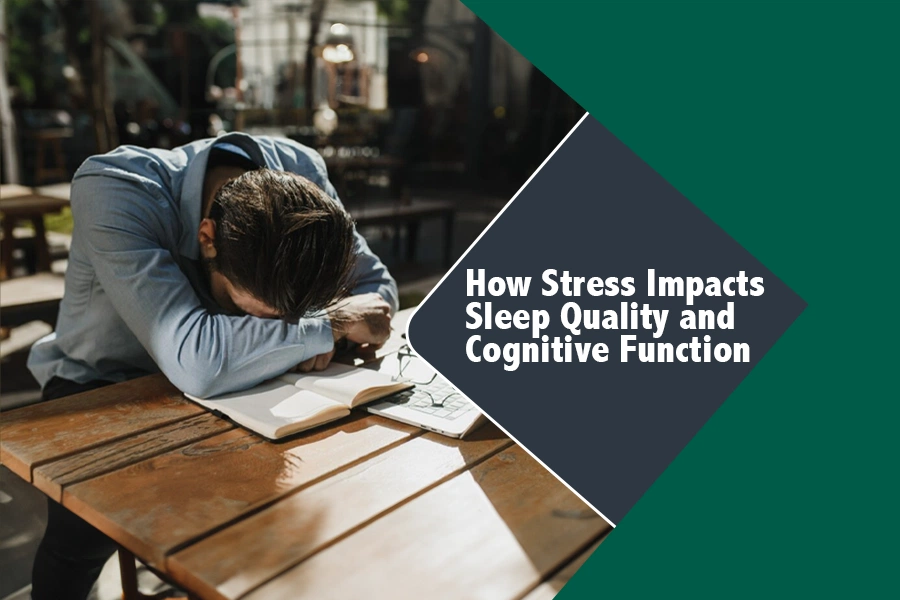
The relationship between stress and sleep is bidirectional and self-reinforcing. When we experience stress, our bodies activate the hypothalamic-pituitary-adrenal (HPA) axis, releasing cortisol and adrenaline—hormones designed to keep us alert and ready to respond to threats. While this system served our ancestors well when facing immediate physical dangers, it becomes problematic when activated continuously by modern stressors like work deadlines, financial concerns, or relationship conflicts.
Elevated cortisol levels, particularly in the evening when they should naturally decline, interfere with the body’s ability to transition into sleep. The arousal caused by stress hormones keeps the mind racing and the body tense, making it difficult to relax sufficiently for sleep onset. Many people find themselves lying awake, replaying stressful situations or worrying about tomorrow’s challenges—a classic symptom of stress-related insomnia.
But the connection doesn’t end there. Poor sleep, in turn, makes us more vulnerable to stress. When sleep-deprived, our emotional regulation suffers, minor irritations feel overwhelming, and our capacity to cope with challenges diminishes. This creates a vicious cycle: stress disrupts sleep, poor sleep increases stress reactivity, which further disrupts sleep, and so on.
-

Modavinil 200mg (Modafinil)
Price range: $69.00 through $395.00 -
Modafil Md 200 mg (Modafinil)
Price range: $69.00 through $345.00 -
Modvigil 200mg (Modafinil)
Price range: $65.00 through $395.00 -
Vilafinil 200 mg (Modafinil)
Price range: $69.00 through $395.00 -
Modalert 200 mg (Modafinil)
Price range: $69.00 through $449.00 -
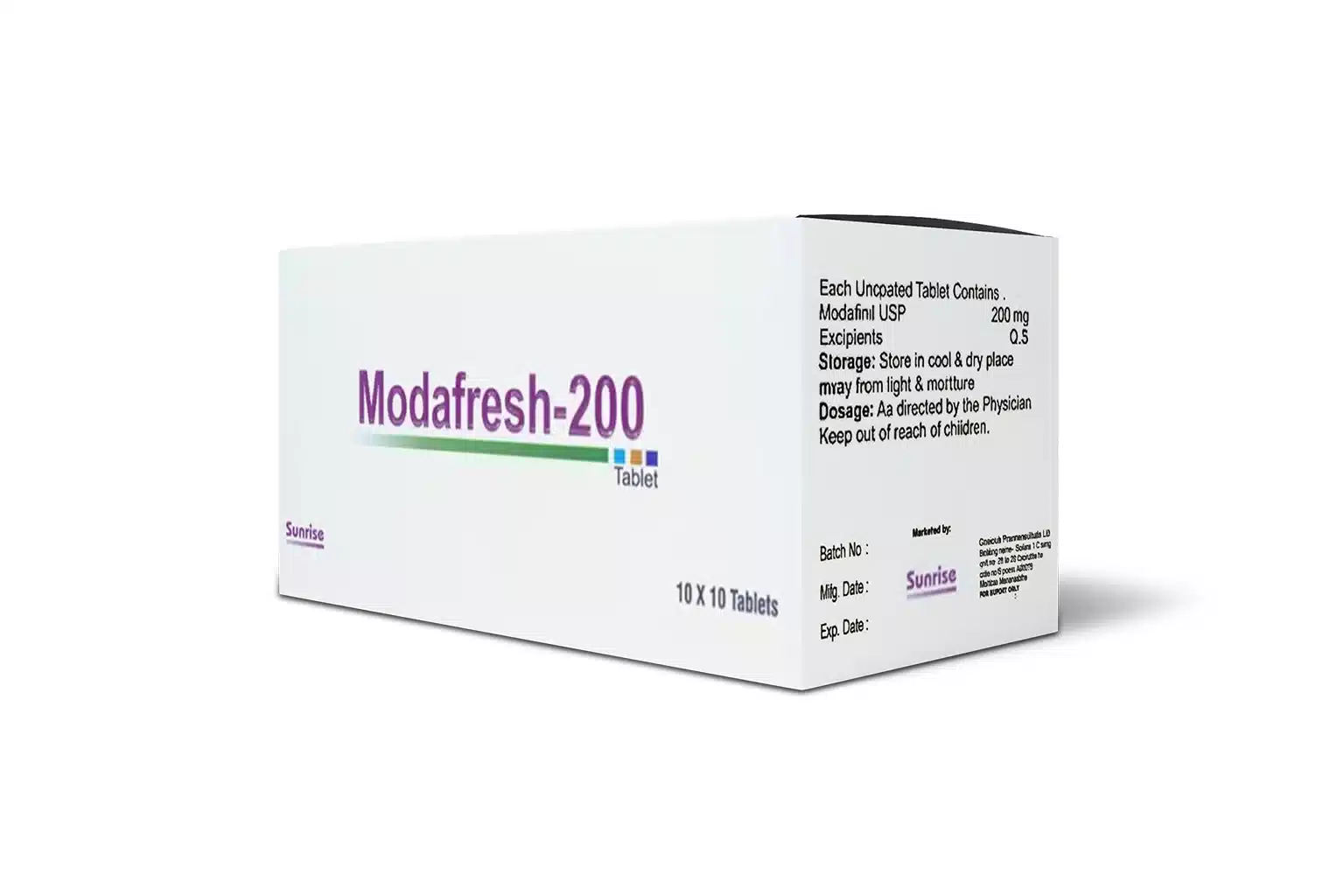
Modafresh 200 mg (Modafinil)
Price range: $65.00 through $329.00





Stress-related insomnia manifests in several distinct patterns, each reflecting different aspects of how stress disrupts sleep architecture. Some individuals experience difficulty falling asleep, lying awake for hours as their minds refuse to quiet. Others fall asleep relatively easily but wake frequently throughout the night, their sleep fragmented and unrefreshing. Still others wake far too early, unable to return to sleep despite exhaustion.
What makes stress-related insomnia particularly challenging is that worry about sleep itself becomes an additional stressor. People begin to dread bedtime, associating it with frustration and sleeplessness rather than rest and restoration. This conditioned anxiety around sleep can persist even after the original stressor has resolved, requiring specific interventions to break the pattern.
The physiological mechanisms are complex. Stress activates the sympathetic nervous system—our “fight or flight” response—which directly opposes the parasympathetic activation needed for sleep. Heart rate remains elevated, muscles stay tense, and the brain remains in a state of hypervigilance. Even when sleep does occur, stress can reduce time spent in deep, restorative slow-wave sleep and REM sleep, the stages most crucial for physical recovery and cognitive processing.
Cognitive Performance Under Stress: The Immediate Effects
The impact of stress on cognitive function is both immediate and profound. Understanding cognitive performance under stress helps explain why we struggle to think clearly during high-pressure situations.
Acute stress initially can enhance certain cognitive functions—the so-called “stress can be motivating” phenomenon. In moderate amounts, stress hormones sharpen attention and increase alertness, potentially improving performance on simple tasks. However, this benefit is short-lived and narrow. As stress intensifies or becomes chronic, cognitive performance deteriorates across multiple domains.
Working memory, our mental workspace for holding and manipulating information, is particularly vulnerable to stress. Under pressure, people find it harder to remember instructions, keep track of multiple pieces of information, or perform mental calculations. This explains why blank minds during exams or important presentations are so common—stress literally impairs our ability to access and use information we know we possess.
Decision-making also suffers significantly. Stressed individuals tend to make more impulsive choices, struggle to weigh options carefully, and show a bias toward habitual responses rather than flexible, adaptive thinking. The prefrontal cortex—the brain region responsible for executive functions like planning, reasoning, and impulse control—is particularly sensitive to stress hormones. As cortisol levels rise, prefrontal function diminishes, while more primitive, emotion-driven brain regions gain influence over behavior.
Attention and concentration become scattered under stress. People report difficulty focusing on tasks, increased distractibility, and a tendency toward mental “fog.” This isn’t laziness or lack of effort; it’s a neurobiological response to sustained arousal that makes sustained attention genuinely more difficult.
Brain Function and Stress: The Neurological Perspective
To truly understand brain function and stress, we must look at what happens at the neurological level. Chronic stress doesn’t just temporarily impair cognition—it can actually alter brain structure and function over time.
The hippocampus, crucial for forming new memories and learning, is particularly vulnerable to chronic stress. Prolonged exposure to stress hormones can reduce hippocampal volume and impair neurogenesis—the birth of new neurons. This helps explain why chronically stressed individuals often struggle with memory formation and why stressful periods in our lives sometimes feel like a blur in retrospect.
The amygdala, the brain’s threat detection center, becomes hyperactive under chronic stress. This leads to increased emotional reactivity, heightened anxiety, and a tendency to interpret ambiguous situations as threatening. Meanwhile, the prefrontal cortex—which normally regulates the amygdala and supports rational decision-making—weakens in its connectivity and function. This imbalance between an overactive amygdala and underactive prefrontal cortex explains the emotional volatility and impaired judgment so common in stressed individuals.
Chronic stress also affects neurotransmitter systems. Serotonin and dopamine levels can become dysregulated, contributing to mood problems and reduced motivation. The brain’s reward system becomes less responsive, making it harder to experience pleasure or feel motivated—a state that can spiral into depression if left unaddressed.
Sleep Deprivation Effects: Compounding the Problem
When stress disrupts sleep, sleep deprivation effects compound the cognitive and emotional challenges. Even partial sleep deprivation—getting 5-6 hours instead of the recommended 7-9—significantly impairs function.
Sleep deprivation particularly affects the prefrontal cortex, the same region already compromised by stress. This creates a double hit: stress reduces prefrontal function, and poor sleep further impairs it. The result is severely compromised executive function, poor emotional regulation, and increased risk-taking behavior.
Attention becomes increasingly unstable with sleep loss. People experience “microsleeps”—brief lapses in attention lasting seconds—without realizing it. In tasks requiring sustained vigilance, performance deteriorates dramatically. Reaction times slow, errors increase, and the ability to notice and respond to changes in the environment declines.
Memory consolidation, which primarily occurs during sleep, suffers when sleep is disrupted. Information learned during the day isn’t properly transferred from short-term to long-term storage. This means that even if a stressed, sleep-deprived person manages to study or work, they’re likely to retain less information than someone who’s well-rested.
The physical consequences of sleep deprivation extend beyond the brain. Immune function weakens, making illness more likely. Metabolism becomes disrupted, increasing appetite and cravings for high-calorie foods while reducing insulin sensitivity. Inflammation increases throughout the body. These physical effects then feed back into increased stress and further sleep disruption.
Breaking the Cycle: Strategies for Managing Stress and Sleep
Understanding the problem is the first step; addressing it requires practical strategies that target both stress reduction and sleep improvement simultaneously.
Stress Management Techniques
Regular exercise is one of the most effective stress buffers available. Physical activity reduces cortisol levels, increases endorphins, and provides a healthy outlet for stress-related arousal. Even moderate exercise like brisk walking can significantly improve both stress resilience and sleep quality.
Mindfulness and meditation practices help break the cycle of rumination that so often interferes with sleep. By training the mind to observe thoughts without becoming entangled in them, these practices reduce the mental hyperarousal that prevents sleep onset. Even brief daily practice shows measurable benefits.
Cognitive-behavioral approaches help restructure thought patterns that amplify stress. Learning to identify and challenge catastrophic thinking, practicing problem-solving skills, and developing realistic perspectives on stressors can reduce their emotional impact.
Sleep Hygiene Fundamentals
Creating consistent sleep-wake schedules helps regulate the body’s circadian rhythm, making it easier to fall asleep and wake naturally. Going to bed and rising at the same time daily—even on weekends—strengthens this natural pattern.
The sleep environment matters tremendously. Cool temperatures (around 65-68°F), darkness, and quiet all promote better sleep. Removing electronic devices, which emit blue light that suppresses melatonin production, helps prepare the brain for sleep.
Establishing a relaxing pre-sleep routine signals the body that it’s time to wind down. This might include reading, gentle stretching, warm baths, or relaxation exercises. The key is consistency—performing the same calming activities nightly trains the brain to associate them with sleep.
Professional Support
When stress and sleep problems persist despite self-help efforts, professional support becomes essential. Cognitive-behavioral therapy for insomnia (CBT-I) is highly effective for stress-related sleep problems, addressing both the anxiety around sleep and the behaviors maintaining insomnia.
For underlying anxiety or depression contributing to stress and sleep disruption, therapy and sometimes medication can be transformative. There’s no shame in seeking help—these are medical conditions requiring treatment, not character flaws requiring more willpower.
The Path Forward
The relationship between stress and sleep represents one of the most significant health challenges of modern life. By understanding how stress affects sleep and cognition, we can make informed decisions about prioritizing rest and managing pressure. The cognitive performance that we all strive to maintain under stress depends fundamentally on adequate sleep and effective stress management.
Breaking the cycle requires commitment and patience. Changes won’t happen overnight, but with consistent effort toward reducing stress and improving sleep hygiene, most people see significant improvements. Your brain’s remarkable plasticity means that even if stress has taken its toll, recovery and restoration are possible with the right approach.
Frequently Asked Questions
How quickly can stress affect my sleep quality?
Stress can impact sleep quality immediately—even a single stressful event can disrupt that night’s sleep. Acute stress activates the body’s arousal systems within minutes, making it difficult to fall asleep or stay asleep.
Can lack of sleep actually make me more stressed?
Absolutely. Sleep deprivation significantly impairs the brain’s ability to regulate emotions and cope with stress. After poor sleep, the amygdala becomes more reactive to negative stimuli while the prefrontal cortex—which normally helps regulate emotional responses—functions less effectively.
How many hours of sleep do I need to avoid cognitive impairment?
Most adults need 7-9 hours of sleep per night for optimal cognitive function, though individual needs vary slightly. Getting less than 7 hours regularly leads to measurable cognitive impairment that accumulates over time—a phenomenon called “sleep debt.” Even losing 1-2 hours nightly impairs attention, memory, and decision-making, though people often don’t recognize how impaired they are. Importantly, weekend “catch-up” sleep doesn’t fully compensate for chronic weekday sleep loss, making consistent adequate sleep crucial.
What’s the best time to exercise if stress is affecting my sleep?
Morning or afternoon exercise is generally optimal for stress management and sleep quality. Exercise earlier in the day helps regulate circadian rhythms and reduces overall stress levels without interfering with sleep onset.
Is it normal to wake up frequently when stressed?
Yes, frequent nighttime awakenings are a hallmark of stress-related sleep disturbance. Stress keeps the nervous system in a heightened state of arousal, making you more sensitive to internal and external stimuli during sleep. You may wake during natural, brief arousals that normally go unnoticed.
How long does it take to recover cognitive function after improving sleep?
Initial cognitive improvements often occur quickly—even one good night of sleep can noticeably improve mood, attention, and memory compared to sleep-deprived states.