How Does Depression Damage Your Brain?
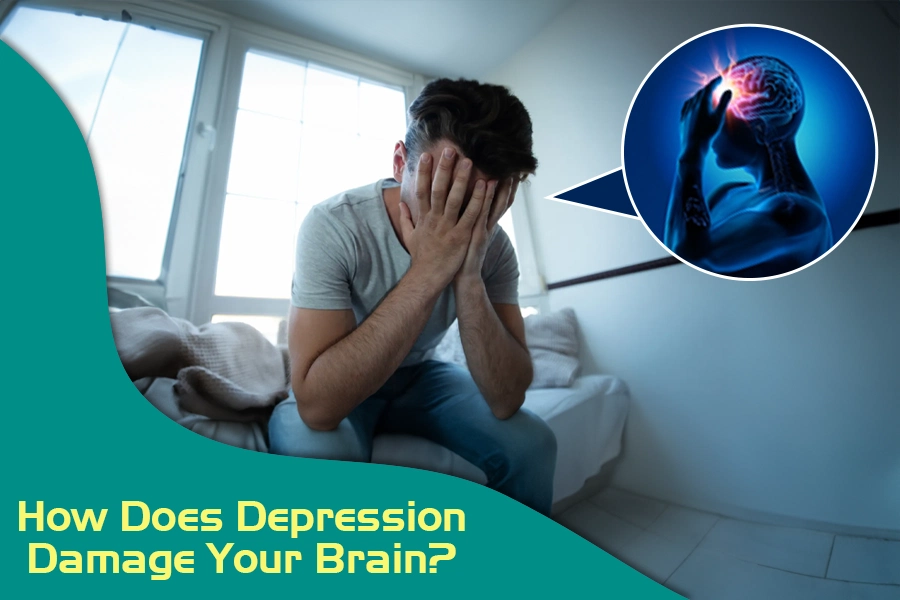
When we talk about depression and brain damage, it’s important to clarify what we mean. While “damage” might sound alarming, depression creates changes in the brain that are often reversible with proper treatment. However, prolonged untreated depression can lead to more persistent alterations that affect cognition, emotion regulation, and overall brain health.
The brain is remarkably plastic, meaning it can change and adapt throughout our lives. Unfortunately, this plasticity works both ways. Just as positive experiences and healthy behaviors can strengthen brain circuits, chronic depression can weaken them. The good news is that with appropriate treatment, many of these changes can be reversed or at least halted.
-

Modavinil 200mg (Modafinil)
Price range: $69.00 through $395.00 -
Modafil Md 200 mg (Modafinil)
Price range: $69.00 through $345.00 -
Modvigil 200mg (Modafinil)
Price range: $65.00 through $395.00 -
Vilafinil 200 mg (Modafinil)
Price range: $69.00 through $395.00 -
Modalert 200 mg (Modafinil)
Price range: $69.00 through $449.00 -
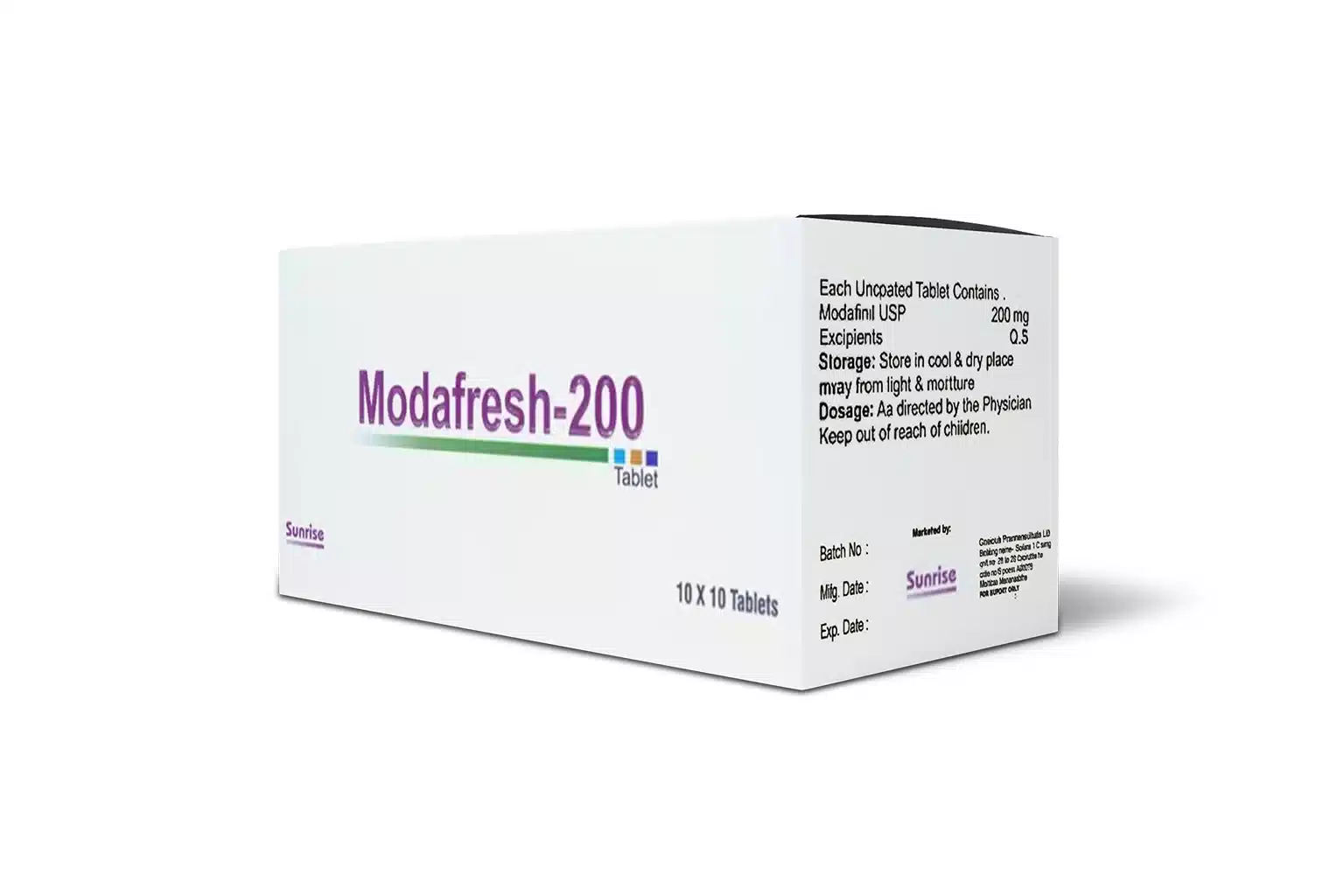
Modafresh 200 mg (Modafinil)
Price range: $65.00 through $329.00



Research using brain imaging technology has revealed significant structural changes in people with depression. These aren’t just theoretical concepts, they’re observable, measurable alterations to brain anatomy.
Hippocampus Shrinkage: The hippocampus, crucial for memory formation and emotional regulation, shows marked volume reduction in people with chronic depression. Studies have found that individuals with depression have hippocampi that are 10-20% smaller than those without depression. This shrinkage correlates with the duration and severity of depressive episodes—the longer someone experiences untreated depression, the more pronounced the volume loss.
This reduction isn’t just a side effect; it contributes to many symptoms of depression. Memory problems, difficulty concentrating, and emotional dysregulation can all be linked to hippocampal changes. The hippocampus also plays a role in regulating the stress response, creating a vicious cycle where depression damages the very brain structure needed to recover from it.
Prefrontal Cortex Changes: The prefrontal cortex, responsible for executive functions like decision-making, planning, and emotional control, also shows reduced volume in depression. This area helps us regulate emotions, make rational decisions, and control impulses. When depression affects this region, people often experience difficulty concentrating, making decisions (even simple ones), and controlling negative thought patterns.
Amygdala Alterations: Interestingly, while some brain regions shrink, the amygdala—our emotional processing center—often becomes hyperactive and may even increase in size during depression. This overactivity contributes to the heightened negative emotions, increased anxiety, and emotional reactivity that characterize depression. An overactive amygdala combined with a weakened prefrontal cortex creates an imbalance where negative emotions run unchecked.
Neurochemical Disruptions
Understanding how depression affects the brain also requires looking at chemical changes. Depression disrupts the delicate balance of neurotransmitters—the chemical messengers that allow brain cells to communicate.
Serotonin, Dopamine, and Norepinephrine: These neurotransmitters regulate mood, motivation, pleasure, and stress response. Depression alters their production, release, and reuptake, disrupting communication between neurons. Low serotonin levels are associated with depressed mood and anxiety, while dopamine dysfunction contributes to anhedonia (the inability to feel pleasure) and lack of motivation. Norepinephrine changes affect energy levels and stress responses.
BDNF Reduction: Brain-Derived Neurotrophic Factor (BDNF) is a protein that supports neuron survival and promotes the growth of new neurons and connections. Depression significantly reduces BDNF levels, particularly in the hippocampus. This reduction impairs the brain’s ability to adapt, heal, and form new neural connections—processes essential for learning, memory, and recovery from depression itself.
Inflammation and the Brain
Recent research has revealed that depression and brain damage are linked through inflammation. Chronic depression triggers an inflammatory response in the brain, with elevated levels of inflammatory markers called cytokines. This neuroinflammation can damage neurons, disrupt neurotransmitter function, and interfere with the formation of new brain cells.
This inflammatory process helps explain why depression is associated with increased risk for other conditions, including cardiovascular disease, diabetes, and neurodegenerative disorders. The brain doesn’t exist in isolation—systemic inflammation affects both mental and physical health.
Neuroplasticity: The Double-Edged Sword
Neuroplasticity refers to the brain’s ability to reorganize itself by forming new neural connections. While this is generally positive, depression can hijack this process. Repeated negative thinking patterns strengthen neural pathways associated with pessimism, self-criticism, and hopelessness. Meanwhile, pathways associated with positive emotions, motivation, and healthy coping strategies weaken from disuse.
Think of it like this: neurons that fire together wire together. In depression, neurons associated with negative thoughts fire repeatedly, strengthening those connections. Over time, negative thinking becomes the brain’s default mode—not because the person wants to be negative, but because those neural pathways have become the strongest.
Cognitive Impact: More Than Just Mood
The structural and chemical changes in depression don’t just affect mood—they impair cognitive function. Many people with depression experience:
Memory Problems: Difficulty forming new memories or retrieving existing ones, linked to hippocampal changes. People might forget conversations, appointments, or details from recent events.
Concentration Difficulties: Trouble focusing on tasks, reading, or following conversations. This stems from prefrontal cortex dysfunction and makes work, school, and daily activities significantly harder.
Slowed Processing: Mental tasks take longer, and thinking can feel sluggish or unclear—often described as “brain fog.”
Decision-Making Impairment: Even simple choices become overwhelming, related to prefrontal cortex changes that affect executive function.
These cognitive symptoms aren’t character flaws or signs of laziness—they’re neurological consequences of how depression affects the brain.
Stress Hormones and Brain Health
Depression disrupts the body’s stress response system, particularly the hypothalamic-pituitary-adrenal (HPA) axis. This dysregulation leads to chronically elevated cortisol levels. While cortisol is necessary for survival in short bursts, chronic elevation is neurotoxic—literally toxic to neurons.
High cortisol levels damage the hippocampus, reduce BDNF production, and interfere with the formation of new neurons. This creates another vicious cycle: depression causes stress system dysregulation, which damages the brain, which worsens depression and makes stress management more difficult.
Age and Vulnerability
The impact of depression on brain structure varies with age. Adolescent brains, still developing, may be particularly vulnerable to depression’s effects. Changes during this critical period can have long-lasting consequences for brain development and increase vulnerability to future episodes.
In older adults, depression accelerates cognitive decline and may increase the risk of dementia. Research suggests that people with a history of depression have a higher risk of developing Alzheimer’s disease and other forms of dementia, possibly due to cumulative brain changes over time.
The Reversibility Question
Here’s the hopeful part: many of these brain changes are reversible with effective treatment. Studies show that successful treatment can:
- Restore hippocampal volume through neurogenesis (growth of new neurons)
- Normalize prefrontal cortex activity
- Reduce amygdala hyperactivity
- Increase BDNF levels
- Restore healthy neurotransmitter balance
- Reduce neuroinflammation
Antidepressant medications, therapy (particularly cognitive-behavioral therapy), exercise, and lifestyle changes can all promote brain healing. The earlier treatment begins, the more completely the brain can recover. This is why prompt, effective treatment is so crucial.
Prevention and Protection
While we can’t always prevent depression, certain factors protect brain health and may reduce depression’s neurological impact:
Regular Exercise: Perhaps the most powerful brain protector, exercise increases BDNF, promotes neurogenesis, reduces inflammation, and improves neurotransmitter function.
Quality Sleep: Sleep allows the brain to clear toxins, consolidate memories, and restore neurotransmitter balance. Chronic sleep deprivation worsens depression and its effects on the brain.
Social Connection: Meaningful relationships activate brain regions associated with reward and well-being while buffering against stress.
Stress Management: Techniques like meditation, mindfulness, and relaxation practices can help regulate the stress response and protect against cortisol-related damage.
Healthy Diet: Nutrition affects brain health directly. Diets rich in omega-3 fatty acids, antioxidants, and whole foods support brain function and may reduce depression risk.
Mental Stimulation: Learning new things, engaging in challenging mental activities, and maintaining cognitive engagement promote neuroplasticity in positive directions.
The Importance of Treatment
Understanding how depression affects the brain underscores why professional treatment is essential, not optional. Depression isn’t a personal failing or something you can think your way out of—it’s a medical condition causing measurable brain changes.
Effective treatments might include:
- Psychotherapy: Cognitive-behavioral therapy, interpersonal therapy, and other approaches help rebuild healthy neural pathways
- Medication: Antidepressants can restore neurotransmitter balance and promote neurogenesis
- Lifestyle modifications: Exercise, sleep improvement, and stress reduction support brain health
- Emerging treatments: Techniques like transcranial magnetic stimulation (TMS) directly target brain regions affected by depression
The longer depression goes untreated, the more entrenched these brain changes become and the harder they are to reverse. Early, aggressive treatment offers the best chance for complete recovery.
Moving Forward With Hope
While the relationship between depression and brain damage sounds frightening, remember that knowledge is power. Understanding these mechanisms helps us appreciate that:
- Depression is a legitimate medical condition with biological basis
- Treatment is not just about feeling better—it’s about protecting and healing your brain
- The brain’s plasticity means recovery is possible
- Seeking help is a sign of strength, not weakness
If you or someone you love is struggling with depression, understanding these brain changes reinforces why getting help now is crucial. Every day of untreated depression potentially compounds these neurological effects, while each day of effective treatment moves toward healing and recovery.
Frequently Asked Questions
- Is brain damage from depression permanent?
Not necessarily. While prolonged untreated depression can cause lasting changes, research shows that many effects are reversible with proper treatment. The hippocampus can regenerate neurons through a process called neurogenesis, which is promoted by antidepressant medications, therapy, and exercise. Neurotransmitter balance can be restored, inflammation reduced, and neural connections rebuilt.
- How long does it take for depression to cause noticeable brain changes?
Brain changes can begin relatively quickly, though the severity increases with time. Studies show that even first-episode depression can cause measurable hippocampal changes, though these are typically less pronounced than in chronic depression.
- Can you see depression on a brain scan?
While brain imaging can reveal changes associated with depression, there’s no single “depression scan” that can definitively diagnose the condition. Advanced imaging techniques like functional MRI (fMRI), PET scans, and structural MRI can show differences in brain activity, neurotransmitter levels, and structure between people with and without depression.
- Does depression affect intelligence or IQ?
Depression doesn’t reduce innate intelligence or permanently lower IQ, but it significantly impairs cognitive function in ways that can temporarily affect performance on intelligence tests and daily cognitive tasks. The memory problems, concentration difficulties, slowed processing speed, and executive function impairments caused by depression can make someone appear less capable than they actually are.
- Can lifestyle changes alone reverse brain changes from depression?
Lifestyle changes can be remarkably powerful and sometimes sufficient for mild depression, but moderate to severe depression typically requires professional treatment. Exercise is particularly effective—studies show it can be as effective as antidepressants for some people and actively promotes neurogenesis and BDNF production. Improved sleep, stress management, healthy diet, and social connection all support brain health and recovery.