Can Depression Cause Dementia
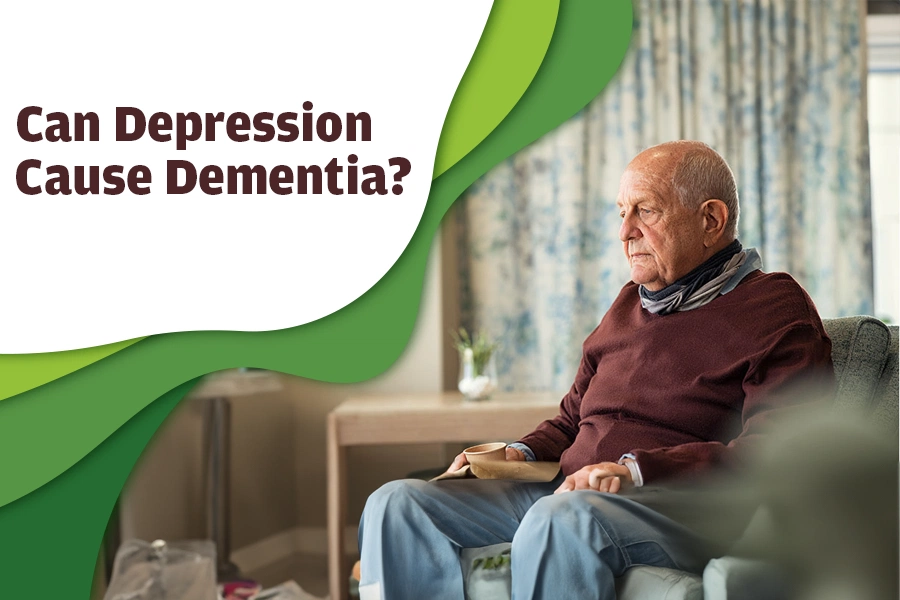
Before exploring the link between depression and dementia, it’s essential to understand what each condition involves. Depression is a mood disorder characterized by persistent sadness, loss of interest in activities, and various emotional and physical problems. Dementia, on the other hand, is an umbrella term for conditions that cause decline in memory, thinking, and reasoning abilities severe enough to interfere with daily life.
The question of whether depression can cause dementia isn’t simply yes or no. Instead, research suggests a complex relationship where depression may increase dementia risk, serve as an early symptom, or share common underlying causes with cognitive decline.
-

Modavinil 200mg (Modafinil)
Price range: $69.00 through $395.00 -
Modafil Md 200 mg (Modafinil)
Price range: $69.00 through $345.00 -
Modvigil 200mg (Modafinil)
Price range: $65.00 through $395.00 -
Vilafinil 200 mg (Modafinil)
Price range: $69.00 through $395.00 -
Modalert 200 mg (Modafinil)
Price range: $69.00 through $449.00 -
Modafresh 200 mg (Modafinil)
Price range: $65.00 through $329.00




Several mechanisms might explain how depression contributes to cognitive decline:
Brain Structure Changes: Chronic depression can lead to physical changes in the brain. Studies using brain imaging have shown that long-term depression can cause the hippocampus (a region crucial for memory) to shrink. This structural damage might make the brain more vulnerable to dementia.
Inflammation: Depression is associated with increased inflammation throughout the body, including the brain. Chronic inflammation is recognized as one of the cognitive decline risk factors, potentially damaging brain cells and contributing to conditions like Alzheimer’s disease.
Stress Hormones: Depression often involves elevated levels of cortisol, a stress hormone. Prolonged exposure to high cortisol levels can damage brain cells, particularly in areas responsible for memory and learning.
Behavioral Factors: People with depression may be less likely to engage in activities that protect brain health, such as exercise, social interaction, and mentally stimulating hobbies. They might also experience sleep problems, poor diet, and substance use, all of which can impact cognitive function.
Long-Term Depression Effects on the Brain
The duration and severity of depression appear to matter significantly. Research suggests that long-term depression effects pose a greater risk than single, short episodes. People who experience recurrent or chronic depression seem to have higher dementia risk than those with brief depressive episodes.
Early-onset depression (occurring in midlife or earlier) may also carry different implications than late-life depression. Some studies suggest that depression in midlife is more strongly associated with later dementia, while late-life depression might sometimes be an early symptom of emerging cognitive problems rather than a cause.
Mental Health and Aging: A Bidirectional Relationship
The intersection of mental health and aging is complex. As we age, various factors can affect both mood and cognition. Physical health problems, social isolation, loss of loved ones, and reduced independence can all contribute to depression in older adults. Simultaneously, age-related brain changes can affect both emotional regulation and cognitive function.
This creates a situation where depression and cognitive decline can influence each other. Depression can make it harder to maintain the social connections and healthy habits that protect against dementia. Meanwhile, early cognitive changes can be frustrating and frightening, potentially triggering or worsening depression.
Dementia Prevention Insights: What You Can Do
While the connection between depression and dementia sounds concerning, there’s encouraging news: treating depression might help reduce dementia risk. This insight offers important opportunities for dementia prevention and intervention.
Seek Treatment for Depression: Addressing depression promptly and effectively is crucial. Whether through therapy, medication, lifestyle changes, or a combination of approaches, treating depression may help protect your cognitive health.
Stay Physically Active: Exercise benefits both mood and brain health. Regular physical activity can reduce depression symptoms and appears to lower dementia risk through multiple pathways, including improving blood flow to the brain and promoting the growth of new brain cells.
Maintain Social Connections: Social isolation increases both depression and dementia risk. Staying connected with friends, family, and community can provide emotional support and mental stimulation.
Engage Your Mind: Mentally stimulating activities like reading, puzzles, learning new skills, or pursuing hobbies help build cognitive reserve, which may protect against dementia.
Prioritize Sleep: Poor sleep affects mood and cognitive function. Developing good sleep habits supports both mental health and brain health.
Manage Other Health Conditions: Conditions like diabetes, high blood pressure, and heart disease are risk factors for both depression and dementia. Managing these conditions effectively may reduce risk for both.
The Importance of Professional Evaluation
If you or a loved one is experiencing depression or memory concerns, a professional evaluation is essential. Sometimes what appears to be dementia might actually be depression causing cognitive symptoms (sometimes called “pseudodementia”), which can improve with proper treatment. Conversely, assuming that memory problems are just depression could delay diagnosis of actual dementia.
A comprehensive evaluation can help distinguish between depression-related cognitive symptoms, early dementia, or a combination of both conditions, leading to appropriate treatment for each.
Conclusion
The relationship between depression and dementia is multifaceted, involving biological, psychological, and social factors. While depression may increase dementia risk, this connection also highlights important opportunities for intervention. By treating depression effectively, maintaining healthy lifestyle habits, and staying engaged with life, we can support both mental health and cognitive function as we age. If you’re concerned about depression or cognitive changes, reaching out to a healthcare provider is always the right first step.
Frequently Asked Questions
Q1: Can treating depression prevent dementia?
While treating depression doesn’t guarantee dementia prevention, research suggests it may reduce risk. Effective depression treatment could help protect brain health through multiple mechanisms, including reducing inflammation, improving sleep, and enabling healthier lifestyle choices.
Q2: Is memory loss from depression permanent?
Memory and concentration problems caused by depression are typically reversible with proper treatment. Unlike dementia, depression-related cognitive symptoms usually improve when depression is effectively treated.
Q3: At what age does depression most increase dementia risk?
Research suggests that depression in midlife (ages 40-60) may pose a particularly significant risk for later dementia. However, depression at any age warrants treatment both for immediate wellbeing and potential long-term brain health benefits.
Q4: Can lifestyle changes reduce both depression and dementia risk?
Yes. Many lifestyle factors benefit both mental health and cognitive function, including regular exercise, healthy diet, quality sleep, social engagement, and stress management. These approaches can help address depression while also supporting brain health.