Look, if you could get the same quality light at noon while sipping coffee in your pajamas, we’d all be doing that instead. But you can’t.
Early morning light does things that no other time of day can replicate. That soft, directional glow right after sunrise makes everything look better: portraits, landscapes, architecture, you name it. The shadows are gentle instead of harsh. Colors have this warmth that you just don’t get midday.
Plus, there’s nobody around. No crowds photobombing your landscape shots. No traffic ruining your long exposures. Wildlife is actually active instead of hiding from the heat. The world is quiet in a way that only happens before most people wake up.
Here’s what you get during those brutal early morning shoots:
- Light that’s actually manageable instead of blowing out your highlights
- Fog, mist, and atmospheric stuff that adds serious mood
- Water that’s calm enough for perfect reflections
- Empty streets if you’re shooting urban environments
- Animals doing their thing before humans scare them off
The tradeoff? You have to be awake enough to actually capture it. And that’s where most people struggle.
What You’re Actually Fighting Against
Waking up at 3 AM isn’t just uncomfortable; your brain literally doesn’t work right. There’s actual science behind why you feel like garbage.
Sleep inertia is real. That groggy, confused state when you first wake up? It can last 30 minutes to 2 hours depending on how deep your sleep was when the alarm went off. During that time, your reaction speed is slow, your decision-making is impaired, and you’re basically operating at maybe 60% capacity.
For photography, this creates genuine problems:
You’re adjusting exposure settings when your brain can barely do math. You’re trying to compose shots creatively when you can’t think straight. You’re tracking moving subjects when your coordination is off. You’re making split-second decisions about what to shoot when your judgment is questionable at best.
I’ve shown up to locations and completely blanked on basic camera settings I’ve used a thousand times. I’ve missed incredible shots because I was too tired to notice them. I’ve driven to the wrong location because I wasn’t fully awake when I plugged in the address.
This stuff happens, and pretending it doesn’t is pointless.
Actually Useful Ways to Stay Focused During Early Shoots
Forget the motivational poster nonsense. Here’s what works in reality.
Do Everything Possible the Night Before
If you’re making decisions at 4 AM, you’ve already lost. Your evening version needs to set up your morning version for success.
Pack your entire camera bag the night before. Not “mostly packed”—completely done. Batteries charged, cards formatted, lenses cleaned, filters ready, everything. Lay out your clothes. Set up your coffee maker on a timer if you’ve got one. Know exactly where you’re going and how long it takes to get there.
I learned this the hard way after showing up to a shoot without a charged battery. Rookie mistake, but it happens when you’re rushing around half-asleep.
Work With Your Sleep, Not Against It
You can’t just go to bed at midnight and expect to function at 3:30 AM. That’s five and a half hours of sleep, and you’re waking up mid-cycle. You’ll feel terrible.
If I’ve got a 3:30 wake-up, I’m in bed by 8 PM. Yeah, it’s embarrassingly early. Yeah, my friends make fun of me. But the alternative is showing up to a shoot feeling like I got hit by a truck.
Some photographers I know take a short nap the afternoon before really early shoots. Like 20-30 minutes, not long enough to mess up nighttime sleep but enough to create a small buffer.
The other thing that helps—if you’re doing multiple sunrise shoots in a week, keep similar wake times even on off days. Your body adapts way better to consistency than constant schedule chaos.
Use Light to Hack Your Brain
Your body responds to light more than almost anything else. Use that.
As soon as the alarm goes off, lights turn on. All of them. Bright as possible. Don’t shuffle around in the dark thinking you’ll “wake up naturally.” You won’t.
Night before the shoot? Dim everything down after 7 PM. No bright phone screens right before bed if you can help it. Blue light from screens tells your brain it’s daytime, which screws with falling asleep early.
Once you’re outside for the shoot, the natural light handles the rest. Something about being outdoors as the sun comes up just flips a switch and you suddenly feel more human.
Coffee Strategy (Because Let’s Be Real)
Coffee is basically mandatory, but there’s a right and wrong way to use it.
Don’t immediately chug coffee the second you wake up. Your body’s already producing cortisol to wake you up naturally. Wait like 45 minutes to an hour, then have your coffee. It works better that way.
Also, one or two cups spread out beats three espressos at once. The jittery, can’t-hold-your-camera-steady thing from too much caffeine is a real problem.
And for the love of god, drink actual water too. Dehydration makes fatigue so much worse, and coffee doesn’t help with that.
Get Your Body Moving
Sitting still when you’re tired is basically asking to fall asleep. Movement helps more than you’d think.
When I first wake up, I do some basic stretches. Nothing intense—just enough to get blood flowing. Some photographers I know do jumping jacks or walk around the block before leaving. Sounds dumb, feels dumb, but it genuinely helps.
At the location, don’t just sit in your car checking Instagram until the light happens. Get out, walk around, scout angles. Physical movement keeps you alert in a way that sitting doesn’t.
The Modafresh Question
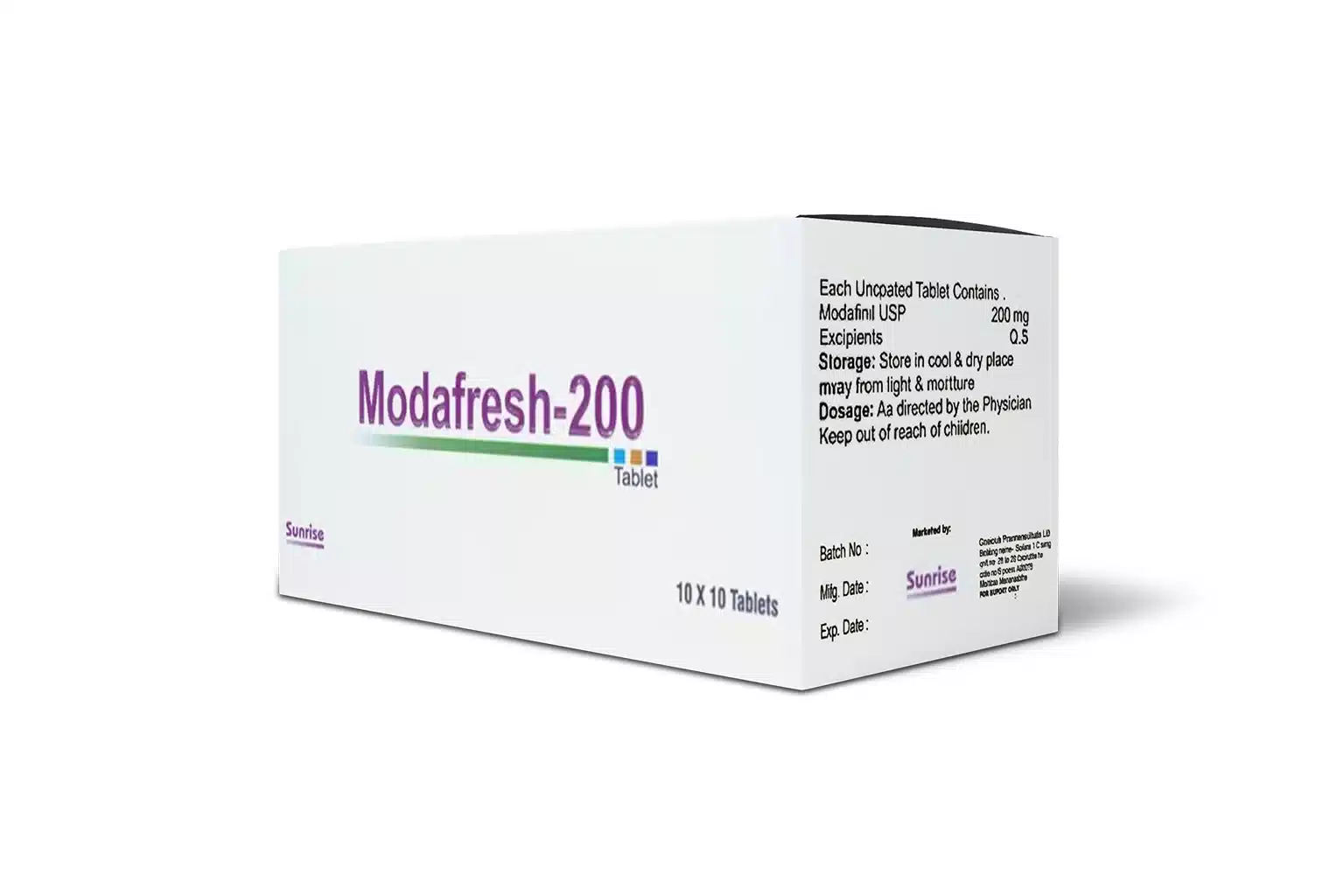
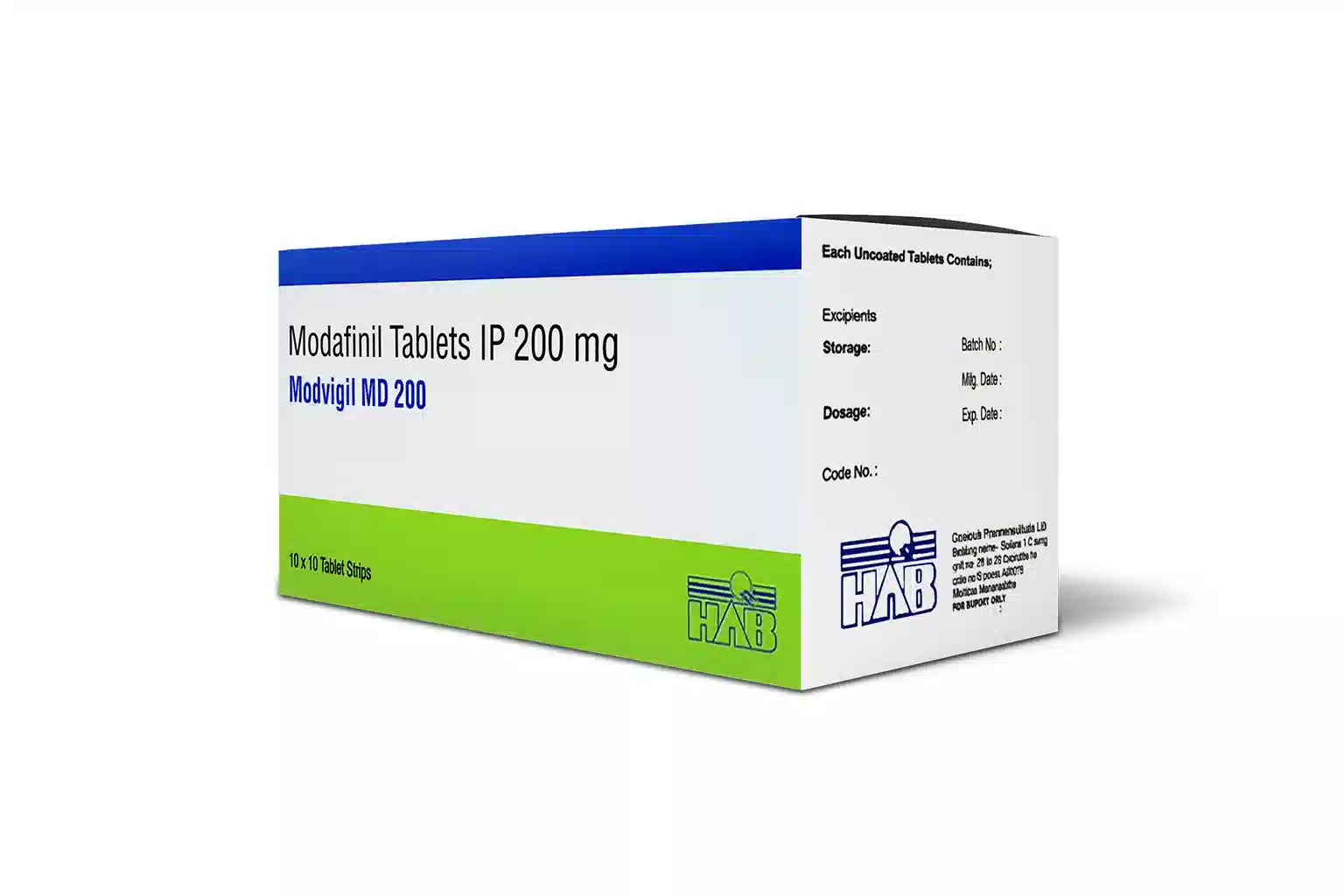
Okay, let’s address the elephant in the room. Some professional photographers use Modafresh 200mg for particularly demanding shoots.
Modafinil—that’s what’s in Modafresh—was originally created for narcolepsy and shift work sleep disorder. It promotes wakefulness without the jittery feeling you get from excessive caffeine. Effects last 8-12 hours, and for photographers dealing with serious sleep deprivation on important shoots, it can be a game-changer.
But here’s the reality: it’s prescription medication, not a supplement you casually pick up. You need a doctor’s approval, and there are side effects to consider—headaches, nausea, anxiety, insomnia if you time it wrong.
I know photographers who use it occasionally for massive commercial shoots where being off their game isn’t an option. But it’s not a substitute for actual sleep, and it shouldn’t be your regular solution. Think of it as an emergency tool, not a daily habit.
If you go this route, timing matters hugely. Take it early—at least 12 hours before you want to sleep after the shoot—or you’ll be awake all night regretting it.
What to Actually Do Once You’re Shooting
You made it to the location. The light’s starting to happen. Now you need to not screw it up.
Keep moving constantly. Standing still invites drowsiness. Walk, explore different angles, stay active.
Talk through your settings out loud. Sounds weird, but verbalizing “okay, ISO 400, f/8, 1/250th” helps catch mistakes your tired brain might make.
Have a loose plan but don’t be rigid. Know what shots you want, but stay open to unexpected stuff. Some of my best sunrise shots weren’t on my shot list—they just happened because I was paying attention.
Bring real food. Not candy bars—actual protein and sustained energy. Trail mix, jerky, fruit, something that won’t spike and crash your blood sugar.
Take micro-breaks if you have time. Step away from your camera for a minute, breathe, reset. Don’t grind nonstop for 90 minutes—you’ll burn out.
After the Shoot: Don’t Be a Hero
Biggest mistake I see photographers make? Trying to power through the entire day after an early shoot.
Your brain is impaired even if you feel fine. Don’t edit important work immediately after—your judgment is off and you’ll make bad decisions you’ll regret later.
If you can nap, nap. Even 30 minutes helps significantly. If you can’t, at least acknowledge you’re not at 100% and adjust your day accordingly.
Get back on your normal sleep schedule ASAP. Don’t try to “catch up” by sleeping 14 hours randomly, which just messes up your rhythm worse.
Making It Sustainable Long-Term
If you’re doing early morning shoots regularly, you need systems or you’ll burn out hard.
Maintain decent sleep habits even on non-shoot days. You can’t regularly sleep 5 hours and expect to function well. Your baseline matters.
Exercise regularly. I hate admitting this, but being in better shape genuinely makes early wake-ups easier to handle.
Don’t overbook yourself. Even pros limit how often they do sunrise shoots because the cumulative fatigue is real. Quality over quantity.
Bottom Line
Photographers stay sharp for early shoots through preparation, understanding their own biology, strategic caffeine use, and sometimes—with medical guidance—pharmaceutical help like Modafresh 200mg for critical work.
There’s no magic solution that makes 3 AM easy. It sucks, it’ll always suck, and anyone telling you otherwise is lying. But with smart prep, realistic expectations about your capabilities when tired, and sustainable systems, you can consistently capture those incredible sunrise moments without completely wrecking yourself.
FAQs
How early before sunrise should I actually be there?
At least 30-45 minutes before the sun breaks the horizon. Best light often happens before actual sunrise, and you need setup time. Rushing kills creativity.
Can energy drinks replace coffee?
They work but usually have way more sugar and you’ll crash harder. If you use them, go sugar-free and don’t overdo it. Coffee or tea is generally better.
Is using Modafresh 200mg regularly okay for photography work?
Not really. It’s prescription medication meant for specific medical conditions. Using it regularly without medical supervision is asking for problems—side effects, tolerance, dependency. Save it for truly critical situations if your doctor approves, not routine shoots.
What if I’m just not a morning person no matter what?
Some people genuinely aren’t wired for early wake-ups. If it consistently destroys you, maybe focus on other photography types that don’t require pre-dawn suffering. Or partner with photographers who are natural early risers.
How do pros handle multiple sunrise shoots back-to-back?
Most build in recovery time when possible and maintain solid baseline sleep. Some limit their early bookings specifically to avoid burnout. The ones who don’t eventually crash.