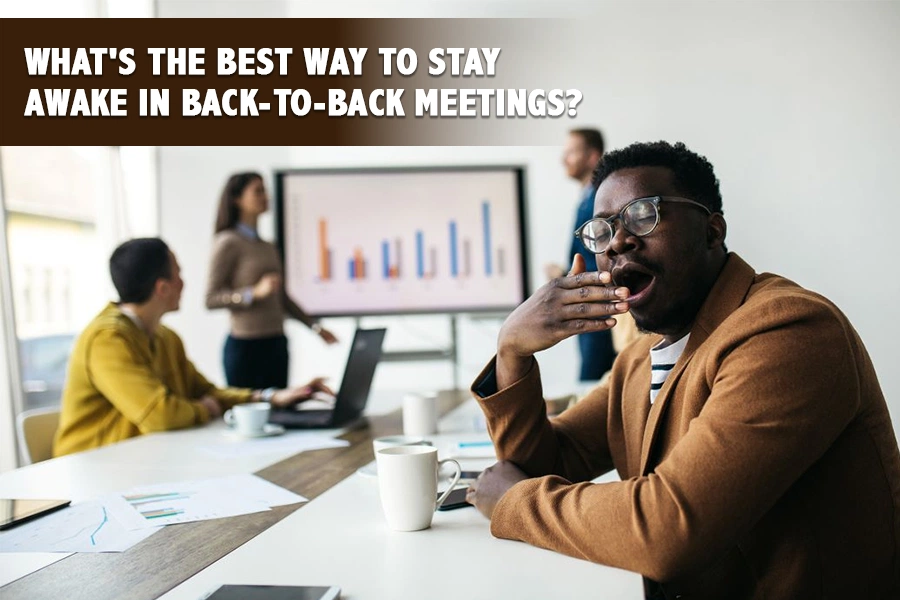
How Nurses, Drivers and Security Guards Stay Alert During Long Shifts

Working against your body’s natural circadian rhythm creates challenges that go far beyond typical workplace fatigue. The human body is biologically programmed to be alert during daylight hours and sleepy at night. When your work schedule contradicts this programming, every cell in your body is working against you.
The National Sleep Foundation estimates that shift workers lose an average of one to four hours of sleep per 24-hour period compared to day workers. This chronic sleep debt accumulates over time, leading to decreased alertness, impaired decision making and increased risk of accidents and health issues.
-

Modavinil 200 mg (Modafinil)
Price range: $69.00 through $449.00 -
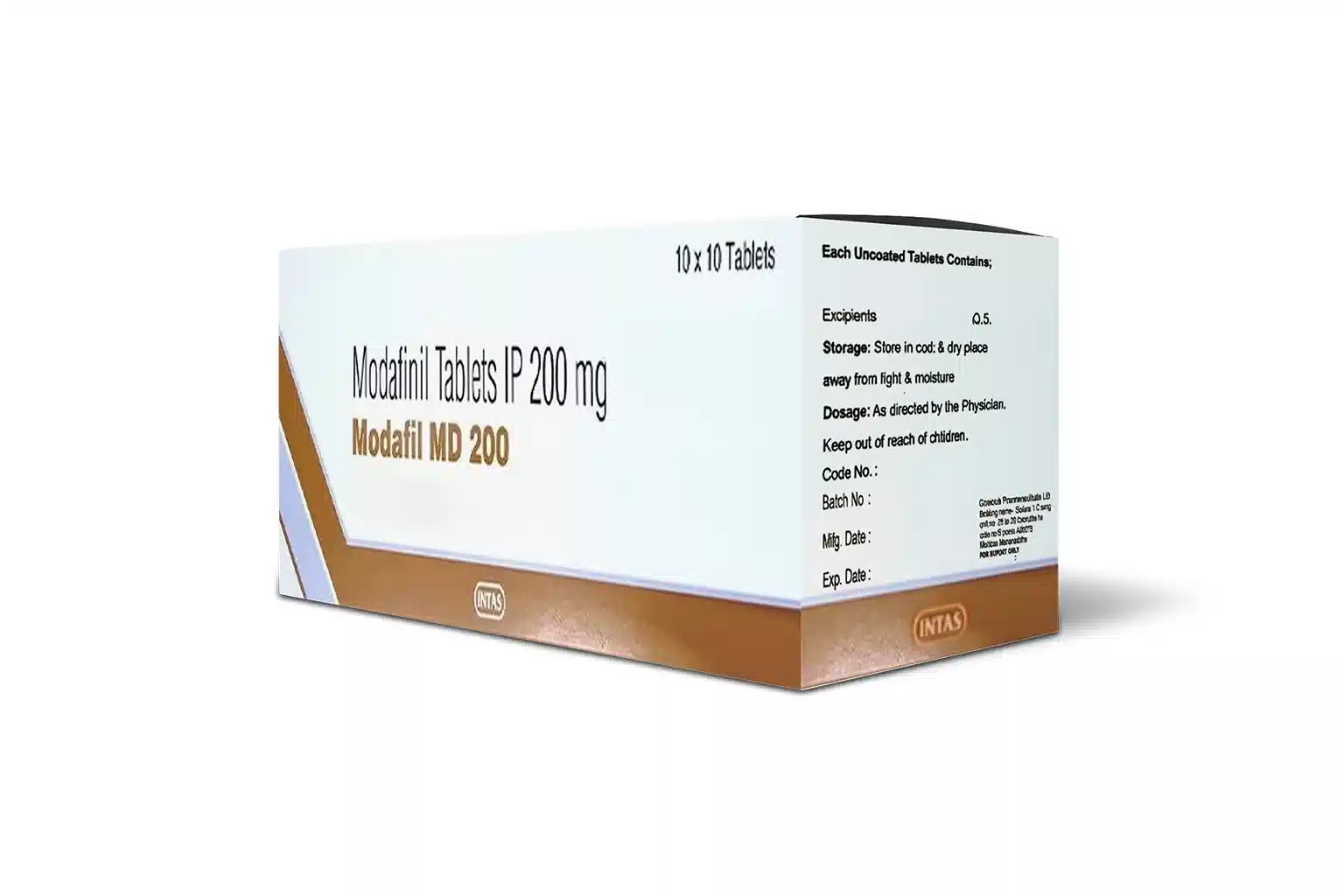
Modafil MD 200 mg (Modafinil)
Price range: $70.00 through $749.00 -

Modvigil 200 mg (Modafinil)
Price range: $69.00 through $449.00 -

Vilafinil 200 mg (Modafinil)
Price range: $69.00 through $449.00 -
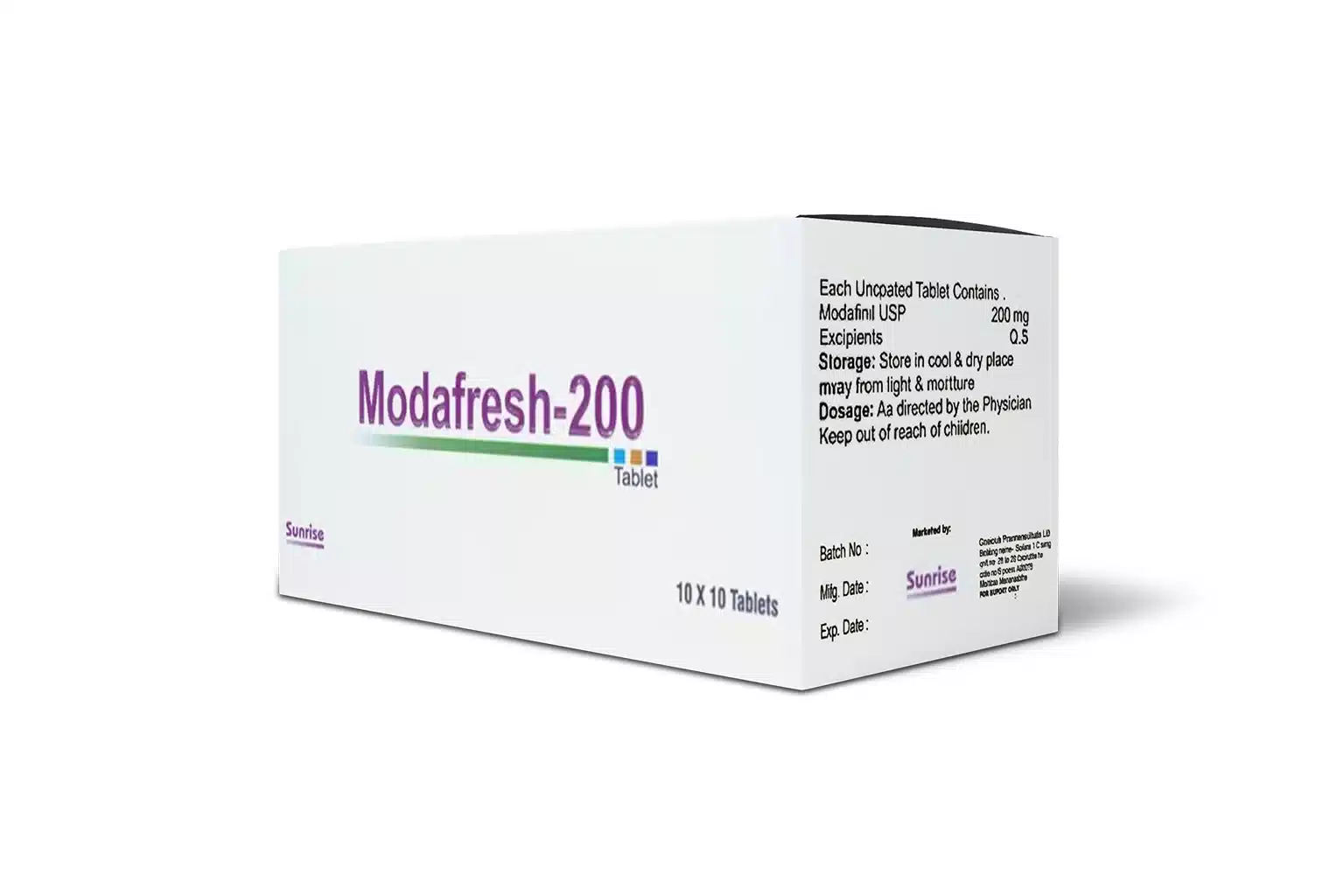
Modafresh 200 mg (Modafinil)
Price range: $69.00 through $449.00 -

Modvigil MD 200 mg (Modafinil)
Price range: $69.00 through $395.00
Mastering Sleep Despite Irregular Hours
Quality sleep is the cornerstone of staying alert during long shifts, yet it’s also the biggest challenge for shift workers. Your body doesn’t naturally want to sleep during the day, but you can train it with consistent practices.
Create a sleep sanctuary in your home. Install blackout curtains that eliminate all light—even small amounts of light can suppress melatonin production and fragment your sleep. Use a white noise machine or fan to mask daytime sounds like traffic, lawnmowers, and neighbors. Keep your bedroom cool, between 60-67°F, as lower temperatures facilitate better sleep.
Consistency matters more than you might think. Try to maintain the same sleep schedule even on your days off when possible. While this might mean missing some daytime activities, it prevents your body from constantly readjusting to different sleep-wake cycles, which only amplifies fatigue.
Strategic Nutrition for Sustained Energy
What you eat during your shift dramatically affects your alertness. Many shift workers fall into the trap of relying on vending machine snacks and fast food during night shifts, but these choices set you up for energy crashes.
Pack balanced meals that include lean protein, complex carbohydrates, and healthy fats. A grilled chicken salad with quinoa, nuts, and olive oil-based dressing provides sustained energy without the blood sugar roller coaster. Greek yogurt with berries, turkey and avocado wraps, or hard-boiled eggs with whole-grain crackers are excellent shift-friendly options.
Avoid heavy meals during the latter part of your shift. Eating a large meal within three hours of your intended sleep time can interfere with sleep quality. If you need a snack before bed, choose something light like a small banana or a handful of almonds.
Profession-Specific Alertness Strategies
Different occupations face unique challenges when it comes to maintaining alertness during extended shifts.
For Nurses: Movement and Mental Engagement
Hospital nurses have a built-in advantage—their jobs require constant movement and decision-making. However, during quieter moments, such as late-night documentation or monitoring stable patients, fatigue can set in quickly.
Use these slower periods for active tasks rather than passive ones. Stand while charting when possible. Take the stairs instead of the elevator between floors. During breaks, do light stretching or take a brief walk outside if weather permits—the movement and fresh air provide a powerful alertness boost.
Stay mentally engaged by reviewing upcoming procedures, studying new protocols, or discussing challenging cases with colleagues. Social interaction and intellectual stimulation combat drowsiness more effectively than passive rest.
For Drivers: Environmental Control and Strategic Breaks
Long-haul truck drivers and delivery professionals face perhaps the most dangerous fatigue scenario—falling asleep could be fatal. Beyond the obvious need for adequate rest before shifts, environmental factors within the vehicle play a crucial role.
Keep the cab temperature slightly cool. Warmth promotes drowsiness, while cooler air helps maintain alertness. Use adjustable seating to change your position regularly, preventing the physical stagnation that contributes to mental drowsiness.
Take strategic breaks every two hours or 100 miles, whichever comes first. During these breaks, do more than just rest—do jumping jacks, walk briskly around the parking area, or do push-ups against your vehicle. Physical activity increases blood flow and oxygen to the brain, providing a natural alertness boost.
For Security Guards: Active Patrolling and Task Variation
Security work presents unique challenges because it often involves long periods of relative inactivity punctuated by moments requiring intense alertness. Static positions like monitoring security feeds or manning entrance gates can be particularly drowsiness-inducing.
Incorporate regular patrol rounds even when not strictly required. The physical movement and environmental changes help maintain alertness. Vary your tasks throughout the shift—alternate between monitoring screens, doing paperwork, and conducting physical checks. This variation prevents the mental monotony that leads to drowsiness.
Use standing desks when monitoring feeds if your employer permits. Standing burns more calories and requires more muscle engagement than sitting, naturally maintaining higher alertness levels.
The Role of Light Exposure
Light is one of the most powerful tools for managing your circadian rhythm and maintaining night shift focus support. Understanding how to manipulate light exposure can significantly impact your alertness during shifts and sleep quality afterward.
During your shift, expose yourself to bright light, especially during the first half of your work period. Many facilities have adequate lighting, but if you work in dimly lit environments, consider a light therapy box during breaks. Bright light suppresses melatonin production, helping you stay alert when you need to be awake.
After your shift, protect yourself from bright morning sunlight on your commute home. Wear wraparound sunglasses to minimize light exposure to your eyes, signaling to your body that it’s time to prepare for sleep. This simple strategy can dramatically improve your ability to fall asleep when you get home.
Understanding Medical Support Options
For some shift workers, particularly those with diagnosed sleep disorders related to their work schedules, medical support may be appropriate. Shift work sleep disorder is a recognized medical condition that affects up to 38% of shift workers according to some estimates.
Waklert 150mg is a prescription medication containing armodafinil, a wakefulness-promoting agent approved by the FDA specifically for shift work sleep disorder, along with narcolepsy and obstructive sleep apnea. It works by affecting neurotransmitters in the brain that regulate the sleep-wake cycle, helping individuals stay alert during their work hours.
It’s crucial to understand that Waklert 150mg is a prescription medication that requires medical supervision and proper diagnosis. It’s not intended as a general fatigue solution or substitute for adequate sleep. If you’re experiencing persistent excessive sleepiness during work hours despite implementing good sleep hygiene and fatigue management strategies, consult with a healthcare provider who specializes in sleep medicine. They can evaluate whether you have shift work sleep disorder or another underlying condition and discuss appropriate treatment options.
Building Sustainable Long-Term Practices
Staying alert during long shifts isn’t just about getting through tonight—it’s about building practices that sustain you throughout your career.
The Power of Napping
Strategic napping can be a game-changer for shift workers. A 20-30 minute nap before your shift or during a longer break can significantly improve alertness and performance. Keep naps under 30 minutes to avoid sleep inertia—the grogginess that occurs when you wake from deeper sleep stages.
Some forward-thinking employers provide designated nap rooms for shift workers. If your workplace doesn’t offer this, advocate for it. The safety and productivity benefits make it a worthwhile investment.
Social Support and Communication
Share your schedule challenges with family and friends. Help them understand why you need to sleep during the day or why you might not be available for daytime social events. This support system reduces stress and helps you maintain the boundaries necessary for adequate rest.
Connect with other shift workers who understand the unique challenges you face. Many hospitals, trucking companies, and security firms have online communities where workers share strategies and support each other.
Monitoring Your Health
Shift work takes a toll on long-term health, increasing risks for various conditions including cardiovascular disease, metabolic disorders, and mental health issues. Regular health check-ups are essential.
Schedule annual physicals and be honest with your doctor about your work schedule and any alertness challenges you’re experiencing. Early intervention can prevent minor issues from becoming serious health problems.
FAQs
Q1: How many hours should I sleep after a night shift?
Aim for 7-9 hours of sleep in your main sleep period, just like day workers. However, you may need to split this into a longer sleep immediately after your shift (5-6 hours) and a shorter nap (2-3 hours) before your next shift to maintain optimal alertness.
Q2: Is caffeine safe for staying alert during shifts?
Moderate caffeine consumption (up to 400mg daily for most adults) is generally safe. Consume caffeine early in your shift for maximum effectiveness, and avoid it within 6 hours of your intended sleep time to prevent sleep interference.
Q3: What are the signs I should see a doctor about shift work fatigue?
Persistent excessive sleepiness despite adequate sleep attempts, falling asleep at inappropriate times (especially while driving), significant mood changes, difficulty concentrating even after rest, or development of health issues should prompt a medical consultation.
Q4: Can I ever fully adjust to night shift work?
Some people adapt better than others, but fully reversing your circadian rhythm is challenging if you switch back to a day schedule on your days off. Maintaining a consistent schedule year-round provides the best adaptation, though this requires lifestyle sacrifices.
Q5: How can I protect my long-term health as a shift worker?
Prioritize sleep above all else, maintain a healthy diet, exercise regularly, attend routine medical check-ups, use bright light strategically, and consider transitioning to a day schedule if your health begins to suffer significantly from shift work.