Your brain consumes about 20% of your body’s energy, and it needs proper nutrition to function optimally. Deficiencies in key nutrients like vitamin B12, vitamin D, and omega-3 fatty acids are significant memory loss causes. B12 deficiency, particularly common in older adults and vegetarians, can cause confusion and memory problems that mimic dementia. Similarly, dehydration affects cognitive function more than most people realize—even mild dehydration can impair concentration and short-term memory. A diet high in processed foods and sugar while lacking in brain-healthy nutrients sets the stage for cognitive decline.
5. Medications Can Have Cognitive Side Effects
Many commonly prescribed medications can affect memory as a side effect. Anticholinergic drugs, used to treat conditions from allergies to overactive bladder, block acetylcholine—a neurotransmitter critical for memory and learning. Benzodiazepines for anxiety, some blood pressure medications, and certain pain relievers can also impair memory function. If you’ve noticed memory problems after starting a new medication, it’s worth discussing with your doctor. Sometimes alternative treatments or dosage adjustments can help minimize these effects while still managing your underlying condition.
6. Alcohol Affects Both Short and Long-Term Memory
Excessive alcohol consumption is among the well-documented cognitive decline causes. In the short term, alcohol interferes with the brain’s ability to form new memories—hence “blackouts” after heavy drinking. Over time, chronic alcohol use can cause permanent damage to brain structures involved in memory. Even moderate drinking may accelerate brain aging and contribute to memory decline. The brain can recover to some extent when alcohol consumption is reduced or stopped, but severe, prolonged alcohol abuse can lead to irreversible memory problems explained by conditions like Wernicke-Korsakoff syndrome.
7. Depression and Anxiety Cloud Cognitive Function
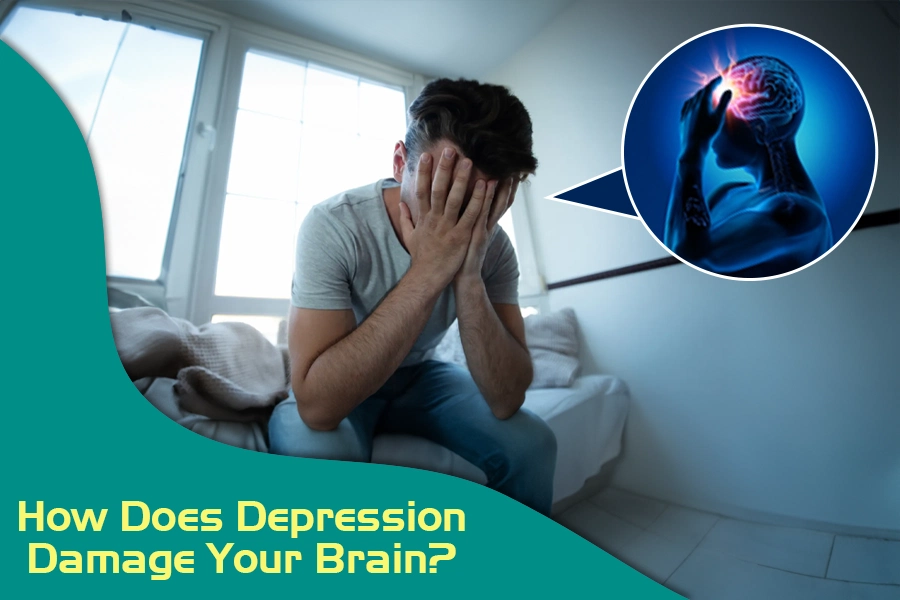
Mental health conditions significantly impact memory, though they’re often overlooked as memory loss causes. Depression can make it difficult to concentrate, pay attention, and encode new memories. People with depression often describe their thinking as “foggy” or “slow.” Anxiety, particularly when chronic, keeps the brain in a state of hypervigilance that diverts resources away from memory formation and retrieval. The relationship between mental health and memory is bidirectional—memory problems can worsen anxiety and depression, creating a challenging cycle.
8. Head Injuries Cause Immediate and Long-Term Damage
Traumatic brain injuries, from concussions to severe head trauma, are among the most direct reasons for forgetfulness. Even seemingly mild concussions can affect memory in the short term, causing difficulty forming new memories or recalling events surrounding the injury. Repeated head injuries, common in contact sports, can lead to chronic traumatic encephalopathy (CTE), a condition associated with progressive memory decline and other cognitive issues. Protecting your head during sports and activities isn’t just about immediate safety—it’s about long-term brain health.
9. Thyroid Disorders Disrupt Brain Chemistry
Your thyroid gland produces hormones that regulate metabolism throughout your body, including your brain. Both hypothyroidism (underactive thyroid) and hyperthyroidism (overactive thyroid) can cause memory problems. An underactive thyroid slows down mental processes, leading to forgetfulness, difficulty concentrating, and mental fog. These symptoms can be confused with dementia in older adults, making proper diagnosis crucial. Fortunately, thyroid-related memory issues often improve significantly with appropriate treatment.
10. Lack of Mental Stimulation Accelerates Decline
“Use it or lose it” applies to your brain just as it does to muscles. When your brain isn’t regularly challenged, neural connections weaken, contributing to memory decline facts that researchers consistently observe. People who engage in mentally stimulating activities—learning new skills, solving puzzles, reading challenging material, or learning new languages—tend to maintain better cognitive function as they age. Mental stimulation builds cognitive reserve, essentially creating a buffer against age-related decline and even neurodegenerative diseases.
11. Smoking Damages Blood Vessels and Brain Cells
Smoking is a significant but preventable contributor to cognitive decline. Nicotine and other chemicals in cigarettes damage blood vessels throughout the body, including those in the brain. This reduces oxygen and nutrient delivery to brain cells, impairing their function. Studies show that smokers experience more rapid memory decline and have a higher risk of dementia compared to non-smokers. The encouraging news is that quitting smoking at any age can slow this decline and improve overall brain health.
12. Cardiovascular Problems Reduce Brain Blood Flow
What’s bad for your heart is bad for your brain. Conditions like high blood pressure, high cholesterol, diabetes, and heart disease affect the blood vessels that supply oxygen and nutrients to your brain. When these vessels are damaged or blocked, even partially, brain function suffers. This vascular cognitive impairment can manifest as memory problems, difficulty with complex tasks, and slower thinking. Managing cardiovascular risk factors through diet, exercise, and medication when necessary isn’t just about preventing heart attacks—it’s crucial for maintaining memory and cognitive function.
13. Neurodegenerative Diseases Cause Progressive Memory Loss
While most memory problems have reversible or manageable causes, neurodegenerative diseases like Alzheimer’s and other forms of dementia represent progressive memory loss causes. These conditions involve the actual death of brain cells and breakdown of neural networks. Alzheimer’s disease, the most common form of dementia, typically begins with difficulty remembering recent events and gradually progresses to more severe memory loss. While these diseases primarily affect older adults, understanding early warning signs—like memory loss that disrupts daily life, confusion about time or place, and difficulty completing familiar tasks—enables earlier intervention and planning.
Protecting Your Memory for the Future
Understanding why we lose memory empowers us to take proactive steps. While some factors like aging are inevitable, many memory problems explained by the facts above are preventable or treatable. Maintaining a healthy lifestyle—getting adequate sleep, managing stress, eating a nutritious diet, staying physically active, and keeping your mind engaged—provides the foundation for healthy memory function throughout life.
If you’re experiencing memory problems that concern you, don’t dismiss them as “just getting older.” Many causes of forgetfulness are treatable, and early intervention can make a significant difference in outcomes.
FAQs
Q1: How can I tell if my forgetfulness is normal or a sign of something serious?
Normal forgetfulness includes occasional lapses like misplacing keys or forgetting why you entered a room. Warning signs include repeatedly forgetting recently learned information, difficulty completing familiar tasks, confusion about time or place, poor judgment, and personality changes. If memory problems disrupt daily life or family members express concern, consult a healthcare provider.
Q2: Can memory loss be reversed?
It depends on the cause. Memory problems from treatable conditions like vitamin deficiencies, thyroid disorders, depression, or medication side effects often improve with proper treatment. Lifestyle-related issues can improve with positive changes. However, memory loss from Alzheimer’s and other neurodegenerative diseases cannot be reversed, though progression may be slowed.
Q3: At what age should I start worrying about memory problems?
Mild forgetfulness can begin in your 50s and 60s as a normal part of aging. However, significant memory loss at any age deserves attention. If memory problems interfere with work, relationships, or daily activities—regardless of your age—it’s time to see a doctor. Early evaluation is important because many causes are treatable.
Q4: What foods are best for memory and brain health?
The Mediterranean diet is strongly linked to better cognitive function. Focus on fatty fish rich in omega-3s (salmon, sardines), leafy greens, berries (especially blueberries), nuts and seeds, whole grains, and olive oil. Limit processed foods, excess sugar, and saturated fats. Stay hydrated and ensure adequate B vitamins, particularly B12.
Q5: Can brain games and puzzles really prevent memory loss?
Brain games can help maintain cognitive function, but they’re most effective as part of a broader approach. The best mental stimulation comes from learning genuinely new skills—like a language, musical instrument, or complex hobby—rather than repetitive puzzles. Combine mental challenges with physical exercise, social interaction, and healthy lifestyle habits for optimal brain protection.
References
Harada CN, Natelson Love MC, Triebel KL. Normal Cognitive Aging. Clinics in Geriatric Medicine.



 This doesn’t mean severe memory loss is inevitable, but mild forgetfulness becomes more common after age 50. The good news is that the aging brain can still form new neural connections and maintain cognitive function with the right lifestyle choices.