Here’s a flexible blueprint you can adapt to your hours. The goal: blend consistency, sleep hygiene, and small habits that add up.
Monday–Friday (example for night shift worker finishing at 7 AM )
- 07:30–08:00: Wind-down routine immediately after shift — change clothes, low-stimulus time (no bright screens), light snack if hungry.
- 08:00–13:00: Main sleep block (aim for 5–6 hours). Blackout curtains + white noise recommended.
- 13:30–14:00: Light exposure (15–30 minutes outdoors) to help anchor circadian timing.
- 14:00–17:00: Errands, family time, exercise (short, moderate session).
- 17:00–18:30: Light meal, pre-shift prep; limit heavy foods and caffeine after this point.
- 18:30–19:30: Short nap (if needed) before shift starts.
- Night shift: plan two short breaks with light movement; use a short caffeine boost early in the change if necessary.
On days off, try to avoid completely flipping your sleep schedule—stay within a few hours of your workday sleep times so your body maintains some rhythm.
Practical tactics that actually improve sleep and performance
- Darken and quiet your sleep space: Blackout curtains, eye mask, fan or white-noise machine and room thermometer.
- Create a bedtime ritual: 20–30 minutes of low-stimulus activity — reading (paper), stretching, breathing exercises.
- Use scheduled naps: A 20–30 minute nap reduces sleepiness without major sleep inertia; a longer nap (60–90 minutes) can restore deeper sleep but schedule it to avoid interfering with your main sleep block.
- Time caffeine: Use small doses early in the wake period. Avoid caffeine within 6–8 hours of planned sleep if you’re sensitive.
- Mind your light: Bright light during your wake time, dim/light reduction before sleep. Consider light therapy boxes if you have chronic misalignment (consult a clinician first).
Productivity and sleep balance
When productivity is measured by output or error-free performance, sleep is not a “nice to have”; it’s an investment. Acute sleep loss reduces concentration, reaction time, decision-making, and emotional regulation. That means the short-term gains from cutting sleep to “get more done” are usually offset by higher risk of mistakes, lower creativity, and slower recovery. Framing sleep as performance maintenance, like refuelling a high-performance machine, helps organisations and individuals treat rest as nonnegotiable.
About Modvigil and wakefulness medicines
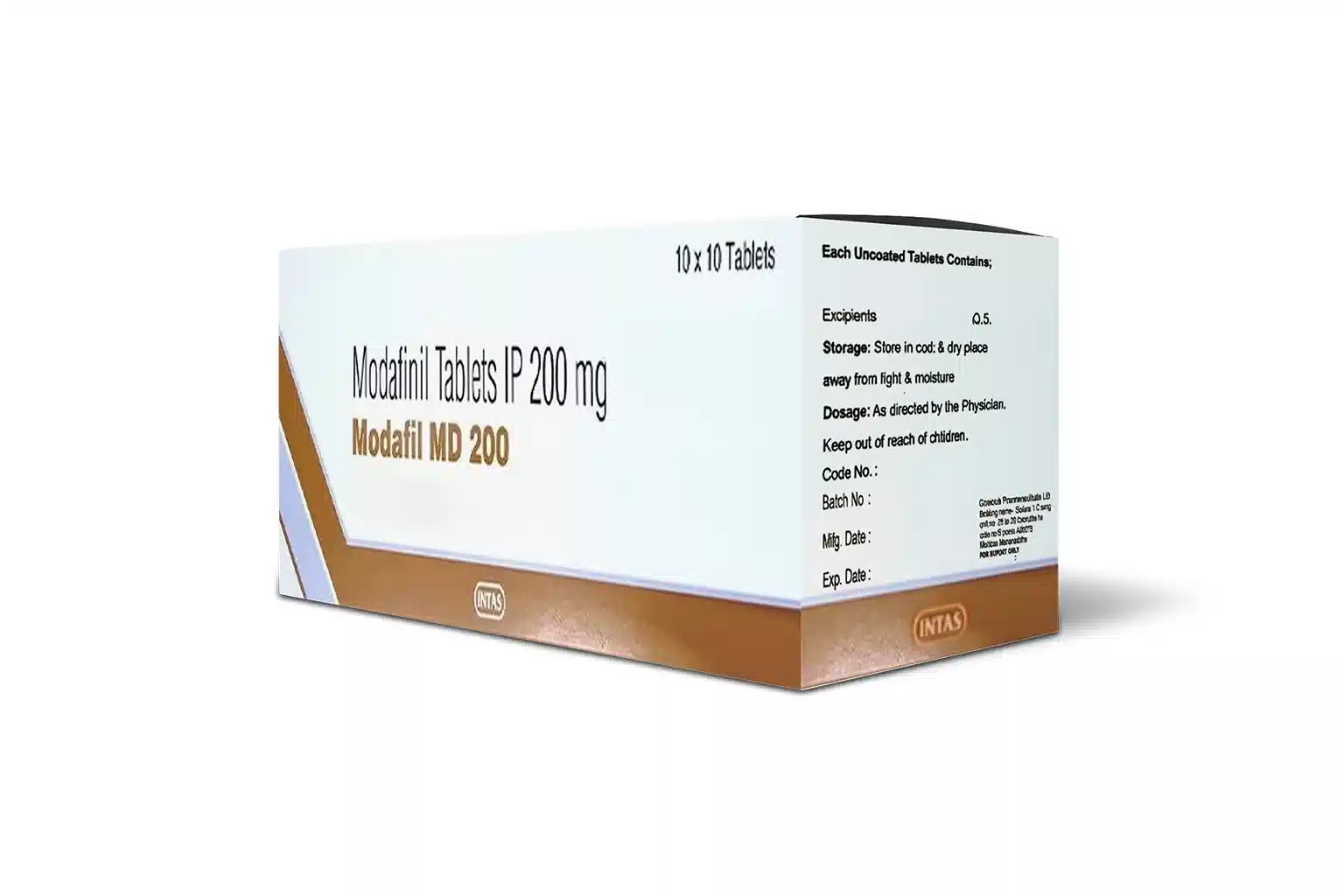
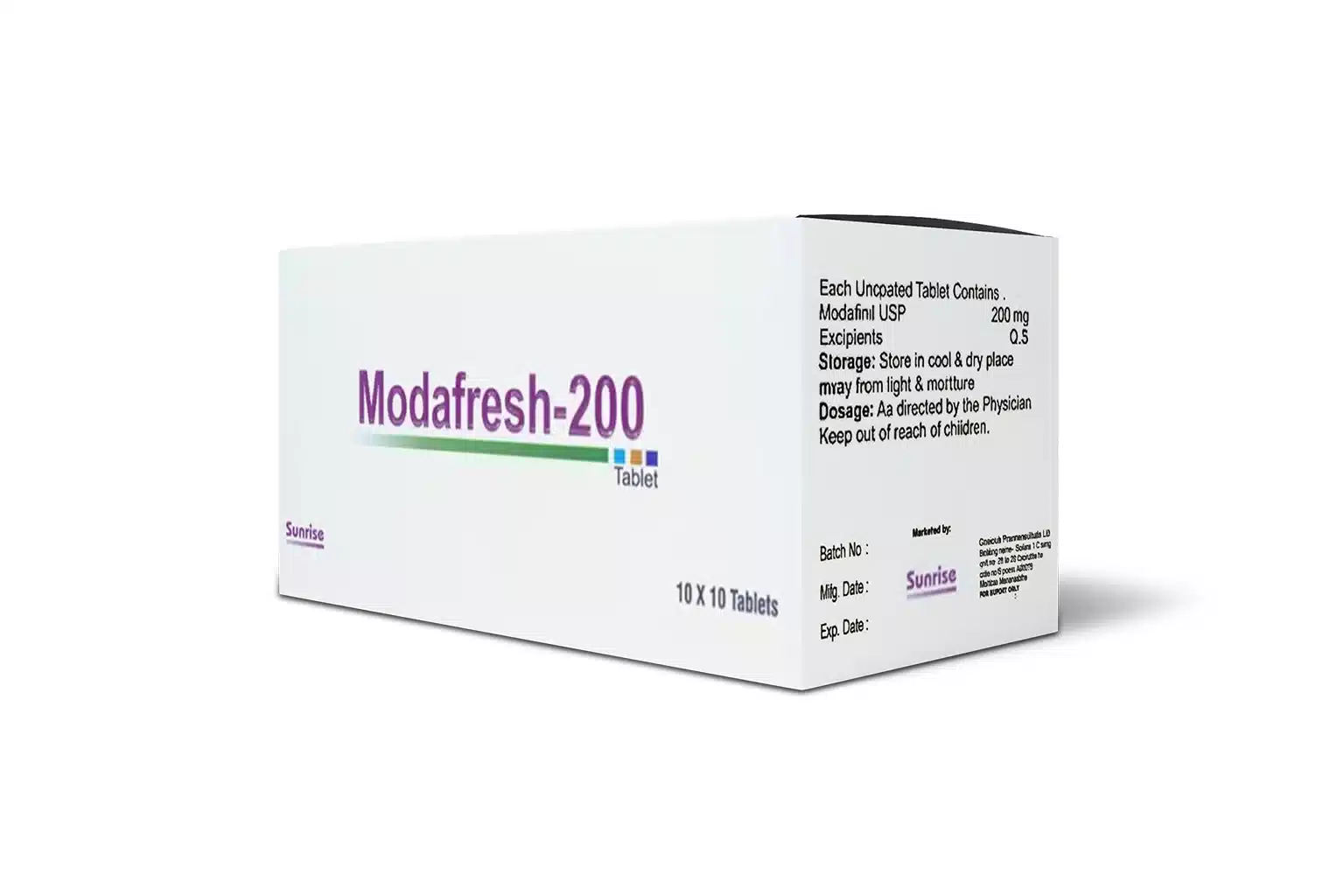
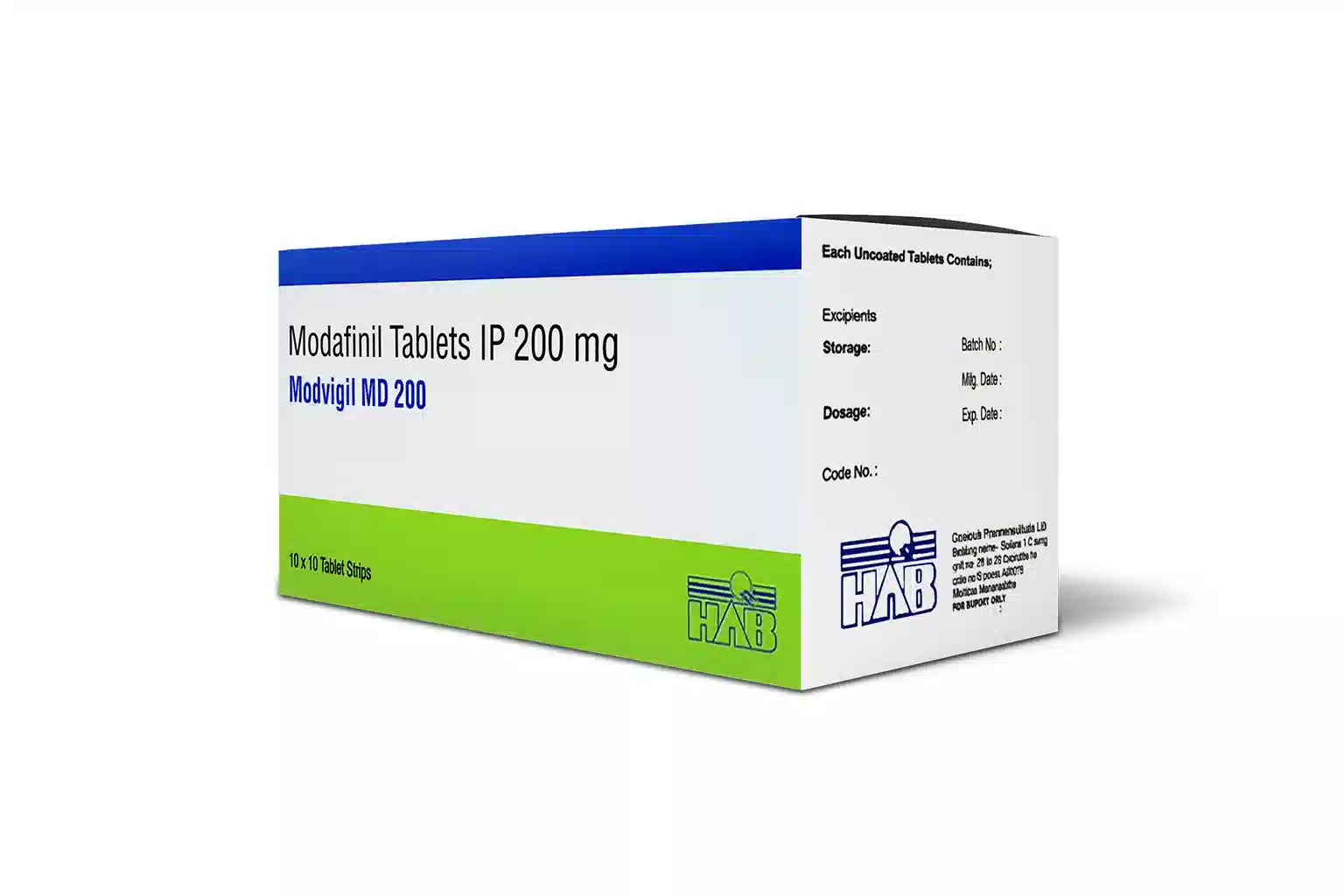
Some workers and professionals explore pharmacological aids to manage extreme sleepiness. Modvigil (a commonly used brand name for modafinil) is a wakefulness promoting agent approved for certain sleep disorders (narcolepsy, obstructive sleep apnea related sleepiness, and shift work sleep disorder) and can reduce excessive daytime sleepiness when used appropriately. Clinical reviews find modafinil is generally well-tolerated and has a relatively low potential for dependence compared with classical stimulants, but it’s not a substitute for healthy sleep practices and should only be taken under medical supervision.
Important safety points:
- Modafinil/Modvigil is a prescription medicine in most countries; obtain it legally and follow a clinician’s guidance.
- It treats sleepiness, not sleep debt — the underlying need for restorative sleep remains.
- Side effects and interactions exist (headache, dizziness, blood pressure effects, rare severe skin reactions); a clinician will review your medical history and medications before prescribing.
If you’re curious about whether Modvigil/modafinil could be appropriate for you (for instance, for diagnosed shift work sleep disorder), discuss it with a physician or sleep specialist; don’t self-prescribe.
Mental health, stress and recovery
Chronic misaligned schedules increase emotional strain. Psychosocial support, access to counselling, peer support, and stress-management training — reduce burnout. Practices such as brief mindfulness, diaphragmatic breathing before sleep, and scheduled micro-breaks during long shifts help mood regulation and cognitive recovery. If anxiety, depression, or persistent sleep problems are present, seek professional help; treating mental health often improves sleep and work performance together.
When to seek professional help
See a clinician or sleep specialist if:
- You experience persistent daytime sleepiness despite following good sleep hygiene.
- You nod off at unsafe moments (driving, operating machinery).
- You have loud snoring, gasping, or witnessed apneas (possible sleep apnea).
- Prescription medications like modafinil have been suggested — get a full assessment first.
Healthy daily habits for busy people in a 24/7 world
- Block time for 7+ hours of sleep-equivalent rest across 24 hours where possible.
- Keep the sleep environment dark, quiet, and cool.
- Use light exposure, naps, and caffeine strategically (not excessively).
- Plan meals and hydration; avoid heavy meals right before sleep.
- Move daily — even short bursts of activity boost sleep quality and resilience.
- Protect social time and recovery as non-negotiable blocks.
Final thoughts
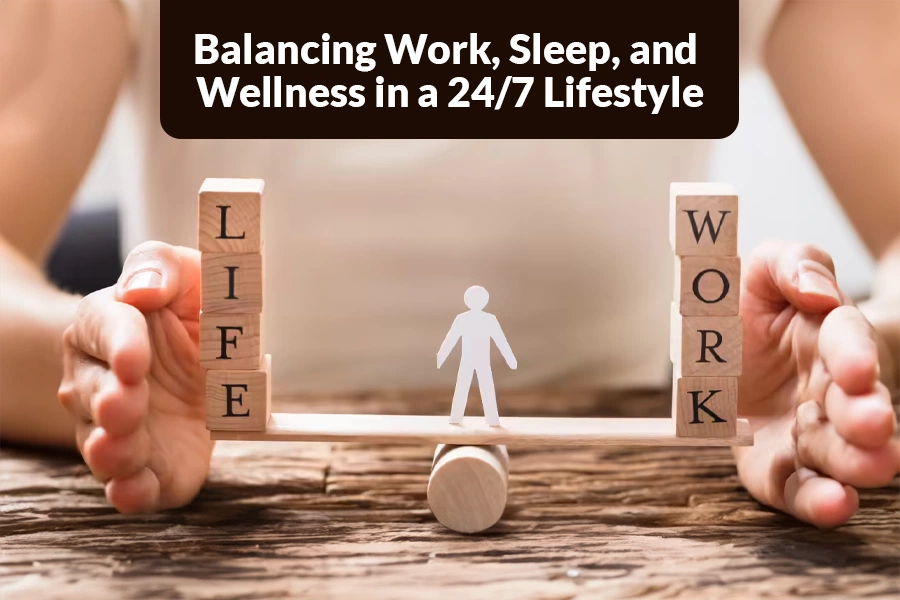
Balancing work, sleep, and wellness in a 24/7 lifestyle is a practical art more than a perfect science. You’ll likely need to try, adapt, and iterate — but the foundations are simple: protect sleep quantity and quality, design consistent anchors in your day, use light/caffeine/naps strategically, eat and move in ways that support your schedule, and prioritise recovery and social connection. Medications like Modvigil have roles in medically diagnosed sleep disorders, but they’re part of a broader toolkit not a substitute for sleep or healthy routines.
Start with one change this week for example, darken your sleep room or schedule two protected hours for restorative rest and build from there. Small, consistent habits add up faster than dramatic but unsustainable hacks.
FAQs
Q1: Can Modvigil (modafinil) replace sleep for shift workers?
A: No. Modvigil improves alertness and reduces excessive sleepiness in diagnosed conditions, but it does not repair the physiological need for sleep or reverse chronic sleep debt. Use only under a doctor’s supervision.
Q2: How long should a nap be during a night shift?
A: Short naps (10–30 minutes) reduce immediate sleepiness with minimal grogginess. If you can afford a longer nap, 60–90 minutes allows completion of deeper sleep stages but might cause inertia on awakening — plan wake time accordingly.
Q3: Is it better to rotate shifts quickly or slowly?
A: Forward rotation (day → evening → night) is generally easier on the circadian system. Rapid rotations may reduce long stretches of night work but can also prevent full circadian adaptation; rotating schedules should be designed with input from occupational health experts.
Q4: What if my employer doesn’t support shift-friendly practices?
A: Start small: protect a consistent sleep block, use blackout and noise mitigation at home, and talk with colleagues about shared strategies. If safety is compromised (excessive fatigue, errors), raise the issue with supervisors or occupational health — fatigue is an organisational risk, not just a personal failing.
Q5: Can light therapy help?
A: Yes, controlled bright light exposure timed to your wake period can shift circadian timing and improve alertness, but use it carefully and preferably with professional guidance so timing and intensity match your schedule.