Norepinephrine: the on-call alertness system
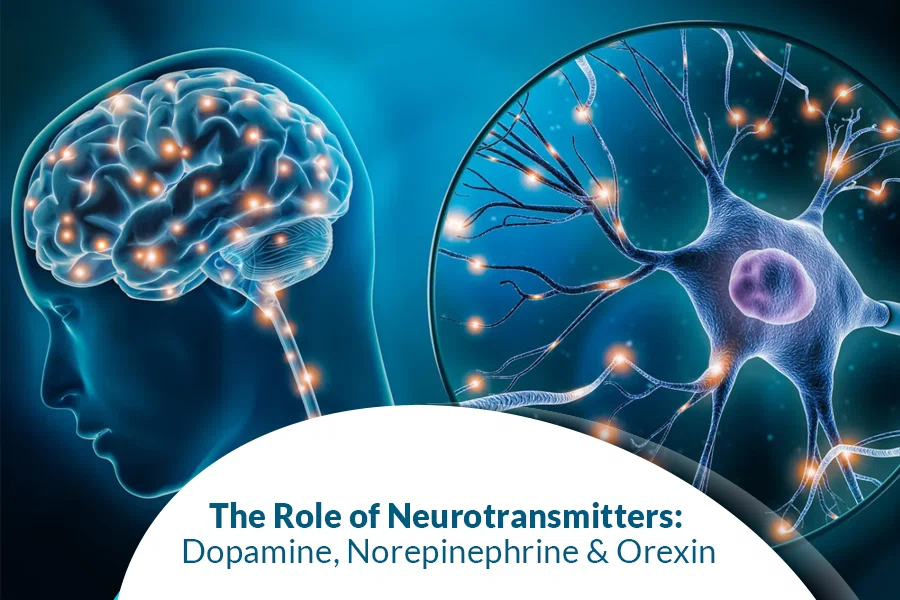
Norepinephrine (NE), produced primarily by the locus coeruleus (LC) in the brainstem, acts like the brain’s “alertness amplifier.” The LC-NE system broadcasts a fast, global signal that sharpens sensory processing, priority-setting, and readiness to respond, especially under challenging or novel conditions. When the LC is active you’re more vigilant; when it’s quiet you’re more likely to drift toward sleep. Norepinephrine is also central to how stress and arousal affect cognition: it tunes circuits for either exploration (broad attention) or focused task performance (narrow attention).
Norepinephrine function and cognition: NE improves signal-to-noise in cortical circuits, which helps with rapid decision-making, working memory and the ability to switch attention when needed. Too much NE (high stress) can impair thinking; too little (fatigue, some medical conditions) reduces alertness and reaction speed.
Orexin (hypocretin): the stabilizer of wakefulness
Orexin, also called hypocretin, is produced by a small population of neurons in the lateral hypothalamus but has a wide-reaching influence. Orexin neurons act like state-stability controllers: they excite many wake-promoting regions (including dopamine and norepinephrine centers) and thereby stabilize wakefulness. A striking demonstration of orexin’s role is narcolepsy type 1, where loss of orexin-producing neurons leads to unstable wakefulness and symptoms like sudden sleep attacks and cataplexy. In other words, orexin doesn’t just help you be awake, it helps you stay awake and keep behavioral states from collapsing into sleep.
How orexin connects motivation and energy: Orexin neurons respond to internal energy signals (like hunger) and external cues (novelty), linking metabolic state and motivational drive with the need for vigilance, evolutionarily sensible when food or danger is present.
How these three systems work together
Think of wakefulness as a campfire. Orexin is the person adding logs to keep the fire stable; norepinephrine is the splint that makes the flames flare when you need them (alerting you to danger or novelty); dopamine is the smell of food that focuses your attention on one task and motivates you to keep the fire burning for that purpose.
Neuroanatomically, orexin neurons send excitatory projections to the LC (norepinephrine), ventral tegmental area (dopamine), and other arousal centers, coordinating a multi-node wake network. When orexin drops (as in narcolepsy), that coordination fails, and wakefulness becomes fragmented. Likewise, drugs or conditions that raise dopamine or norepinephrine can increase alertness even if orexin tone is unchanged.
Pharmacology: how wakefulness drugs tap into these systems
Modern wake-promoting medications act on one or more of these neurotransmitter systems.
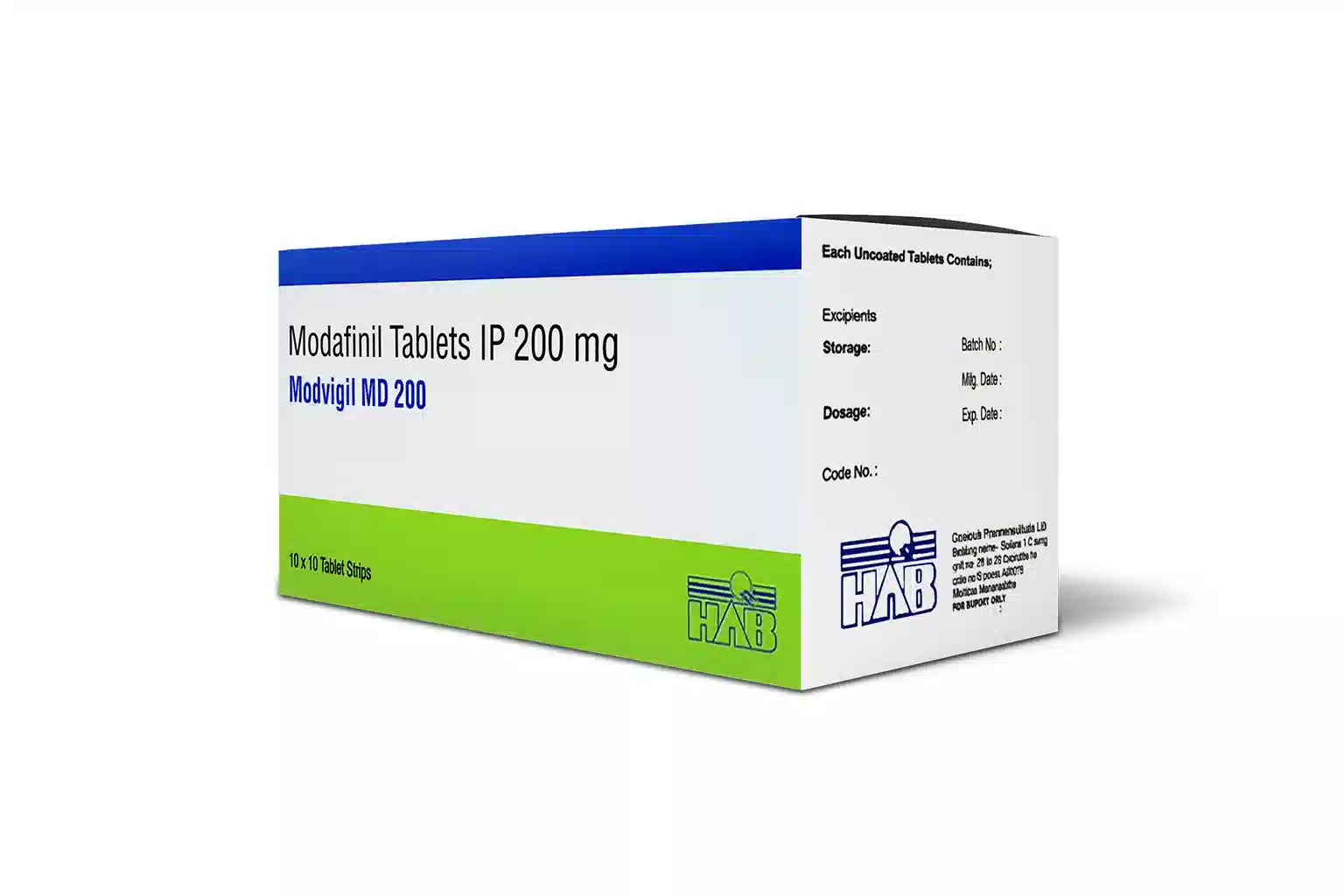
- Modafinil / Modawake (modafinil formulations): Modafinil is a eugeroic (wakefulness-promoting) drug whose precise mechanism is complex and not fully settled, but evidence shows it increases extracellular dopamine by inhibiting the dopamine transporter and also influences NE, histamine and orexin pathways indirectly. Products branded as Modawake are modafinil-containing formulations marketed in some regions; they promote wakefulness by enhancing these neurotransmitter systems rather than being classic amphetamine stimulants. Clinical use includes narcolepsy, shift-work disorder and residual sleepiness in obstructive sleep apnea (as adjunctive therapy). Because modafinil affects dopamine, prescribers consider potential risks and benefits carefully.
- Classical stimulants (methylphenidate, amphetamines): These directly increase synaptic dopamine and norepinephrine and are powerful at increasing wakefulness and attention, but also carry higher abuse potential and different side-effect profiles.
- Newer agents: Drugs such as solriamfetol increase dopamine and norepinephrine signaling by inhibiting reuptake and are approved for daytime sleepiness in some sleep disorders. Sodium oxybate is used for narcolepsy (a different mechanism) and helps consolidate sleep at night, improving daytime wakefulness indirectly.
Clinical point: Wake-promoting drugs can mask an untreated underlying disorder (for example, using modafinil without treating sleep apnea). Best practice is to treat root causes first (CPAP for OSA, behavioral changes for poor sleep) and use pharmacotherapy when residual sleepiness persists or when a primary disorder like narcolepsy warrants it.
Neurotransmitters and cognitive performance
The relationship between neurotransmitters and cognition is dose- and context-dependent:
- Dopamine supports working memory, reward learning, and selective attention — but both too little and too much dopamine impair performance (an inverted-U relationship). This explains why small changes in dopamine (from medication or stress) can have big effects on focus.
- Norepinephrine enhances signal detection and response speed; moderate NE improves focused performance, while very high NE (extreme stress) leads to distractibility and poor complex decision-making.
- Orexin supports sustained attention indirectly by stabilizing wakefulness and by facilitating dopamine and NE activity across the brain. Loss of orexin impairs vigilance and increases daytime sleep attacks, which obviously harm cognitive performance.
The takeaway: optimal cognitive performance depends on balanced signaling across these systems, not maximal stimulation. That’s why targeted therapies that nudge neurotransmitter levels (rather than flooding them) often yield the best functional outcomes.
Real-world implications & safety considerations
- Prescribed wakefulness drugs are medical tools, not lifestyle enhancers. Agents like modafinil/Modawake can improve alertness and cognitive function in people with medical sleep disorders; off-label use raises medical, legal, and ethical concerns. They also have side effects (insomnia, headache, rare skin reactions) and interactions with other drugs.
- Address root causes first. If sleep fragmentation (sleep apnea), inadequate sleep, or mood disorders are present, treating those yields larger, safer improvements in daytime function than relying solely on stimulants.
- Balance is everything. Too much NE or dopamine during stress or sleep deprivation can degrade judgment. Clinicians tailor treatments to diagnosis, severity, and patient goals.
Practical tips to support your brain’s wake systems
- Prioritize consistent sleep and adequate sleep duration, the single best way to preserve orexin balance and preserve NE/dopamine responsiveness.
- Use bright light exposure in the morning to entrain circadian rhythms (this helps dopamine- and NE-mediated morning alertness).
- Time short (10–30 minute) naps strategically if you need transient alertness boosts; naps can restore dopamine/NE-driven performance without disrupting nighttime sleep when used correctly.
- Manage stress: chronic stress dysregulates the LC-NE system and impairs focused performance.
- For persistent, disabling sleepiness or sudden sleep attacks, see a sleep clinician. Disorders like narcolepsy (orexin deficiency) require specific evaluation and management.
FAQs
Q1: Is orexin the “wake hormone”?
A: Orexin (a neuropeptide) is a key stabilizer of wakefulness, but it’s not the only factor. It’s better to think of orexin as a coordinator that excites other wake systems (dopamine, norepinephrine, histamine) to keep states stable. Loss of orexin causes narcolepsy type 1, a strong clinical proof of its central role.
Q2: How does Modawake differ from caffeine?
A: Caffeine mainly blocks adenosine receptors (reducing sleep pressure); Modawake (a modafinil formulation) acts on dopamine transport and other arousal pathways to promote wakefulness more directly and longer. Modawake is a prescription product for specific sleep disorders; caffeine is an over-the-counter stimulant with different mechanisms and limits.
Q3: Can I take modafinil/Modawake to boost studying or work performance?
A: While modafinil can improve wakefulness and some aspects of cognition, medical guidance is essential. These drugs are indicated for sleep disorders; off-label use carries risks (side effects, interactions, legal/ethical concerns). Discuss with a clinician before considering use.
Q4: Do dopamine boosters always help focus?
A: Not always, dopamine’s effect follows an inverted-U-shaped curve, so both too little and too much can impair focus. That’s why medications and dosages must be individualized. Lifestyle strategies that support natural dopamine function (sleep, exercise, meaningful goals) often produce safer, sustainable gains.
References
- Sakurai T. The neural circuit of orexin (hypocretin): maintaining sleep and wakefulness. Nat Rev Neurosci. 2007. Nature